Youth Empowerment Dawns in Kaduna
Auwalu Ibrahim Mustapha
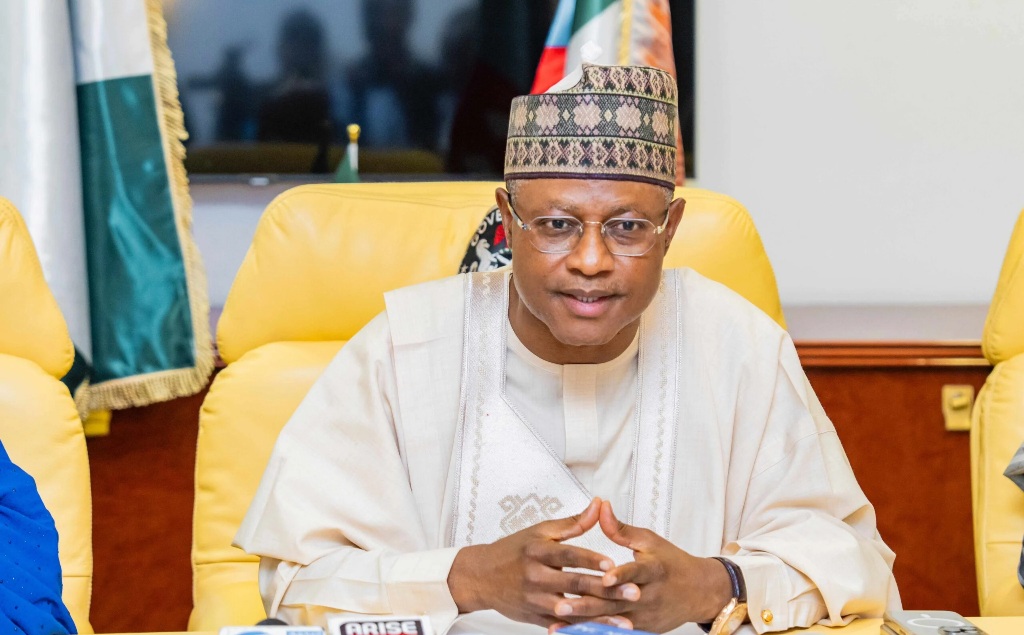
On Thursday, August 27, 2026, Kaduna State did more than celebrate the graduation of 4,050 young men and women. It marked a significant moment in the state’s human-capital development journey and offered a compelling illustration of Governor Uba Sani’s governing philosophy: that the fight against poverty, unemployment and insecurity must ultimately be anchored in the capacity of citizens to earn, create and participate meaningfully in the economy.
At the maiden graduation ceremony of the Kaduna State Institute of Vocational Training and Skills Development (IVTSD), trainees from the institute’s three campuses received the National Skills Qualification (NSQ) Level II after successfully completing their programmes. For Governor Sani, the occasion represented far more than the presentation of certificates. It was, he said, “celebrating competence, discipline, resilience and the dignity of productive work,” while opening “a new chapter in Kaduna State’s human-capital journey.”
The significance of the initiative lies in the circumstances from which it emerged. Kaduna, like many parts of Nigeria, has had to contend with unemployment, poverty, insecurity, weakened infrastructure and deep social vulnerabilities. The response of the Uba Sani administration has been to broaden the traditional definition of development. “Development cannot be reduced to just roads, bridges and buildings,” the governor said. “Infrastructure is important, but its ultimate purpose is to enlarge human possibility.”