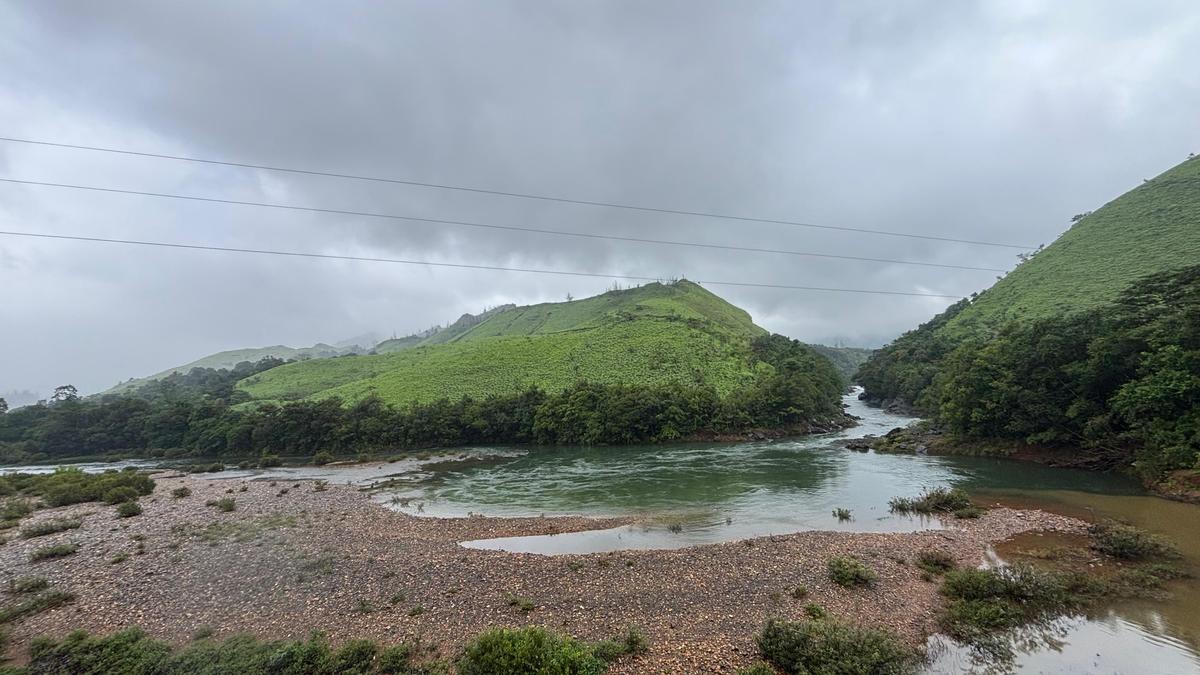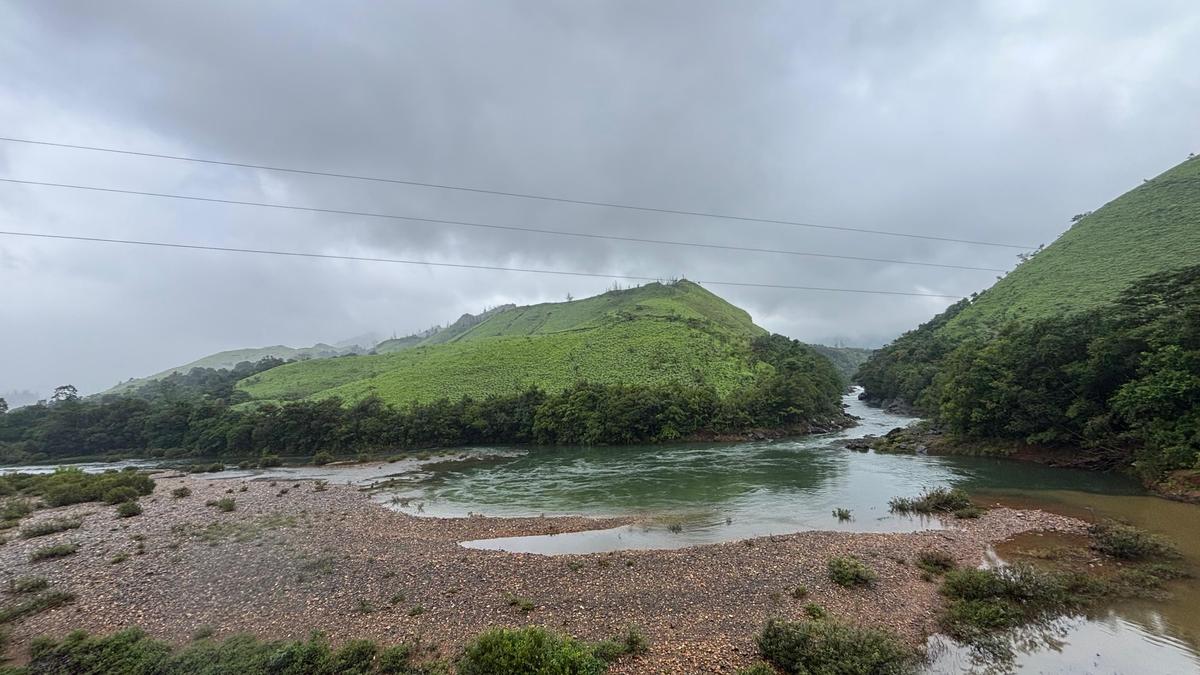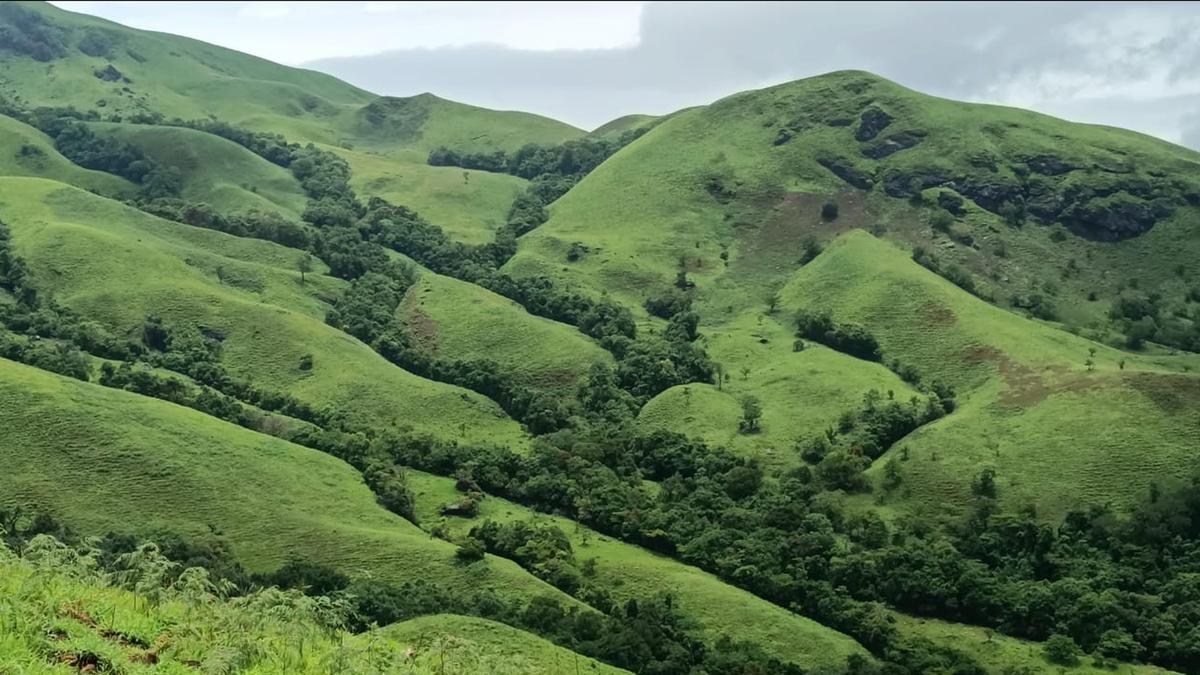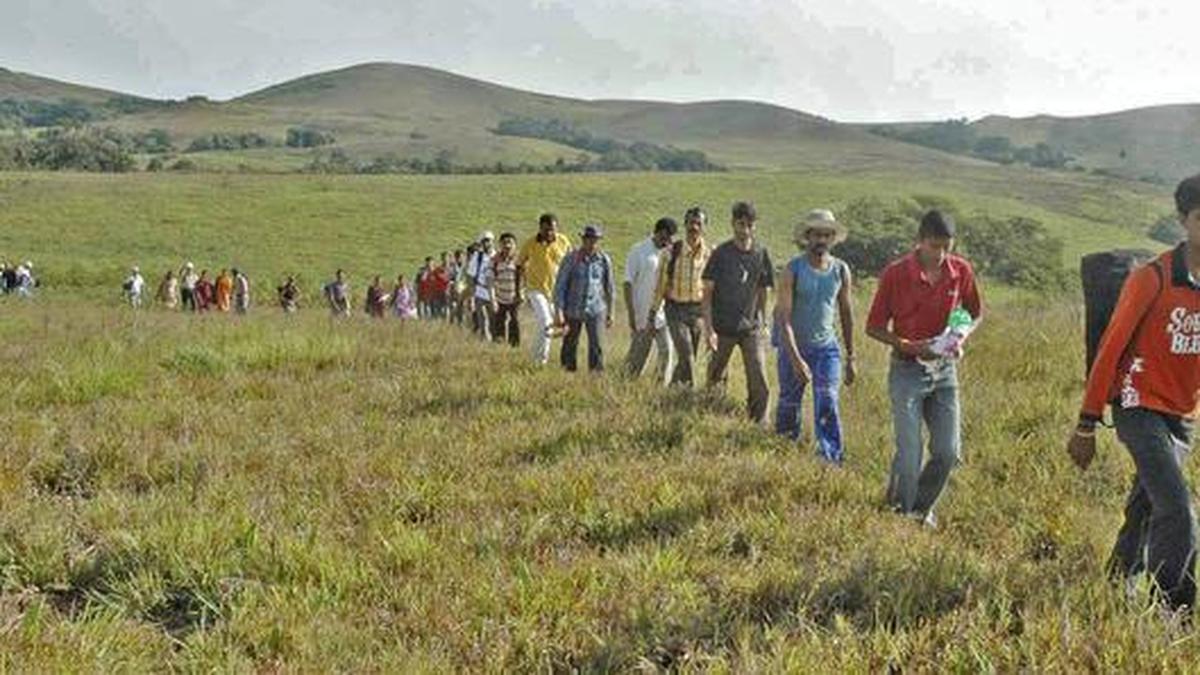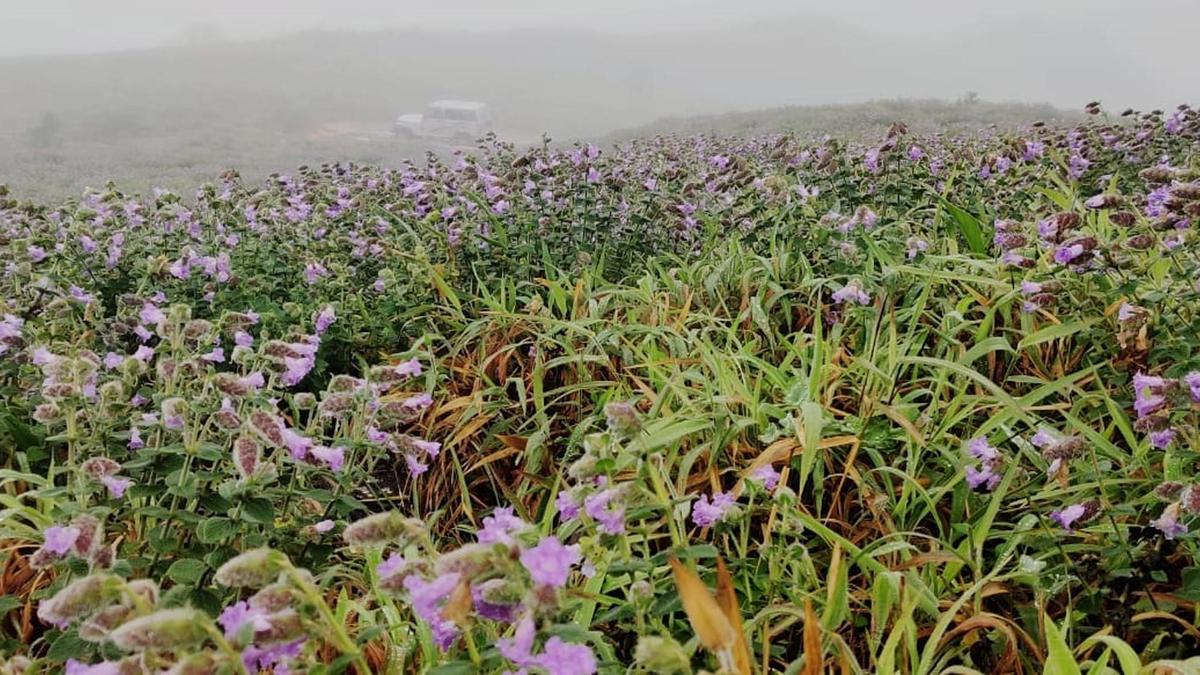
Residents and environmentalists across the Western Ghats, particularly in Kodagu and Chikkamagaluru districts, have raised concerns over the growing trend of private groups and tour operators promoting hidden and remote natural spots for commercial trekking and adventure activities.Locals fear that the sudden influx of tourists in ecologically fragile areas could cause irreversible damage to forests, water sources, and wildlife habitats.Residents allege that several travel agents and private groups, particularly from Bengaluru and Mysuru, are identifying lesser-known hills, waterfalls, and other natural locations and promoting them on social media. Treks are subsequently being organised to these spots without permission from the Forest Department.The increased footfall has resulted in tourists leaving behind plastic waste and other garbage, they alleged.In Kodagu, the Forest Department recently intensified action against unauthorised commercial trekking in sensitive forest areas and warned travel agents and tour operators against promoting illegal trekking routes.The warning followed the circulation of social media videos showing trekking activities to mountains, waterfalls, and areas where Strobilanthes kunthiana, popularly known as Neelakurinji, an endemic shrub seen in the Western Ghats, is in bloom at Perur village near Napoklu. The department said that social media posts are being used to promote commercial mass trekking in sensitive areas around Nelji, Perur, and the neighbouring regions.“Over the past few days, we have been seeing several illegal tour operators arranging treks and taking tourists to hidden spots in the hills without permission. The main concern is that several lesser-known places inside and around forest areas are now being exposed to tourists for commercial purposes,” Thimmaiah K.B., resident of Nelji, told The Hindu.He said that the area has several small waterfalls and other natural spots that are increasingly being accessed by tourists. Many of these locations are located in or close to sensitive forest areas and are not equipped to handle large numbers of visitors.“With the Neelakurunji in bloom, more people are coming here. If the visitors are allowed to enter these places without restrictions, they could damage the plants and other vegetation. Such activities can also disturb wildlife and increase the possibility of human-wildlife conflict. We are worried that continued unregulated tourism will severely affect the fragile ecosystem,” he said.Another resident, Biddappa of Marandoda in Madikeri taluk, said his village was facing a similar problem at a place locally known as Baliyatre, where a small waterfall is located on a hill.He said that Baliyatre was never intended to be a tourist destination and, more importantly, the water source is vital for the villagers. “The water from this area is an important drinking water source for the people of Marandoda. It is a place that needs to be protected and not converted into a tourist spot,” Mr. Biddappa told The Hindu.“People are promoting the location on social media, making reels, bringing tourists and organising treks for commercial purposes. Visitors have already started leaving garbage and polluting the area, putting our drinking-water source and the surrounding forest at risk,” he added. Chikkamagaluru sees similar trendA similar trend has emerged in Chikkamagaluru, where environmentalists have urged the district administration and the Forest Department to prohibit private groups from conducting adventure and sports activities in forest areas without permission.Recently, private groups organised off-road activities in parts of Kalasa and Koppa. Following objections from local groups, the Forest Department intervened and stopped the activity in Kalasa. However, environmentalists said similar activities continued in the Koppa region.Activist Nagaraj Koove said that environmentalists had studied the impact of such activities on the fragile Malnad ecosystem. “The impact was huge and such activities could cause serious damage. In the name of sports activities or exploring the Malnad region, private organisations are conducting such events with profit as the primary objective. They offer participants a sense of adventure and thrill, but the environmental cost is borne by the forests and local communities,” he told The Hindu.“Forest areas are not playgrounds for private commercial events. Such activities, particularly those involving vehicles and large groups, should be stopped unless they are properly regulated and permitted by the authorities,” he added.The risks were highlighted recently when a group of tourists allegedly drove a vehicle to the edge of a nearly 3,000-ft.-deep gorge at the Rani Jhari viewpoint in Mudigere taluk. The visitors were reportedly at the spot to shoot videos/reels for social media. Kalasa Range forest officials seized the vehicle and registered a case against the group.Meanwhile, Forest Minister Ramalinga Reddy, who was in Kodagu on August 28 for a departmental meeting, said that he had received complaints from residents regarding unauthorised trekking and tourist activities in forest areas and had instructed officials to take action against those conducting trekking activities illegally in forest areas.“Forest areas cannot be opened up for commercial activities merely because some locations become popular on social media. If such activities are allowed unchecked, they can disturb wildlife and affect the ecological balance. Officials have been directed to identify such activities and take action against tour operators and private groups violating the rules,” he added.(With inputs from Sathish G.T.)
Illegal trekking, ‘hidden spot’ tourism raise alarm in Karnataka's Western Ghats
Concerns rise in Karnataka's Western Ghats over illegal trekking and tourism threatening fragile ecosystems and local water sources.
832 words~4 min read