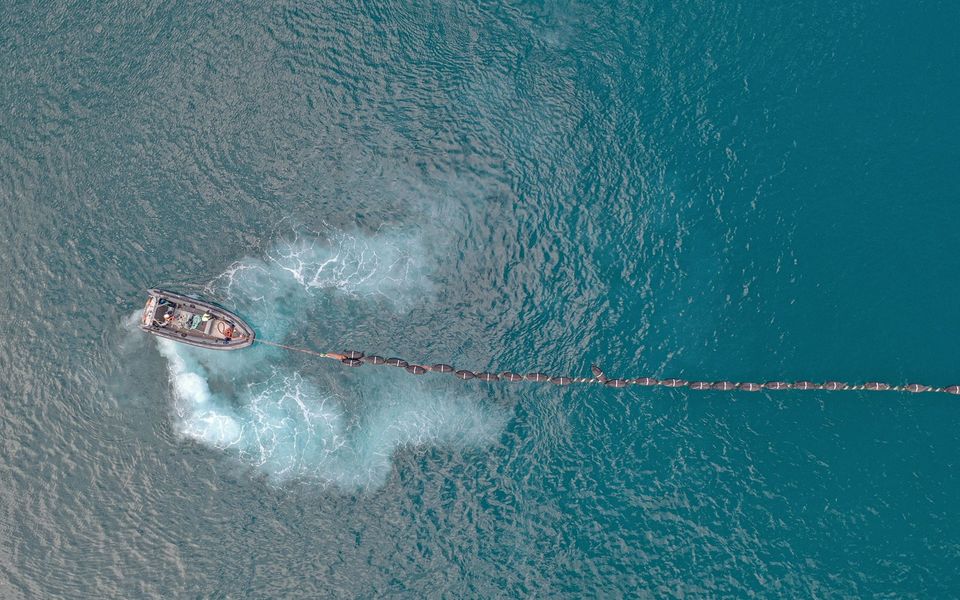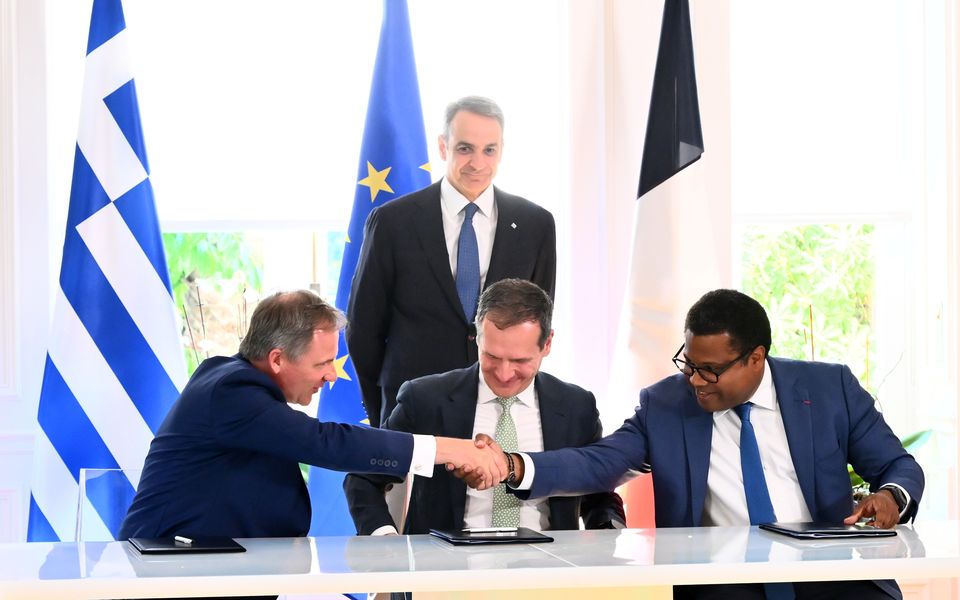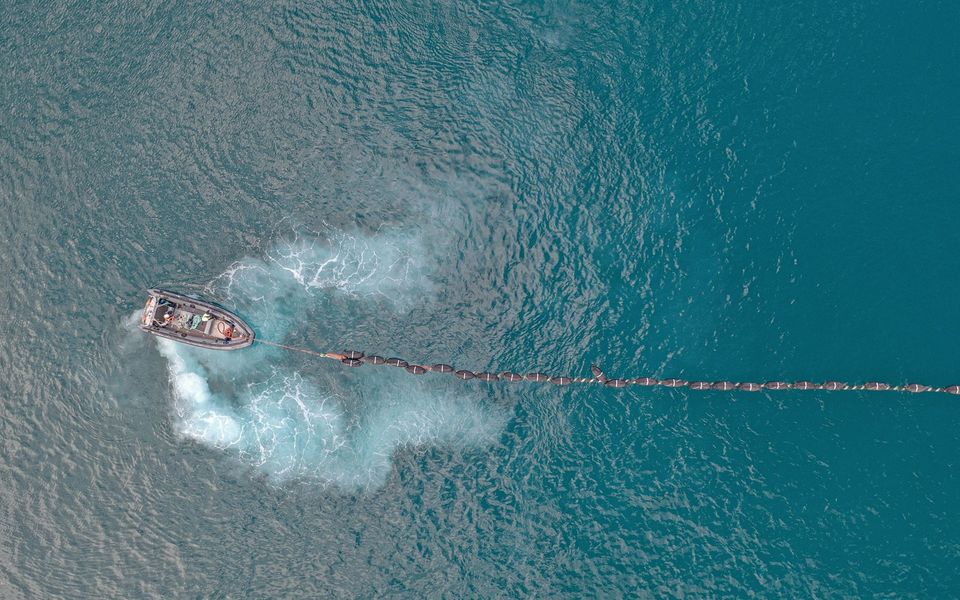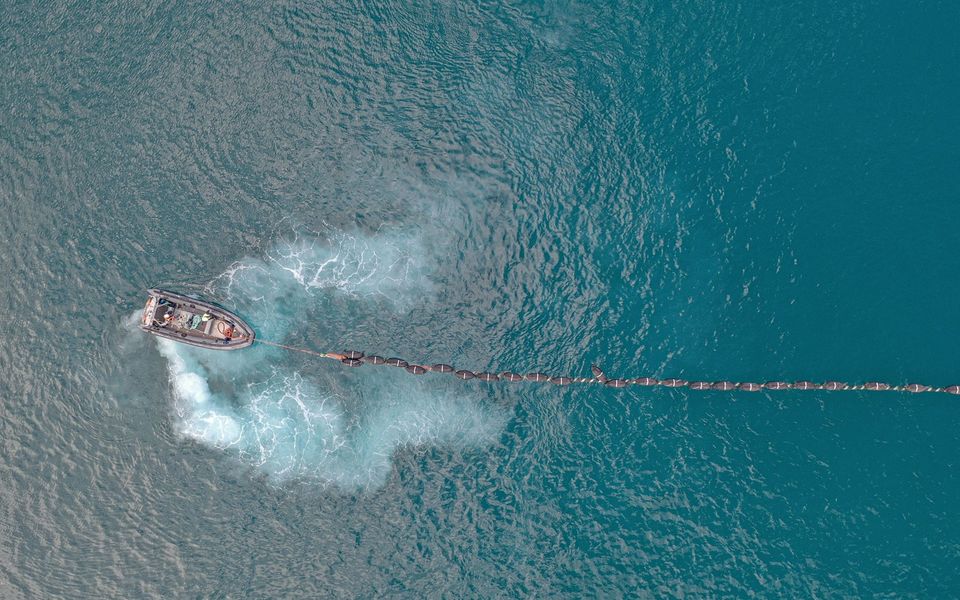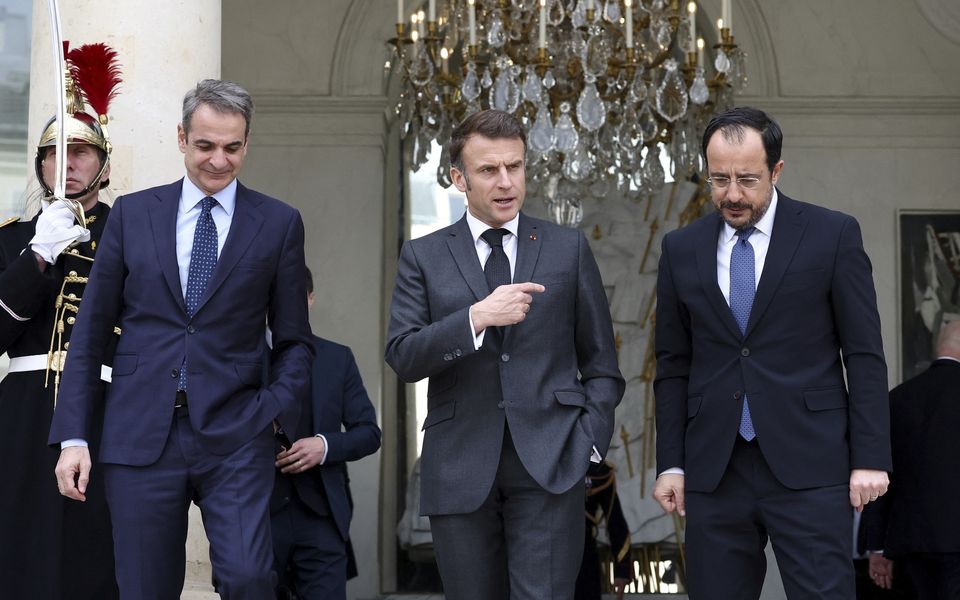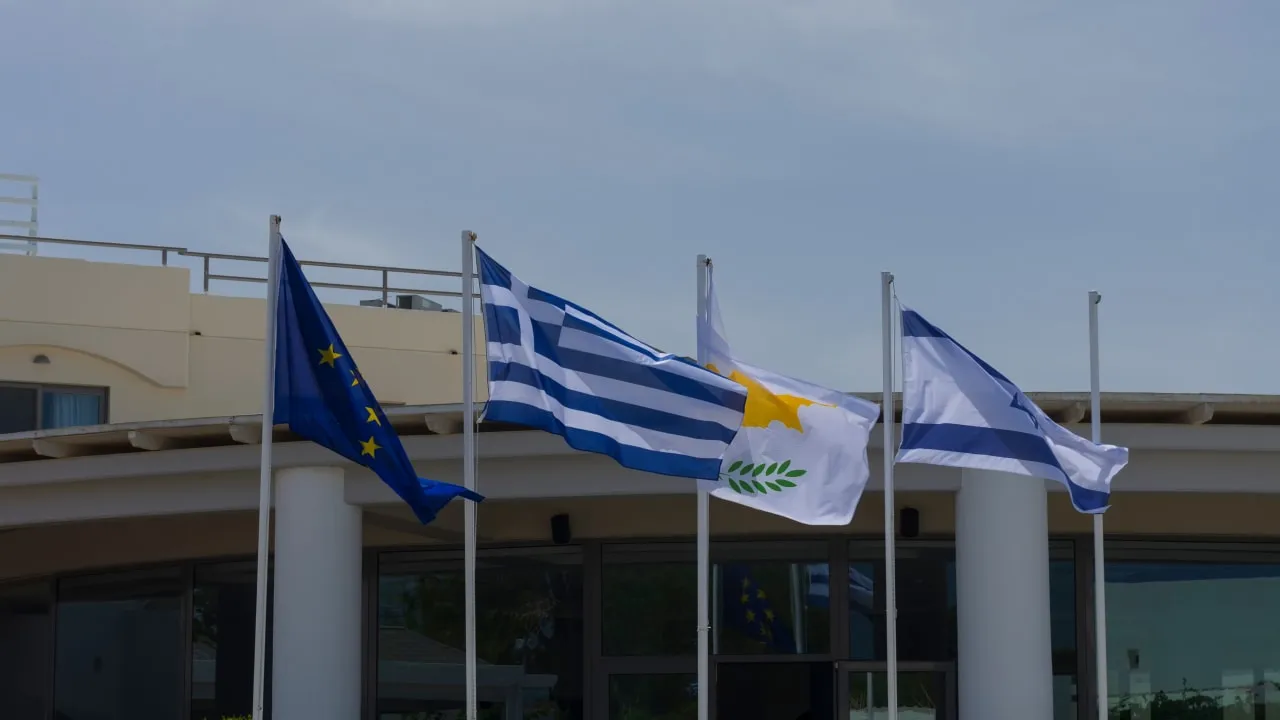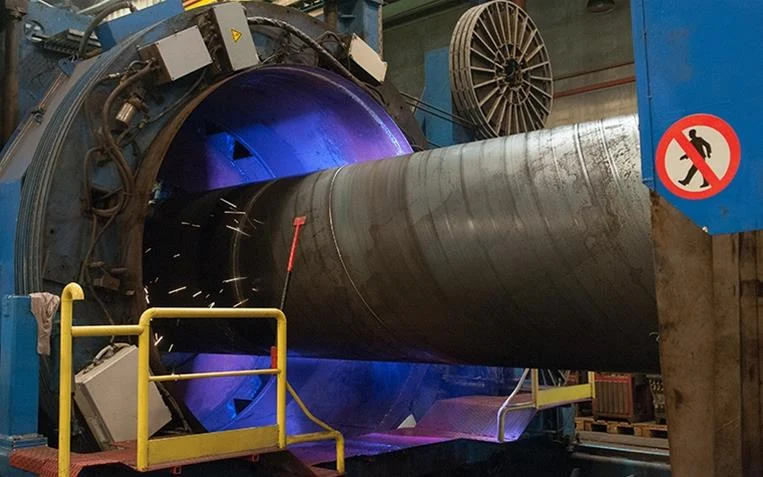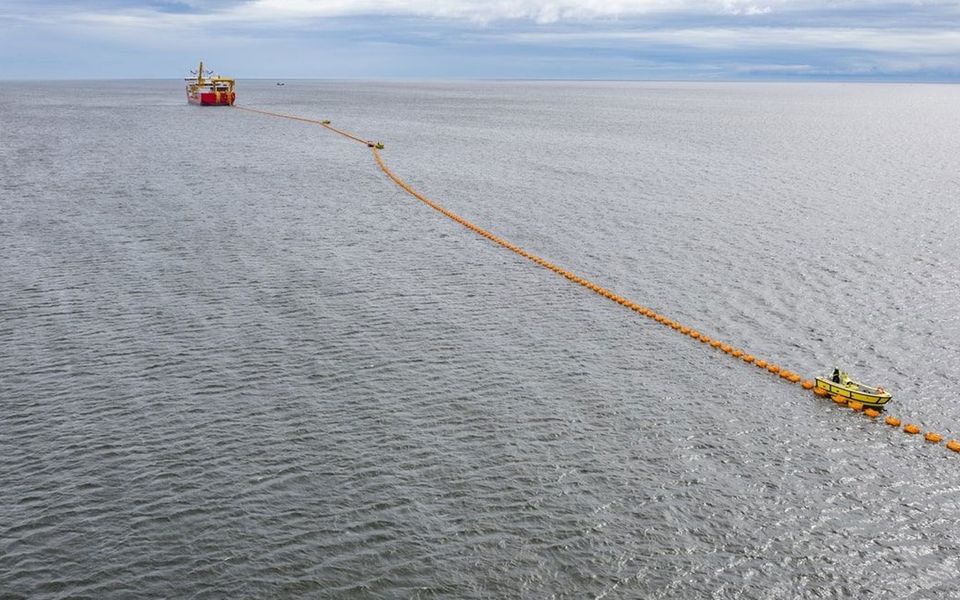
The solution sought by Athens, Paris and Nicosia to overcome objections raised by Turkey over the Greece-Cyprus electricity interconnection project, whereby the French company Meridiam – a majority stakeholder in the project – will inform Greece, Cyprus, Turkey and possibly other states in the region about the work that it is about to begin to lay the cable, sounds very convenient to me. After that, work will be able to begin.
The crucial issue is whether Turkey will be satisfied with this solution, considering that its established position is to try to prove every time who is the boss in the region.
That is precisely where danger lurks. The French company, in order to proceed with the project it has undertaken, might take a step further and engage with Turkey in a kind of negotiation, possibly of a technical nature, which will ultimately recognize Turkish rights in the region. The briefing could be transformed into a de facto request for licensing. In other words, the Greek Ministry of Foreign Affairs might find itself exposed, because it has left the handling of its sovereign rights in the hands and interests of a French business giant.
I would like to believe that the necessary provisions, detailed and specific, have been put in place to avoid this possibility, which, in addition to having consequence for Greece’s sovereign rights, will also entail a political cost for the government. As a principle, sovereign rights are defended by states and not assigned to companies that have their own interests.