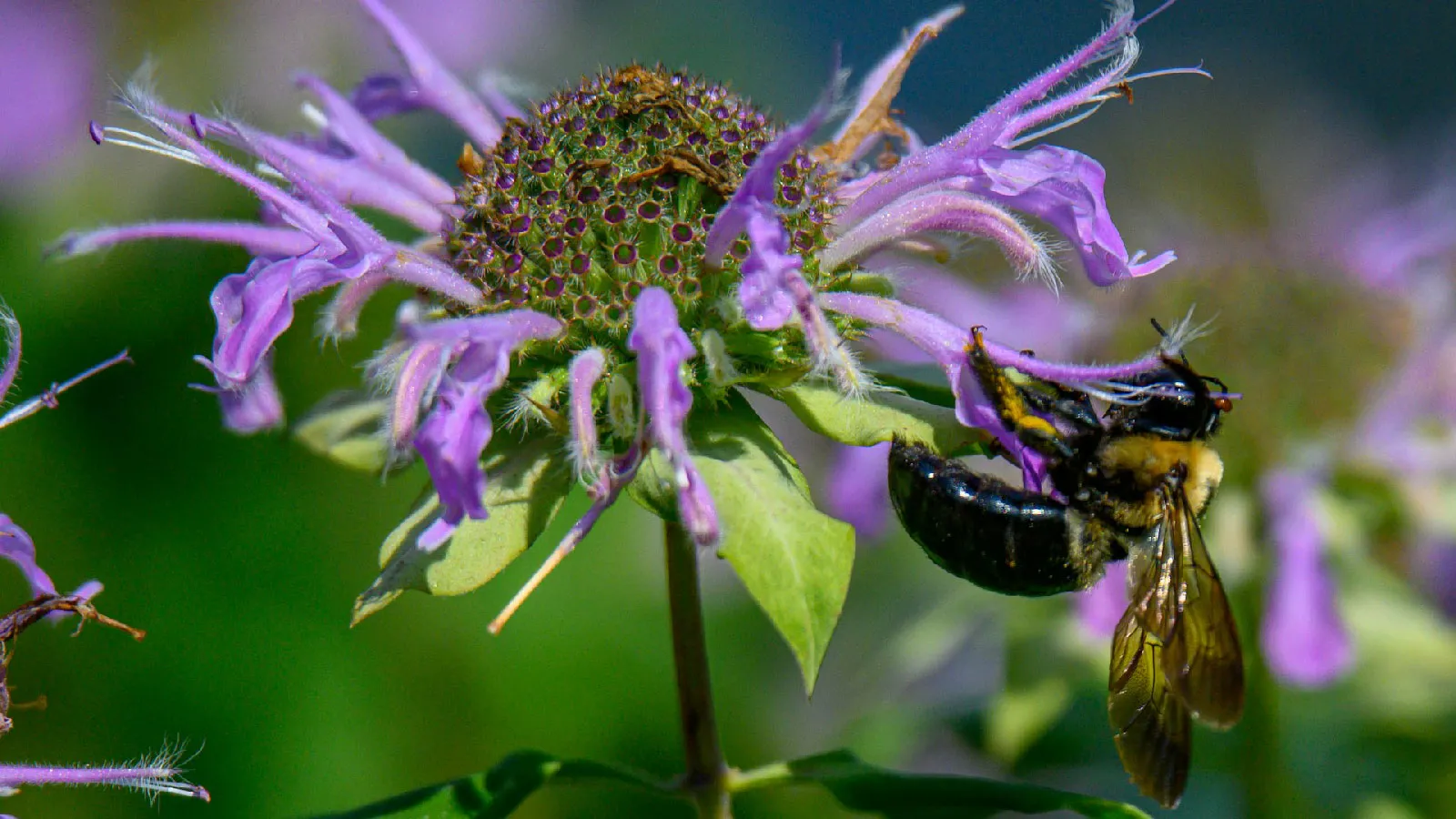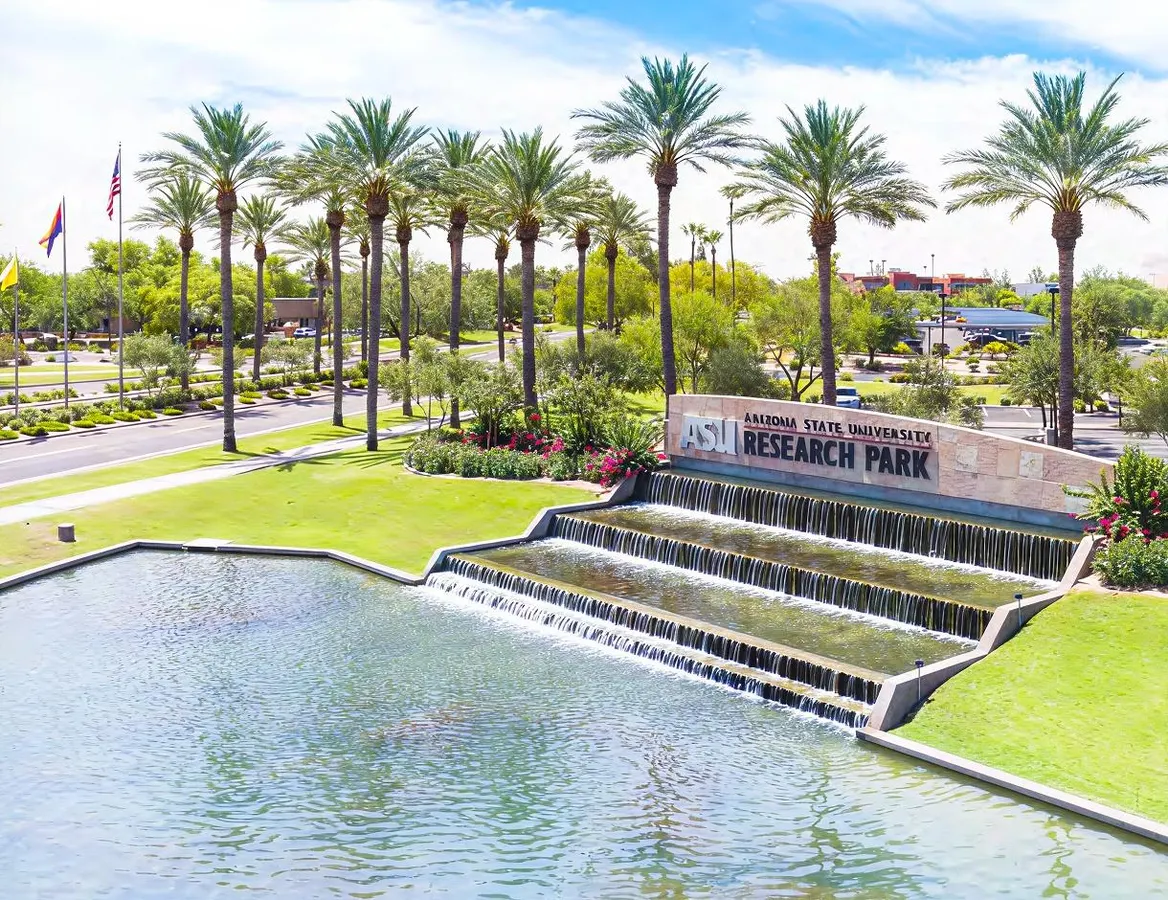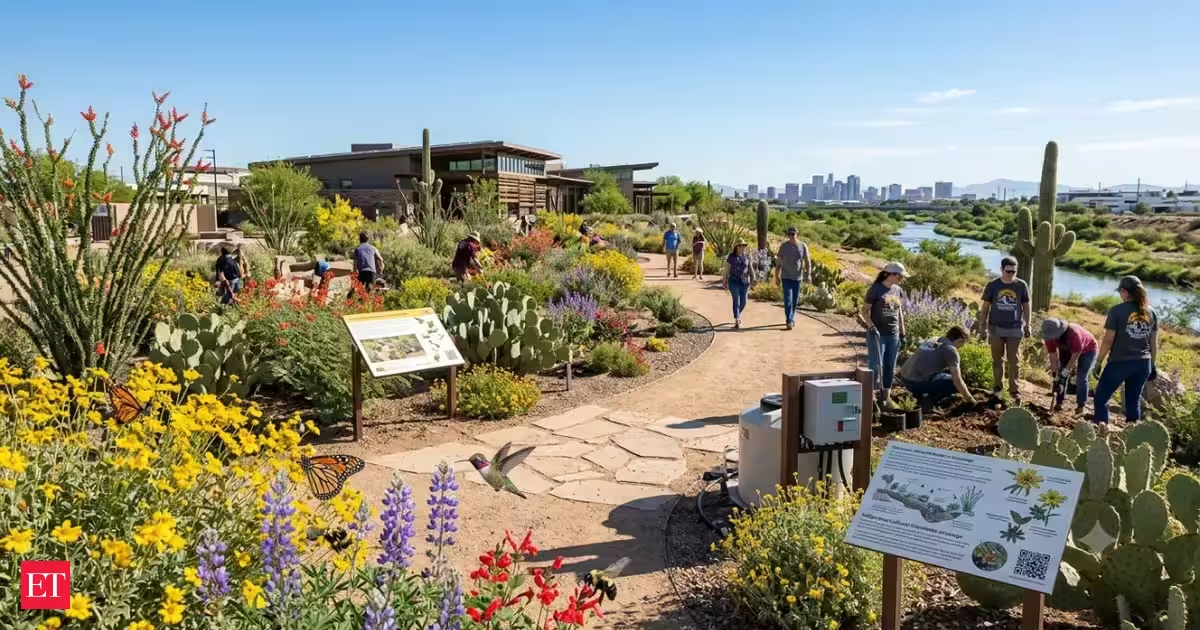
In 2023, Arizona State University began planning a 1-2-acre pollinator garden by Phoenix’s Salt River. Today, the project aims to restore habitat and support pollinatorsSynopsisA pollinator demonstration garden is planned for South Central Phoenix. This project aims to create vital habitat for declining pollinator species. Native plants will be selected to provide nectar and pollen throughout the year. The garden will also serve as an educational hub for community engagement.Pollinator habitat restoration (Photo: AI/Gemini)Disclaimer: This visual is an AI-generated conceptual rendering designed to illustrate the pollinator demonstration garden project described in the article.Along the Salt River in South Central Phoenix, a 1-2-acre area is planned to become a pollinator demonstration garden.The project brings together Arizona State University, Audubon Southwest, Tiger Mountain Foundation and the City of Phoenix. Located in the Rio Salado Habitat Restoration Area near the Nina Mason Pulliam Rio Salado Audubon Center, it forms part of the wider Rio Reimagined initiative along the Salt and Gila river corridor in metro Phoenix.Creating habitat for pollinatorsPollinators, including bees, butterflies, moths, hummingbirds, sunbirds and bats, play a vital role in plant reproduction and the production of fruits, vegetables and seeds. However, these species face challenges including habitat loss, pesticide use and climate change.The project is part of a conceptual Pollinator Trail of waystations along the Salt-Gila River corridor. Its location near the Audubon Center will also support educational programmes and community engagement.Native plants and restoration workPlans for the site include removing invasive species and improving soil quality. Landscape architect students at Arizona State University's Design School will provide the garden design.You Might Also Like:Native shrubs, cacti, succulents, perennials, wildflowers and grasses will be selected according to their blooming periods and their appeal to different pollinators. The plantings are intended to provide diverse sources of nectar and pollen throughout the year.Other planned features include an automatic irrigation system designed to conserve water while maintaining plant health, stone pathways to improve accessibility and the visitor experience, and multilingual interpretive signage and exhibits at the Audubon Center.Planning for climate resiliencePhoenix is experiencing its hottest summer ever, while water availability is already a concern and is likely to become a greater concern over the next five to ten years, as per a Society for Ecological Restoration report.Efforts will be made to include climate-resilient designs in the garden's planning. Ongoing monitoring and maintenance are also planned to support the site's long-term success.You Might Also Like:Community involvement and educationThe project includes participation from the South Phoenix community, nonprofit organisations, academic researchers and citizen scientists.Students will contribute to the landscape design, while project labour will involve a community-based workforce development organisation. Indigenous cultural values related to plants and pollinators will also be included on signage.The garden is intended to serve as a demonstration area and educational hub for the Audubon Center, offering guided tours, workshops and outreach programmes focused on local and migrating pollinators and the importance of conserving their habitats.The project is part of SER's Standards-based Restoration in Action programme in collaboration with Microsoft's Datacenter Community Affairs team.You Might Also Like:Read More News on(Catch all the US News, UK News, Canada News, International Breaking News Events, and Latest News Updates on The Economic Times.) Download The Economic Times News App to get Daily International News Updates....moreless
In 2023, Arizona State University began planning a 1-2-acre pollinator garden by Phoenix’s Salt River. Today, the project aims to restore habitat and support pollinators
Arizona State University, along with local organizations, is spearheading a project to create a pollinator garden along the Salt River in Phoenix. This initiative aims to restore habitats, support pollinators, and engage the community in education about climate resilience and biodiversity.
539 words~2 min read