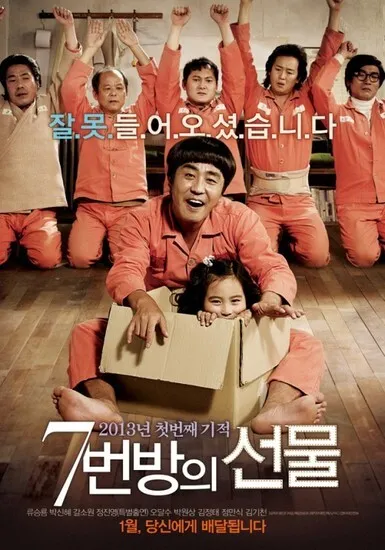
A poster for the 2013 film “Miracle in Cell No. 7”
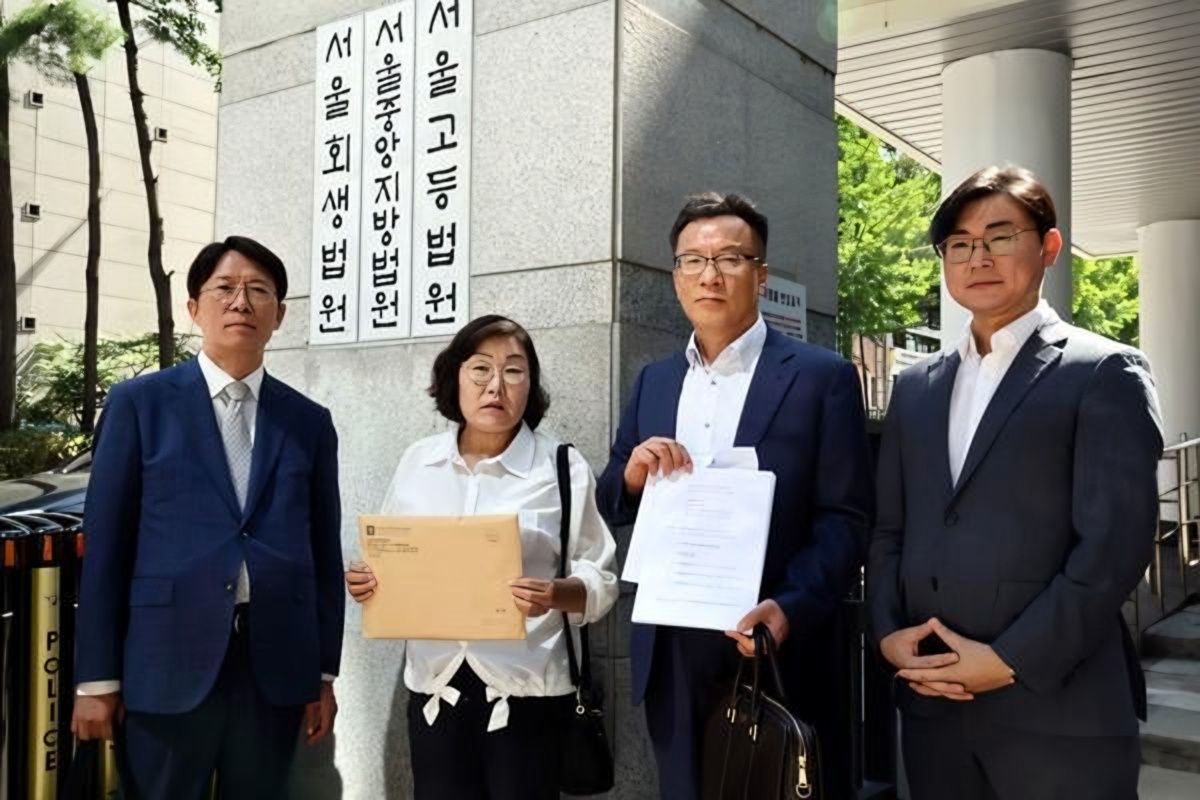
A court ruled recently to order the payment of over US$2 million in reparations to minister Jeong Won-seop, 82, by police officers responsible for torturing him into a false confession to rape and murder. But the police who tortured him and forged evidence over four decades ago were not the only ones dismayed at the decision. Jeong, the reported inspiration for the protagonist in the 2013 film “Miracle in Cell No. 7,” also hinted that he felt cheated by the failure once again to recognize the state as liable for reparations.“A law was enacted for ‘truth and reconciliation.’ Doesn’t the state have a responsibility to share the truth?” Jeong said. Judge Im Tae-hyeok of the 45th civil affairs division of Seoul Central District Court announced on Nov. 24 that he had ruled in favor of the plaintiffs in case filed by Jeong and his family seeking damages from the police officers who tortured him and forged evidence, the prosecutors who indicted him, the judge in his first trial, and the state. With the decision, three police officers, including one surnamed Jin, and their surviving family members were ordered to pay Jeong 2,388,000,000 won (US$2.02 million). But the prosecutors, judge, and state were not found liable for reparations.In 1972, Jeong was running a comic book store in Chuncheon, Gangwon Province, when he suddenly found himself accused of sexually assaulting and murdering the ten-year-old daughter of the local train station police box chief. He was tortured relentlessly into making a false confession, and spent the next 15 years behind bars. Only in 2007, when he was 70 years old, was his name cleared by the Truth and Reconciliation Commission and a retrial court. In 2013, Seoul Central District Court found the state responsible for illegal actions in his treatment and ordered it to pay reparations of 2.6 billion won (US$2.2 million). Jeong felt at the time like he had gotten back at least some of the time he had lost.