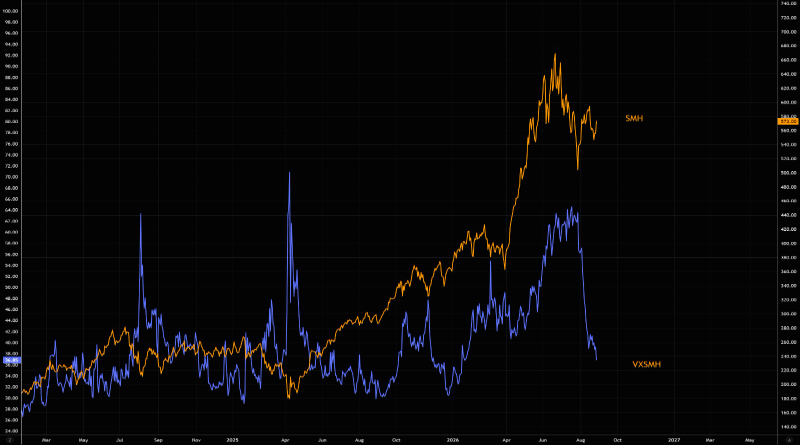
Previously in this column, we discussed the volatility skew graph and the term structure of volatility graph. The former helps you determine which strike is rich or cheap for a given expiry. The latter helps you understand if the options market is currently pricey or not compared to its past levels. This week, we discuss the impact of volatility on intrinsic value, and, broadly on the option price. Price-volatility relationshipSuppose volatility jumps without any increase in option price. This increase in volatility feeds into the option price through time value. This is because time value is a function of time to expiry and implied volatility. So, an increase in implied volatility directly impacts the time value of an option. This could result in one of two outcomes. The increase in implied volatility does not dominate the time to expiry component of the option. The outcome is simply a lower loss from time decay. Alternatively, the impact because of increase in implied volatility dominates the impact from time to expiry. This will result in increase in time value! This can happen when an underlying is a company that is expecting a development soon such as a government approval or an important strategic alliance. In the case of index options, this could relate to expectations of macroeconomic developments such as change in a country’s credit rating or likely peace talks to end geopolitical tension.In the real-word, volatility and option price are interrelated. This statement can be confusing. Is volatility a function of price or is price a function of volatility? The answer depends on which volatility you are referring to. Historic volatility is calculated as the standard deviation of daily returns of the underlying price. In this case, volatility is a function of price. Implied volatility is derived from the option price using the Black Scholes Merton model. But implied volatility is used as a metric to determine which strikes are rich or cheap. So, implied volatility can drive demand for a strike that is currently cheap, driving up its price. In this case, price becomes a function of (implied) volatility. When implied volatility increases, leading to increase in option price, the intrinsic value of the option increases too. But volatility does not directly impact intrinsic value. This is evident from the way intrinsic value is calculated. It is the difference between the underlying price (strike price) and the strike price (underlying price) for a call (put) option.Optional ReadingWhen volatility jumps, prices can go up or come down. Even if upside and downside movements are equally possible, increase in volatility has a positive effect on out-of-the-money (OTM) options. This is because of the asymmetric payoff of OTM options; upside potential is greater than downside risk. That is, the maximum you can lose from a long position is the option premium that consists only of time value. The upside potential is greater because of the jump in volatility. (The author offers training programmes for individuals to manage their personal investments)Published on August 29, 2026
Mastering Derivatives: Volatility and intrinsic value
Explore the intricate relationship between volatility and intrinsic value in options trading for effective investment strategies.
501 words~2 min read