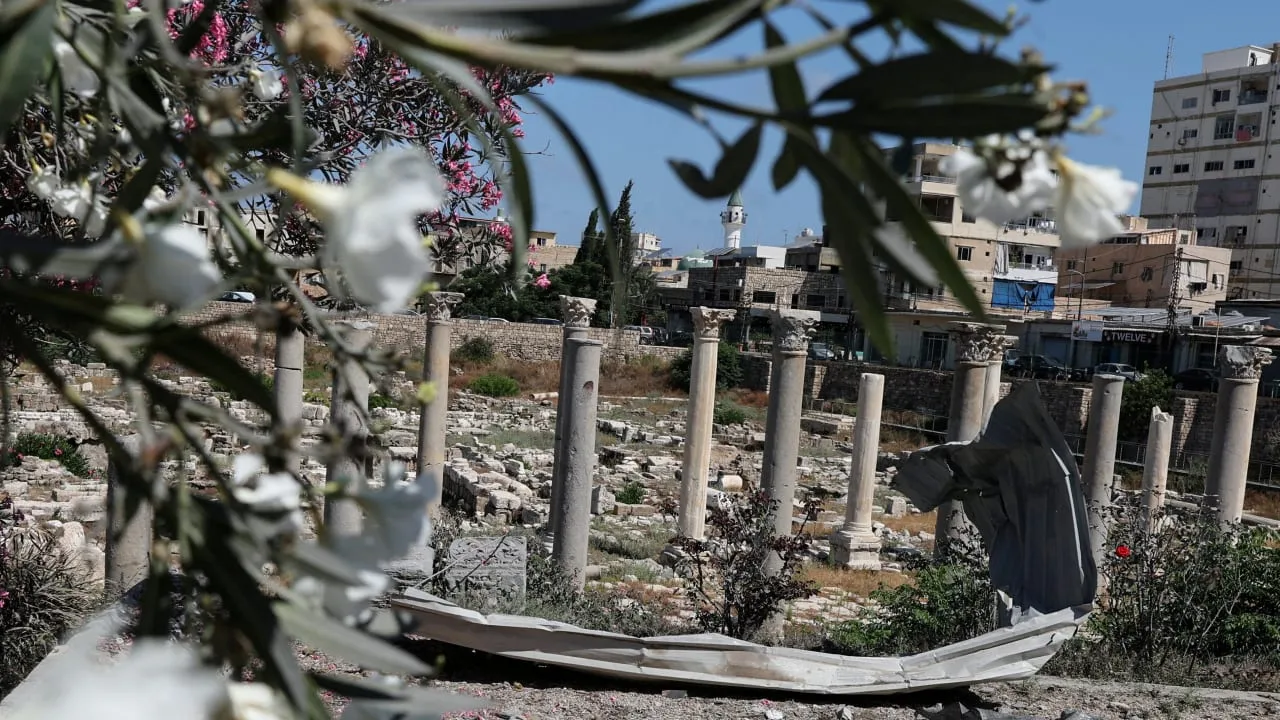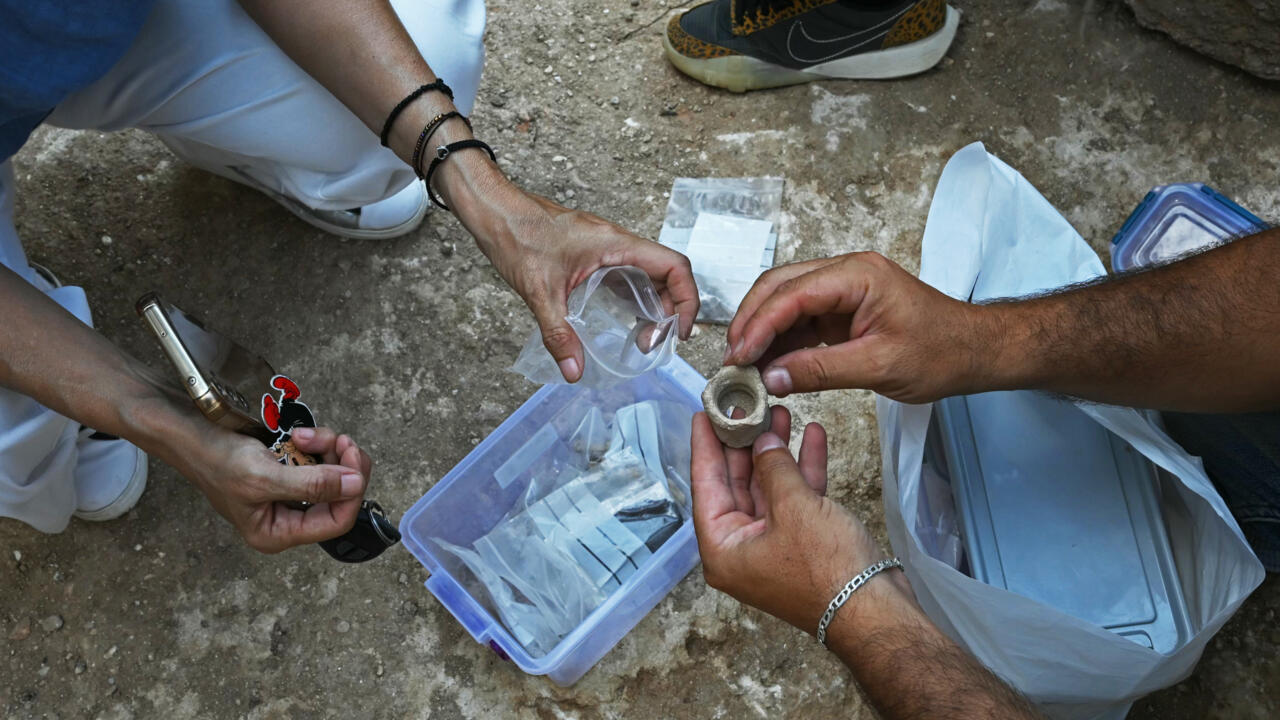
Beirut (Lebanon) (AFP) – From a Roman temple to ancient olive presses, Lebanon keeps turning up archaeological treasures even as the latest Israel-Hezbollah war has caused excavations to grind to a halt at precious heritage sites in the country's south.
Issued on: 29/08/2026 - 17:22
3 min Reading time
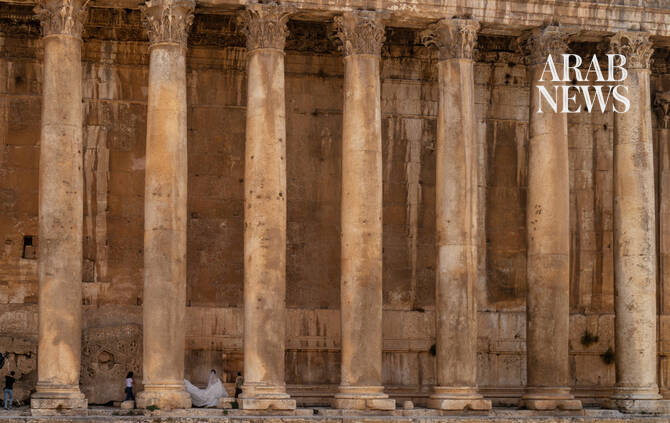
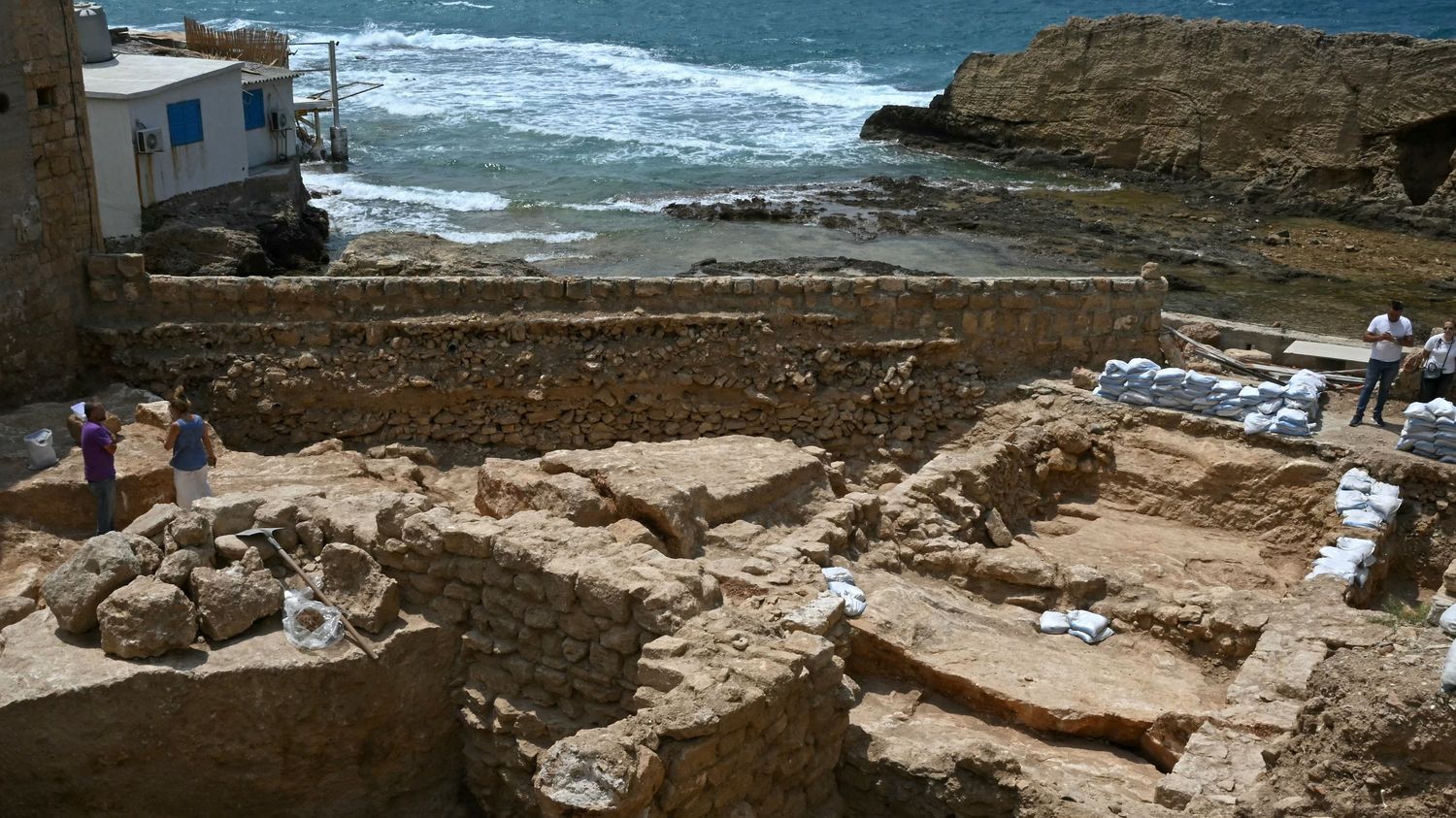
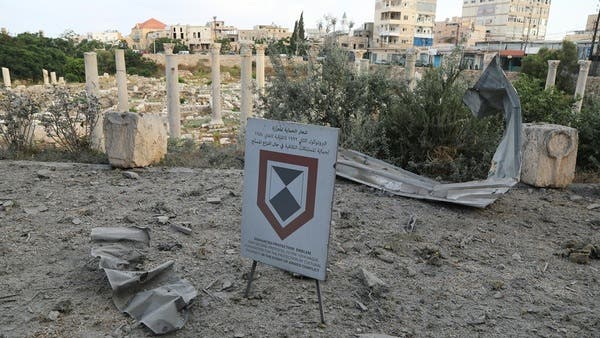
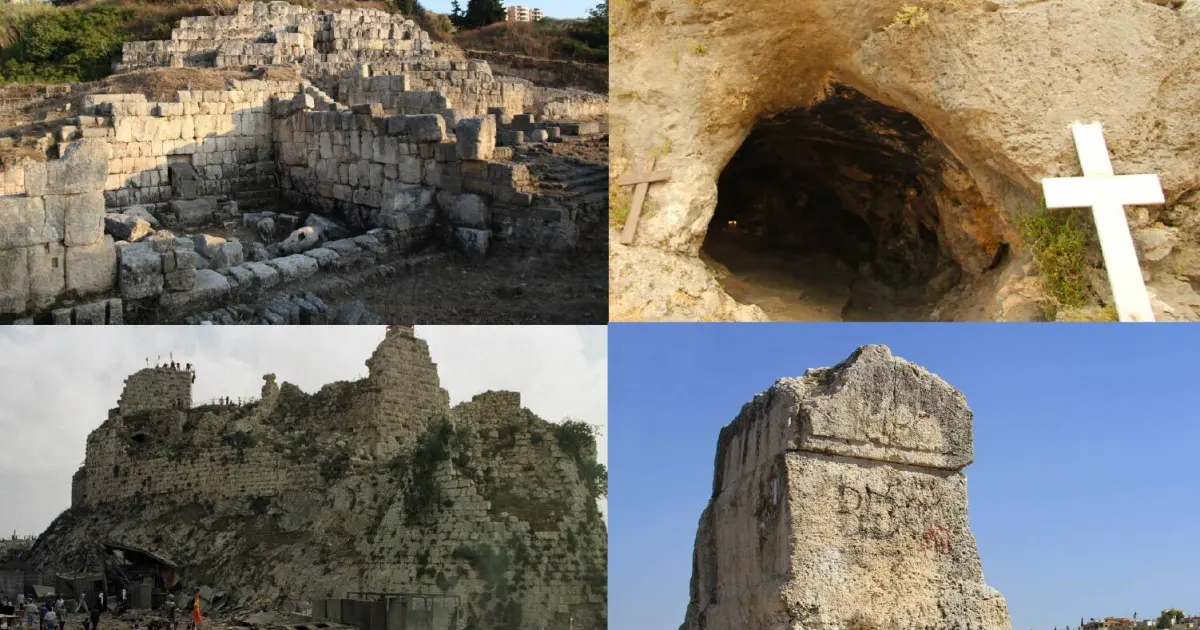
Important discoveries in recent years include the remains of columns and bases from a Roman temple in Maasser al-Shouf in the mountains southeast of Beirut, nestled next to a millennia-old cedar forest."A whole system was built around this temple," which dates to between the first century BC and the second century AD, said Myriam Ziade, regional antiquities official with the culture ministry.She said the site was turned into a Crusader fortress between the 12th and 13th centuries.The local municipality reported finding huge stone blocks on the hill in 2017, and excavations began five years later with a team from an Italian university, with the dig revealing the ruins of the large temple, she told AFP.Archaeologists are to soon resume work at the site, located "on a network of roads leading from the Mediterranean coast to the Bekaa valley" in the country's east, she said.The eastern city of Baalbek has one of Lebanon's best-known landmarks: a stunningly well-preserved Roman temple complex set against the mountainous border with Syria.Protecting heritageLebanon is brimming with archaeological finds showcasing its rich history over thousands of years, from the Phoenician, Persian, Roman and Byzantine periods, the Crusades, and Arab and Islamic sultanates and empires.After Iran-backed Hezbollah drew Lebanon into the Middle East war in March, triggering heavy Israeli airstrikes and a ground invasion in the south, the United Nations cultural agency UNESCO last month added several Lebanese sites to its World Heritage in Danger list.They include the southern coastal city of Tyre, home to a Roman triumphal arch and a second-century hippodrome.The list also includes five castles in south Lebanon's Jabal Amel area, among them the Crusader-era Beaufort fortress, which Israeli forces captured in May.Sarkis Khoury, head of antiquities at Lebanon's culture ministry, told AFP the war had forced archaeologists to switch tack.We are "now focused on protecting endangered heritage in southern Lebanon and in the Bekaa, particularly in the Baalbek region", he said."Excavations in dangerous areas have come to a halt, and archaeological missions are going through a period of minimal activity throughout Lebanon, especially in the southern regions." He said foreign archaeological teams had stopped going to Lebanon.Ancient port city