Randheer Singh, former Director, Electric Mobility and Clean Energy at NITI Aayog & Founder & CEO of ForeSee Advisors
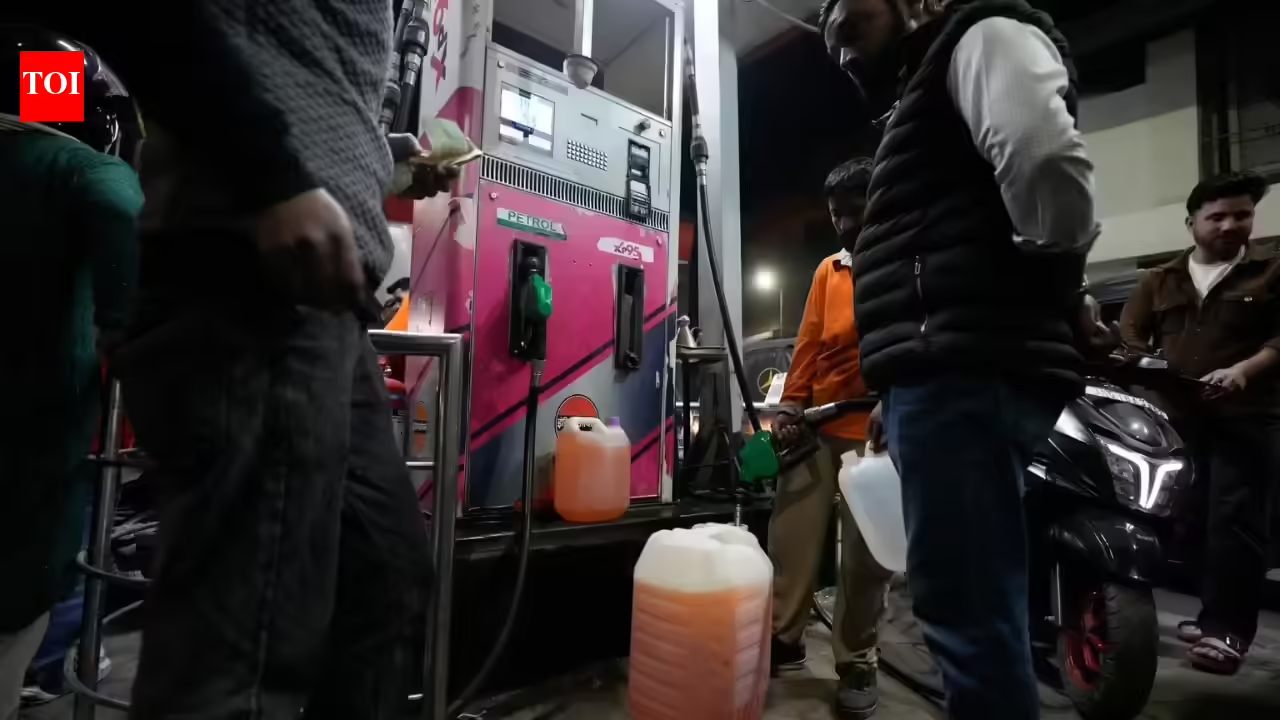
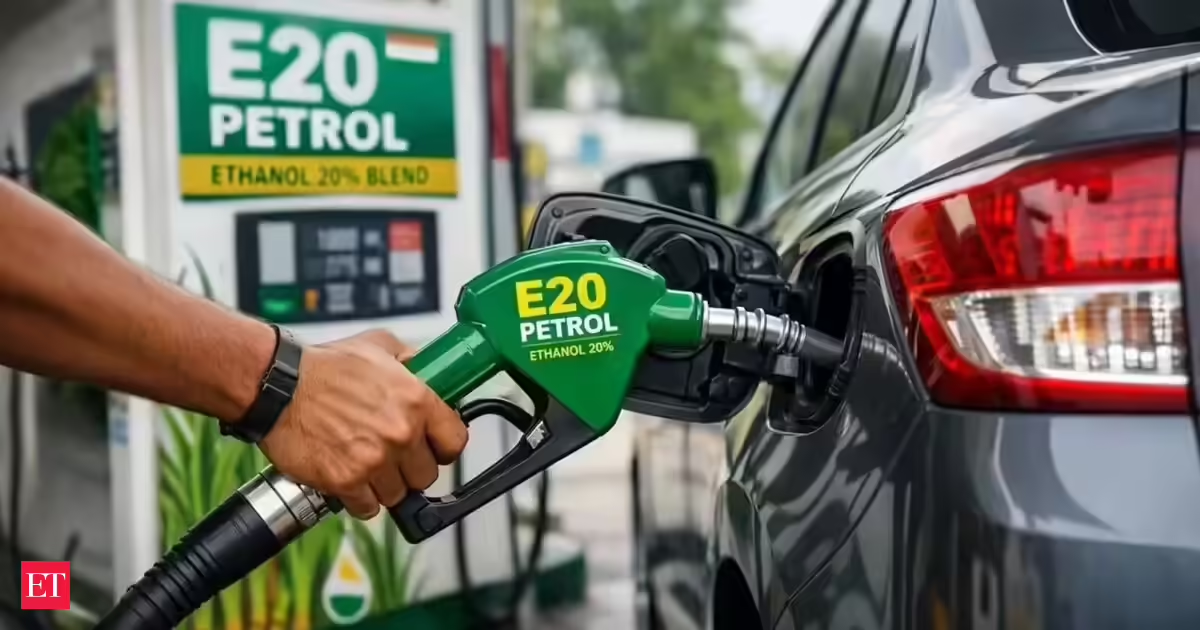
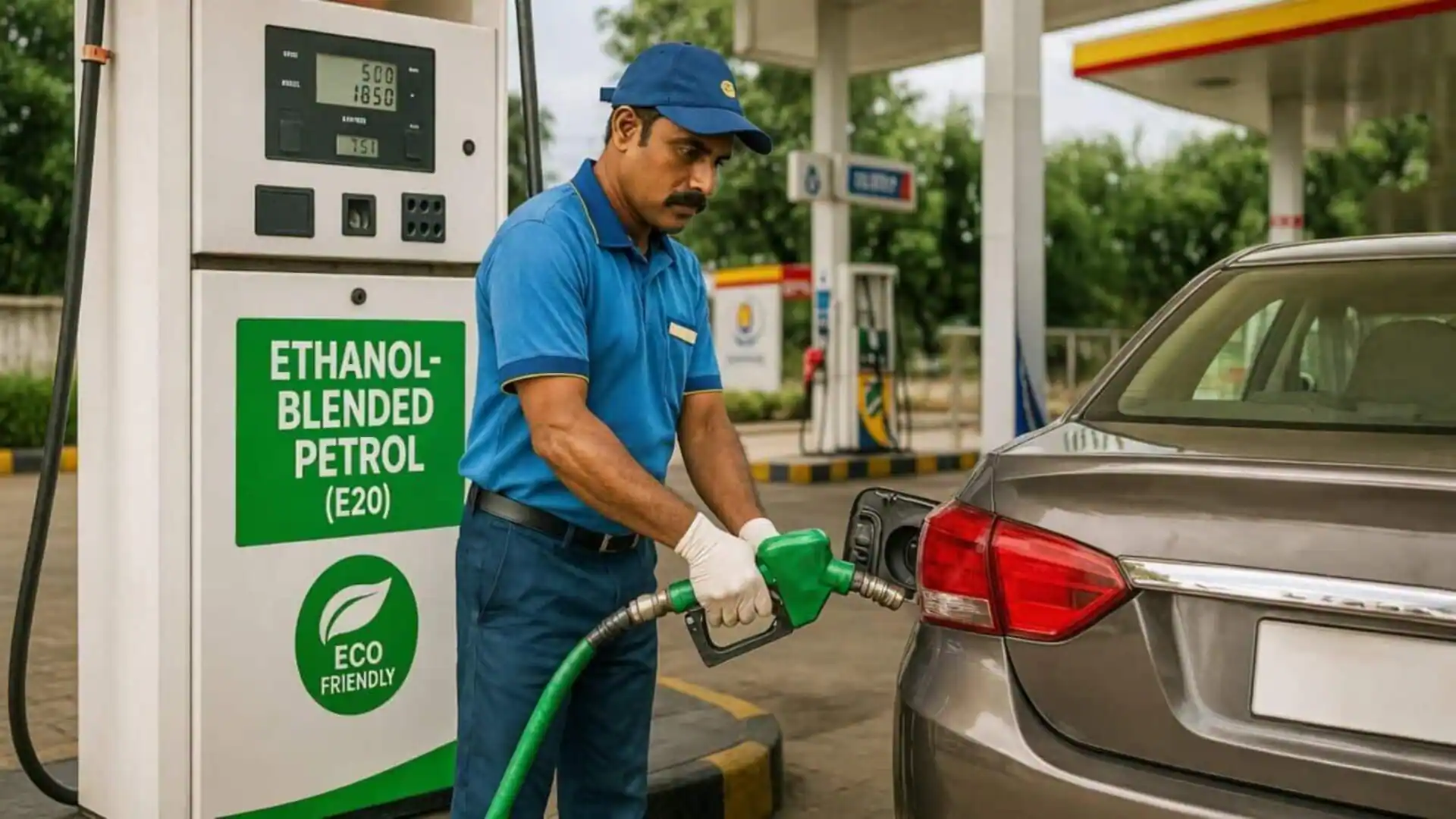
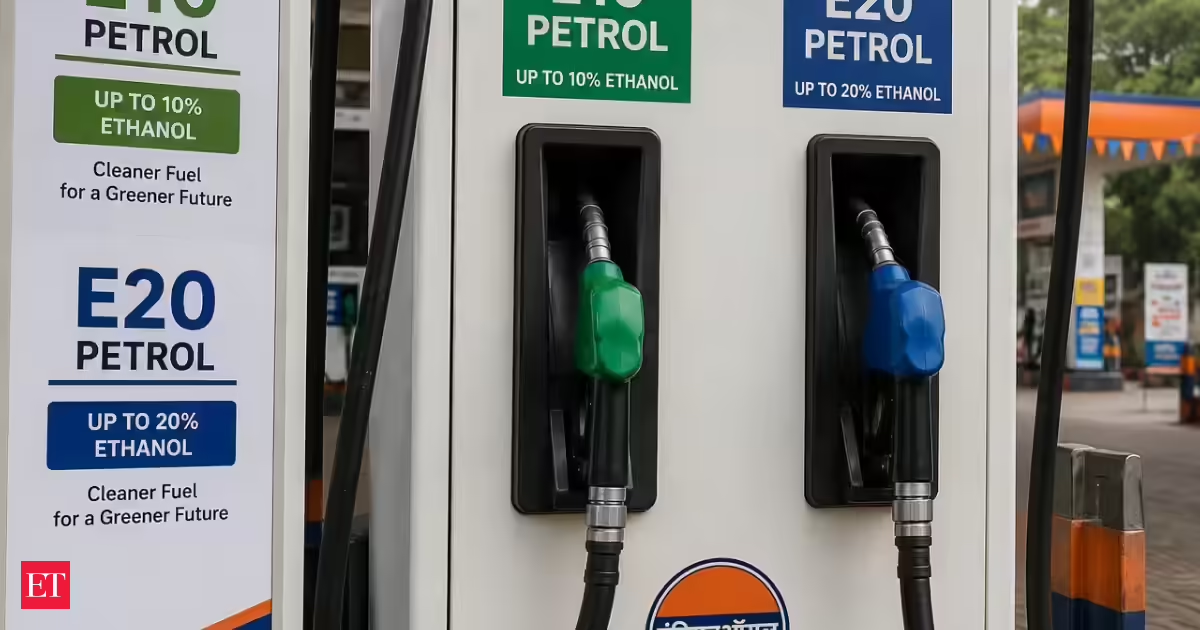
India moved too quickly in making E20 the only regular petrol-blend available nationally, according to Randheer Singh, former Director, Electric Mobility and Clean Energy at NITI Aayog. Close to 12 crore of its estimated 19 crore petrol vehicles—bought before E20-compliant models became the norm—have no easy lower-ethanol alternative, he pointed outIndia reached 20 per cent ethanol blending five years ahead of its original 2030 target, but the fuel transition has outpaced replacement of cars and two-wheelers that typically remain on the road for 10-15 years. Singh’s advice to owners caught in the transition is not to panic-sell an otherwise serviceable vehicle.“I think it is too early for all pumps to have only E20. This decision to have only E20 available at all the bunks is a bit premature,” Singh said during a bl.Conversations webinar hosted by businessline. But, for owners hoping lower-blend petrol will return, “I don’t think we will see E10 next to E20 anytime soon,” added Singh, who is also Founder & CEO of ForeSee Advisors.‘No easy way to E10’A parallel E10 supply has become a live policy question, particularly for an estimated 7.5-8 crore older two-wheelers. Maintaining separate refinery, depot, tanker and retail infrastructure for two petrol blends would, however, be difficult, Singh said.The transition also leaves unresolved who bears the cost if an older, out-of-warranty vehicle develops a fuel-system problem attributable to E20.Singh said there was no evidence of widespread engine failures. But absence of failures does not establish that every older model was designed, calibrated and material-certified for E20.‘Don’t distress-sell’Compatibility also does not mean optimisation. Singh estimated mileage loss at around 1-2 per cent for E20-optimised vehicles and about 5-6 per cent for compatible but non-optimised models, with some older vehicles potentially losing more.For owners driving roughly 20-40 km a day, that additional fuel expenditure may be too small to justify replacing a functioning vehicle. Higher-mileage users may have a stronger economic case to switch.Singh also does not expect E20 alone to cause a crash in used-vehicle values because millions of older vehicles will remain on the road. Age or fitness restrictions in some cities could pose a greater risk to residual values.When replacement time comesWhen replacement eventually becomes necessary, Singh said buyers should not abandon petrol merely because of E20.“Don’t buy an EV because you’re frightened of E20,” he said. Buyers whose usage favours petrol can choose a vehicle explicitly engineered and optimised for E20.For city users considering electric, however, Singh said EV total-cost economics increasingly make sense, while EVs also provide greater certainty against future changes in petrol-blending policy.BaaS lowers battery hurdleBattery-as-a-Service could lower another barrier. Singh said batteries account for roughly 30-35 per cent of an EV’s cost, while buyers remain uncertain about future battery health, replacement costs and technological change.Under BaaS, the battery is separated from the vehicle’s upfront purchase price and customers pay for its use, typically per kilometre. Singh cited the MG Windsor as the first successful business case for the model.Published on August 29, 2026