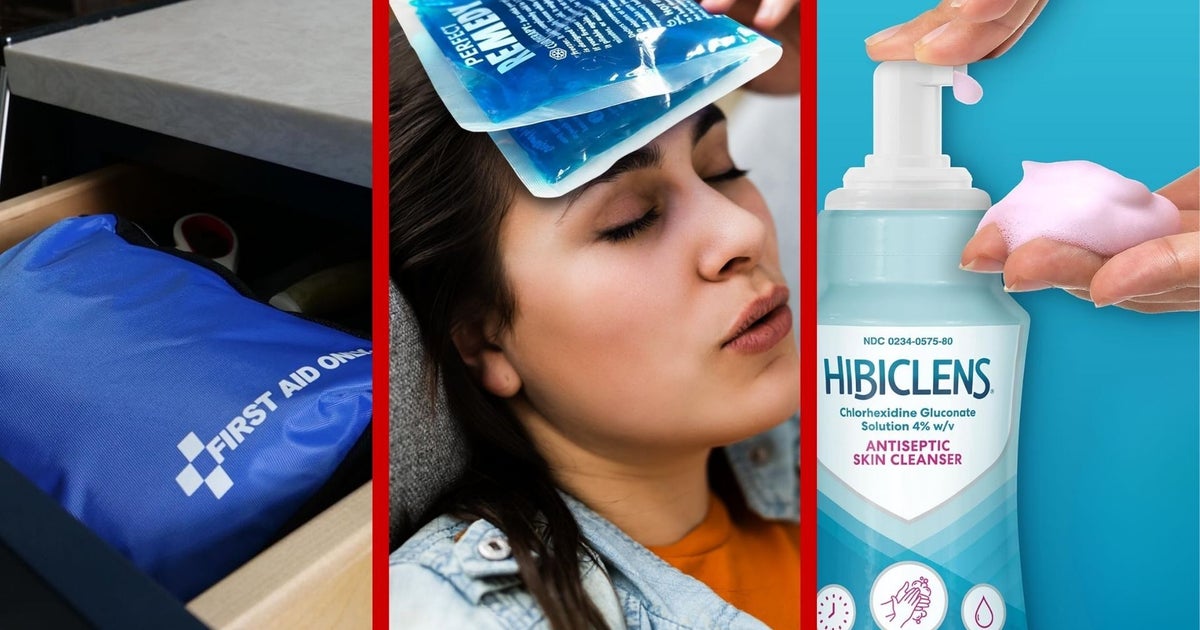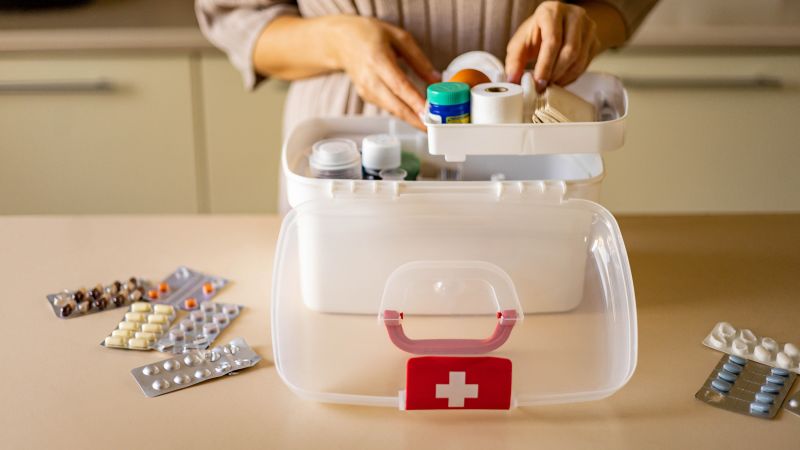
It’s 2 a.m. and your college student is miserable. (Parents, you’ll know this because they’ve texted you.) Their student health center is closed, the nearest 24-hour pharmacy is across town, and you don’t think this is serious enough to justify the expense of urgent care or an emergency room.
Maybe it’s a pounding headache, vomiting, a hacking cough or severe congestion. Your student wants relief now, and you’ll be happy they have a well-stocked first aid kit to provide it.
You don’t need to cram an entire pharmacy into it, but you do need helpful tools, common medications and emergency supplies, stored somewhere easily accessible. I’m a family physician who practiced urgent care in a university health center and a mom of college students, and here is what I recommend.
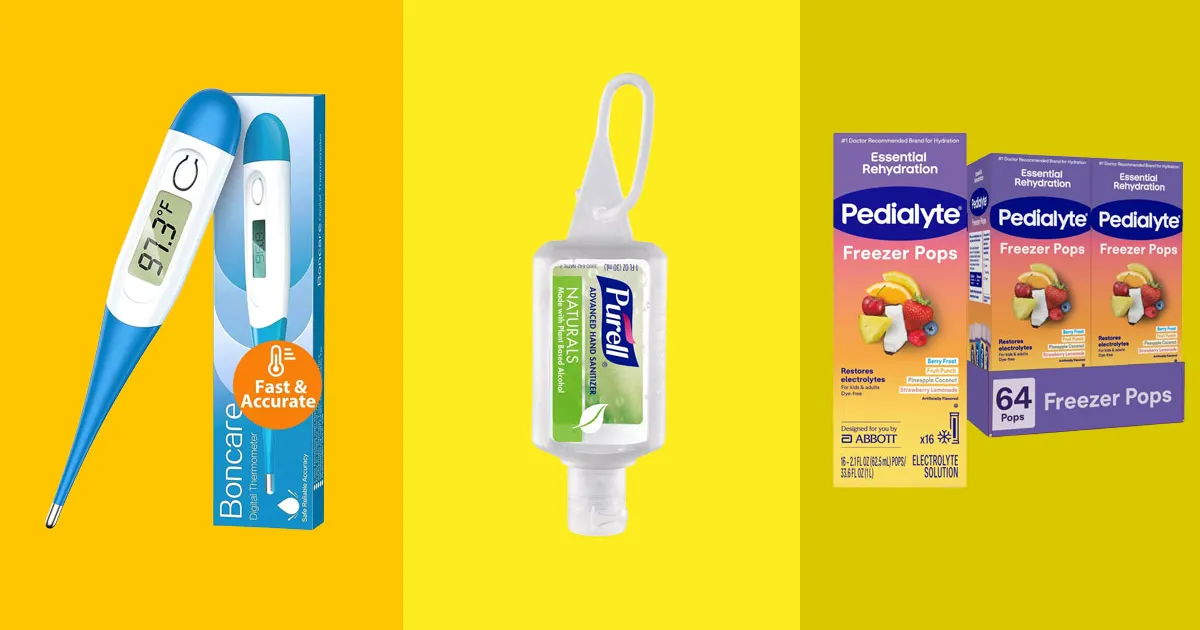
Start with an accurate digital thermometer. Campus health centers are busy, and being able to tell a triage nurse that your temp was 102.7 degrees (as opposed to saying, “I felt feverish,”) will help the nurse determine how urgently you need to be seen. Similarly, a pulse oximeter provides helpful blood oxygen levels if you’re dealing with a cough or shortness of breath. The more specific details and data points you can provide, the easier it is for the healthcare team to help you.