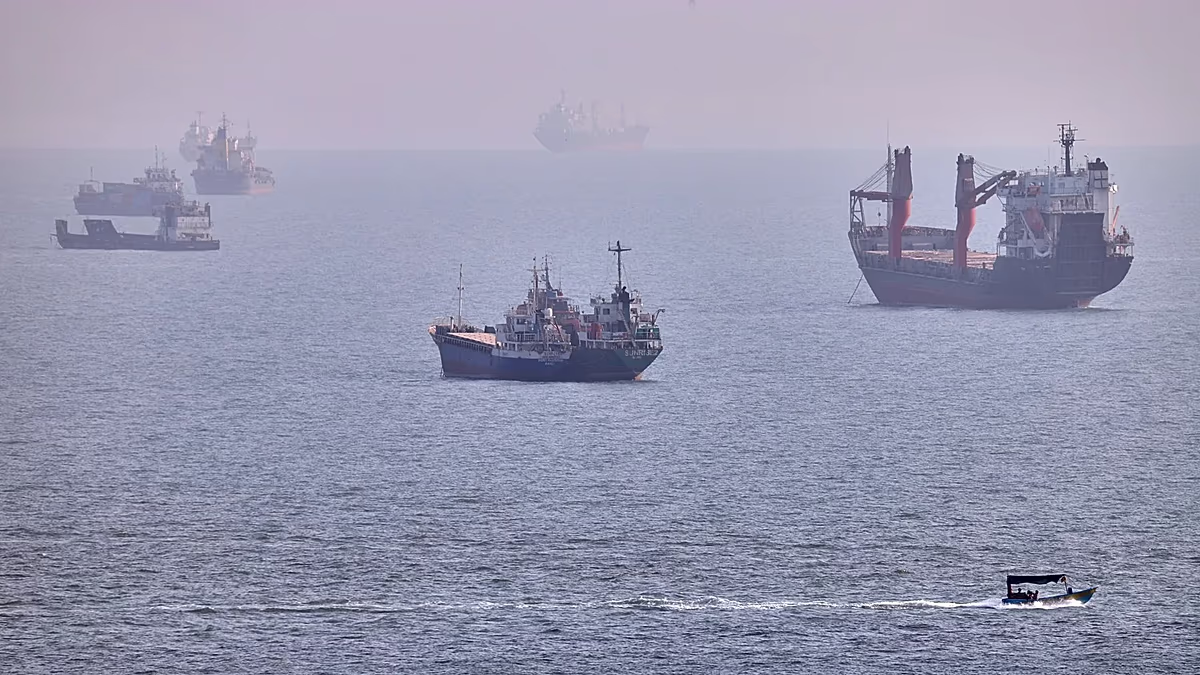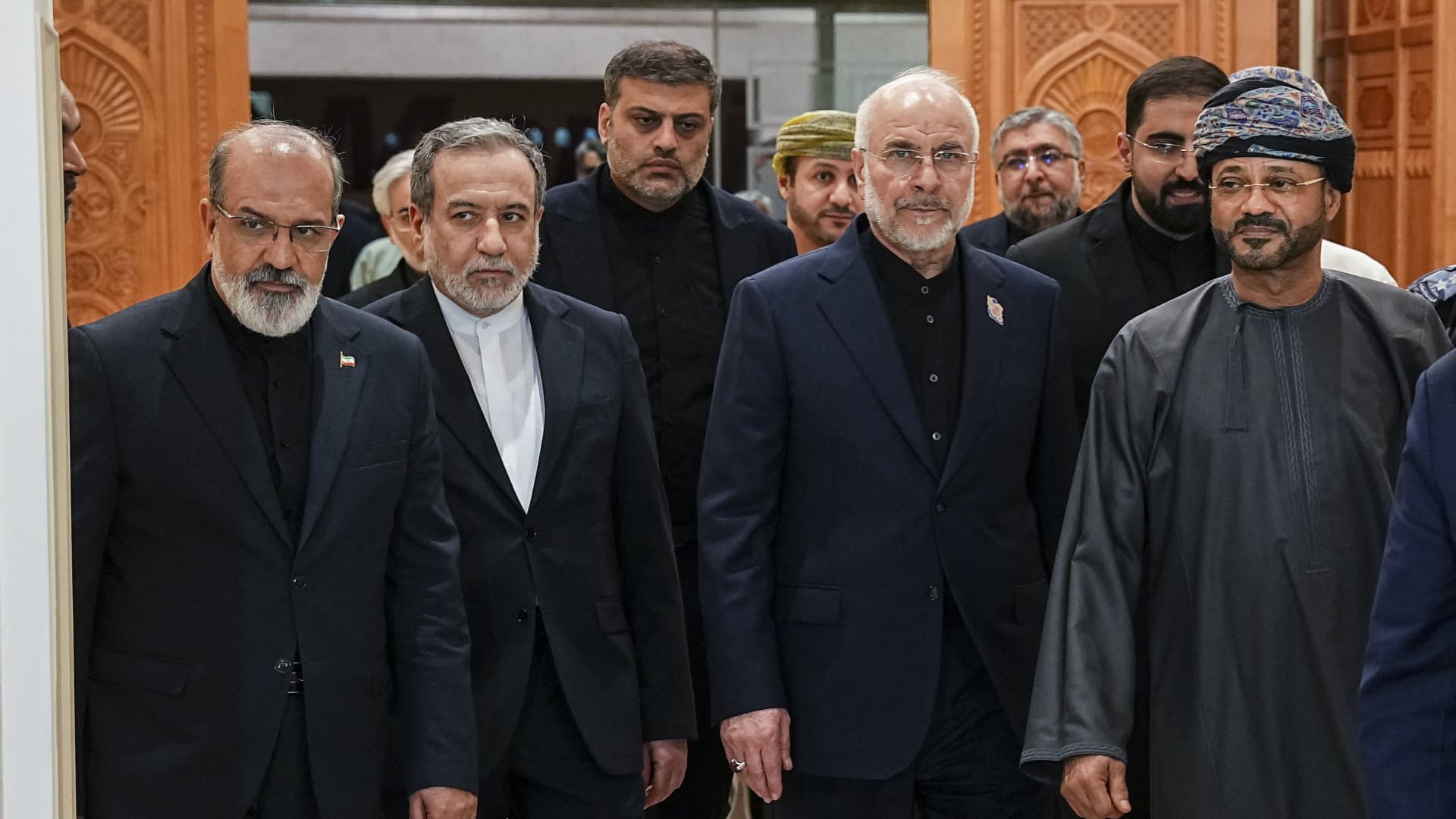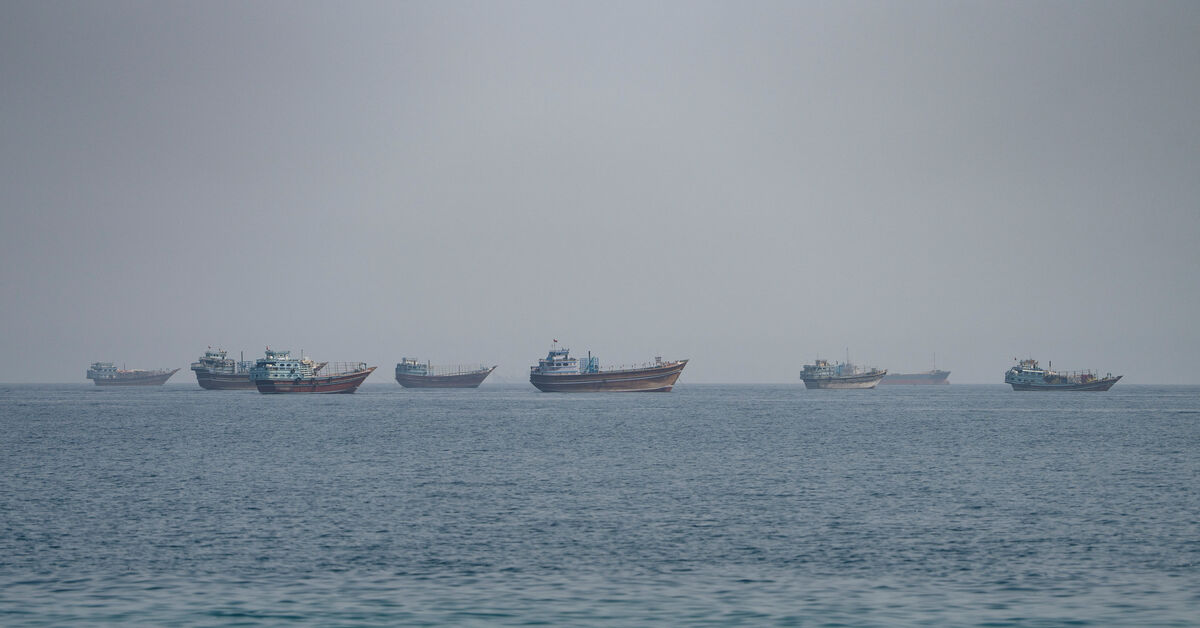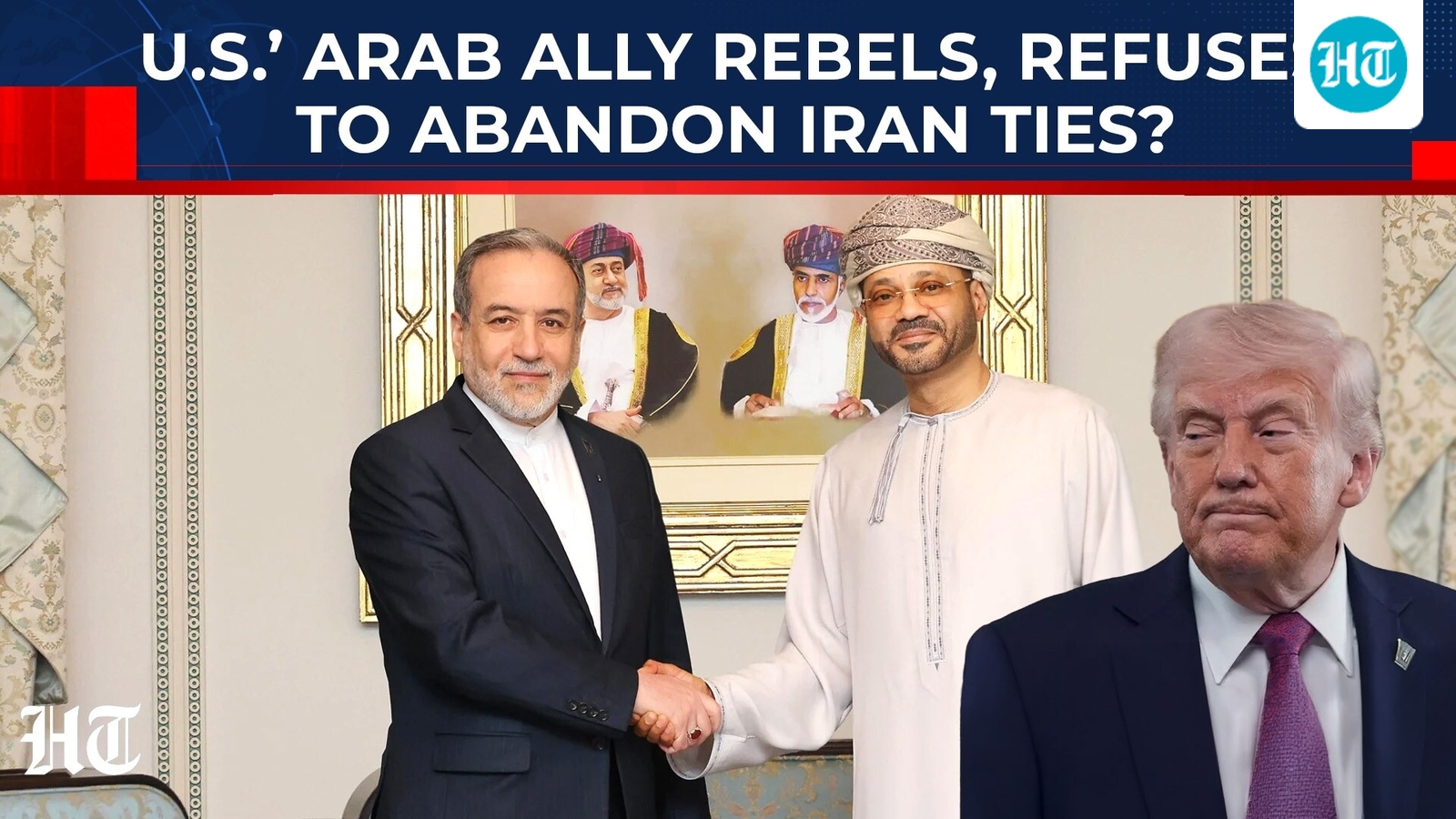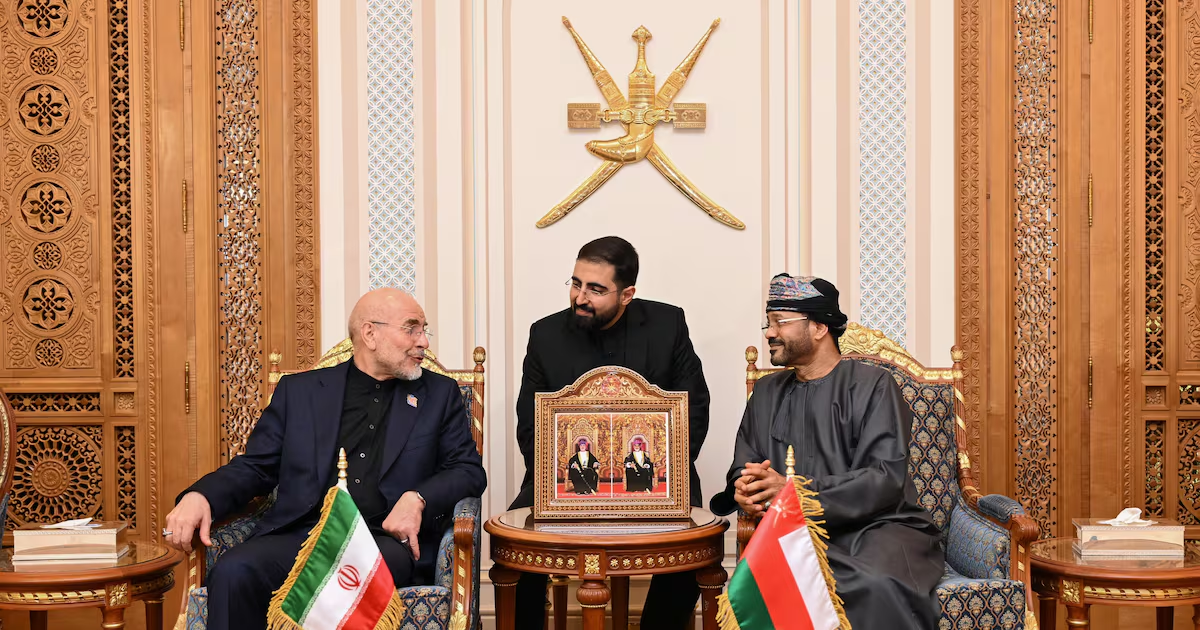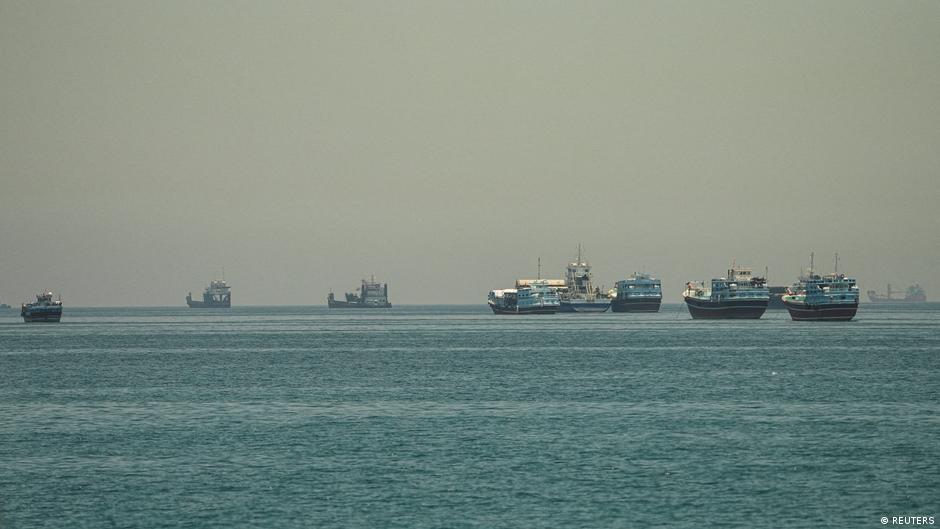
President Donald Trump threatened to bomb Oman if it “gets in the way” of American plans for the future of the Strait of Hormuz. Despite the threat, Iran and Oman announced that they are nearing an agreement to open and manage a single corridor through the strait. While this statement doesn’t address tolling, Muscat has previously signaled that it would accept a joint fee-collection mechanism with Iran. This stands in direct opposition to promises from Trump that Hormuz will be “open, safe, and free.”Operation Economic Outcast, the Trump administration’s campaign to cut off Tehran’s remaining financial lifelines, can offer an outlet for that frustration. Washington should tell Muscat that unless it ends its financial enabling of Iran and its proxies, Omani financial institutions will be disconnected from the U.S.-led financial system.Treasury Secretary Scott Bessent has described the foreign infrastructure sustaining Tehran in broad terms, including exchange houses, banks, shipping services, and entities supporting Iran’s aviation sector. Oman offers examples across each of these categories.
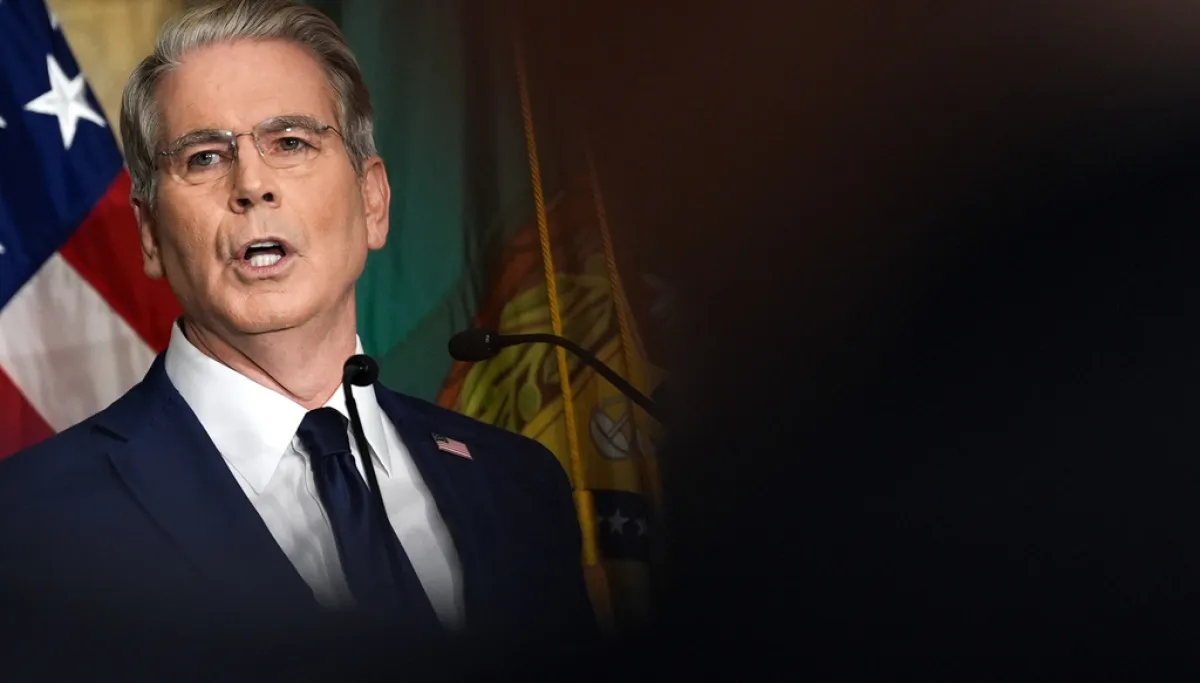
Oman’s utility to Iran is most evident in the commercial infrastructure that has enabled Iranian sanctions evasion for years. Since January, the Treasury Department has sanctioned three Oman-based companies for helping transport Iranian oil, arranging vessels on behalf of the Islamic Revolutionary Guard Corps, and processing payments tied to Iran’s proxies.These actions, however, appear to capture only a small part of Iran’s footprint in Oman. Open-source research identified several companies that openly advertise services facilitating Tehran’s commercial activity abroad. Some promote cargo routes between Iranian and Omani ports, while others market petroleum and petrochemical products to foreign buyers through their presence in Oman.Treasury Secretary Scott Bessent speaks at a news conference, Monday, Aug. 24, 2026, at the Treasury Department in Washington. (Julia Demaree Nikhinson/AP Photo)