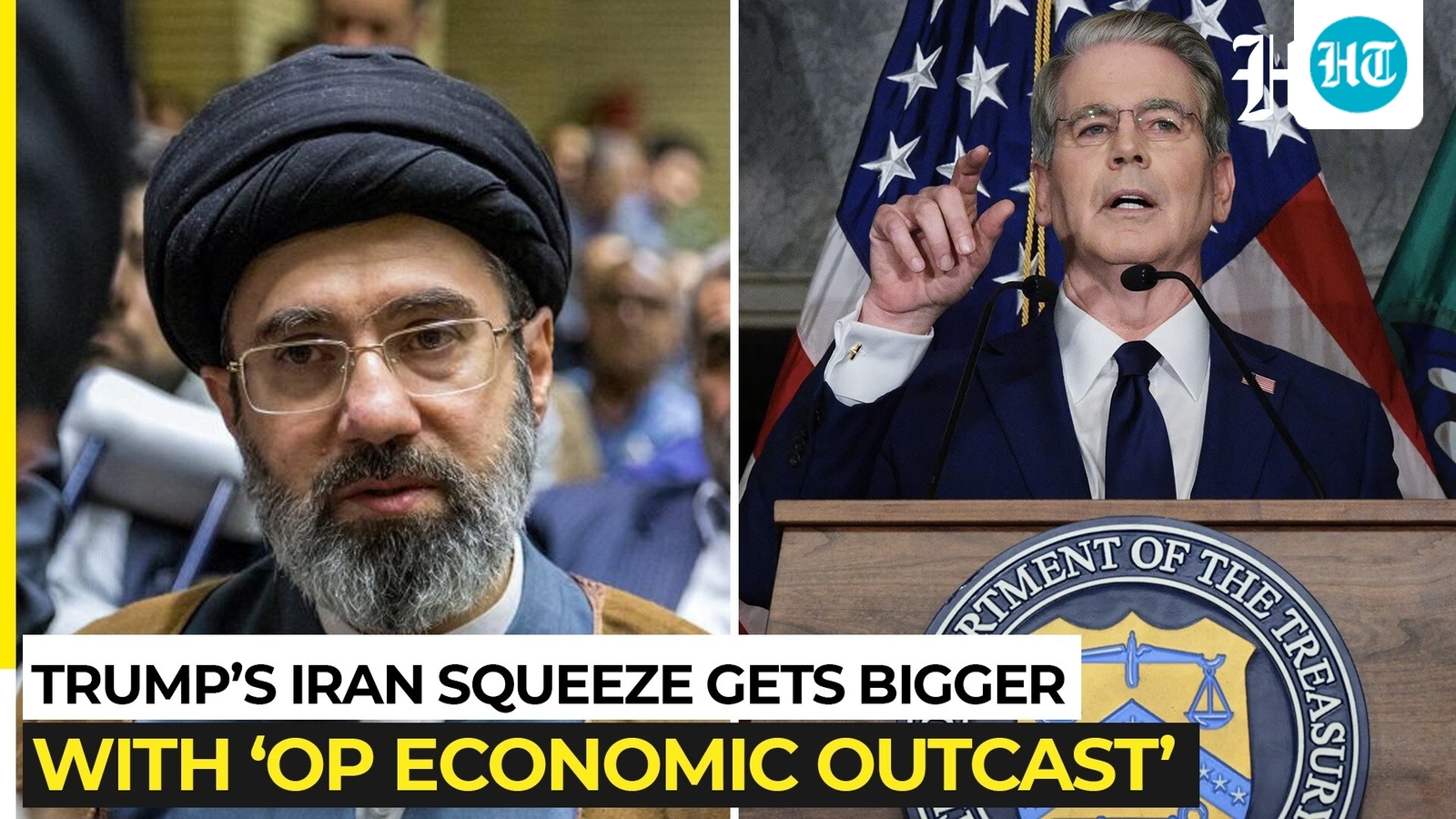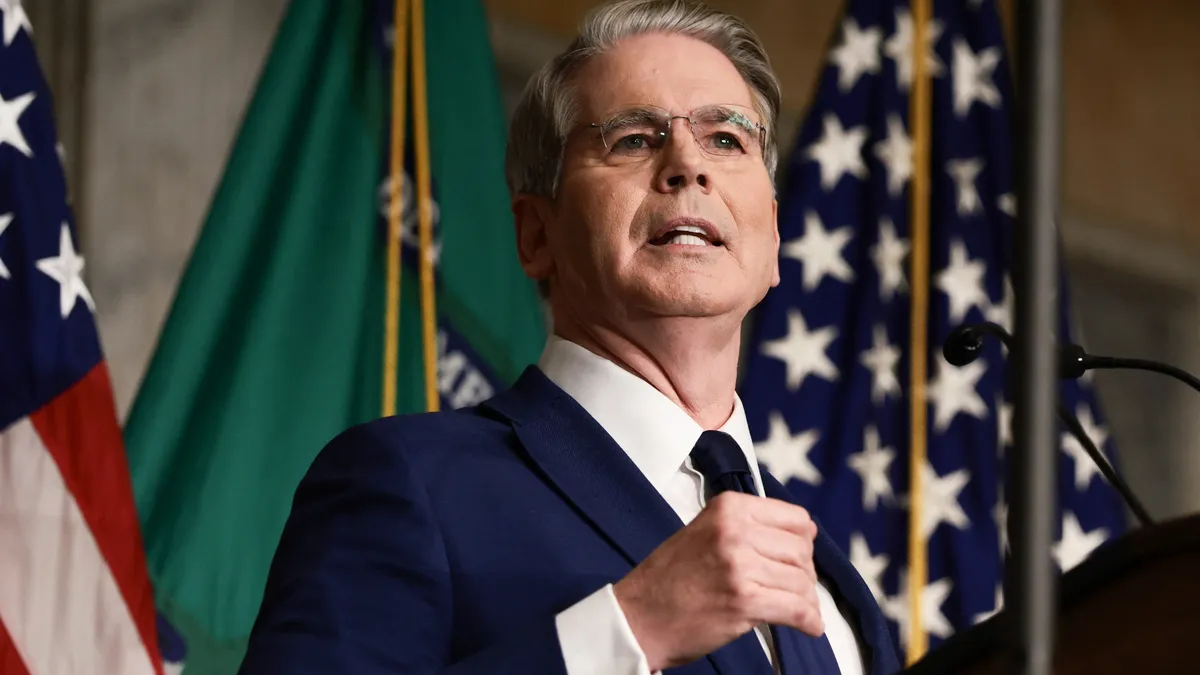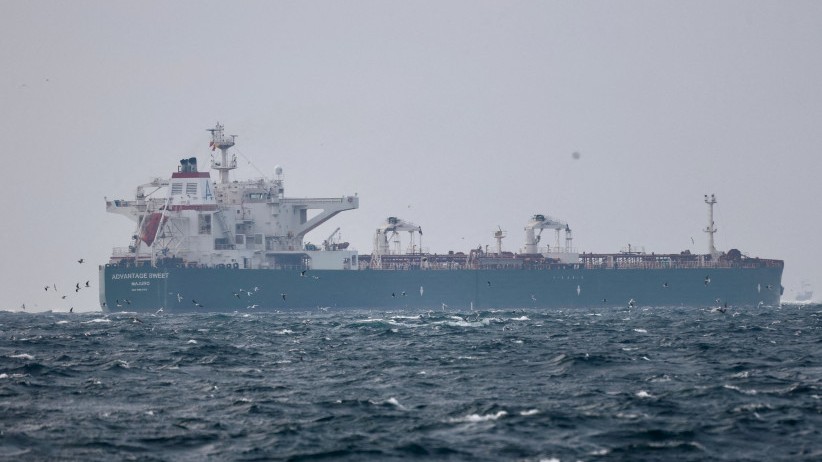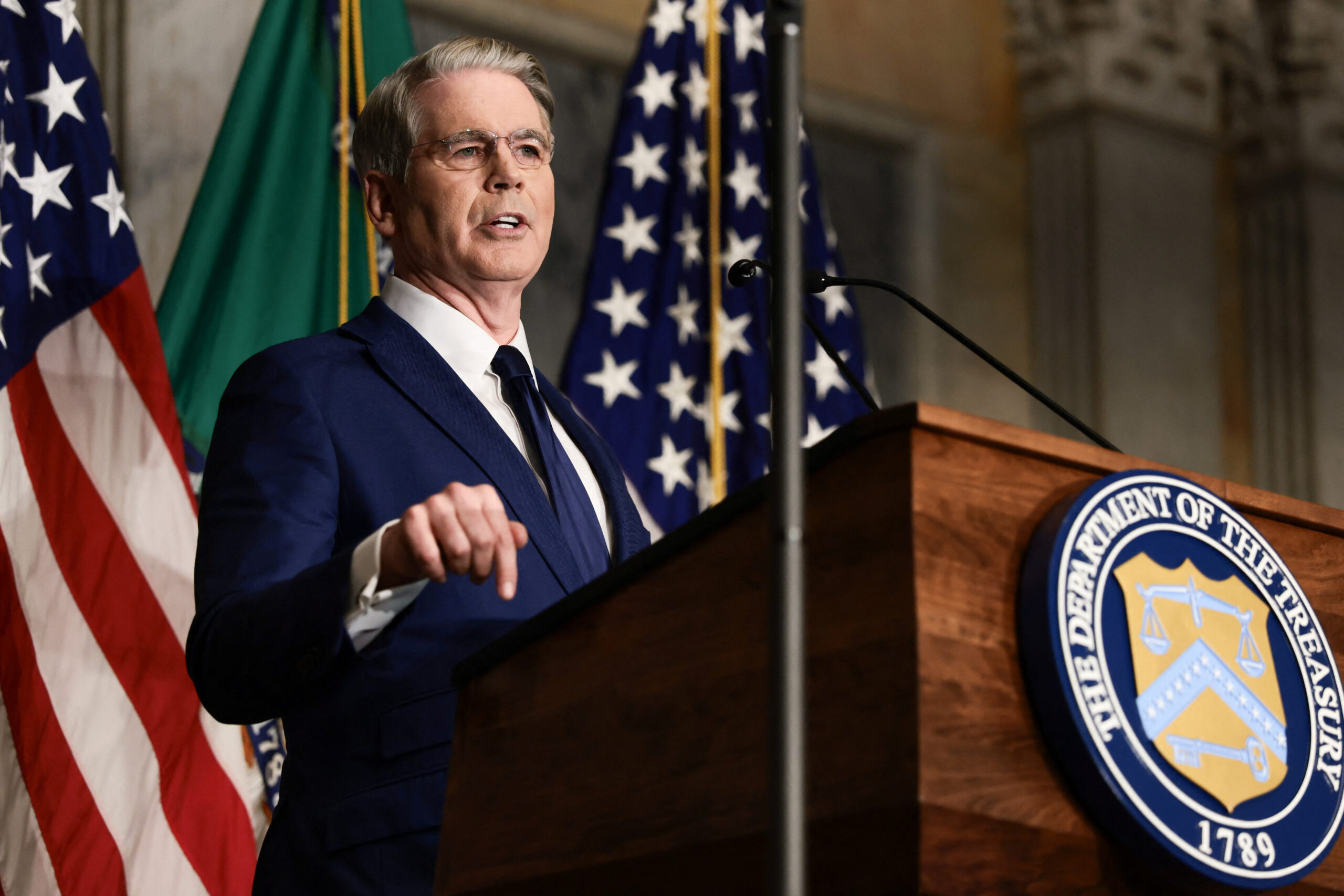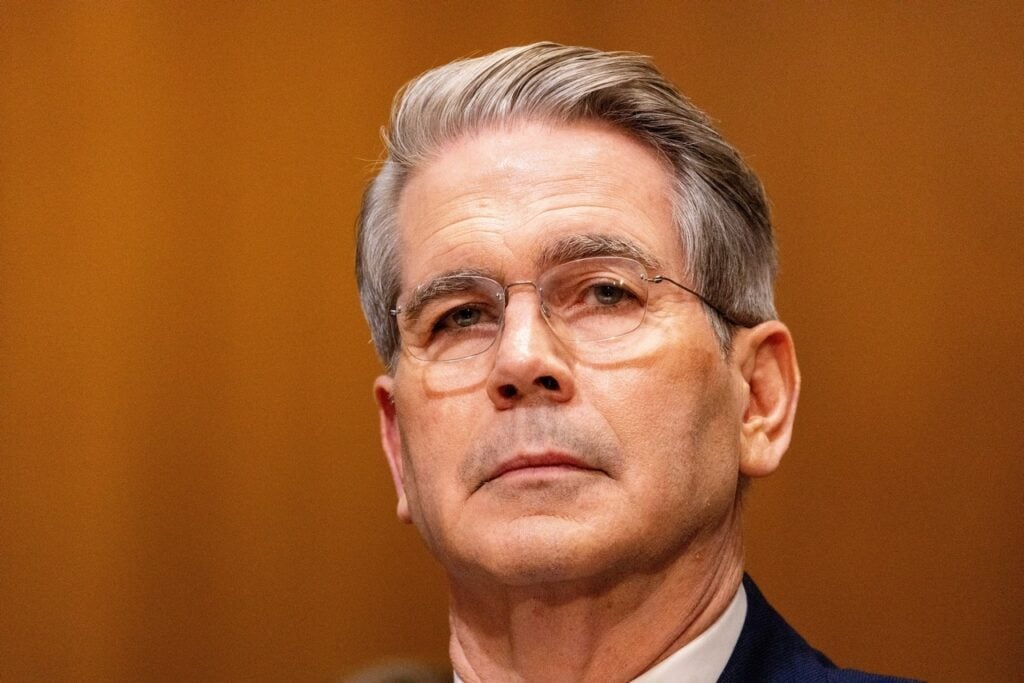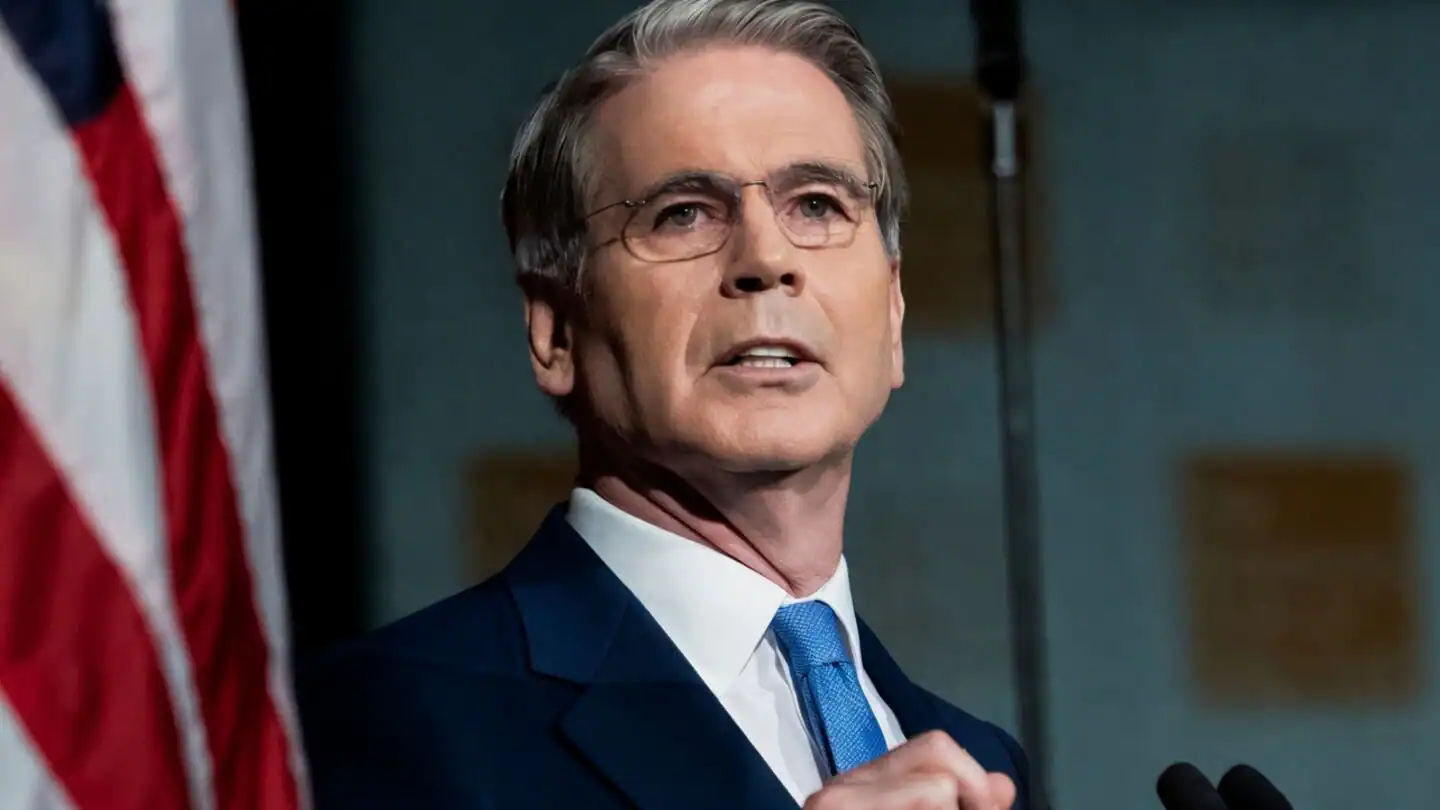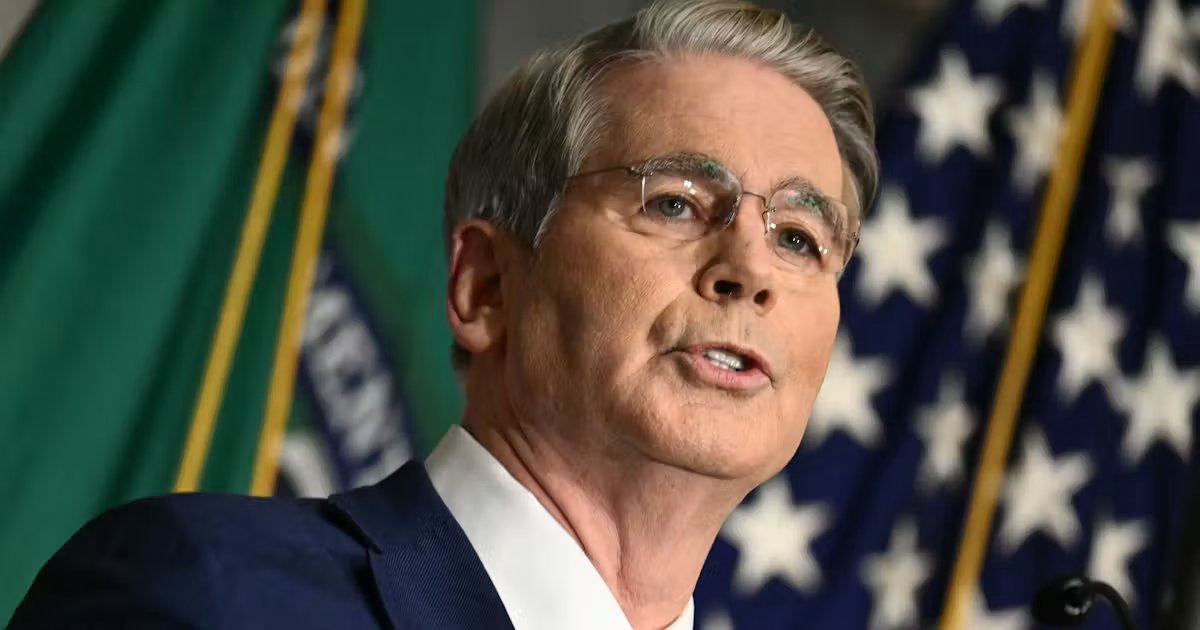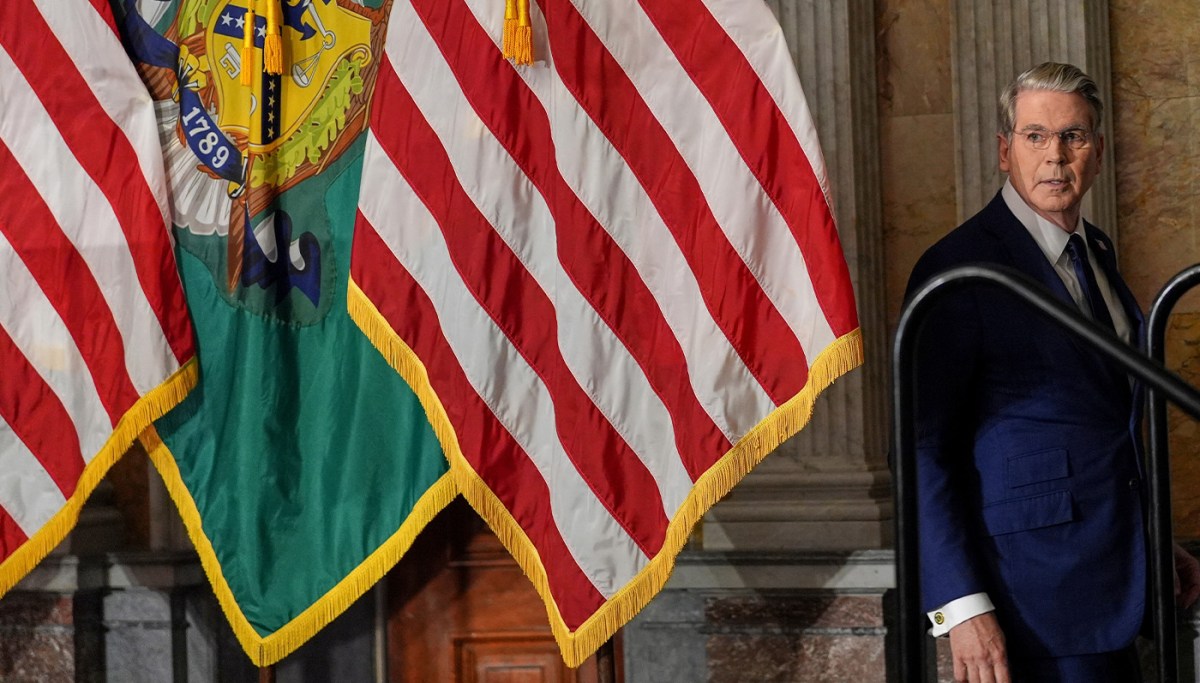
The Pentagon may have ceased its offensive in Iran for now, but the latest front in President Donald Trump’s war on the dictatorship is global. In what Treasury Secretary Scott Bessent has branded “economic D-Day” for Iran, the Treasury Department is launching a sweeping sanctions regime targeting not the long-ostracized regime, but rather the third parties who continue to trade with Tehran.The strategy sounds so obvious that observers may wonder why it hasn’t been done before. And indeed, the strategy of forcing our ostensible friends to unite and economically isolate American enemies is obvious enough that it’s clearly what the White House should have done from the start of its Liberation Day quest to renegotiate global trade. But the reason it may have taken so long for Bessent to finally take Iran’s trading partners to task is because of what a heavy ask Operation Economic Outcast will necessitate in practice, if taken as seriously as the Treasury promises.The top target of OEO is China. Before Operation Epic Fury, China was importing around 1.5 million barrels of oil per day from Iran, accounting for some 90% of the regime’s exports. Even with Iran’s supply chains forced overland, the Chinese Communist Party imported 823,000 bpd in July, according to Kpler, the data analytics platform. Bessent’s operation is taking a stake to the heart of China’s oil arbitrage, which uses the Iranian oil purchased at a massive discount to funnel it to Shandong’s teapot refineries.
Trump trusts Treasury to end the Iran war
The reason it may have taken so long for Bessent to take Iran's trading partners to task is what a heavy ask Operation Economic Outcast will necessitate.
865 words~4 min read