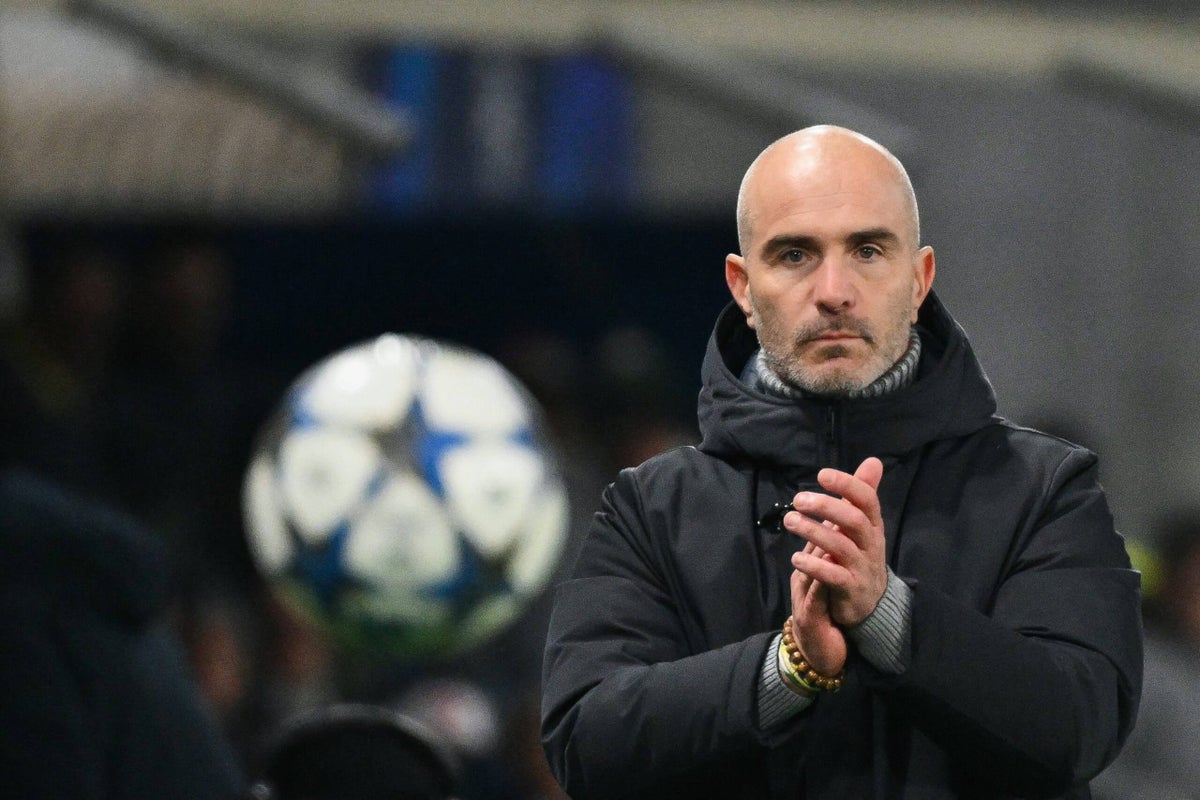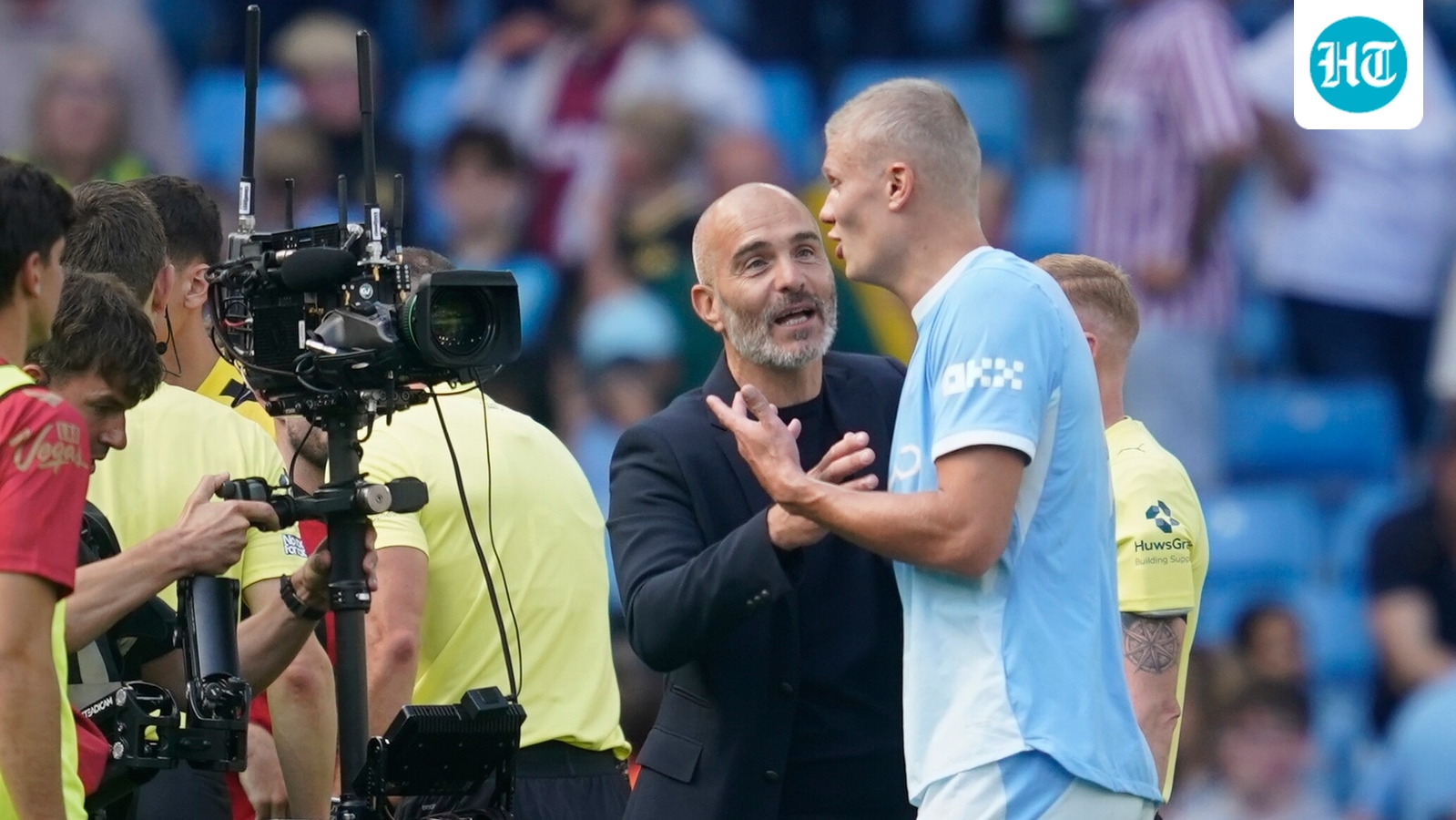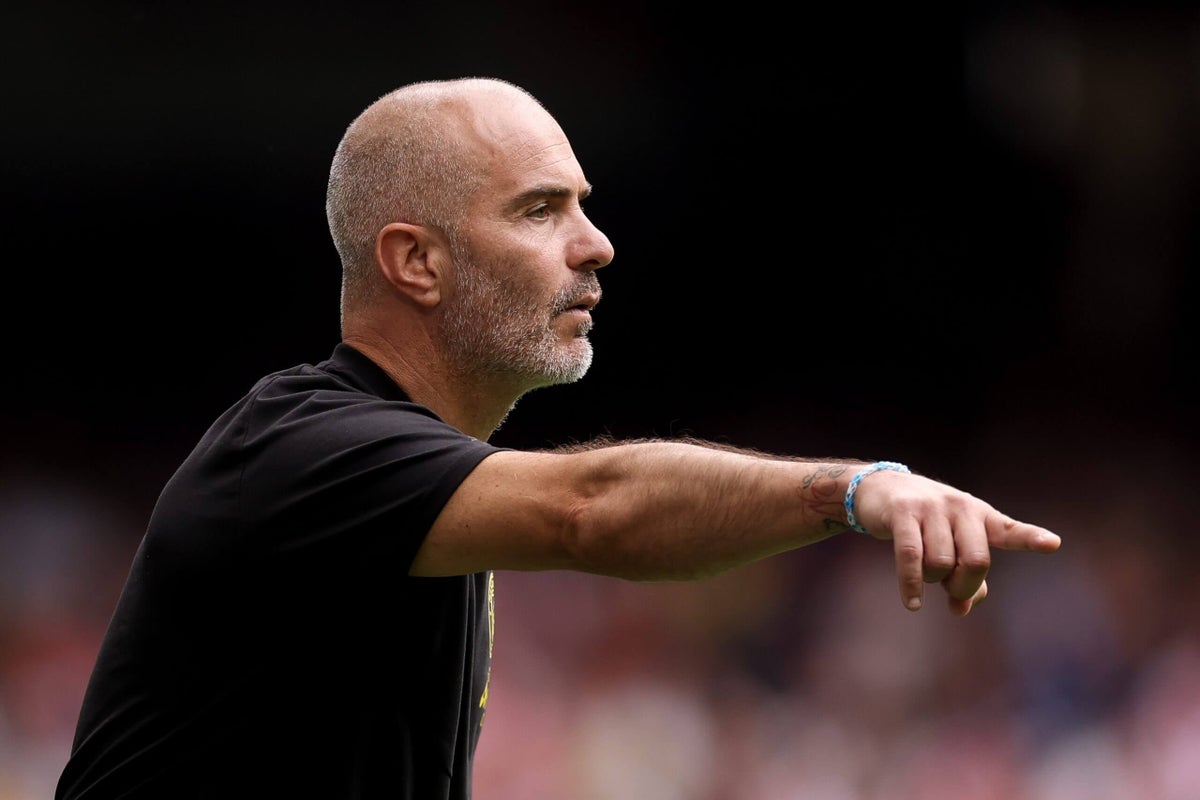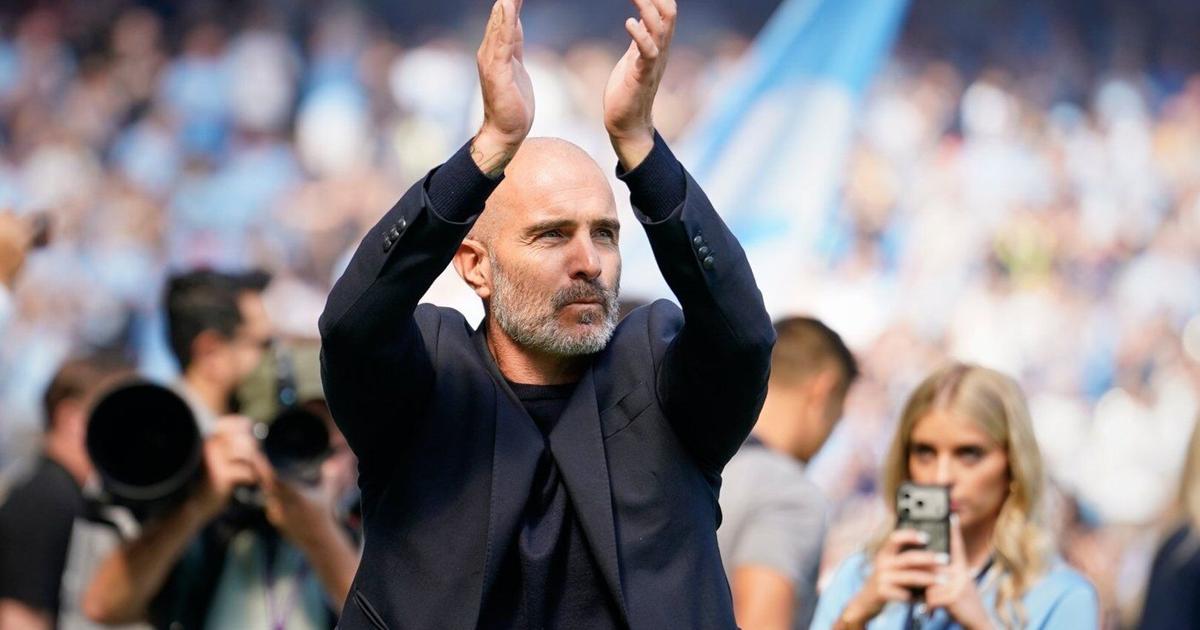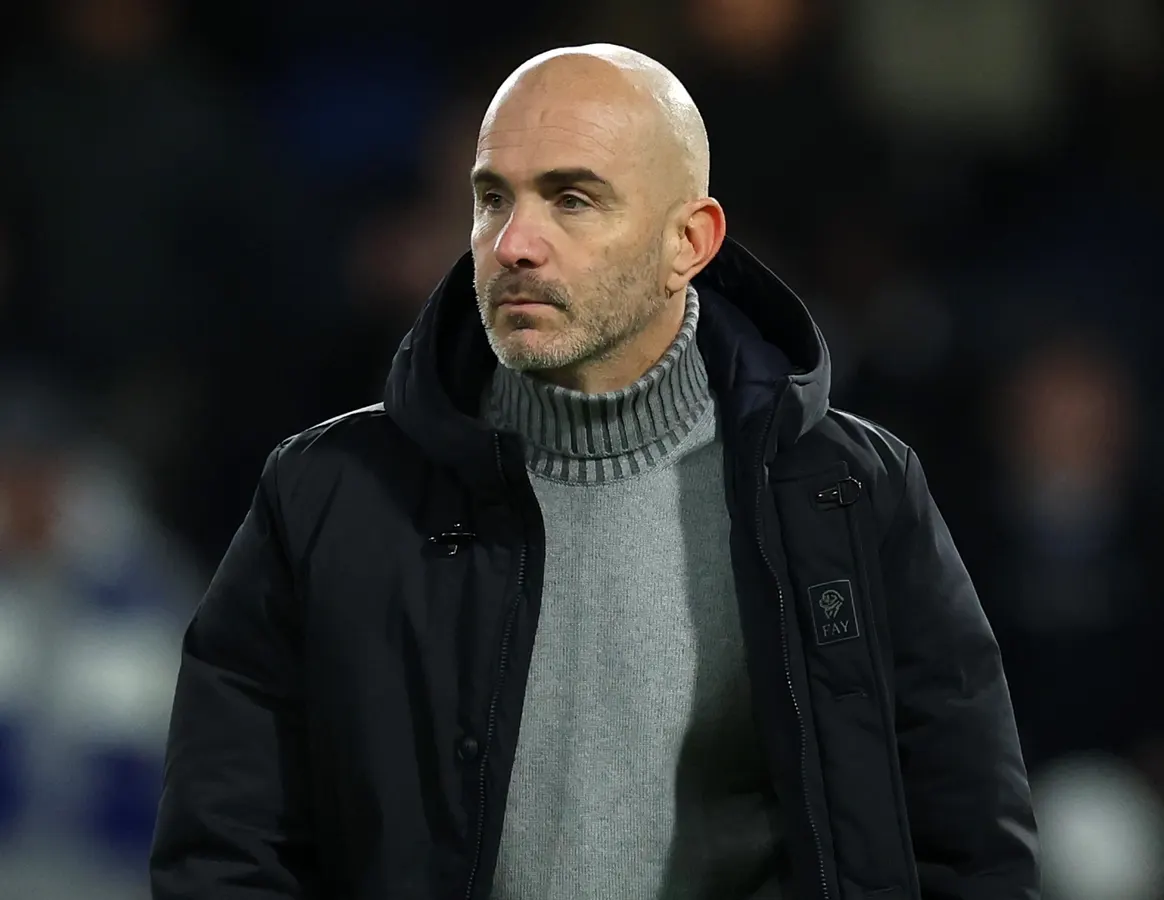
Surely the transition from Pep Guardiola, Rodri, Bernardo Silva et al cannot be as smooth as it appears to be so far for Manchester City?After a last-minute 2-1 victory against Bournemouth on the opening week and a 4-1 stroll away at Crystal Palace on Friday night, the Enzo Maresca era has got off to a flying start in the Premier League.City won their first six games in a row when Guardiola took charge in 2016 and, as we all marvelled at the brilliance of the Catalan and his team, he told us there was so much more to be done.It was hard to grasp at the time — how could it be better than six wins in a row? — but over the next few years it became strikingly apparent what he meant; that the level could, and did, get infinitely higher.The point is not that Maresca’s City will go the same way, necessarily, but that it should be easier to appreciate that the very start of a project can look nothing like what it is supposed to.One day, we will look back on this period and laugh about how little we knew, and possibly remember that one afternoon against Bournemouth when Marc Guehi played in midfield. That was an idea born out of necessity, the fact that City have sold so many players and have only just started to replace them; they are still in the market for three new players before the transfer window closes, and the state of their bench at Selhurst Park (which featured six players with zero Premier League starts) suggested that they should sign even more.And it is inevitable that there will be rough edges given all the changes — how could there not be?“For them it is not easy,” Maresca has said of his squad. “When you work with the same person every day then change, it changes everything. If I am an actor and I work with the same director, and we make movies for 10 years (and) suddenly the director changes, me as the actor I’m still thinking in the same way as I was with the previous director, but now the director is new so I need to adapt. It’s complicated, it’s not easy.“I’m saying it’s context. It’s not an excuse but it requires a little bit of time, but we need to compete as soon as possible.”If the 3-0 Community Shield defeat against Arsenal was City at their most ragged, undercooked worst, then the Premier League opener against Bournemouth was pleasantly raw. Sure, they got exposed a couple of times, looked directionless at others and struggled to play out from the back, but they did play through sometimes, create some good chances and get the victory they deserved.Enzo Maresca has made a promising start in the Premier League (Henry Nicholls/AFP via Getty Images)Maresca has a reputation as a possession-obsessed coach but the early signs are that his City team will be direct, that the wingers will spend the game dribbling and that matches will be end to end. Pre-season showed us that the wingers will cross for Erling Haaland, so it was no surprise to see Antoine Semenyo providing the Norwegian with his first goal of the season at Palace.The build-up these days seems to rely on certain set patterns, and the fear is that teams will be able to come up with plans to stop them. Ruben Dias was often in possession last weekend and he gave the ball away in dangerous areas plenty of times — is that a sign of things to come? It did not happen on Friday, though, and the general unease of Dias and Abdukodir Khusanov from the previous two games had disappeared.“Find another Rodri,” Maresca said last week when asked about losing the Ballon d’Or winner. Ayyoub Bouaddi seems most stylistically suited to that role but, at 18, City want to be careful with the new arrival. Instead, Maresca plans to use Elliot Anderson as the No 6. Even in his first two league games, his ability to put out fires all over the pitch has been evident, and there is clearly a lot more to come with how he uses the ball.Another fairly notable feature of City’s first two matches is that the left-hand side can be exposed because Maresca likes his left-back — so far Josko Gvardiol — to be high up the pitch, both on the ball and sometimes off it.On Friday, he was stationed in a No 10 position when City had the ball in the Palace half, and it is also his job, when the opposition are playing out from the back, to rush up the pitch and press the full-back.“There is something that they used to do before at Chelsea and Leicester,” the Croatian said recently of Maresca’s pressing. “It’s not too complicated but the problem is our habit is slightly different than what he wants from us, so it will take time. Every day we are working on it, and I think at the end of the day, it’s a good idea, and I think it’s going to work out.”It is considered demanding, but not problematic. The new ideas have been embraced, but they will take time to get right. Bournemouth’s goal, and a very good chance to go 2-0 up, came when Gvardiol was bypassed high up the pitch, City’s defence tightened into a narrow back three and were undone by balls to the back post.On Friday, Palace were able to break down the left-hand side and, when they could get past the impressive Guehi who was covering, put balls into the box that the strikers could not capitalise on.Will this be a problem against more clinical opposition? Will it be a problem at all, once the players get up to speed with what they are being asked, and new arrivals strengthen the team in all areas of the pitch?Manchester City players celebrate Rayan Cherki scoring their third goal against Palace (Richard Heathcote/Getty Images)“I think we are quite close,” Maresca said of that scenario on Friday. “Against Bournemouth, in terms of pressing, we recovered 76 per cent of the ball. That is a fantastic result — 76 per cent of the pressing we recovered the ball. Then it happened that once or twice you don’t recover it and you can concede, but it’s normal, it’s football.“But I think the players are understanding the way we want to defend, to press, and Josko the other day off the ball was very good and on the ball he scored the second goal, so it was good.”There does seem to be buy-in from the players. Rayan Cherki says that Maresca threatened to take him off at half time against Palace, only for the Frenchman to ask him for the opportunity to put things right. He then scored two fine goals to settle the game.“Especially I like the sacrifice or the desire off the ball,” Maresca said of his team’s efforts in London. “Because if we are able to match the intensity, the desire of different opponents, I think with the quality we have, we can do something important.”By ‘important’ he will be meaning trophies, and it is striking how quickly that kind of talk has crept on the agenda. It is far too early for all of that, but the Maresca era is taking shape.
How the Enzo Maresca era is taking shape at Manchester City
Two Premier League games played, two wins. There will be much sterner tests to come but the early signs are encouraging
1,228 words~6 min read