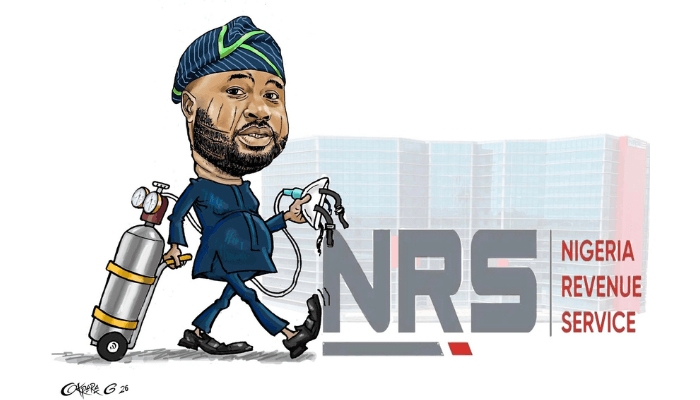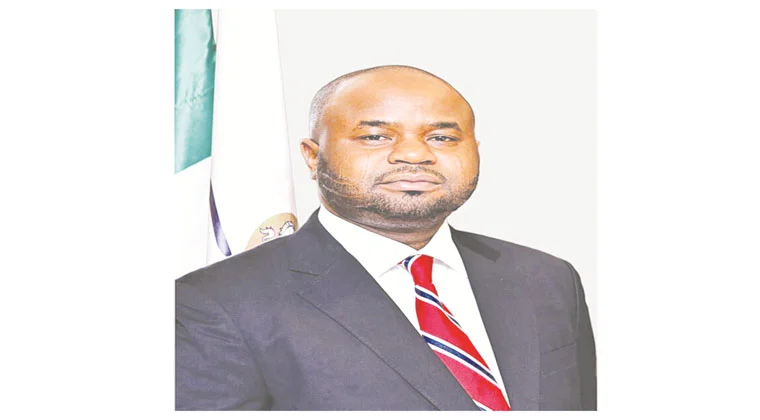
By introducing digital systems, e-invoicing, unified taxpayer identification, standardised procedures and wider participation, the Nigeria Revenue Service under Zacch Adedeji, is building a tax system that is easier to comply with, difficult to evade and better suited to a modern economy, writes Dike Onwuamaeze
Nigeria’s tax system has undergone one of its most significant transformations in decades. Under the leadership of the Executive Chairman of the Nigeria Revenue Service (NRS), Dr. Zacch Adedeji, the reform agenda seeks to move tax administration away from a predominantly manual, fragmented and compliance-heavy system towards one that is increasingly digital, integrated, data-driven, transparent and easier to navigate.
However, the reform is not merely about collecting more taxes. It is about changing the way government administers revenue. The Nigeria Tax Administration Act, 2025, which commenced on January 1, 2026, sets out uniform procedures intended to facilitate tax compliance and optimise revenue.
The broader reform programme was also designed to widen participation in the tax system, reduce leakages, improve information-sharing, standardise procedures and strengthen Nigeria’s non-oil revenue base.