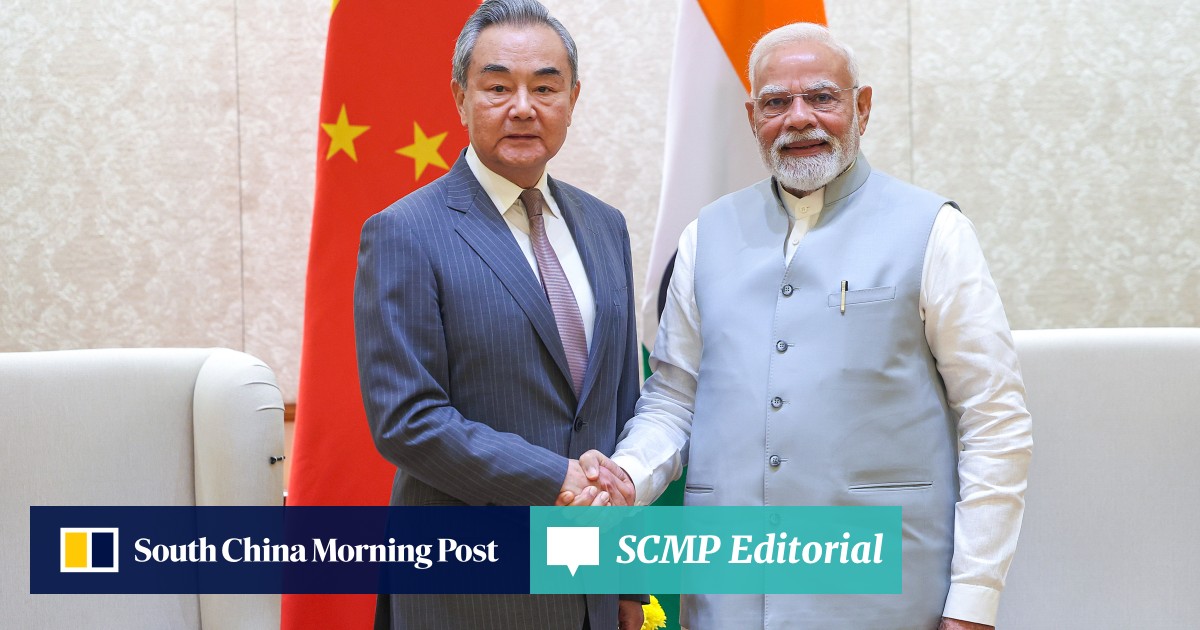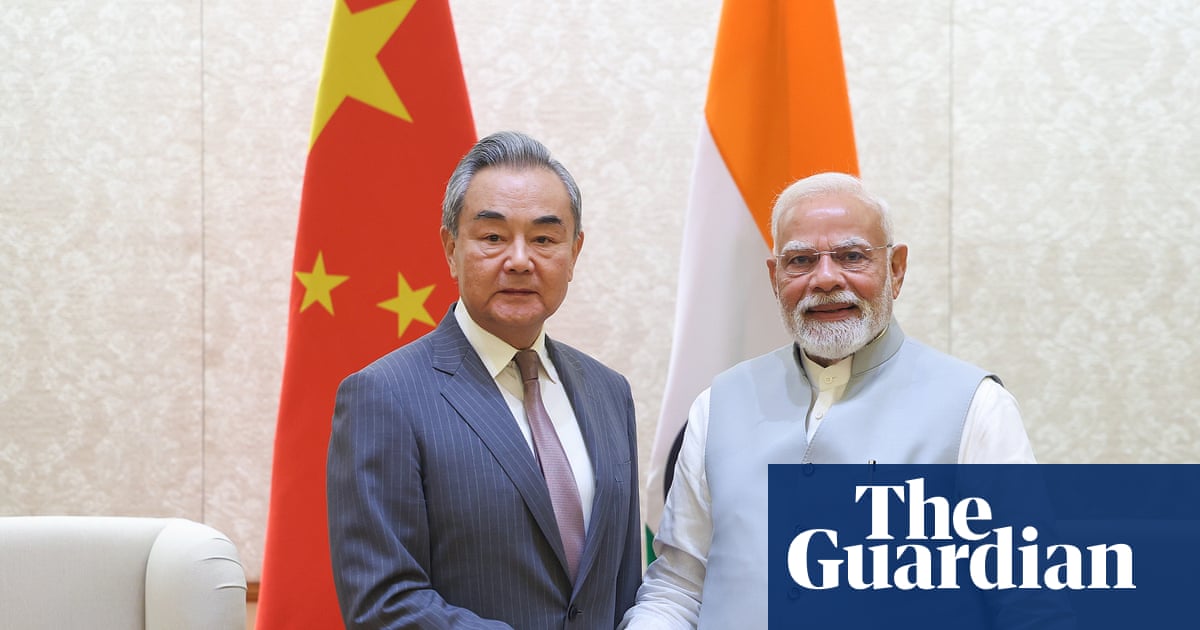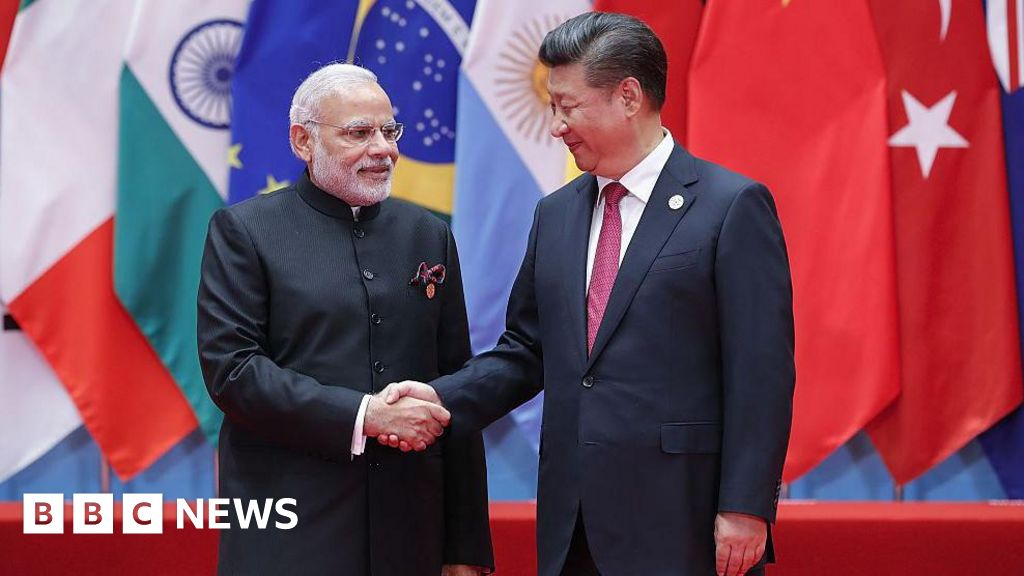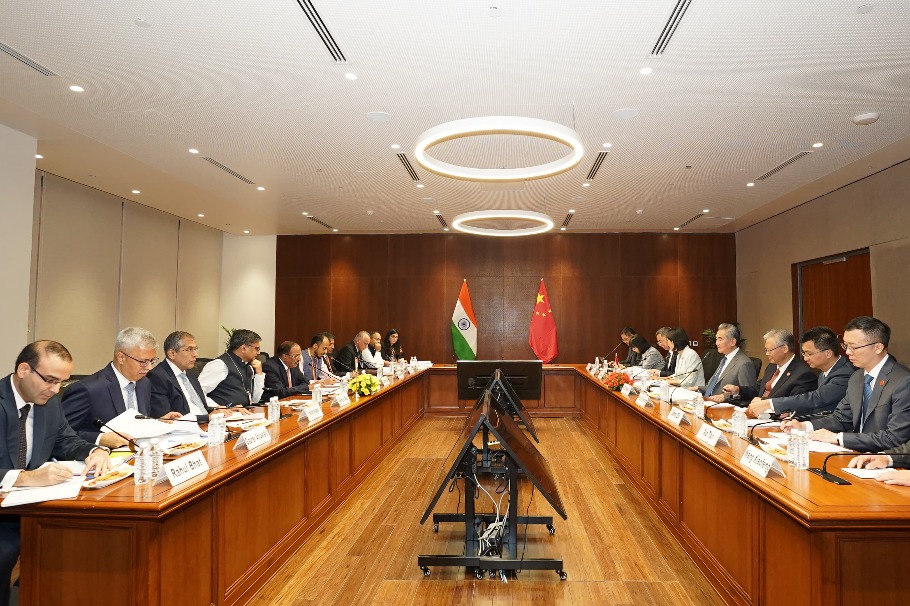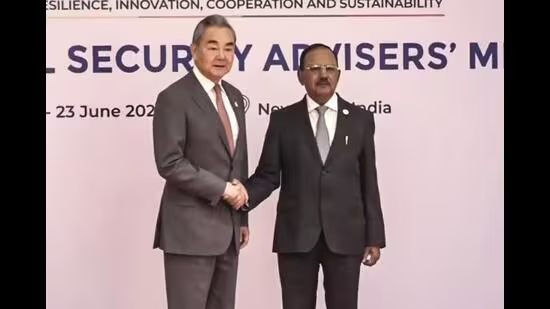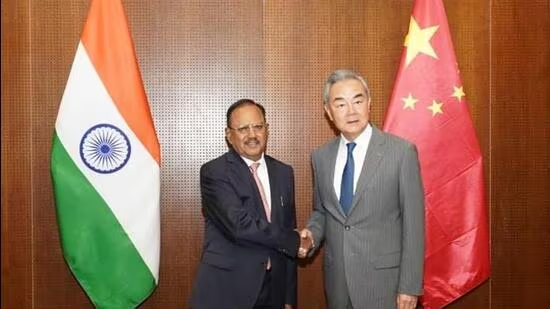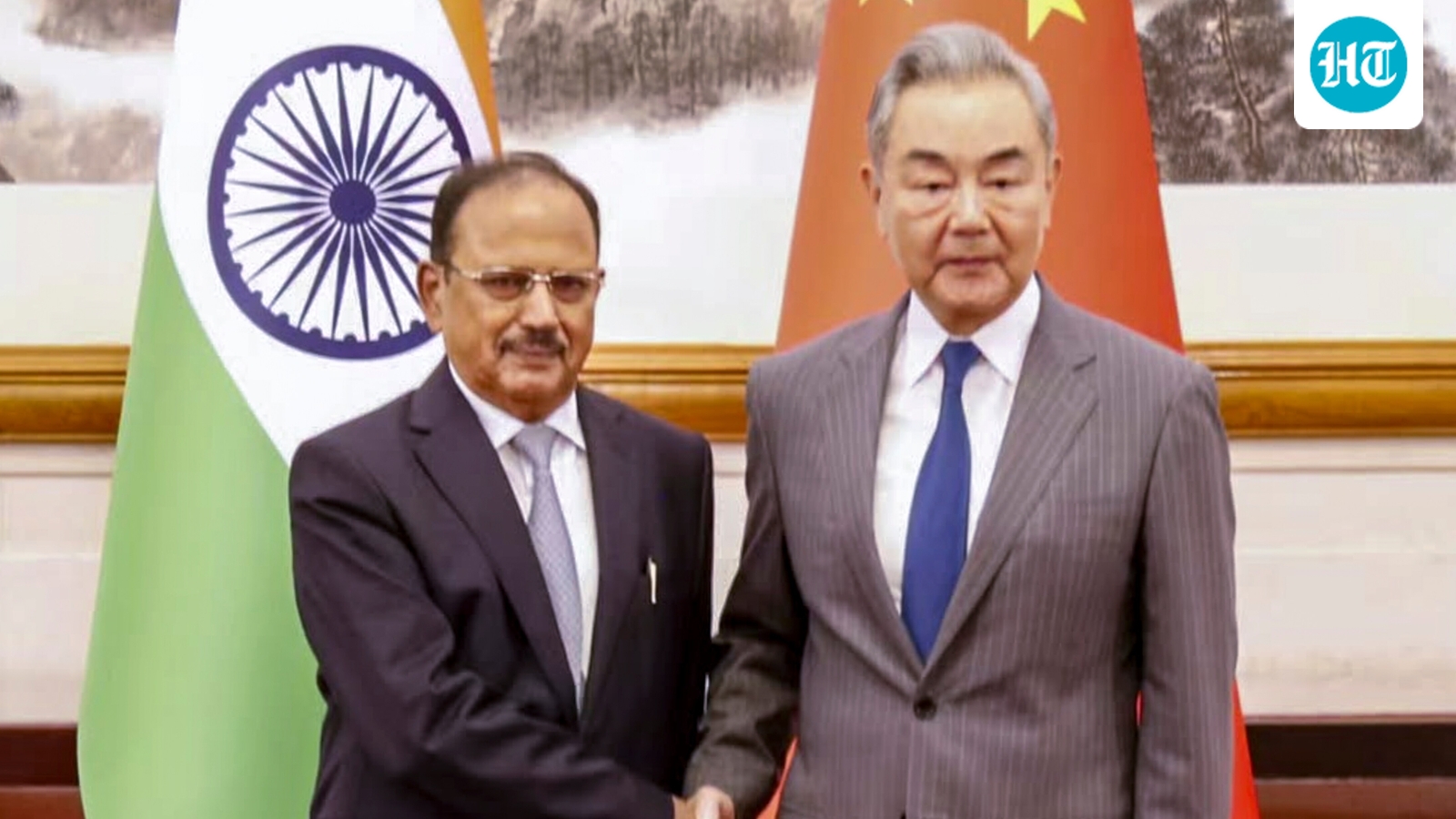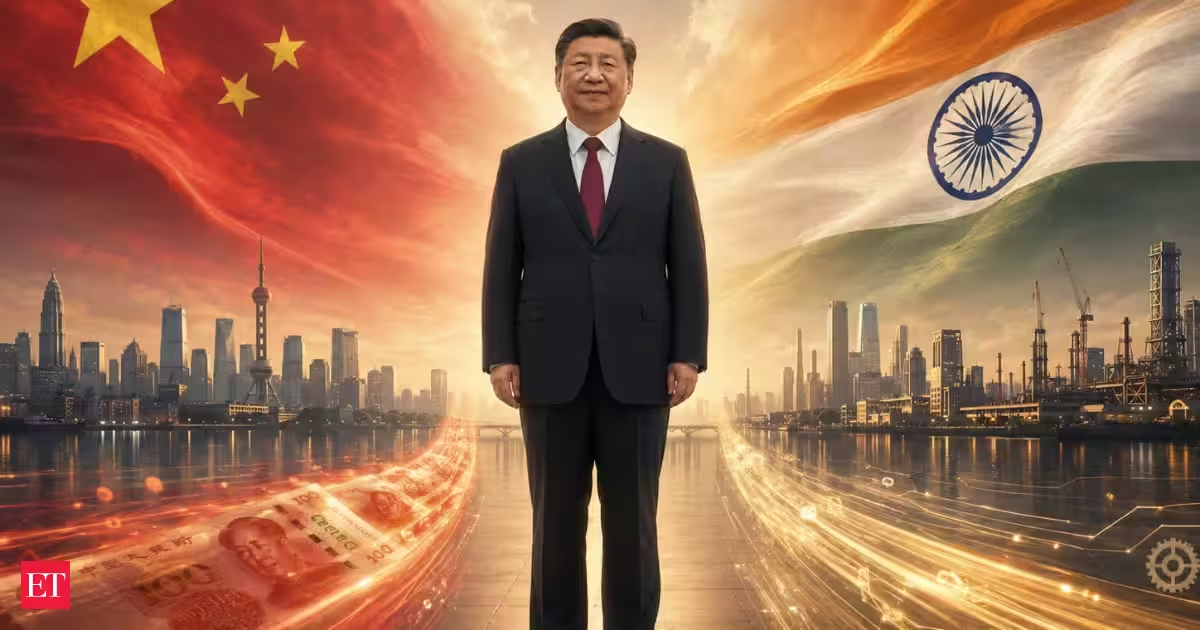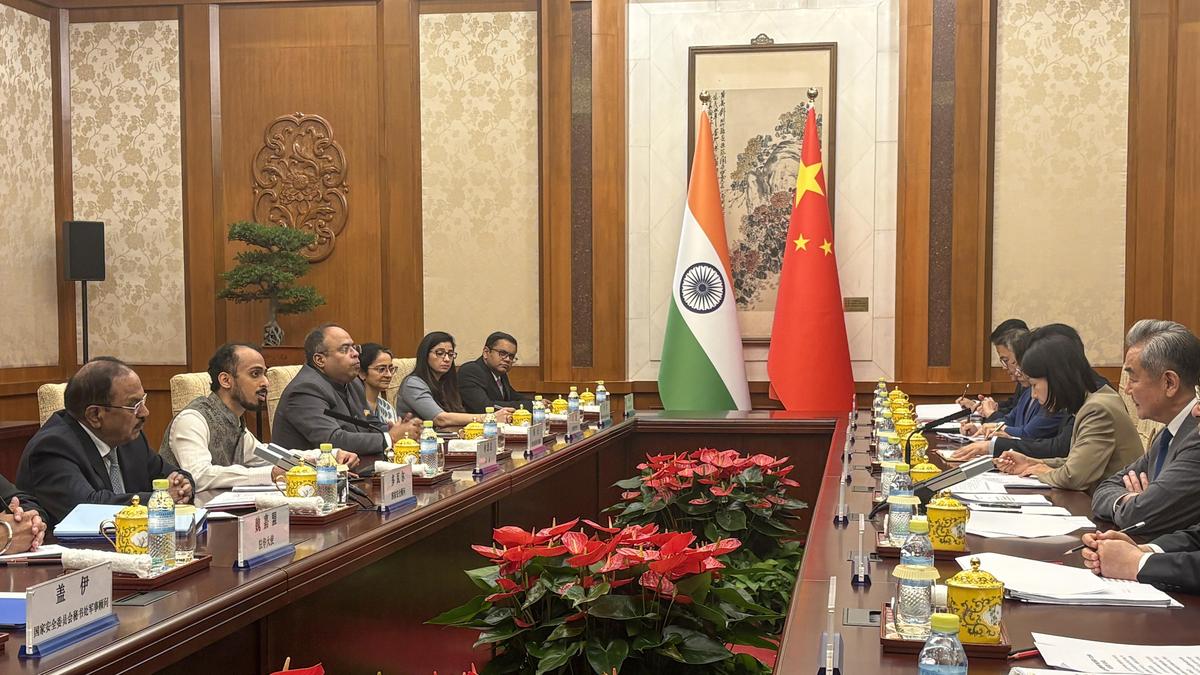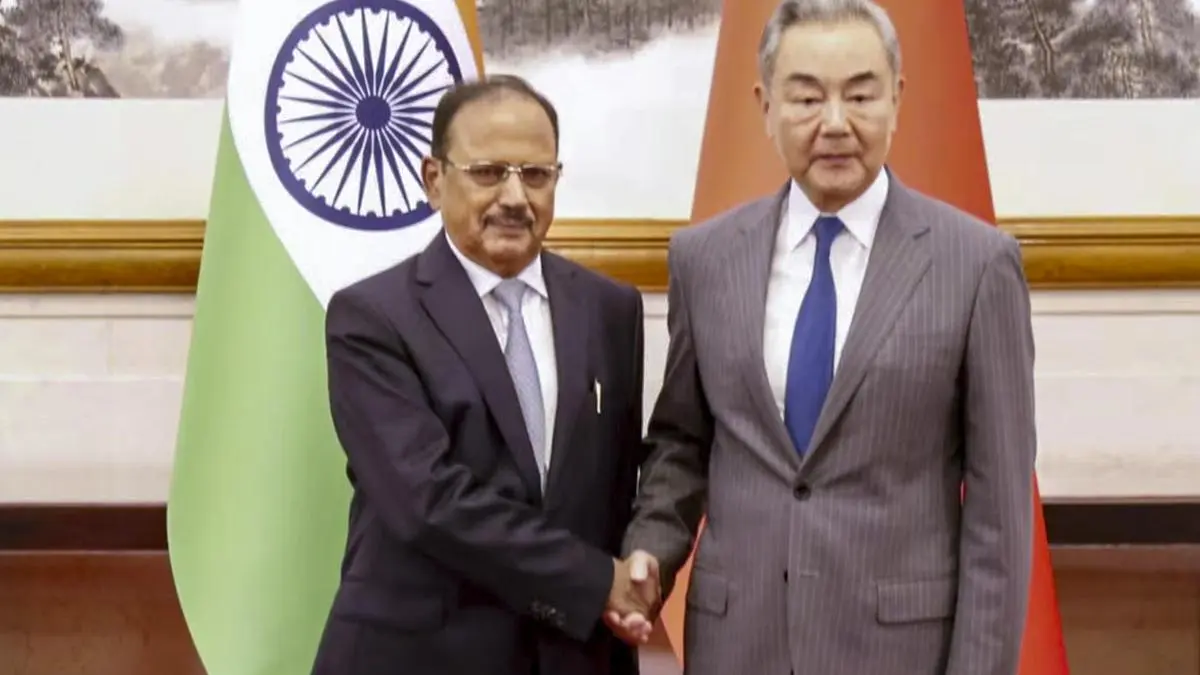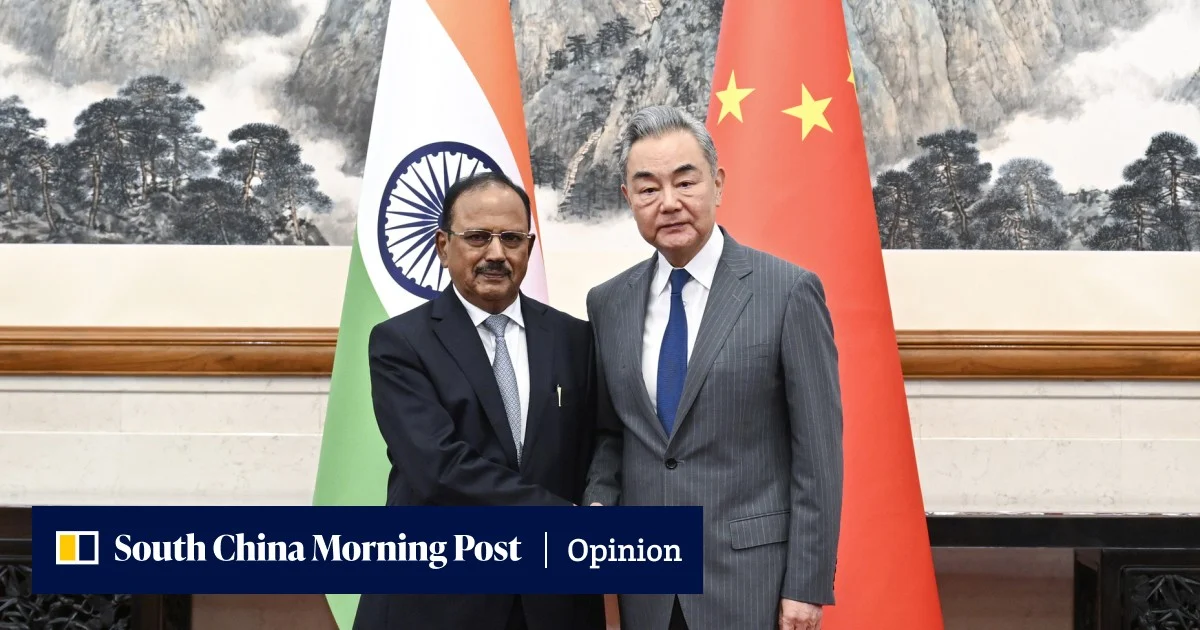
When Ajit Doval met China’s top diplomat Wang Yi in June, New Delhi’s national security adviser called China and India “partners, not rivals” and said a stable relationship “serves the common interests of both sides”.Wang, for his part, called for the two countries “to accelerate the resumption of dialogue mechanisms and promote exchanges” in trade, finance and other fields.These warm statements were a sharp departure from the adversarial tone that had bedevilled ties since Chinese and Indian troops clashed at Galwan in the summer of 2020.Before Galwan, Beijing and Delhi had been actively trying to repair a relationship frayed by frequent, low-level border clashes. Indian Prime Minister Narendra Modi and China’s Xi Jinping met for a summit in Mamallapuram – a historic Indian port city with a long history of Buddhist exchanges with China – in October 2019, having already met in Wuhan the year before. But Galwan swept all that away.It took five years of diplomatic and military negotiations to change the tone of the relationship again, culminating in a Modi-Xi summit on the sidelines of the Shanghai Cooperation Organisation gathering in Tianjin last August.That thaw has now provided an opportunity to revive the India-China Strategic Economic Dialogue (SED), the mechanism launched in 2011 by Manmohan Singh and Wen Jiabao that produced six rounds of talks before 2019.
Asian Angle | India-China ties are warming, the time to capitalise is now
The post-Galwan freeze is over. Rebuilding economic dialogue offers both nations a win-win path forward.
219 words~1 min read