Story audio is generated using AI
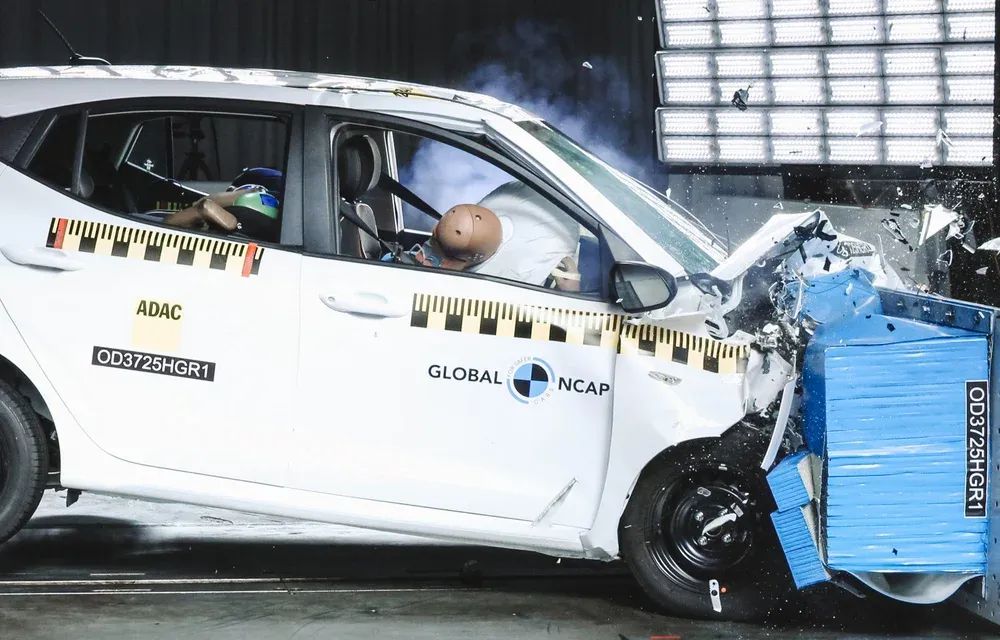
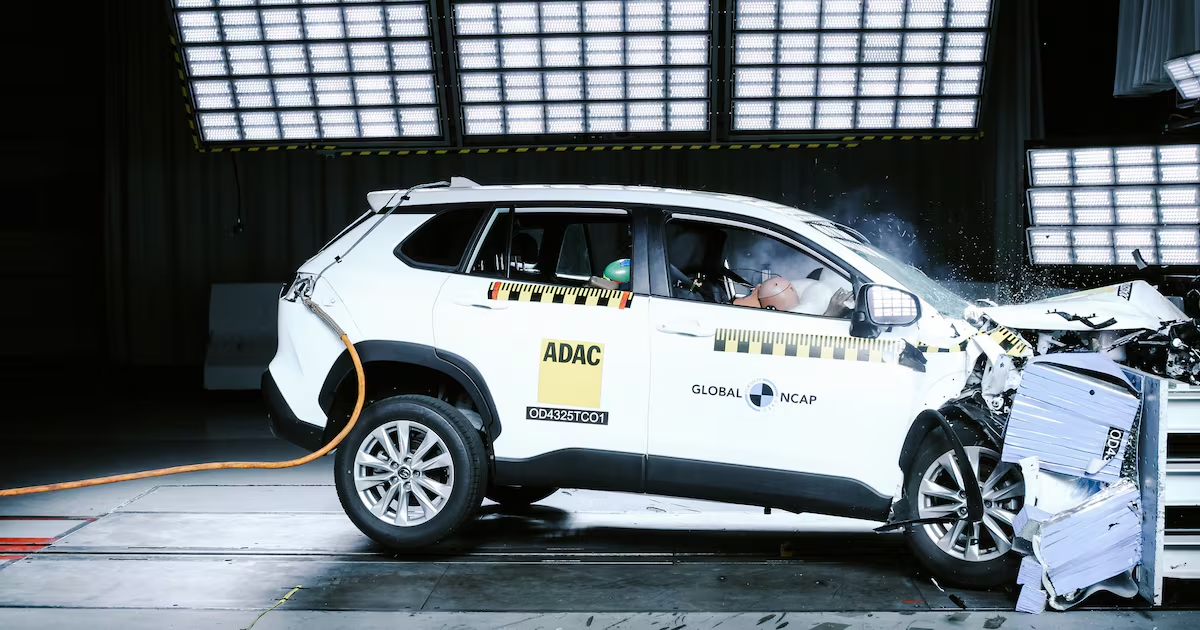
South Africa’s car manufacturers are set for the stiffest safety regulation overhaul in a generation, in a move that will see laws changed to make it compulsory that new vehicles are fitted with airbags for all passengers — a requirement that could increase production costs.This is part of the government’s plan to revise the minimum safety standards for all new passenger cars sold locally to bring them closer to international standards, with the new regulations potentially coming into effect as early as next year.Another key regulatory change will see all new vehicles fitted with electronic stability control (ESC) — an active computer safety system that automatically brakes individual wheels and reduces engine power to prevent skidding and help drivers maintain control.ESC is regarded as a big advance in vehicle safety, with road-safety research showing it can significantly reduce the risk of crashes caused by loss of control.The European Commission proposed in 2011 that ESC should become mandatory in all new cars from 2012, as part of efforts to improve vehicle safety. ESC is regarded as one of the most effective vehicle safety technologies, after the seat belt, because it helps prevent vehicles from losing control and rolling. The US followed suit, making ESC mandatory in new light passenger vehicles from 2012.However, multinational domestic manufacturers have not been required to meet the same standards in South Africa, as local regulations have not kept pace with those in other parts of the world.Bobby Ramagwede, CEO of the Automobile Association (AA), said the move to revise the minimum safety standards has been the subject of a decade-long campaign.He said it was unfortunate that car manufacturers had waited for the South African government to revise domestic standards before introducing safety features already required in other jurisdictions. He said this reflected an attitude that “African lives don’t matter”.Another key revision in the proposed regulations by the department of trade, industry & competition (DTIC) — at the request of its agency, the National Regulator for Compulsory Specifications (NRCS) — will require manufacturers to use materials for vehicle body shells that meet the same standards applied in Europe, the US and other jurisdictions where they produce and sell vehicles.The NRCS told Business Times that the revised standards were intended to protect all vehicle occupants and that the proposed changes were informed by the NRCS’s internal policy, which guides the review, maintenance or withdrawal of every compulsory specification within a five-year review cycle of the existing vehicle compulsory specification.NRCS spokesperson Mirriam Moswaane said the specification covers requirements for motor vehicles in category M1 that have not previously been registered or licensed in South Africa, as well as vehicles assembled from new bodies and used parts from earlier designs of motor vehicle models and designed or adapted for operation on a public road.“Accordingly, where an imported vehicle falls within the scope of the compulsory specification, the applicable requirements will apply.”A category M1 vehicle is a legal classification for a motor vehicle designed primarily to transport passengers, with a maximum of eight seats in addition to the driver’s seat.Ramagwede said manufacturers would have six months to ensure that all cars introduced and sold in South Africa, irrespective of specification level, complied with the revised safety standards. “The AA in 2015 developed a hypothesis that the vehicles sold in South Africa by the same manufacturers did not honour the same safety requirements across different jurisdictions. This is particularly pronounced in entry-level cars.“The argument here is that when you buy a car, you expect a steering wheel and all the wheels, but for some odd reason manufacturers have found it apt to cut corners on safety. The manufacturers have gone as far as charging people for what should be implicit safety features in the vehicle,” he said.Currently, South African law requires a mandatory two airbags, while ESC is not mandatory.“The manufacturers — because of our regulatory gaps — realised they have room to cut features out of vehicles and maximise profits.“It is pleasing that we have finally gotten the government to concede that every passenger vehicle, including entry-level cars, should have airbags that protect all passengers and also shield passengers from side impacts.“We have previously also raised concerns with the cheap materials used to build cars. This too has been attended to by the revised regulations.”The proposed regulations come as new vehicle sales in South Africa enjoy a purple patch, with consumers increasingly taking a liking to Asian cars that are cheaper and offer more features.New-car sales reached 40,912 units in July, their highest monthly level in 12 years. South Africa’s automotive industry contributes 5.2% to GDP and sustains 498,000 jobs across the formal economy.The National Association of Automobile Manufacturers of South Africa (Naamsa) did not respond to a request for comment on the proposed safety standards.According to Ramagwede: “Those vehicles that are deficient of safety specs tend to be bought by first-time buyers, e-hailing drivers and people in the twilight of their lives and cutting back. It is almost as if people are being punished for not affording luxury vehicles. However, consumers must also take responsibility and demand basic safety features in a car before they buy.”Business Times