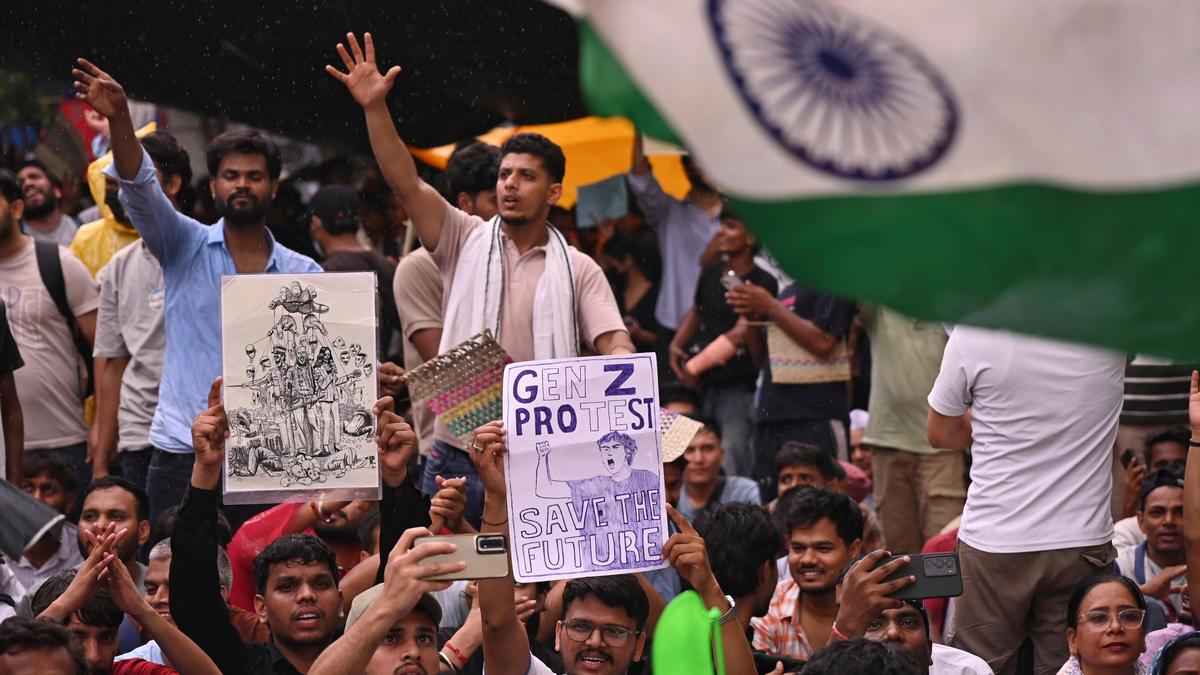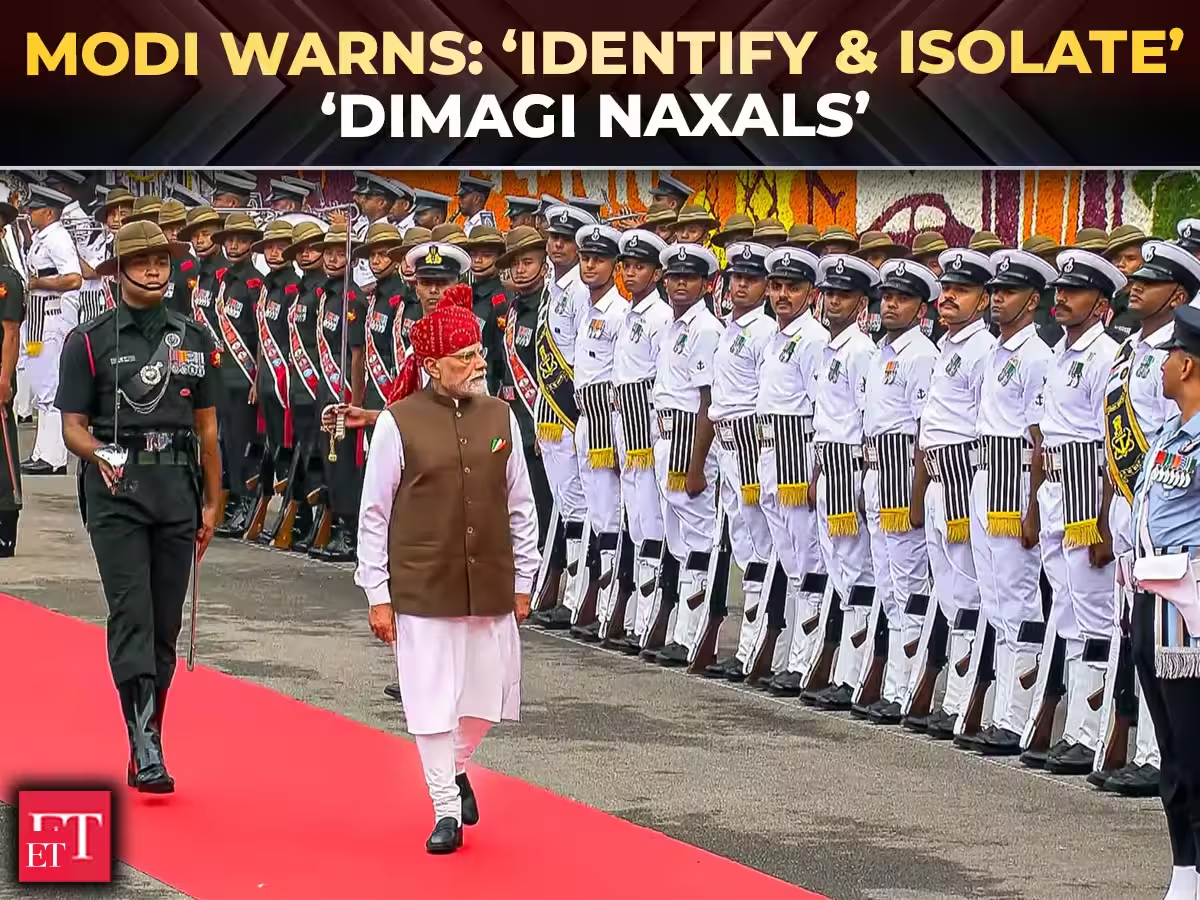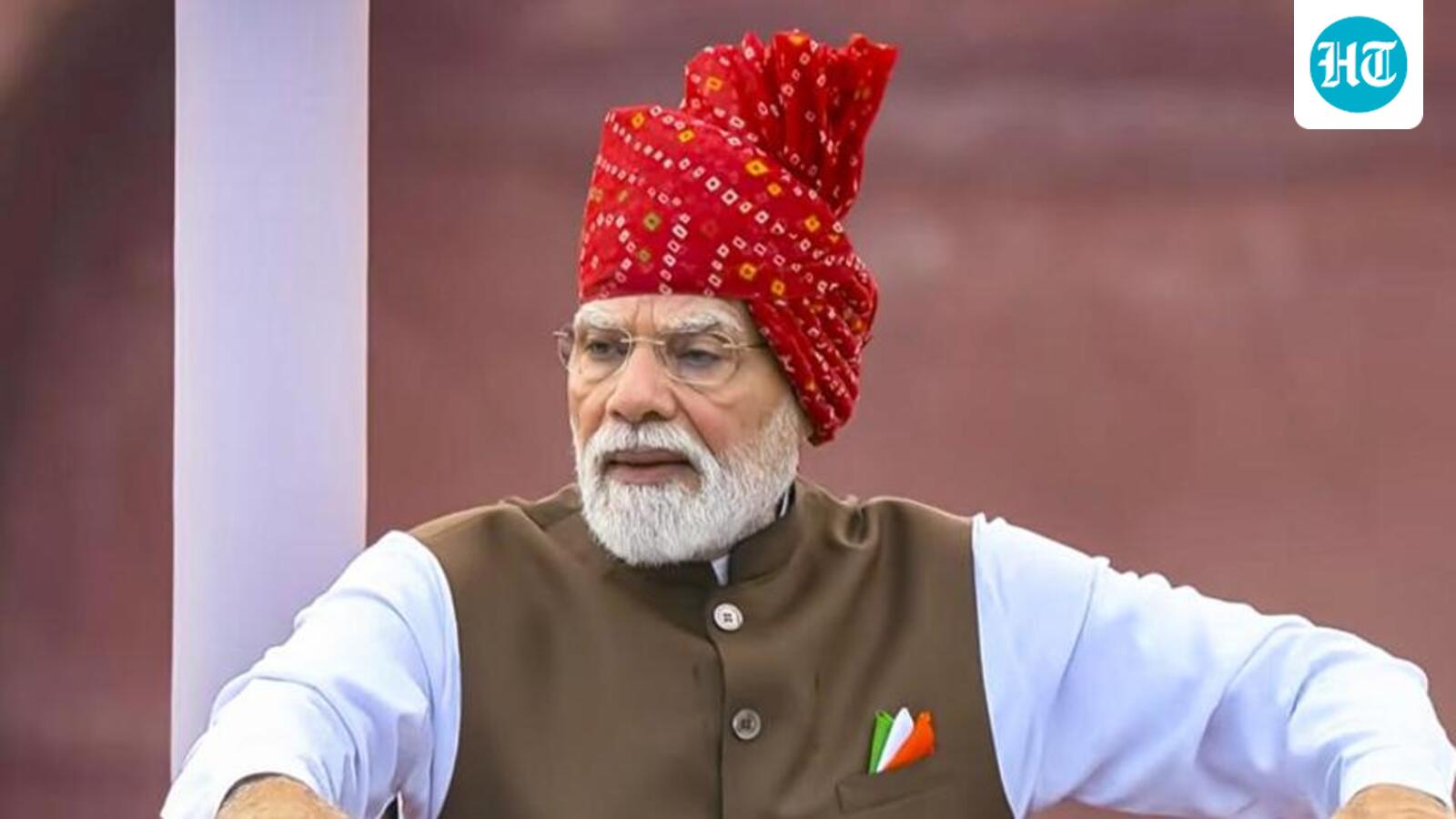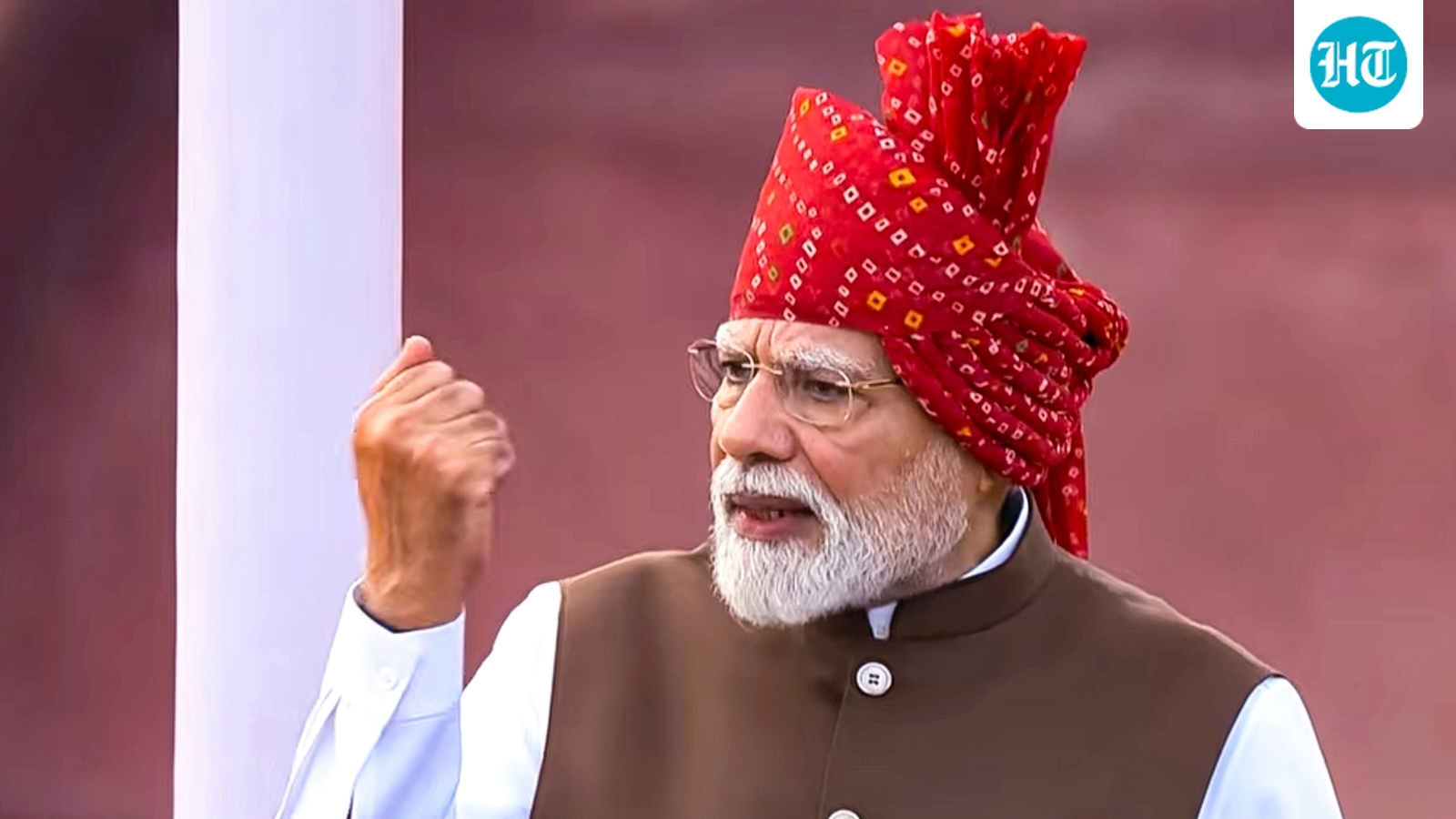
Prime Minister Narendra Modi’s newly minted phrase dimagi Naxal – “intellectual Naxal” – is meant to designate an ideological enemy: people whose ideas supposedly endanger the nation by questioning its political direction. In his Independence Day address this year, Modi warned that although armed Naxalism was nearing its end, its ideological adherents are still a threat. Critics immediately pointed out the phrase’s obvious affinity with the government’s earlier use of the phrase “urban Naxal” to stigmatise academics, activists, intellectuals, and other dissenting voices.There is, however, an unintended irony in this language. If dimagi Naxal is to mean someone who questions authority, then some of the earliest and most formidable dimagi Naxals in India were the sages who composed the Vedas and Upanishads – texts that the Hindutva brigade claims as the philosophical wellspring of their ideology. Just last year, at an event in Ahmedabad, Home Minister Amit Shah shared his post-retirement plans: to study the Vedas and the Upanishads. While this interest in India’s ancient texts may appear commendable, a closer look at Vedic literature reveals a complex, pluralistic, and heterodox tradition that is fundamentally at odds with the ideology that Shah and his associates champion.The regular appeal to the Vedic tradition by the Bharatiya Janata Party and its parent, the Rashtriya Swayansevak Sangh, in order to legitimise a Hindu nationalist agenda is more than a cultural fantasy: it has gone hand-in-hand with a political vision in which dissent is equated with treason, and pluralism with weakness. Since coming to power in 2014, the BJP-led government has been increasingly criticised for marginalising religious minorities and muzzling press freedom. Voices that question the government have been trolled as “anti-national”, “sickular”, “tukde-tukde gang”, “urban Naxal” and now “dimaagi Naxal.” However, should Modi or Shah seriously engage with the Vedas in search of validation for the Hindutva project, they may find themselves disappointed. The Vedas and the Upanishads, far from offering uncritical support to religious dogma and philosophical certitude, constitute the foundation of a long tradition of rigorous argumentation, critique, and scepticism – even about the gods. Consider, for instance, the famous Nasadiya Sukta from the oldest extant Sanskrit text, the Rig Veda, composed circa mid-2nd millennium BCE. This creation hymn speculates on various paradoxical possibilities for the origins of the cosmos, before culminating in a profound doubt about whether even the gods possess such knowledge: “…Whence is this creation? The gods came afterwards, with the creation of this universe. Who then knows whence it has arisen? Whence this creation has arisen – perhaps it formed itself, or perhaps it did not – the one who looks down on it, in the highest heaven, only he knows or perhaps he does not know.”— (X, 129, 6-7, translation by Wendy Doniger)
Dimagi Naxals? The sages of the Vedas and the Upanishads would qualify today
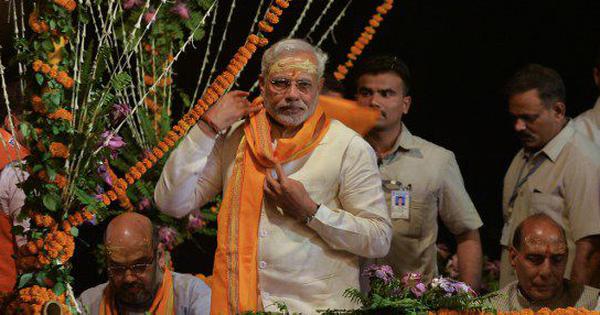
Should Narendra Modi or Amit Shah seriously engage with the Vedas in search of validation for their Hindutva project, they may find themselves disappointed.
1,006 words~5 min read