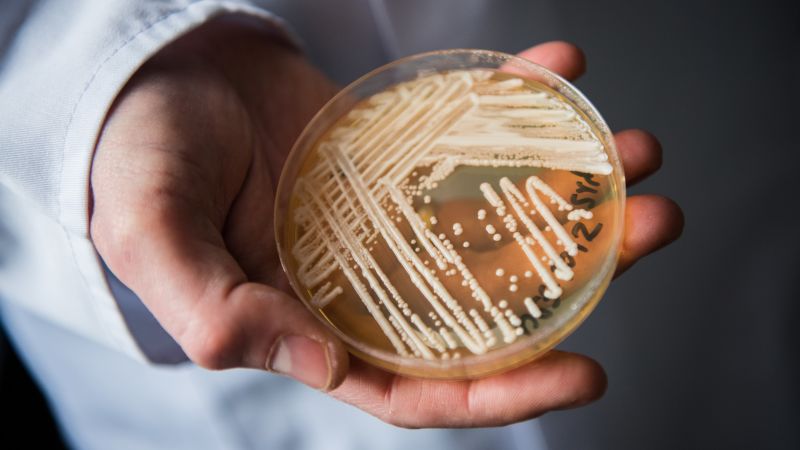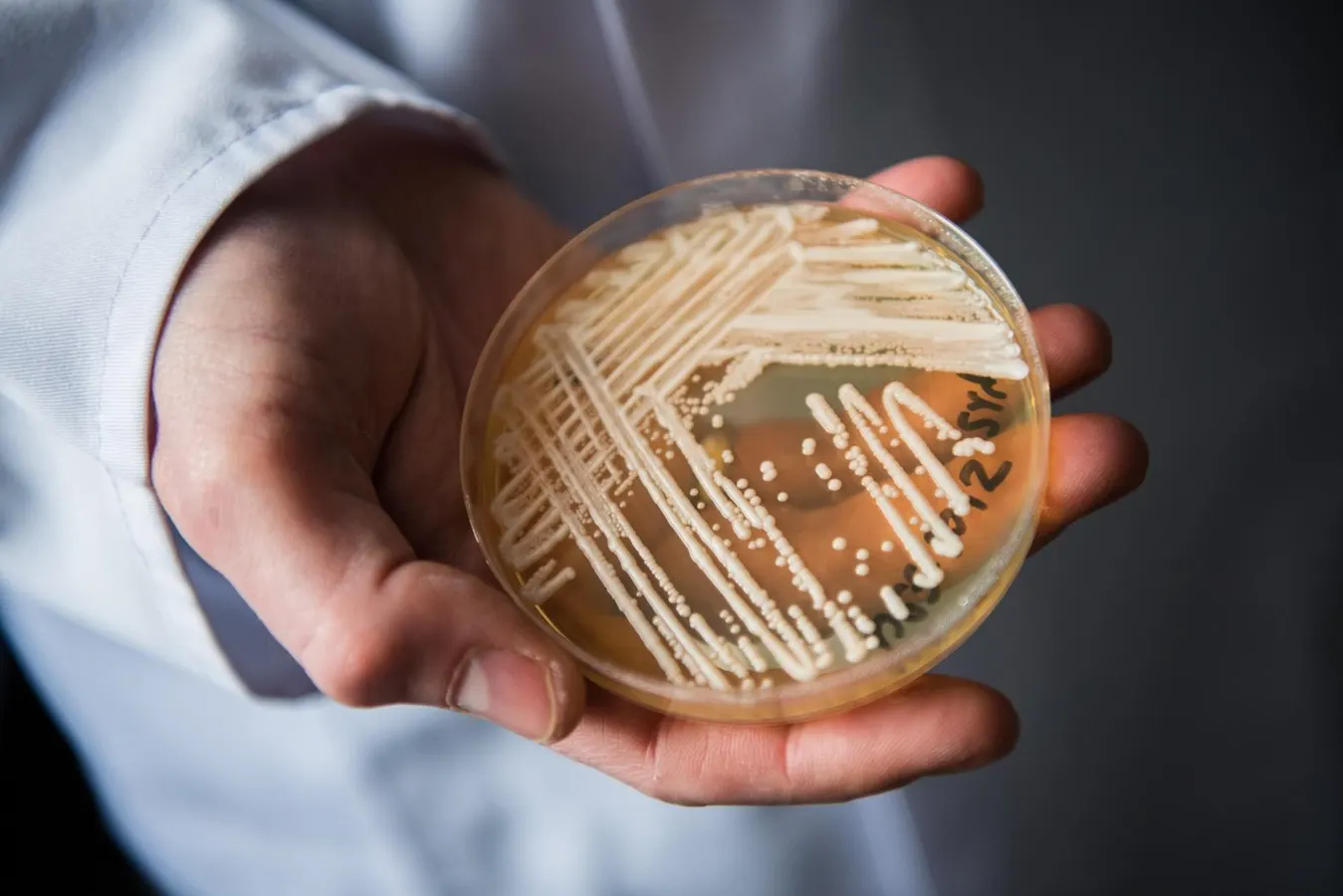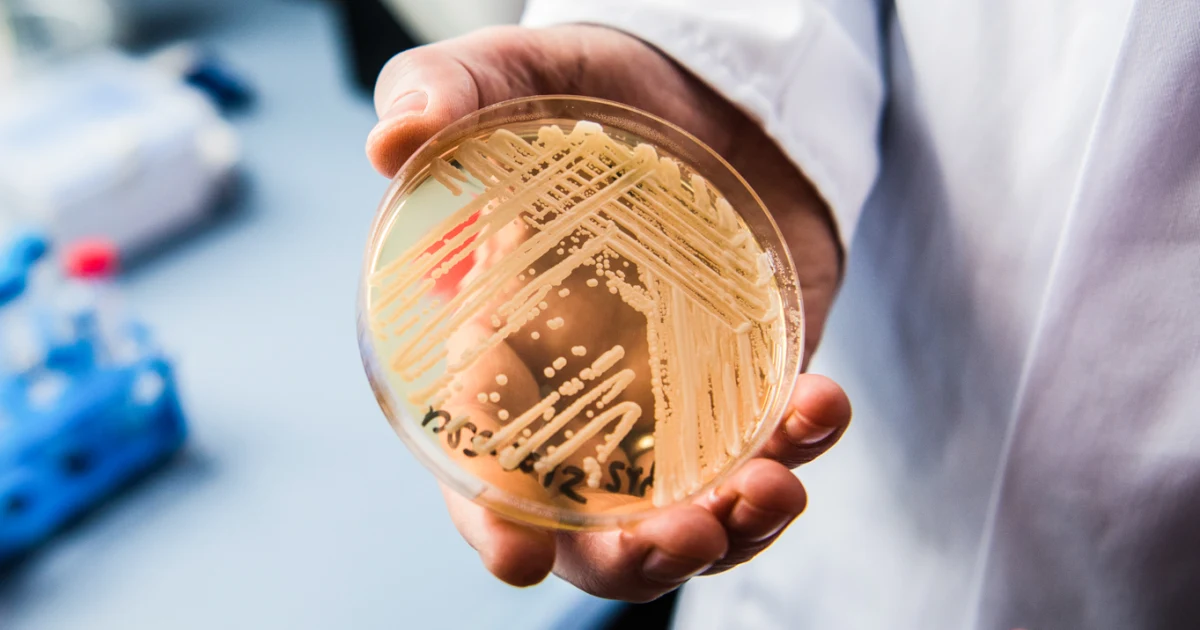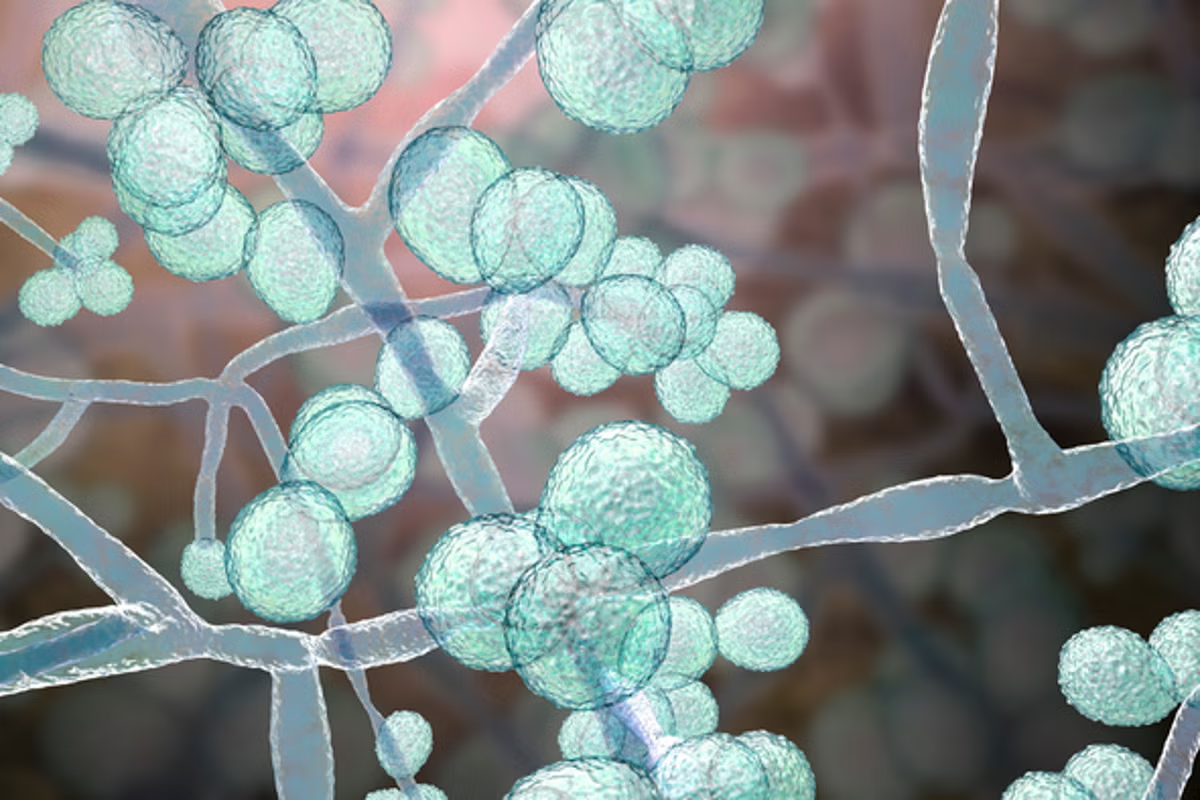
Relying on a urinary catheter is a standard part of medical care for hundreds of thousands of patients each year. Unfortunately, the device carries the risk of catheter-associated urinary tract infections (CAUTIs), for which bacteria are widely recognized as the primary cause. And yet, many patients face a growing threat from another pathogen: a fungus, Candida albicans.
Research published in Proceedings of the National Academy of Sciences by University of Notre Dame associate professors of biological sciences Ana Flores-Mireles and Felipe Santiago-Tirado shows how the fungus works in the bladder, potentially changing the way doctors treat and diagnose CAUTIs.
A master switch in the bladder
Their work continues foundational research the team previously published. They mapped a critical protein called Efg1, which serves as a "master switch" in C. albicans. Without this protein, the fungus cannot cause disease in a catheterized bladder. However, Flores-Mireles and Santiago-Tirado did not know which specific target genes Efg1 commanded inside a catheterized bladder.
"This protein has been really well described in other infections, but not in the bladder," Flores-Mireles said.