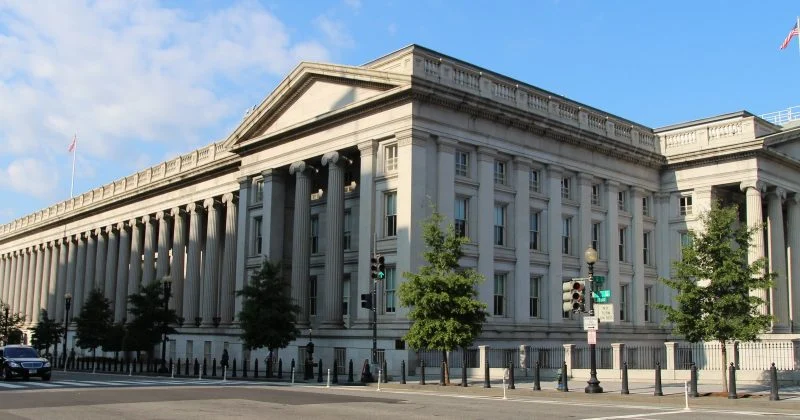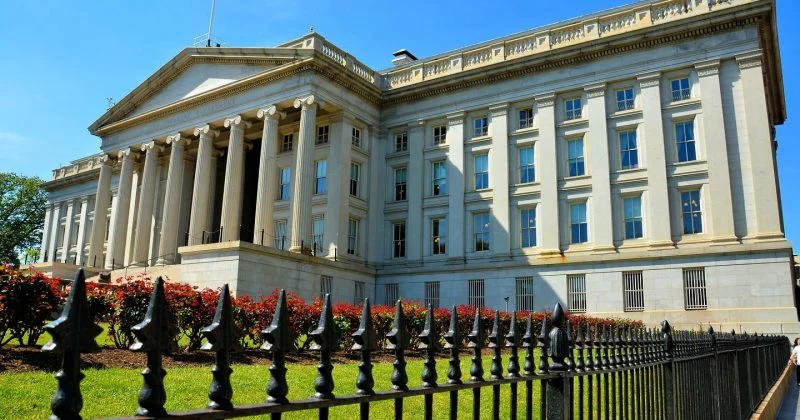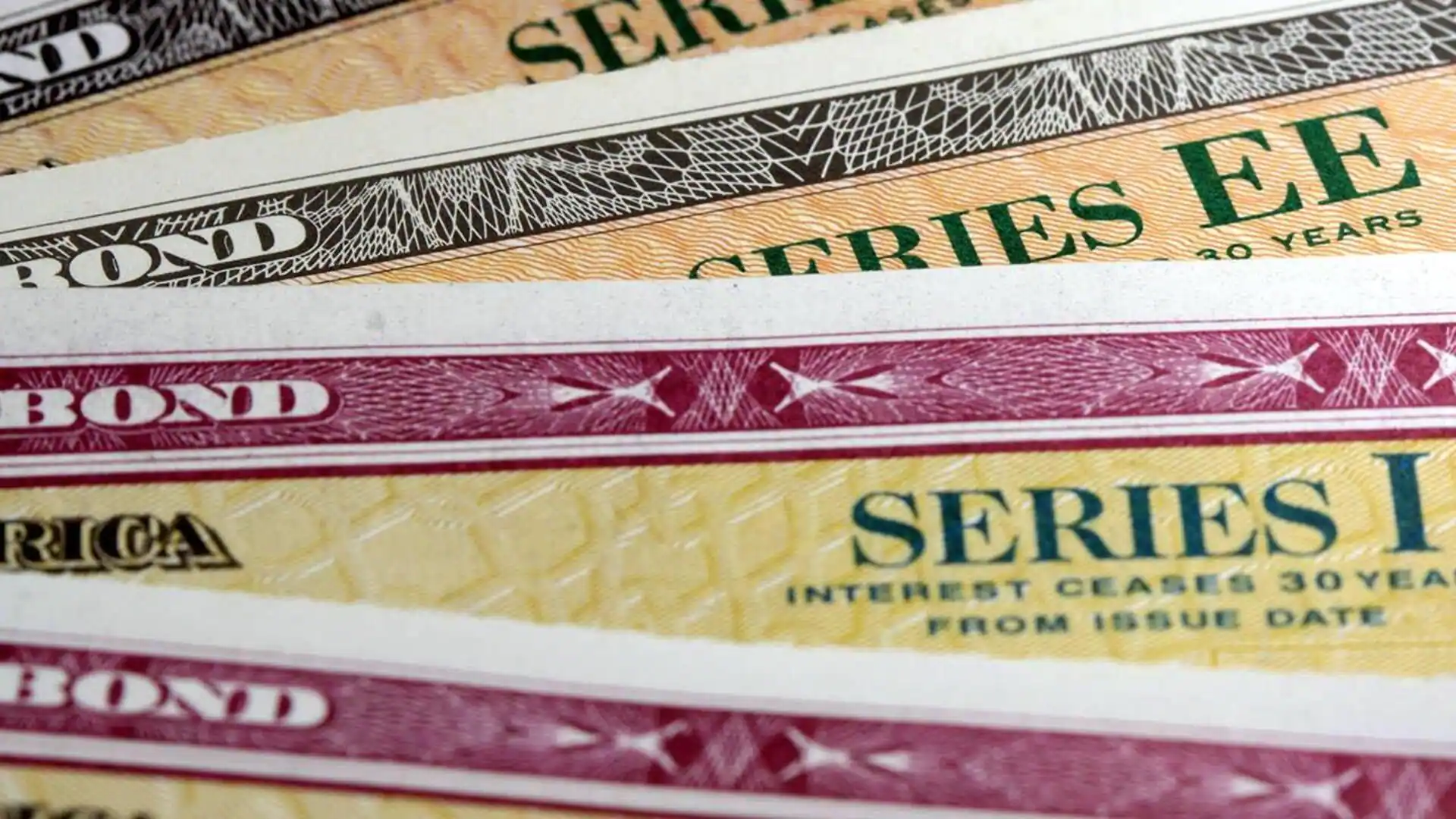
The yield on the 30-year U.S. Treasury bond—effectively, the rate of interest on U.S. government debt—peaked last week at 5.33 percent, its highest level in 19 years. This may be the product of the normal laws of supply and demand. But the fluctuations in the vast market for U.S. debt have effects that are profound for both the U.S. and global economies—and, in this case, for U.S. politics, as Treasury Secretary Scott Bessent has now assumed responsibility for trying to bring that interest rate down.
Why exactly are yields rising? How is Bessent’s background as a bond trader informing his actions as treasury secretary? And is the Treasury Department’s intervention in bond markets encroaching on the Federal Reserve’s turf?
Those are just a few of the questions that came up in my recent conversation with FP economics columnist Adam Tooze on the podcast we co-host, Ones and Tooze. What follows is an excerpt, edited for length and clarity. For the full conversation, look for Ones and Tooze wherever you get your podcasts. And check out Adam’s Substack newsletter.
Cameron Abadi: Why exactly are yields rising? As the prices of bonds go down, their yields go up and there are broad supply-and-demand mechanisms that affect the prices and yields of bonds. But is this right now a matter of too much bond supply—too much U.S. debt—that is reducing the prices, or is there a softening of demand that is driving the reduction of prices?