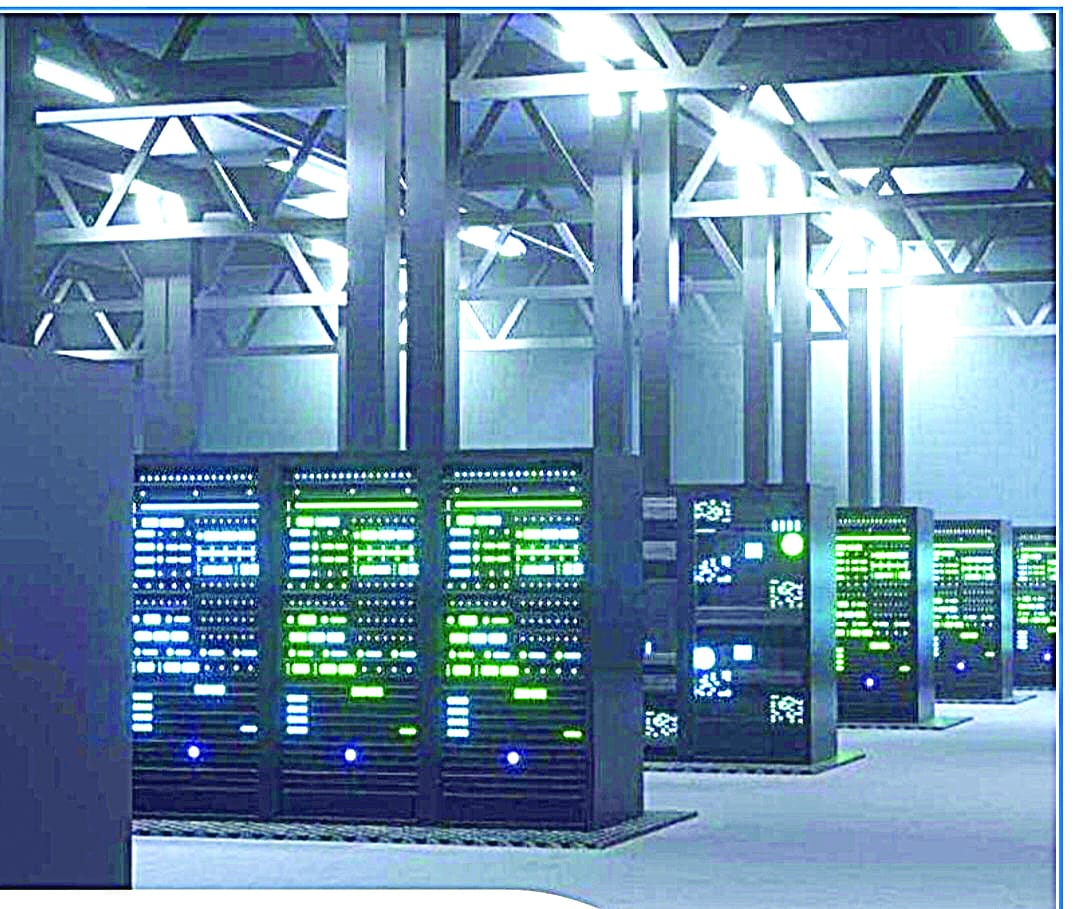
A credible sovereign cloud ecosystem could stimulate investment in data centres, fibre networks, renewable and conventional energy solutions, cybersecurity services and specialised technology companies. It could create demand for cloud architects, network engineers, cybersecurity professionals, data specialists and other highly skilled workers.
Nigeria’s digital economy is usually measured by the growth of fintech companies, expanding broadband connectivity, rising internet penetration, and the increasing number of citizens conducting their daily activities online. Yet beneath these visible signs of progress lies a more fundamental question that has received far less public attention: Who owns, hosts and ultimately controls the digital infrastructure on which Nigeria’s growing economy depends?
That question is increasingly moving to the centre of national technology policy.
The recent inauguration by the National Information Technology Development Agency (NITDA) of the National Sovereign Cloud Initiative Implementation Taskforce represents an important attempt to move Nigeria’s digital sovereignty conversation from policy declarations to practical execution.
For years, discussions around data sovereignty have largely focused on where Nigerian data is stored. But the issue is considerably broader. Digital sovereignty involves the country’s ability to maintain control, resilience and regulatory authority over critical digital infrastructure while remaining connected to the global technology ecosystem.