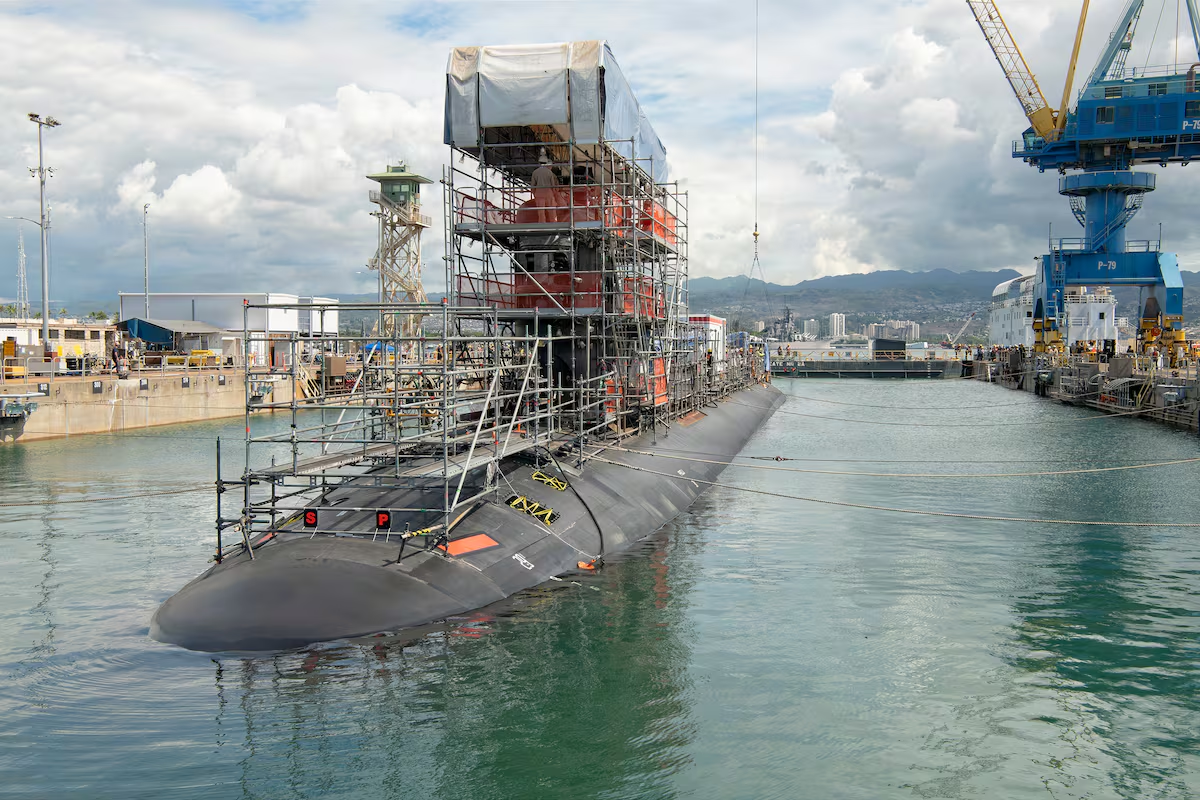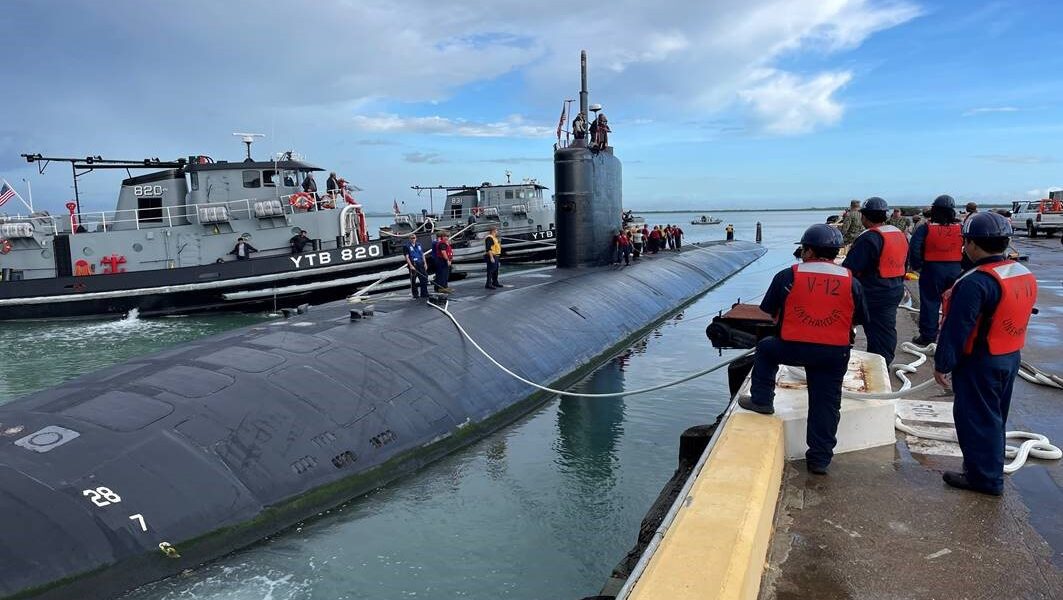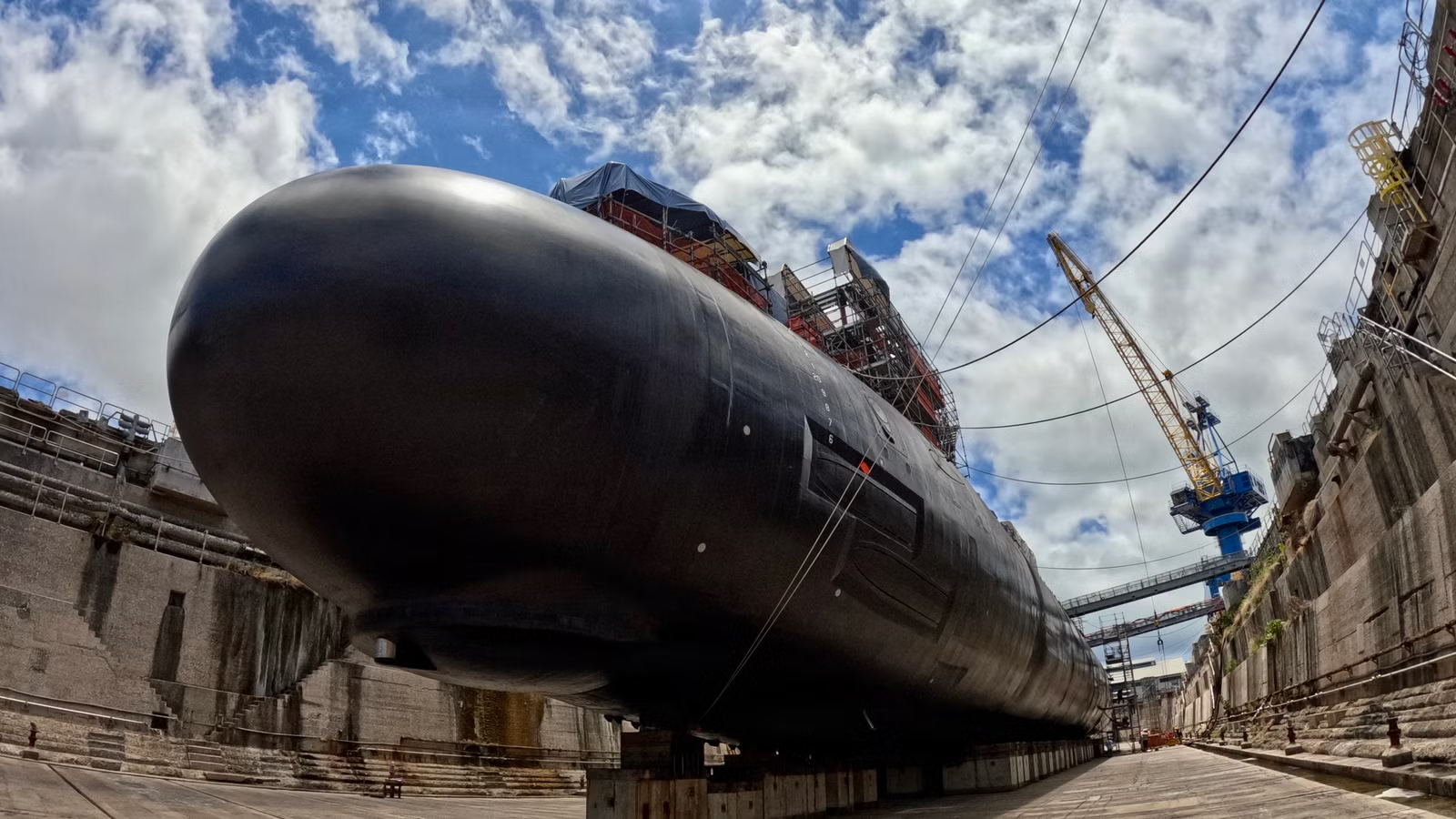
The vast majority of the Navy submarine maintenance has occurred at public shipyards over the last decade, which, according to a recent Government Accountability Office report found, has only gotten the job done on schedule 11% of the time.There are four public naval domestic shipyards that provide most of the maintenance on attack submarines and other nuclear-powered vessels: Portsmouth Naval Shipyard, Norfolk Naval Shipyard, Puget Sound Naval Shipyard, and Pearl Harbor Naval Shipyard. From fiscal 2016 through fiscal 2025, those four facilities took longer than planned for 89% of the time to complete depot-level maintenance on attack subs, according to the GAO report, which was released on Thursday.The Navy incurred 3,040 days, or more than eight years, of maintenance delays from fiscal 2016 to fiscal 2020 and another 3,454 days, or nearly 10 years, from fiscal 2021 to fiscal 2025. The average depot-level maintenance period for a sub from fiscal 2016 to fiscal 20 was 744 days compared with 809 days from fiscal 2021 to fiscal 2025.
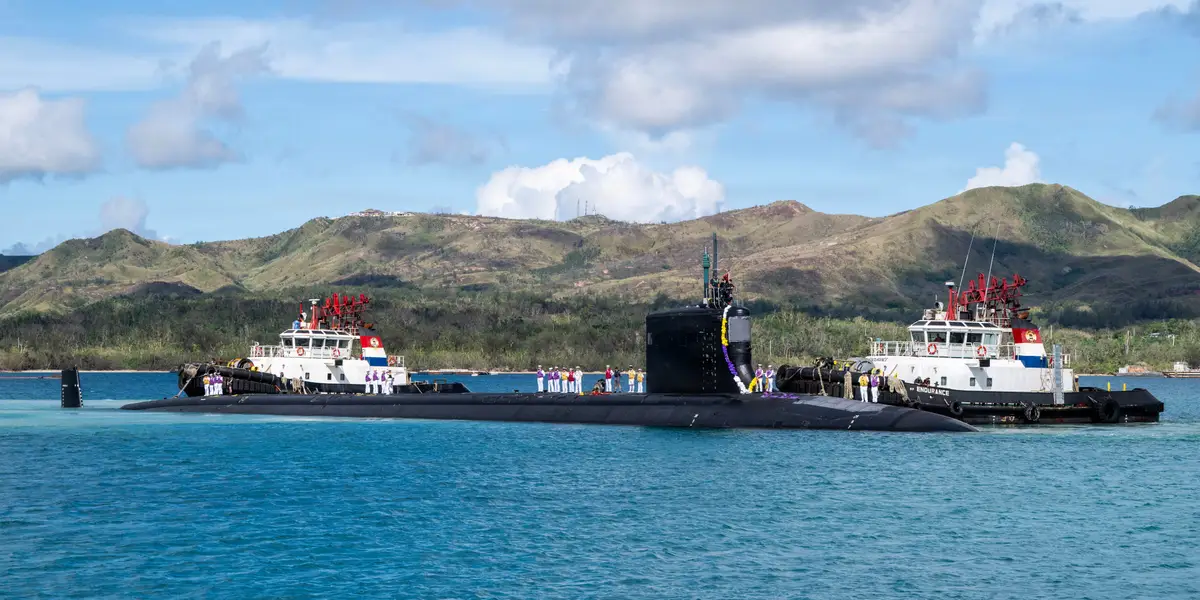
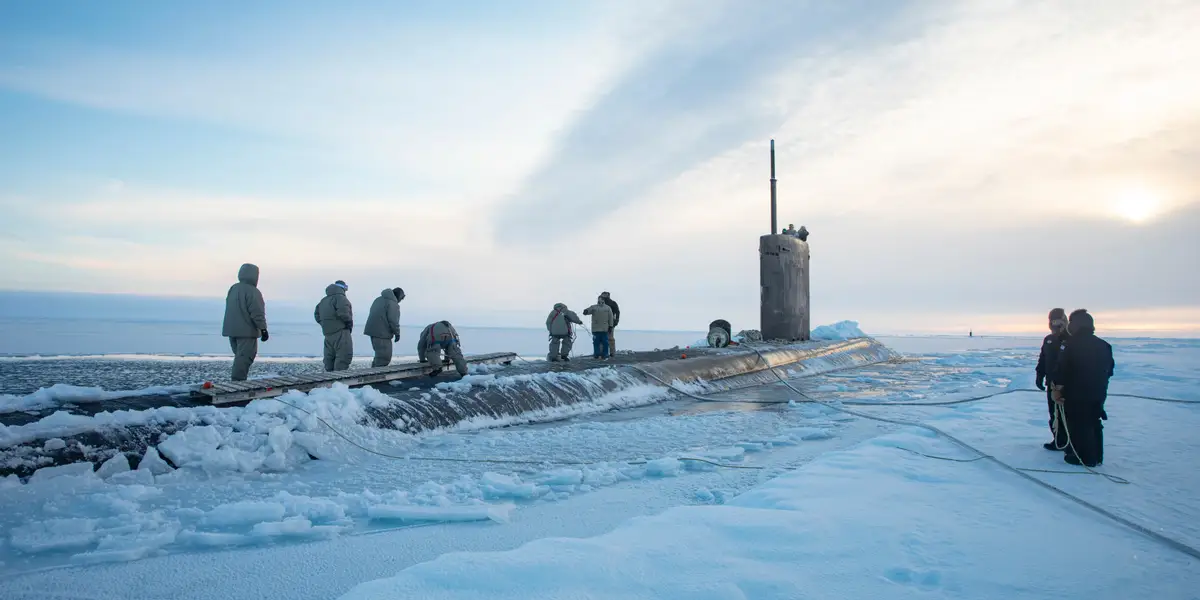
The delays have incurred an estimated $3.4 billion in costs to sustain crews and submarines during delayed maintenance and, without mitigation, could cost another $3.1 billion over the next five years. It’s also resulted in the loss of more than 15,000 operational days, and the service could incur roughly the same amount over the next half-decade.“While the U.S. Navy has recently made some progress in reducing attack submarine active idle time, inactive idle time has grown and will continue to grow with the impending wave of Los Angeles-class inactivations over the next 5 years,” the report said.The Navy has 44 attack submarines in its fleet. The plan the Navy uses for its submarine fleet, formally known as the Fleet Response Training Plan, calls for an 18-month operational plan: first, a 12-month training and certification process, followed by a six-month deployment. It’s technically a 19-month process in total because there is a 30-day stand-down period following the deployment.Subs will go through this cycle three or four times before they must enter extensive depot maintenance, which could last between two and three years.In this Dec. 15, 2016, photo provided by the U.S. Navy, the Seawolf-class fast-attack submarine USS Connecticut (SSN 22) departs Puget Sound Naval Shipyard in Bremerton, Wash., for sea trials following a maintenance availability. The vessel that went missing Sunday, June 18, 2023, in the North Atlantic while exploring the Titanic is not a submarine, it’s a submersible. The National Oceanic and Atmospheric Administration says a submarine has enough power to leave port and come back to port under its own power while a submersible is not autonomous. (Thiep Van Nguyen II/U.S. Navy via AP)