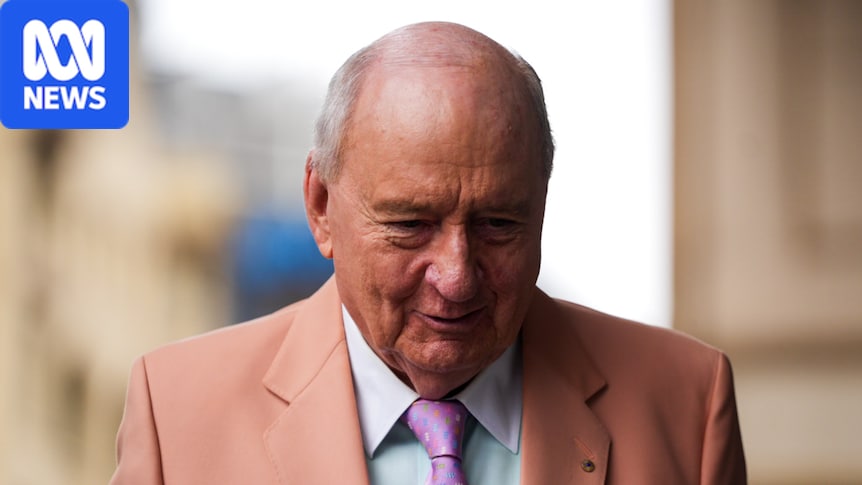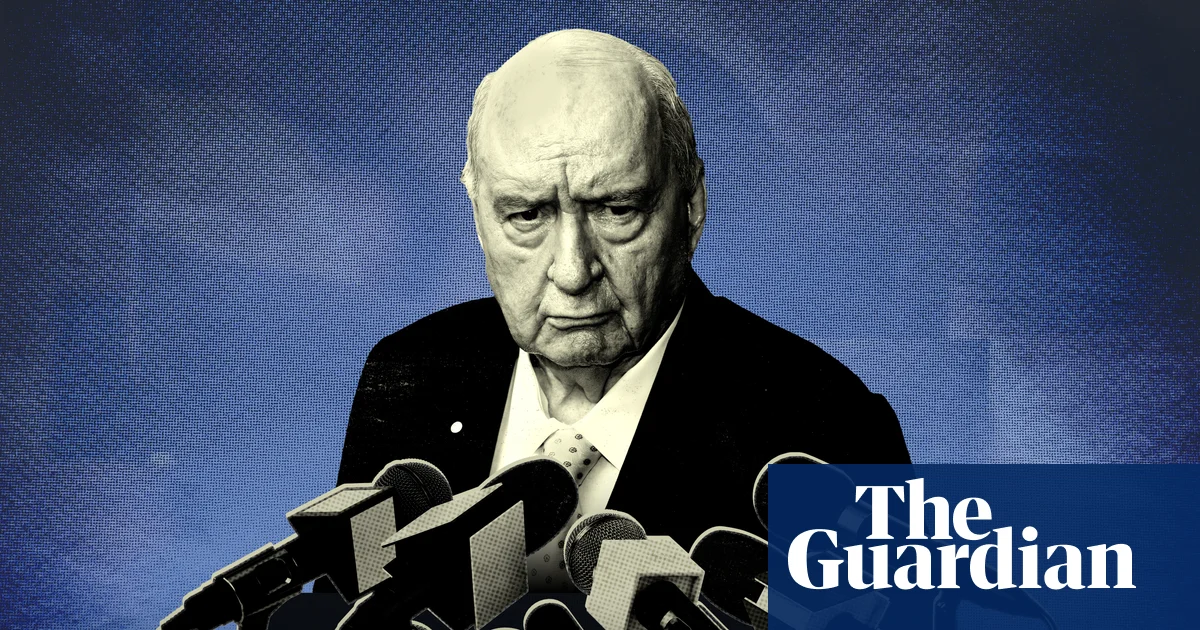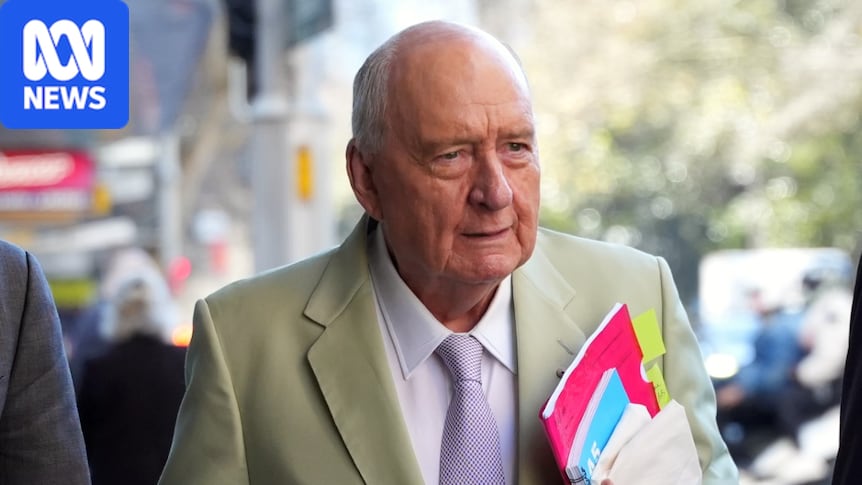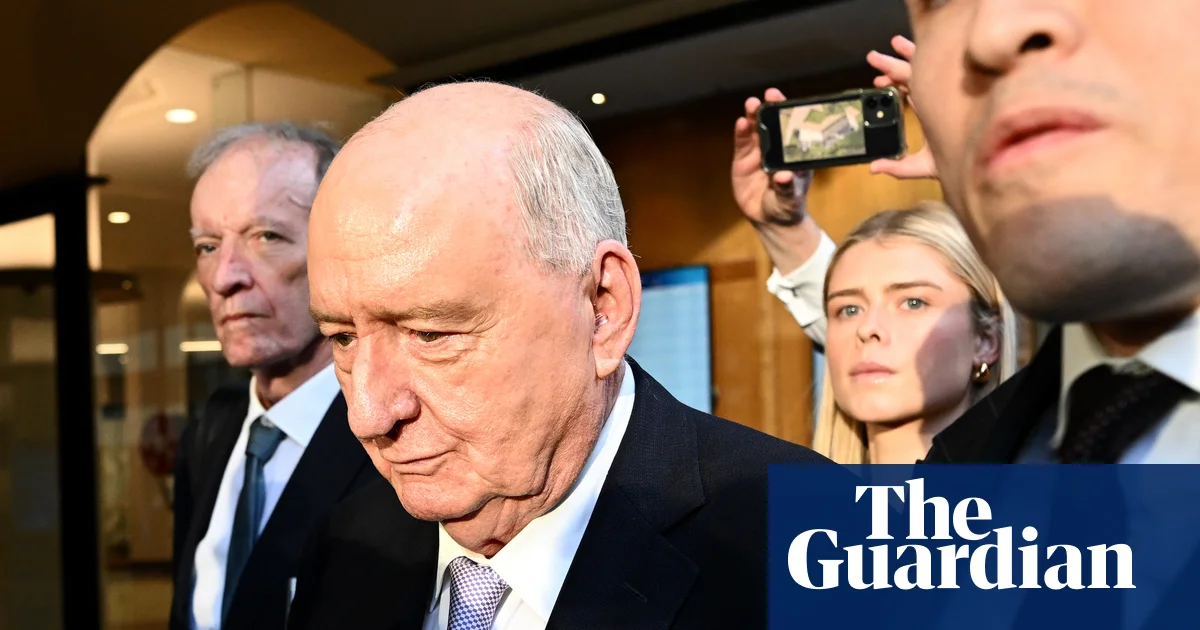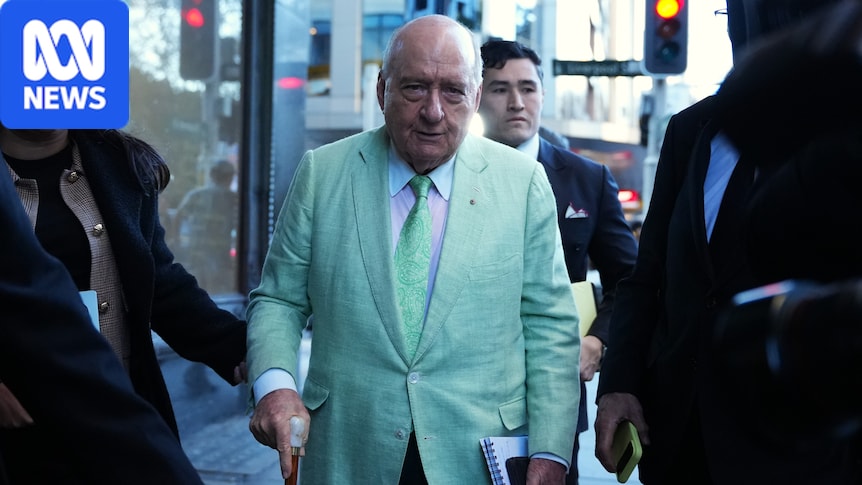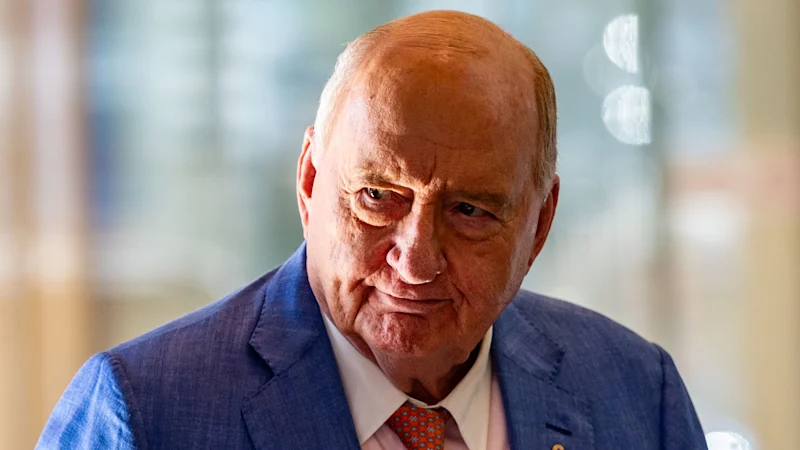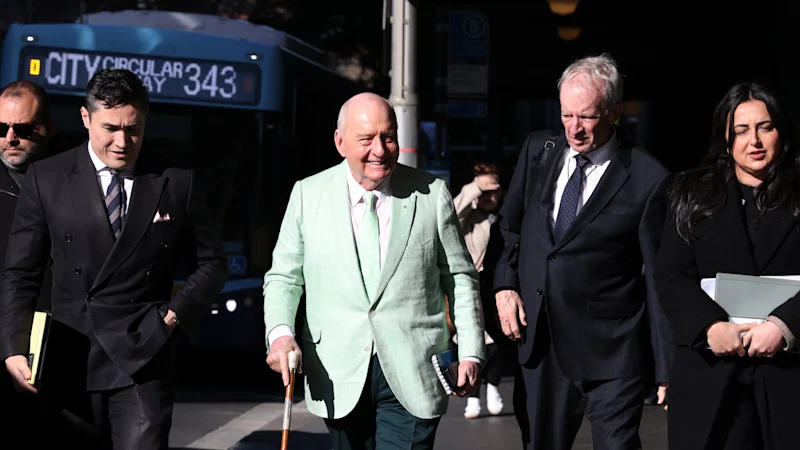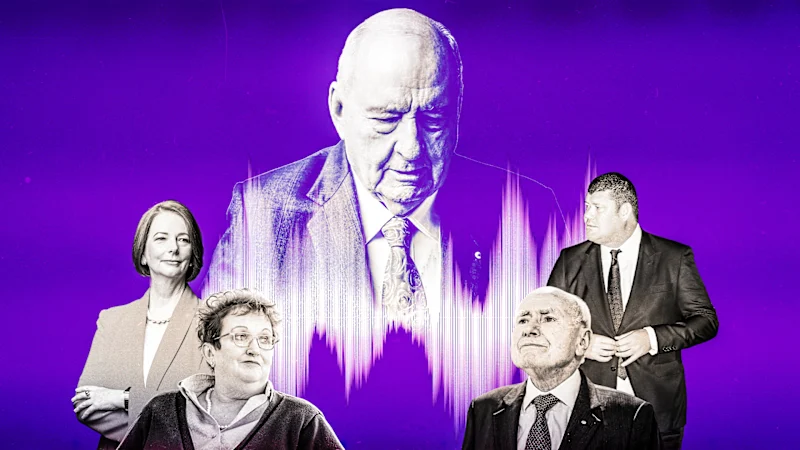
The witness was trying to express the impossibility of saying no to Alan Jones. Anguished, Complainant C testified that he regretted every day that he “didn’t fight back or say ‘no’ louder, but you couldn’t”.“Alan was protected, he was the golden goose,” he told the court. “There was no way in the world I could have said anything to anyone.”Complainant C was the second man to testify in Jones’ trial this month on 22 counts of indecent assault and sexual touching, charges Jones vehemently denies.The first prosecution witness, Complainant J, also gave evidence of the enormous power – perceived or real – that Jones wielded at the height of his broadcasting career.One of the most powerful men in Australia: Jones celebrates 25 years in the media.Fairfax MediaThe former star athlete told the court that when Jones grabbed his penis while he was driving, he struggled to maintain control of the vehicle.“I had one of the most powerful men in the country in the car and I had to focus on the road,” he said.This characterisation – Jones as one of the most powerful men in the country – is difficult to conjure as the 85-year-old sits in the courtroom a much-diminished figure, flanked by lawyers but with no personal supporters or family; meticulously dressed but walking with the aid of a cane.Jones used to command the bully pulpit of the ratings-busting 2GB breakfast slot, an enormously influential post in the pre-internet age, when media was concentrated and the loudest voices commanded the biggest audiences.Now he is silent as the evidence is led, much of it highly intimate and shaming.Journalist Chris Masters, who wrote the definitive Alan Jones biography Jonestown, published in 2006, says he remembers sitting down with Jones once “and observing to him that he was more powerful than a premier or a prime minister”.Jones is hearing intimate, shameful accusations in court.Thomas Wielecki“His reaction was that he was really proud of that,” Masters recounts. “Philosophically, that puts him at odds with other people in the media. In the media we don’t seek to control the outcome.”Jones’ prodigious energy – he famously only sleeps a few hours a night – combined with his enormous listenership and his lobbying power in business and politics meant that he could seek to control outcomes.And he did.Jones started on 2UE radio in 1985, and in 1988 he moved to his signature breakfast time slot, from 5.30am to 9am.In the mid-1990s his audience share was 22 per cent, which was the largest radio share in Sydney and one of the largest, if not the largest, in Australia.In 2019 it was reported he had enjoyed 218 ratings survey wins.In 1988, Jones moved into the breakfast time slot.Quentin JonesBy 2019 he had clocked up 218 ratings survey wins.Nick MoirIn 2002 he moved to 2GB and, while his audience share dwindled slightly over time, he remained there until 2020 – his last annual contract was reportedly for $4 million.For more than three decades Jones barraged his listeners with opinions about racing policy and the arts, about town planning, economics and tax; about casino licences and criminal cases he took up.Some of his opinions were famously paid for – as the “cash for comment” scandal of 1999 laid bare.But most of Jones’ opinions were genuinely, and vociferously, held. They resulted in multiple defamation payments, which his employer copped.Jones famously had a “pick-n-stick” club of cronies on whom he lavished great largesse, and from whom he expected total loyalty in return.He was friendly with a huge variety of politicians and sportspeople, and had long-standing close relationships with powerful men such as Kerry and James Packer, Liberal party powerbroker Michael Kroger, colourful financier Rene Rivkin, Graham Richardson and the powerful media agent Harry M. Miller.Jones was friendly with Kerry Packer …Dean Sewell…and with his son James.Glenn HuntAs journalist David Leser wrote in a profile of Jones published in Good Weekend in 1998: “Jones’ is a world of credits and debits, a world of payback. You get credits for gratitude and loyalty, and debits for what he perceives to be an absence of same.”Often, Jones thought he knew better than the courts. He advocated fiercely for people who he believed, often with little evidence, had been locked up unfairly.His advocacy for Kathleen Folbigg, who was convicted in 2003 of murdering four of her babies, undoubtedly helped raise awareness of her case, leading to two judicial inquiries and her eventual exoneration in 2023.Sometimes the causes seemed far less worthy, like Jones’ furious lobbying for Manly hotelier Andrew Kalajzich, who in 1986 was convicted of hiring a hitman to kill his wife.He thought he knew better than the courts. He was a strong supporter of Andrew Kalajzich (pictured).John Nobley/Fairfax MediaJones was fined in 2007 for naming a child witness in a murder trial.Sahlan HayesJones believed there had been a miscarriage of justice, and he used his radio show to assert Kalajzich’s innocence, repeatedly and passionately.The campaign led to a judicial inquiry into the murderer’s conviction in 1995, conducted by retired Supreme Court judge John Slattery, QC, which re-affirmed Kalajzich’s guilt with “no doubts or questions”.Another of Jones’ pet causes – his 2018 campaign against the Queensland Wagner family, claiming they were responsible for 12 deaths in the 2011 Lockyer Valley floods, cost Jones and 2GB $3.7 million in damages.Jones intervened in matters high as well as low – literally, when it came to Sydney’s Crown Casino tower.In February 2012, Jones brought together billionaire James Packer and then-NSW premier Barry O’Farrell for a cosy lunch at his luxury Sydney apartment in the “Toaster” building at Circular Quay.Packer “had this vision for Sydney”, as Jones later put it. He wanted to build a luxury hotel and a casino in an enormous tower at Sydney’s Barangaroo.Jones played a key role in securing the future of James Packer’s Sydney casino.John ShakespeareA few weeks after that meeting, Packer was interviewed on Jones’ show. “Barry O’Farrell is quoted today as saying he embraces the plans for a hotel and second casino at Barangaroo,” Jones told his billionaire guest, and asked him a question to which he already knew the answer: “Have you spoken to him about this?”O’Farrell did not respond to attempts to contact him for this story.Chris Sidoti, then the chairman of the NSW casino regulator, later told ABC’s Four Corners that the casino proposal had “momentum”.“Having had James Packer behind it and knowing his powerful friends, it seemed to me at the time that this was going to happen.”There was no tender process, and construction on the casino site began in 2016.In 2021 the NSW regulator ruled Packer’s Crown Resorts was unsuitable to hold a casino licence. It is now controlled by the Blackstone Group.James Packer and Alan Jones.Steven LunamJones as compere at the state memorial service for the Kerry Packer at the Sydney Opera House in 2006.
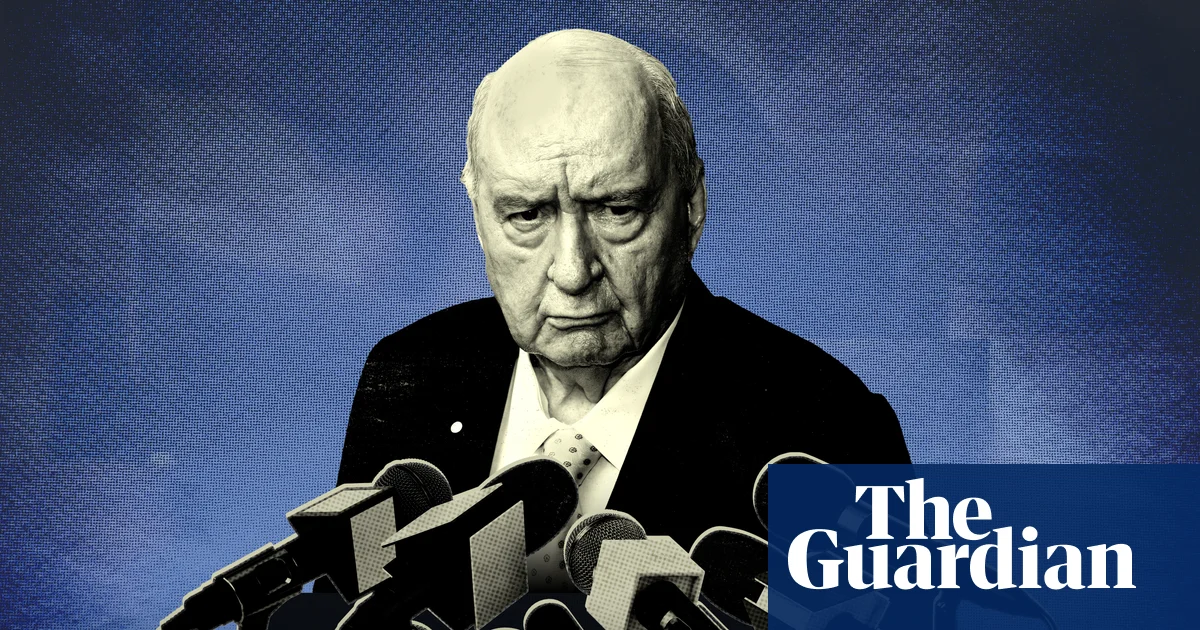
How Alan Jones went from one of the loudest and most powerful voices in the country to silence in a courtroom
He was friendly with a huge variety of politicians and sportspeople, and for more than three decades barraged his listeners with his opinions.
2,800 words~13 min read