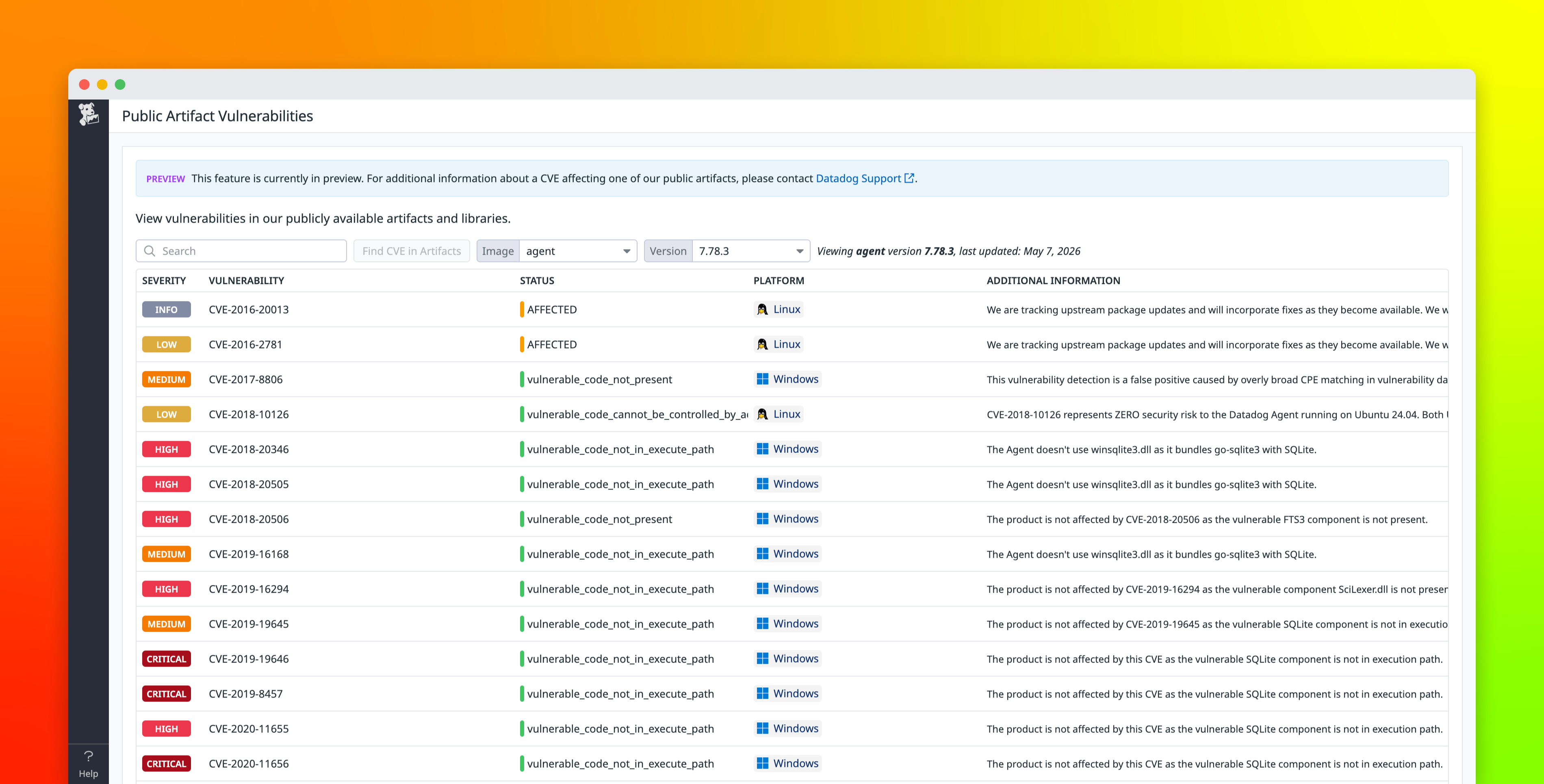
How many times this week have you learned about a critical vulnerability from a vendor newsletter, a Twitter thread, or a Slack message from a colleague—hours after it went public? And how many of those alerts were noise, commercial pressure, or simply irrelevant to your actual infrastructure?
The vulnerability intelligence game has become a game of noise. Every vendor wants to sell you their feed. Every security platform wants to own your threat perception. Every incident response consultant wants to monetize your fear. Meanwhile, your actual risk—the specific software running on your specific machines, in your specific context—drowns in the flood.
This is not a technical problem. It is a sovereignty problem.
I have spent the last few months building and refining an OpenCVE instance on modest hardware: a single RTX 4070 Ti homelab, running alongside 34 other Docker containers, no dedicated infrastructure, no cloud bill. The exercise revealed something uncomfortable: the difference between having vulnerability data and owning your vulnerability perception is not a scale problem. It is a control problem.
Why does this matter? Because the moment you outsource CVE intelligence to a platform you do not run, you outsource your threat model. You accept someone else's definition of "critical." You inherit their blind spots. You become dependent on their uptime, their API rate limits, their pricing decisions. In cybersecurity, dependency is risk.