Rescuers only managed to reach the worst-hit area more than 50 hours after the mudslide struck the trading hub of Gyirong.
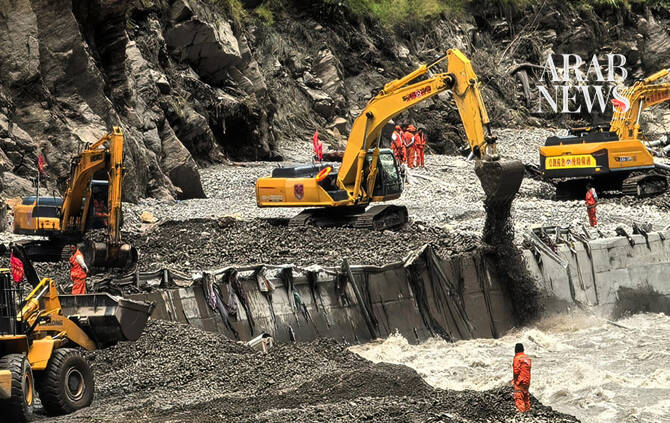
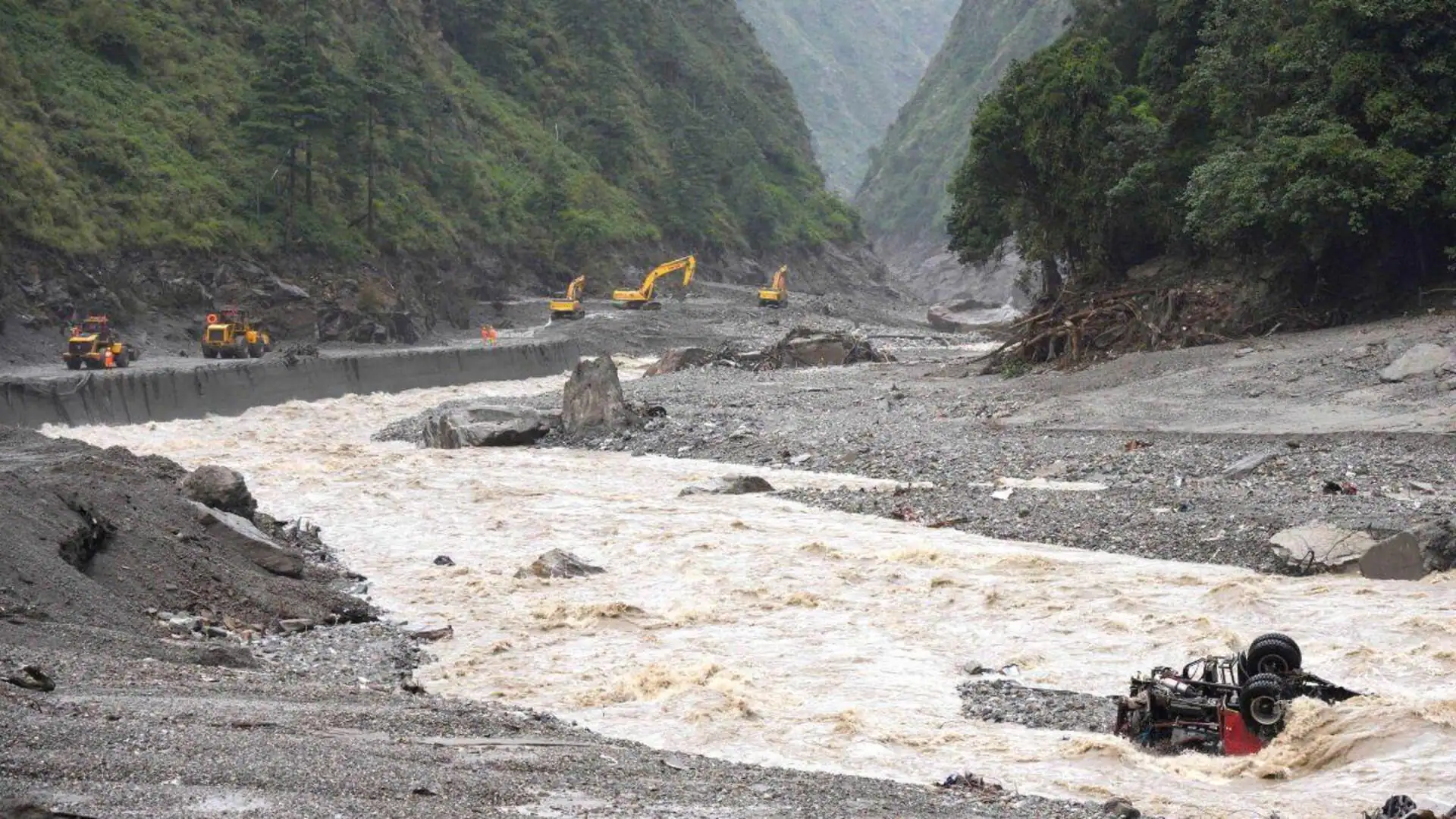
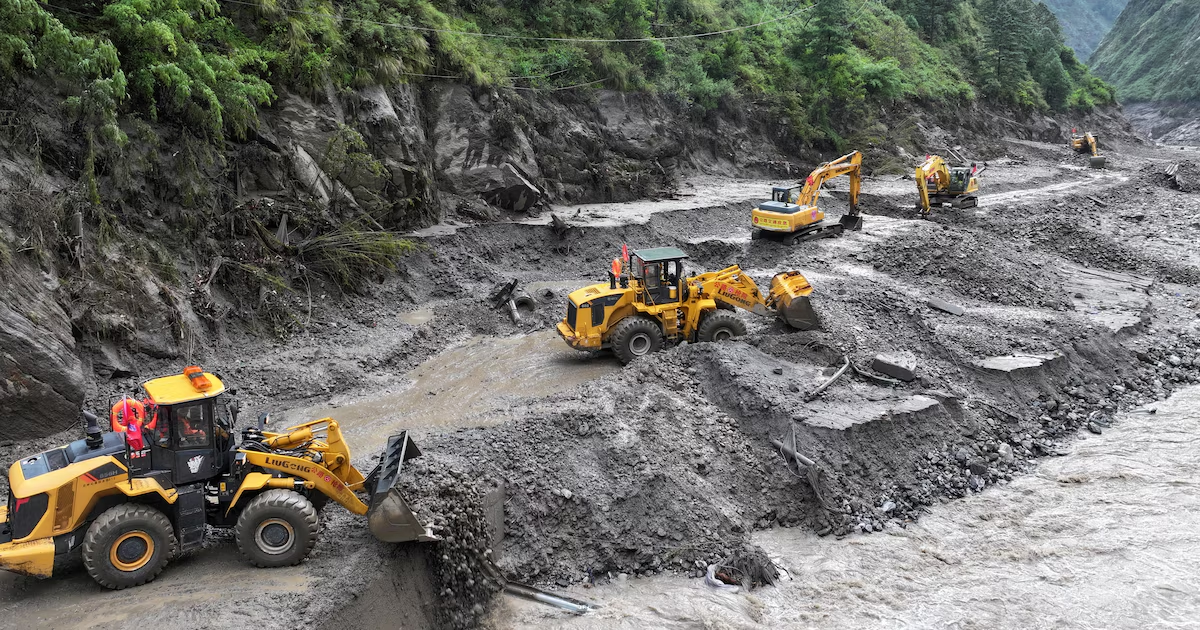
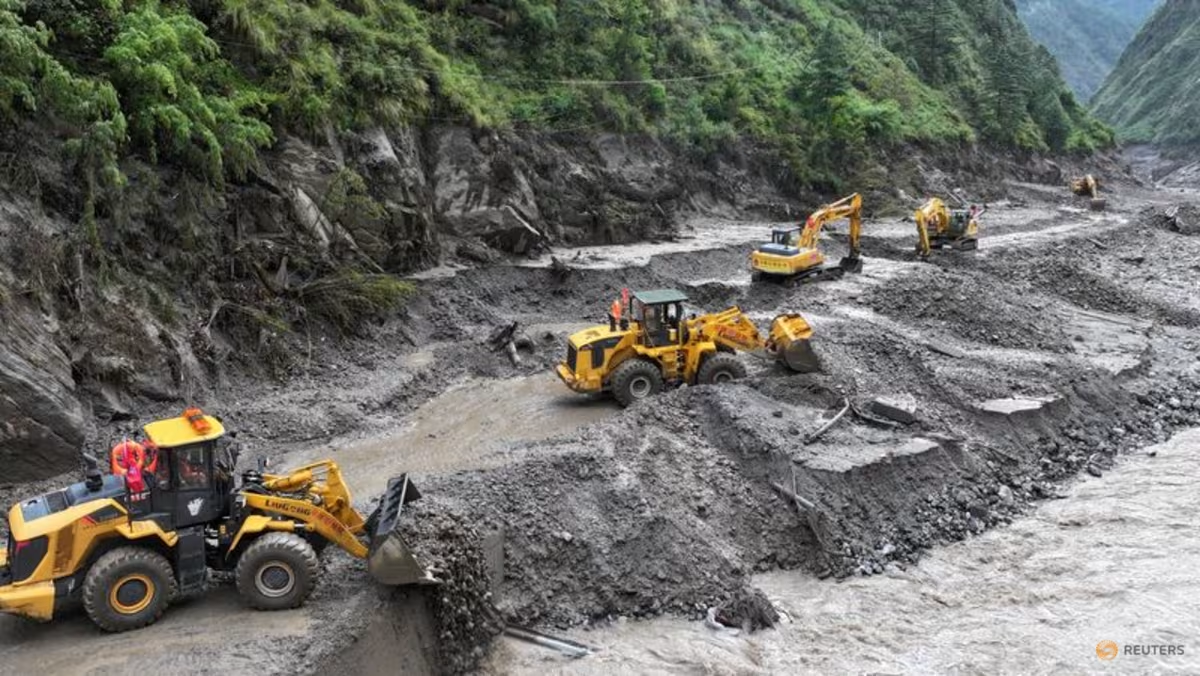
A drone view shows excavators and loaders in action as rescue workers repair a road leading to Gyirong Port after a mudslide, in Gyirong county, Shigatse, Tibet Autonomous Region, China Aug 28, 2026. (Photo: REUTERS/cnsphoto)
29 Aug 2026 01:06AM
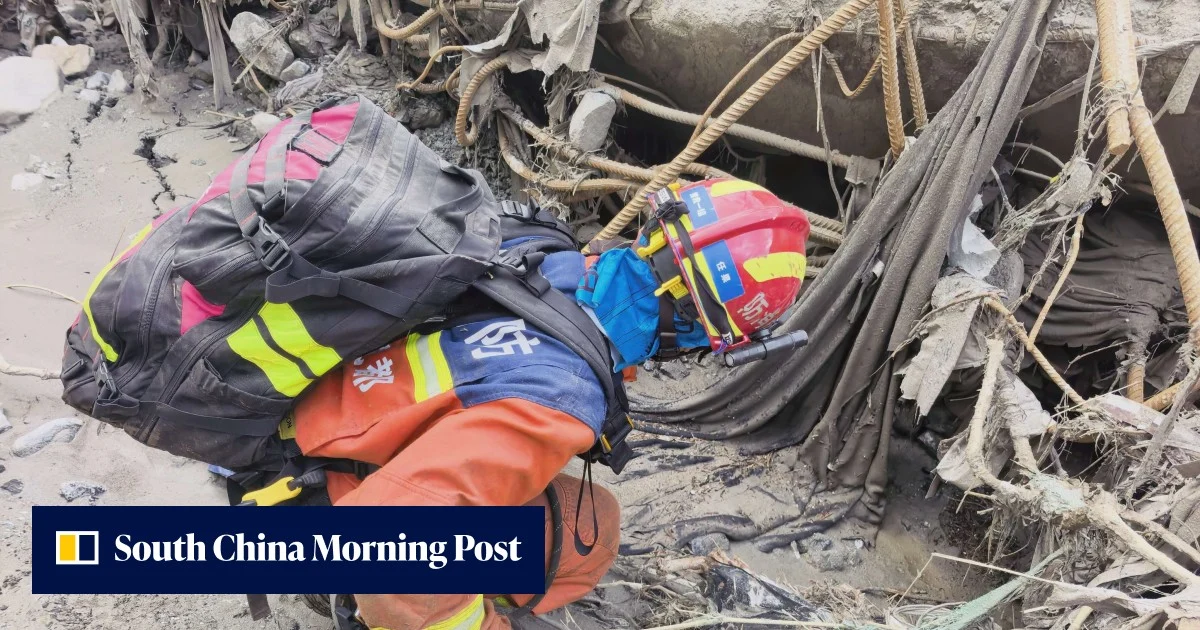
BEIJING: Risks of renewed flooding, heavy rain and roads covered in mud are complicating the search for hundreds of people missing in Tibet, two days after a deadly mudslide struck the China-Nepal border.The first rescuers reached the worst-hit site in Tibet on Friday (Aug 28) afternoon, Chinese state media reported.Their arrival came more than 50 hours after a wave of mud and debris crashed across the border into the trade hub of Gyirong on Wednesday morning.The death toll in Tibet from the mudslide rose from three to five by Friday afternoon, with 558 people still missing, according to figures released in China.
SECONDARY DISASTERSChinese officials have warned of "great difficulties" in the rescue operation because the border region remains at risk of secondary disasters.President Xi Jinping chaired a meeting of top leaders about the rescue, which they said "is facing great difficulties"."There are still many hidden dangers of glaciers, ice lakes and geological disasters in the surrounding area," state news agency Xinhua quoted the leaders as saying.A huge lake formed upstream after the mudslide hit on Wednesday, raising concerns that it could burst and cause further severe flooding. Rescue operations were temporarily paused earlier on Friday due to risks of "secondary disasters" from the lake overflowing, state broadcaster CCTV said.It said at the time that around "50,000 cubic metres of ice debris have flowed into the... lake", citing footage captured by a military drone.Hours later, another CCTV report said risks were "gradually decreasing" as water from the lake was "flowing out naturally, with the outflow discharge exceeding the inflow discharge".The US Geological Survey said the disaster was caused by a glacial collapse that triggered a vast flow of icy debris.