Read The Diplomat, Know The Asia-Pacific
In criticizing Kazakhstan’s Latinization effort, Russian media is not defending the Russian language or the Cyrillic alphabet, but the symbolic, ideological, and geopolitical hierarchy of the Russian world.
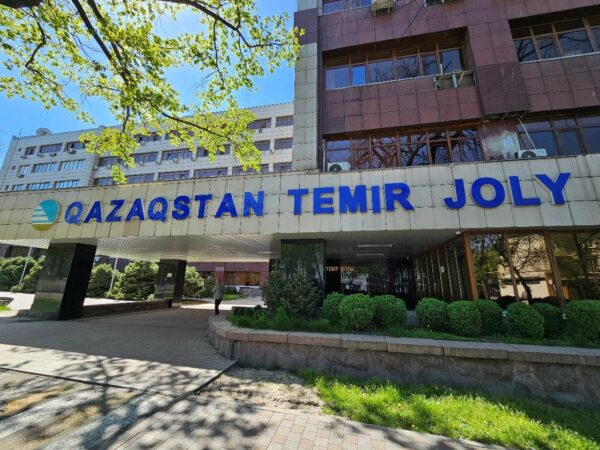
Kazakh National Railway Office in Almaty. Signage in Latin. Almaty, May 2026.
In July 2025, my feature titled “Scripts and Power: How Russian Media Frame the Latinization of the Kazakh Language” was published in The Diplomat. There, I argued, based on my analysis of over 200 articles, that Russian media views Latinization through a politicized lens and relies on conspiratorial, colonial, and nostalgic narratives in commenting on Kazakhstan’s script reform.
Shortly after, Russian outlet Ritm Evrazii published a piece, “Latin Poison for Kazakhstan,” as a direct response to my feature. Its author, Vladislav Makarov, discussed “the bewilderment among Russians caused by Kazakh officials’ stubborn desire to ban the Cyrillic alphabet.” Makarov further argued that Moldovan or Azerbaijani cultures have not become known worldwide because of their switch to Latin and that the new alphabet serves to “tie [post-Soviet republics] to their new overlords.”