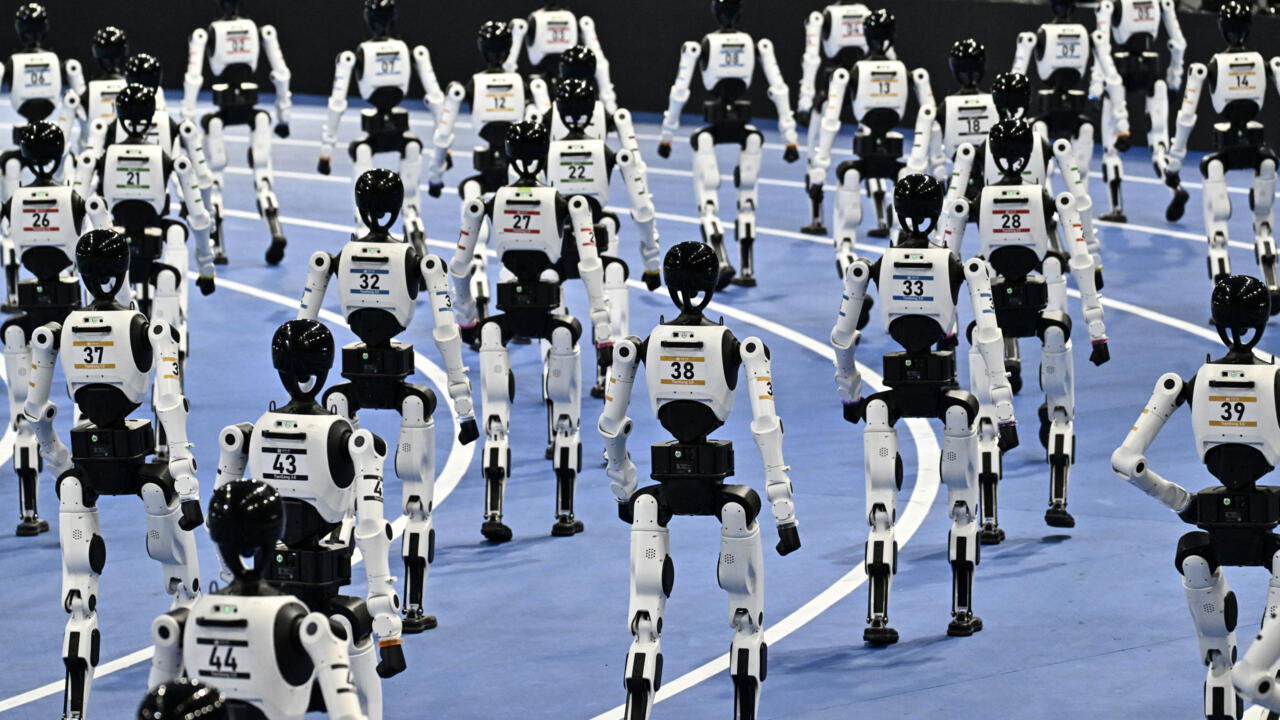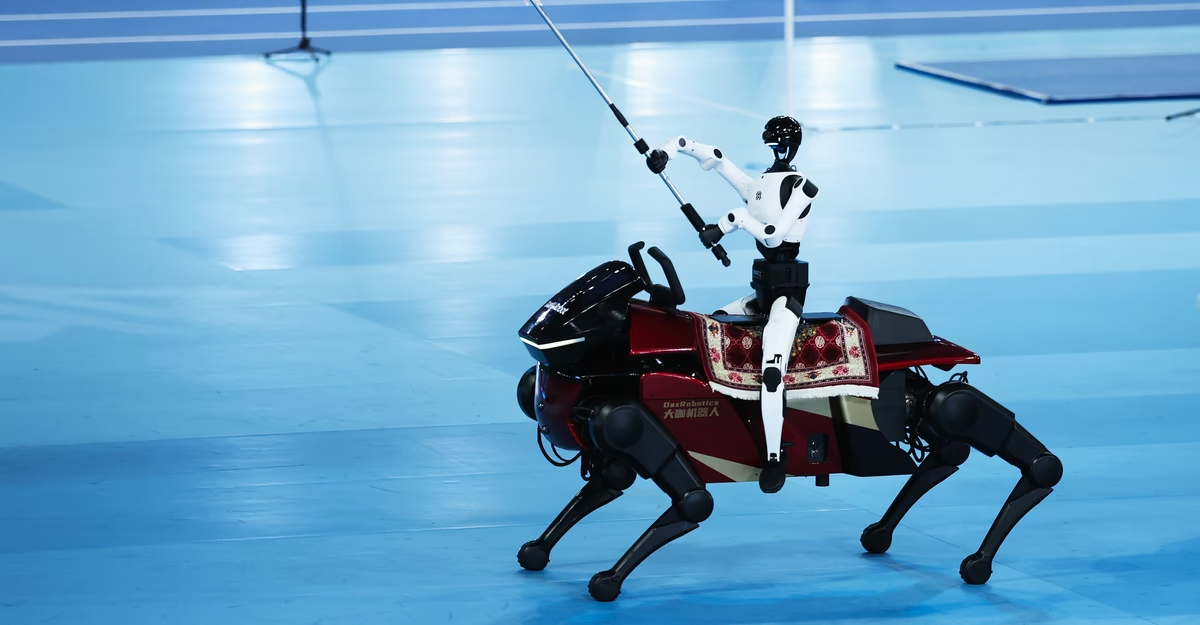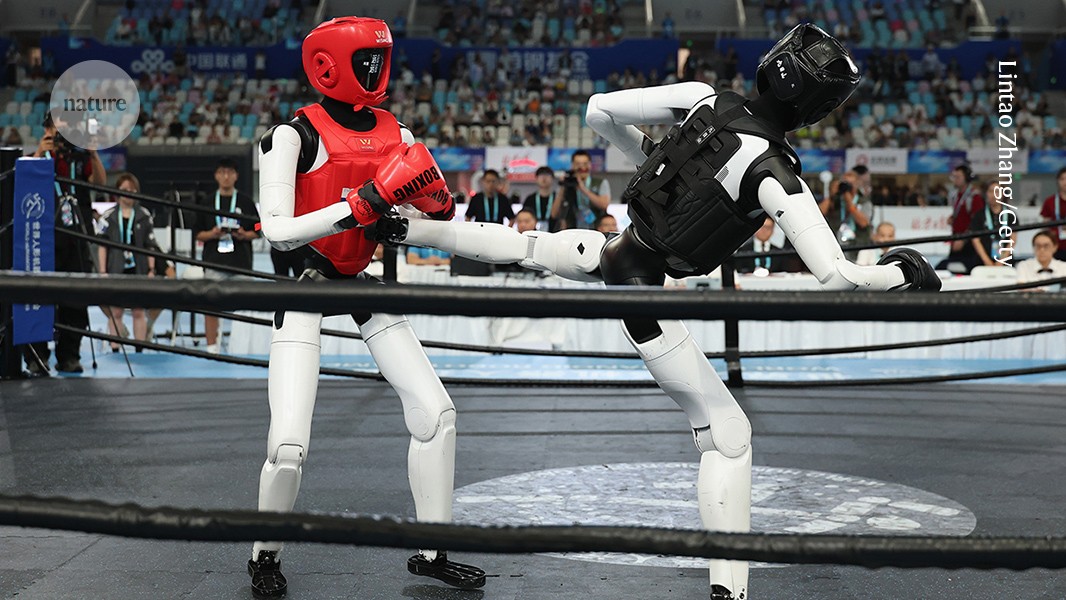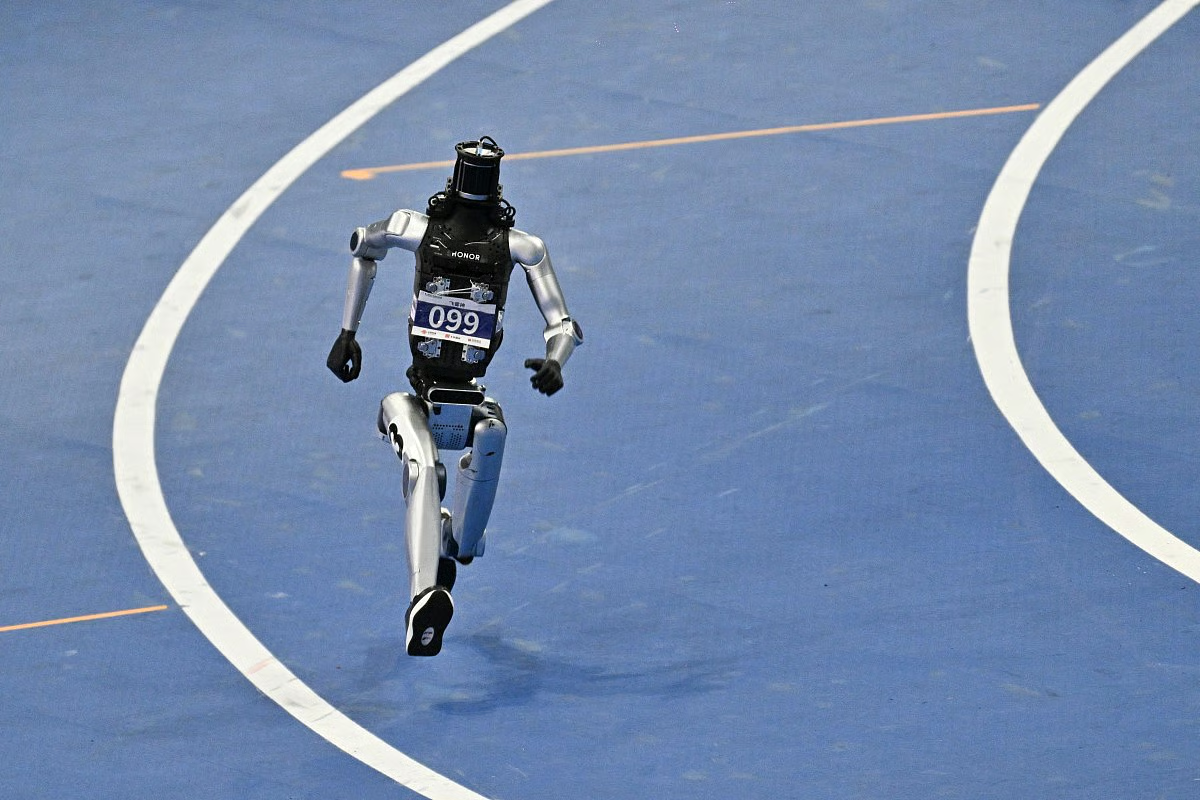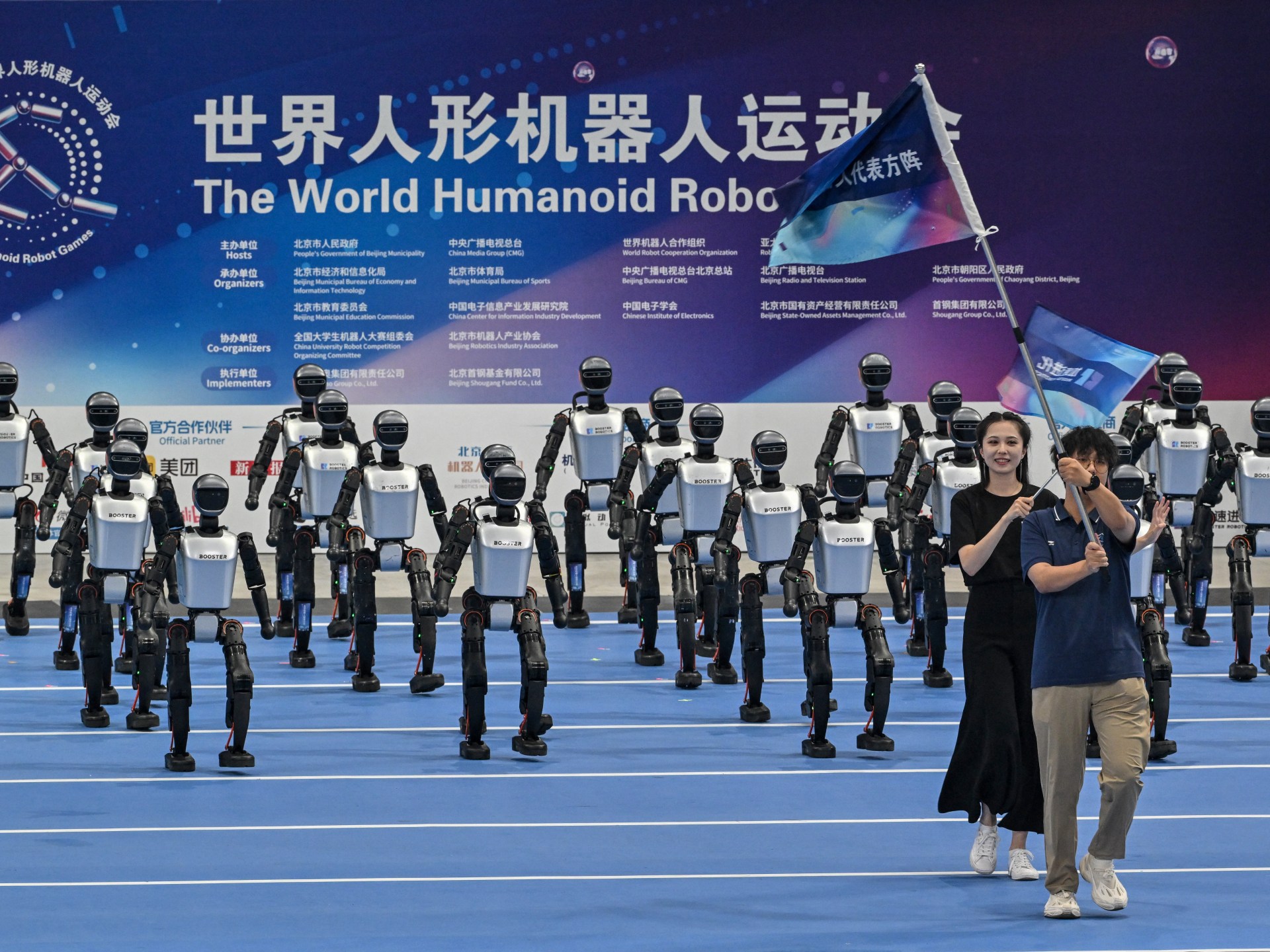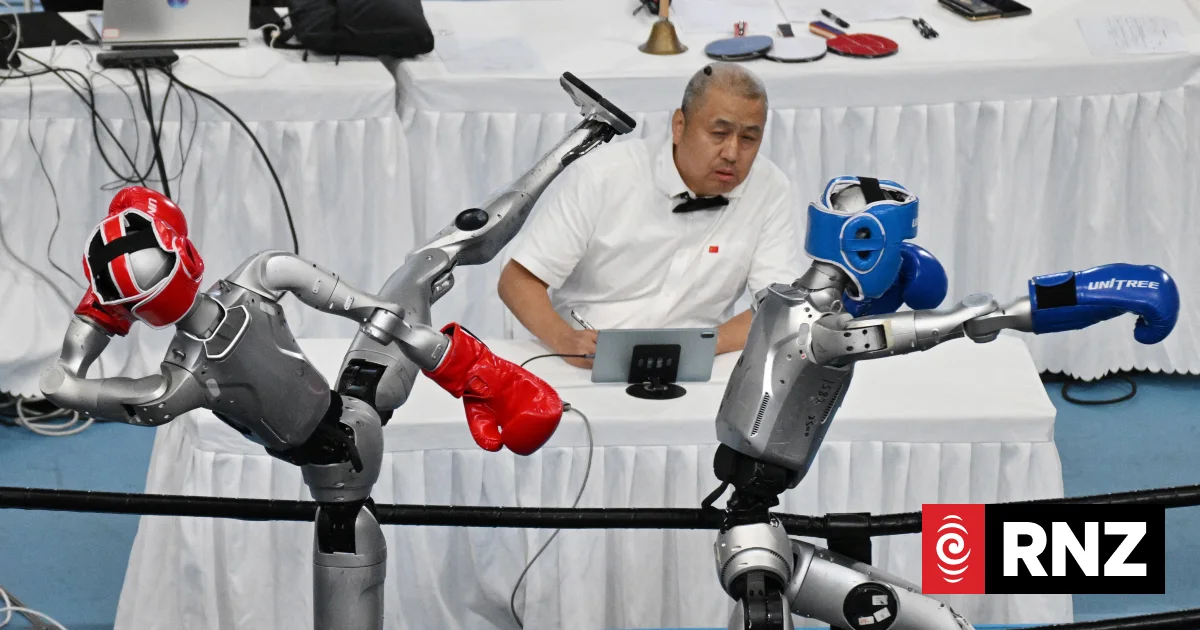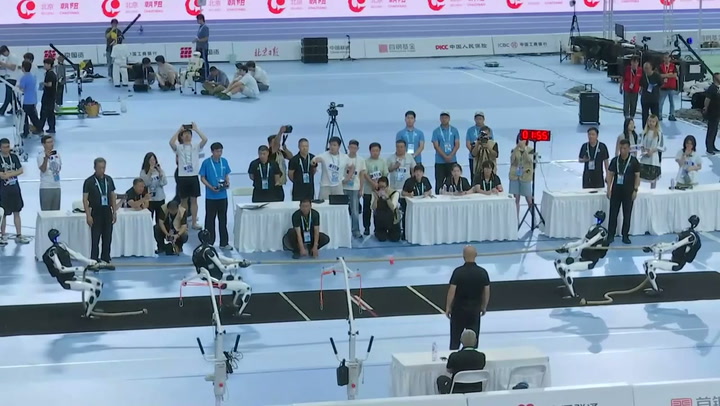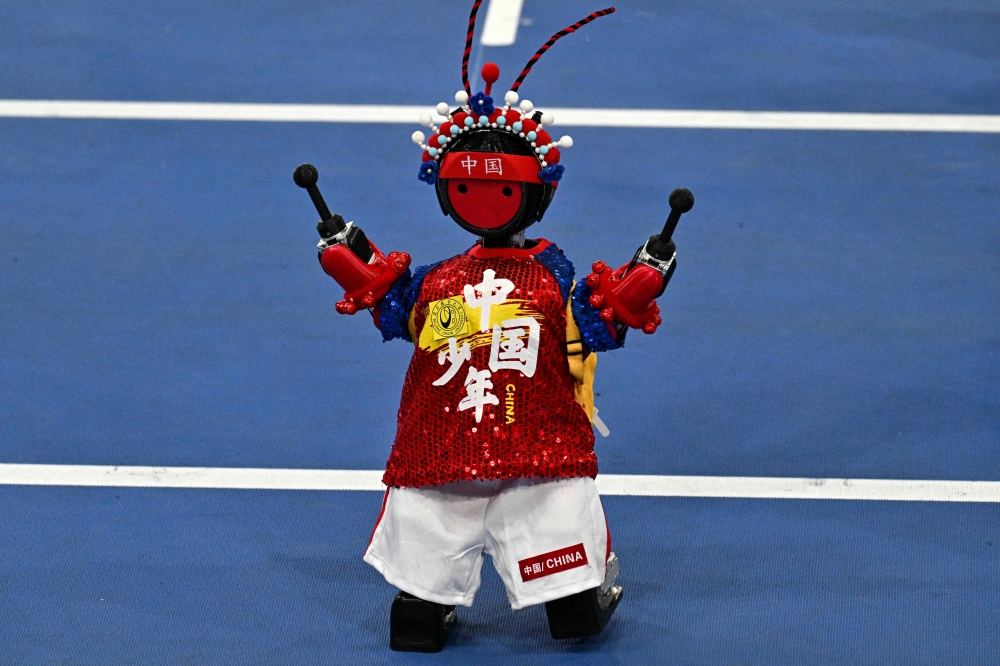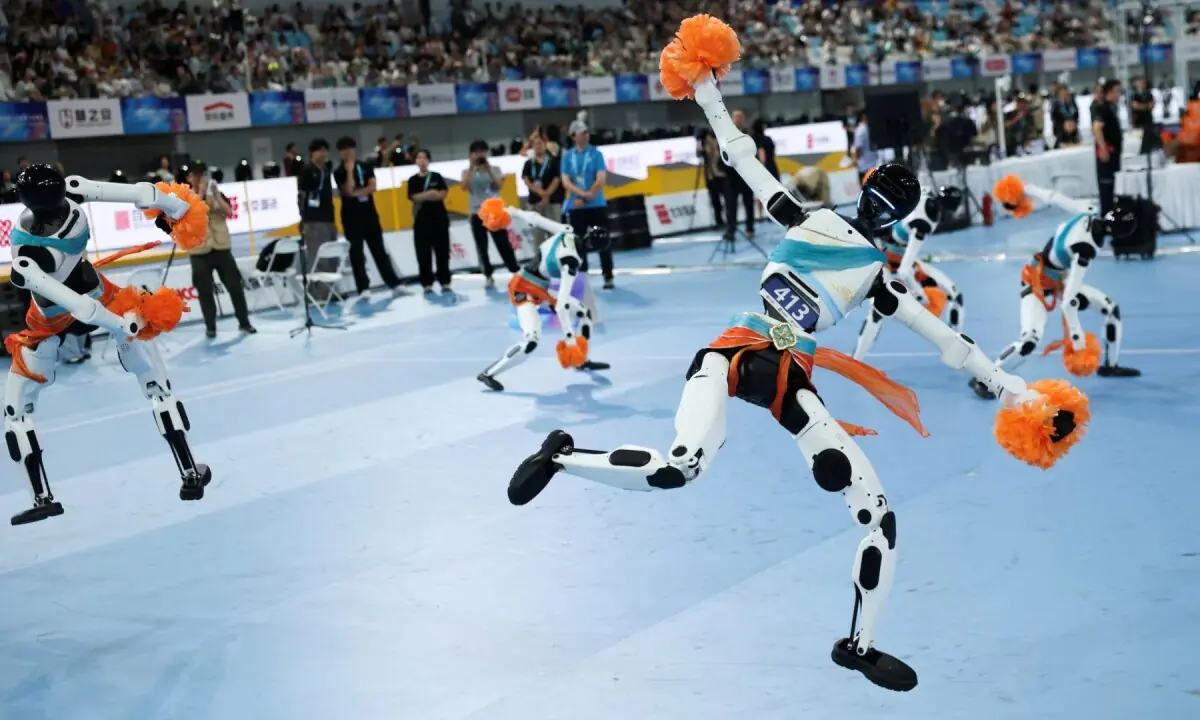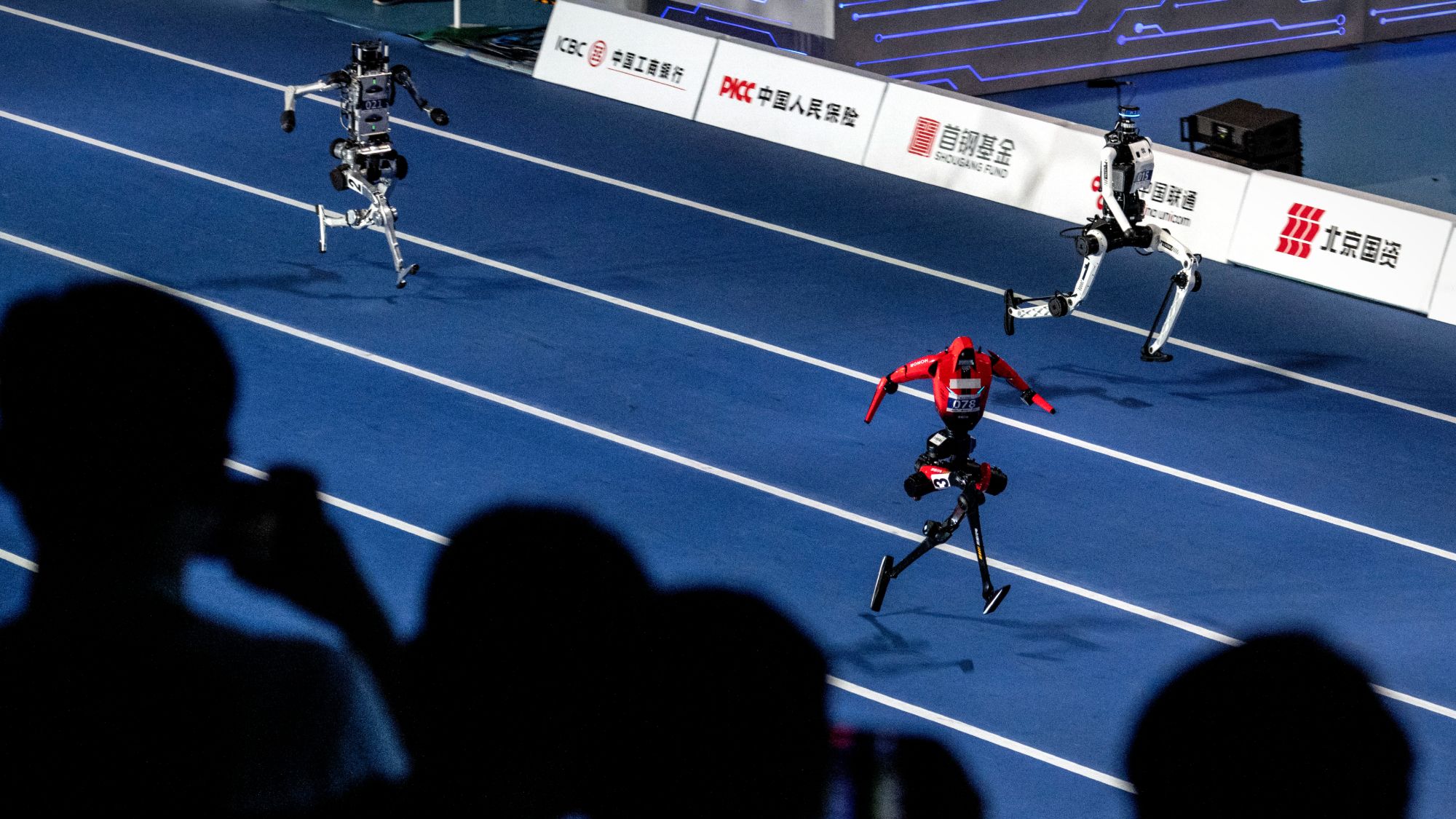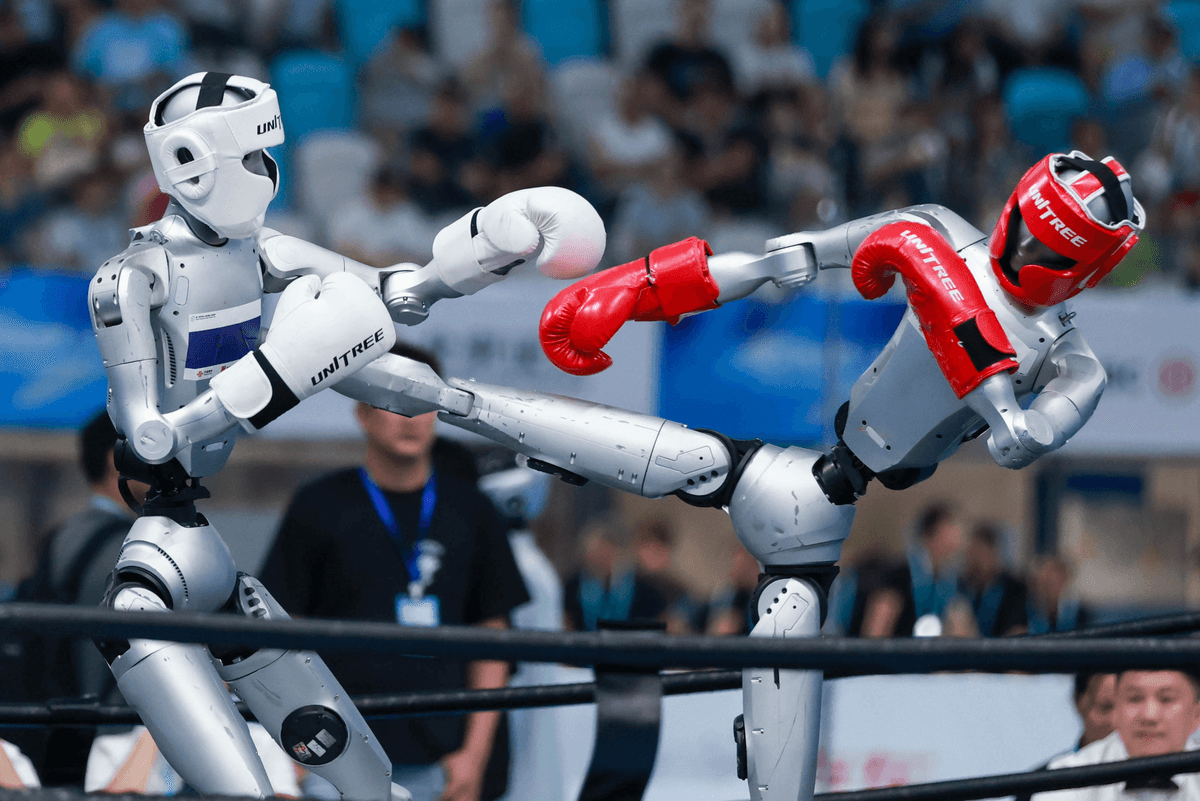
The World Humanoid Robot Games returned for a second year in Beijing, bringing together some 2,000 robots vying to prove their human-like sporting prowess.
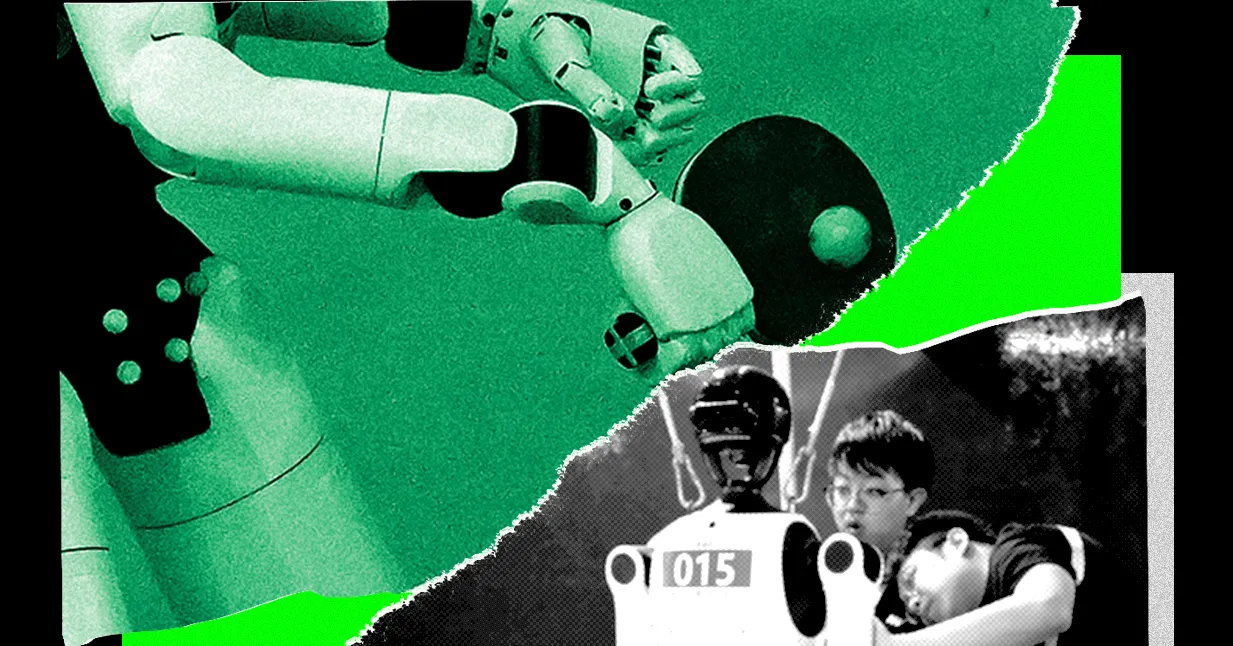
The games, held in late August, featured 666 teams from 16 countries competing in events including football, dance and table tennis. The challenges weren’t limited to sports, though: the robots also demonstrated their versatility in scenario-based events that simulated household and hotel services, as well as firefighting.
@chinaliuyusen After dominating sprint races, TianGong 3.0 steps onto the weightlifting stage. Fully autonomous, it grips the barbell, lifts it overhead and holds steady for a valid attempt. Humanoid robots are not only fast runners. Power output and balance control are another tough test. Every successful lift is a solid breakthrough for embodied AI technology. #WorldHumanoidRobotGames #WorldRobotConference #TianGong3.0 #HumanoidRobot #RobotWeightlifting ♬ 原創音樂 - China LiuYusen
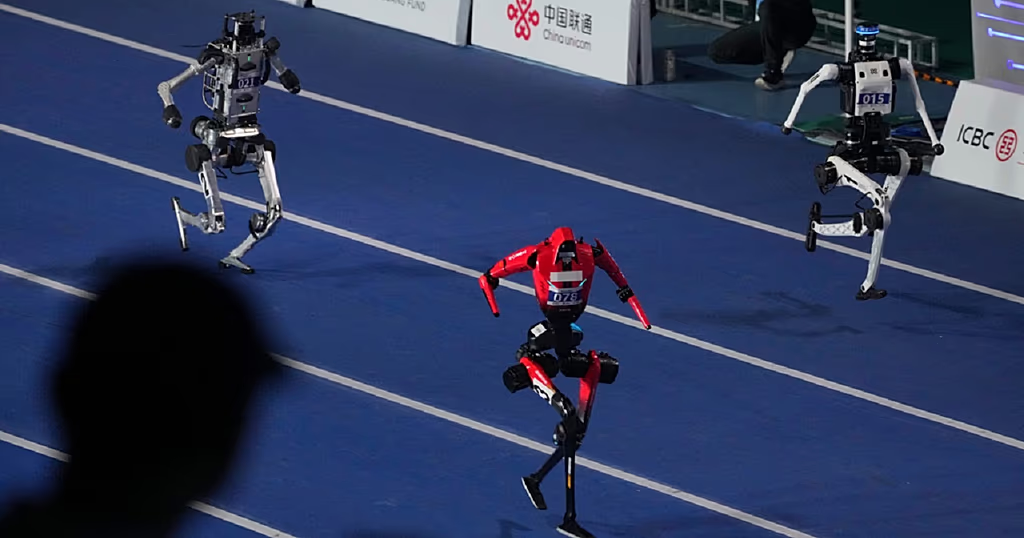
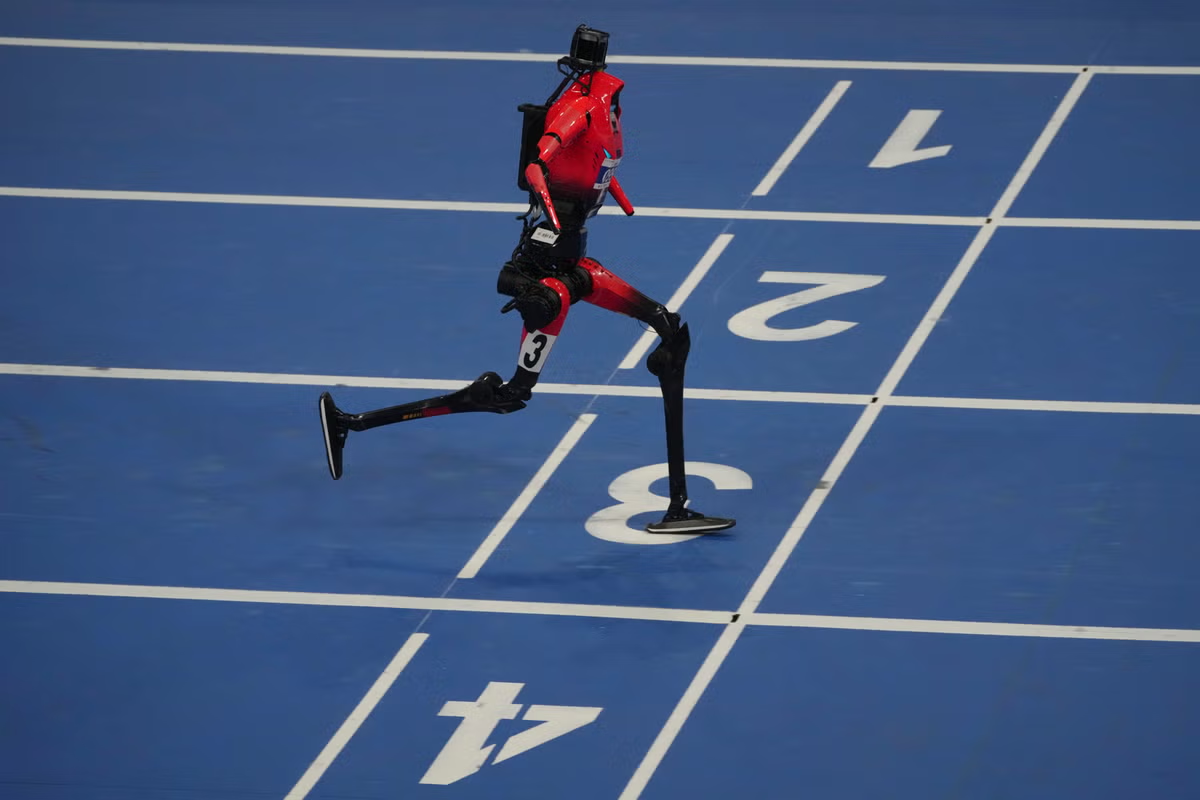
Track events like the 400 metres, 1,500m and 4x100m relay were reclassified this year as fully autonomous, meaning no human remote control or intervention of any kind was allowed. Additionally, organisers added a new contest testing dexterous robotic hands, featuring tasks like bottle-opening and bean-picking.