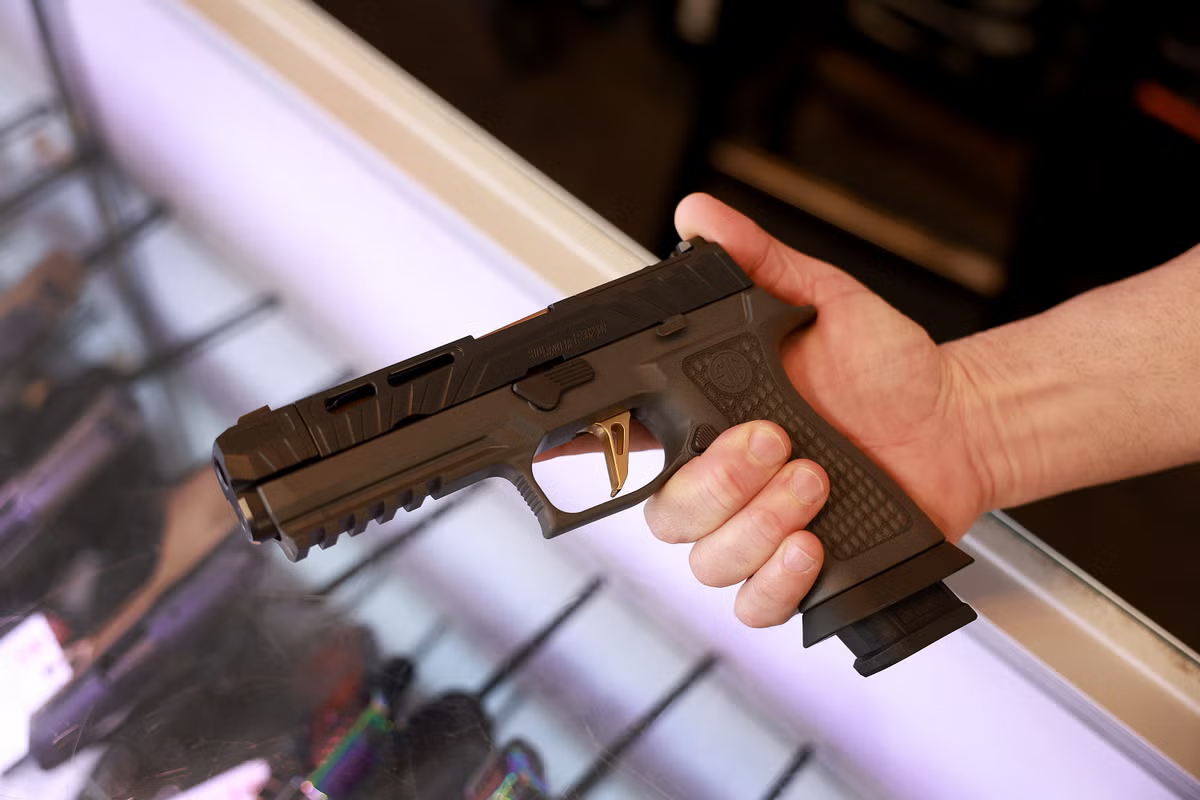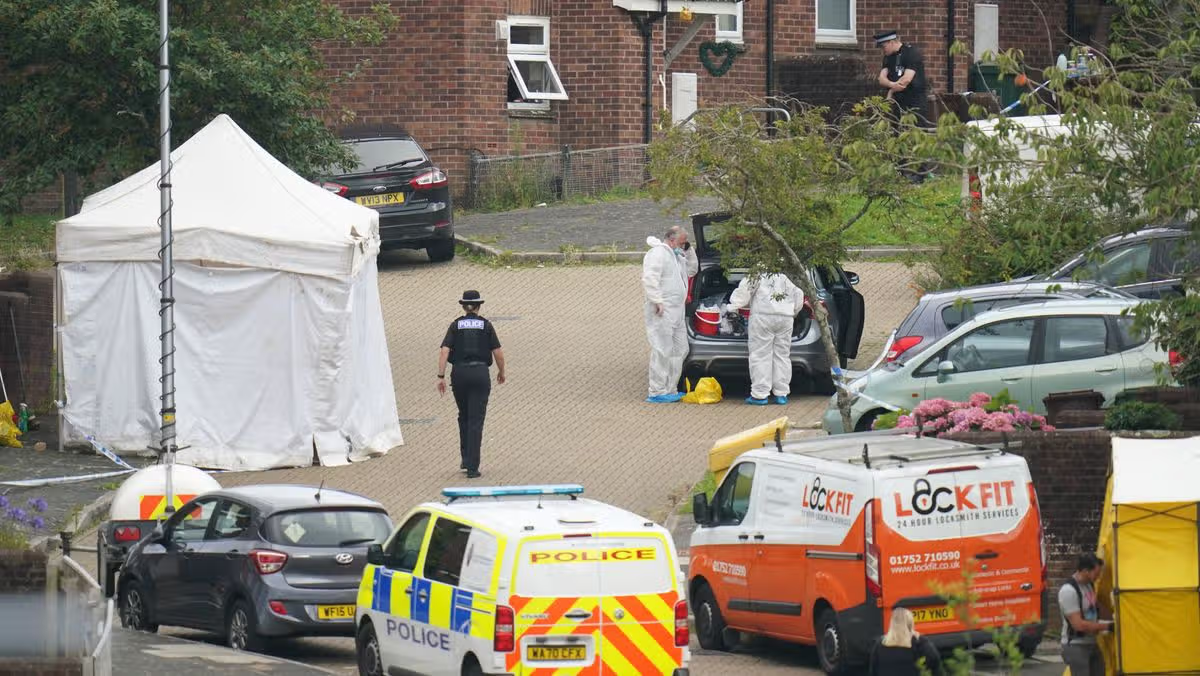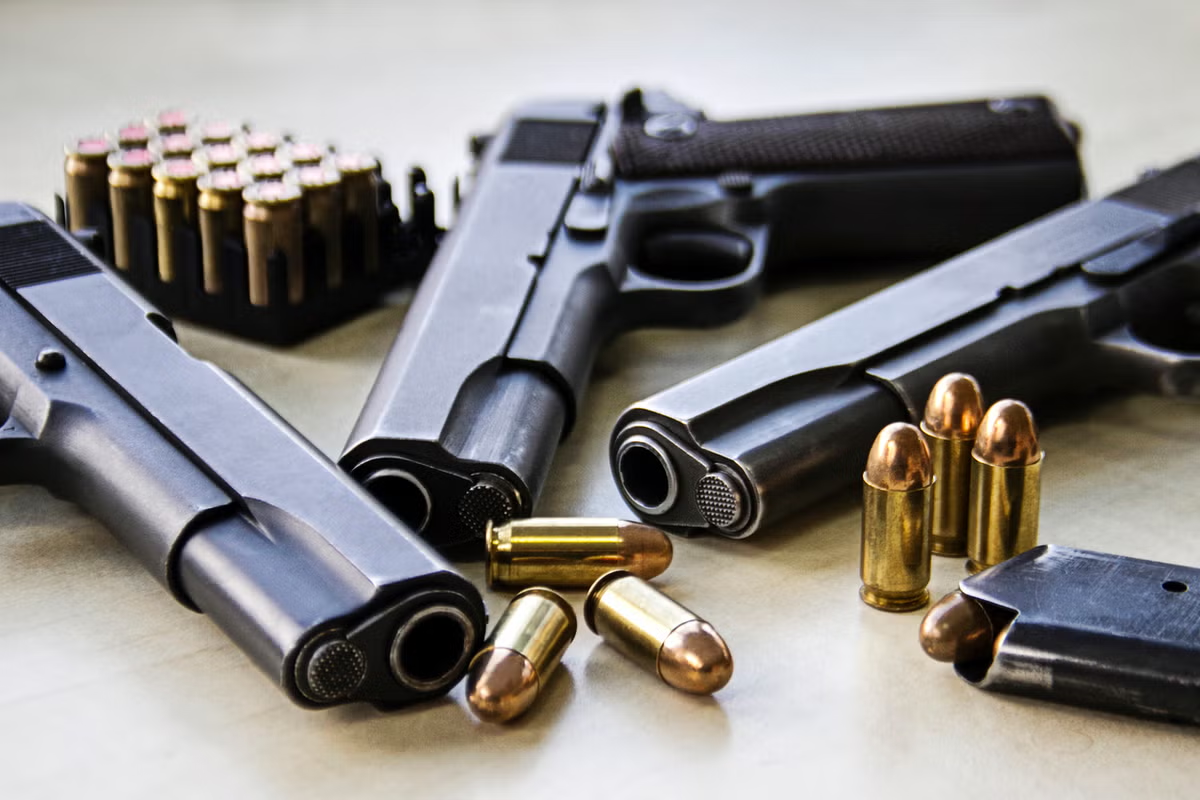
The gun licensing system is putting public safety at risk, inspectors have warned.There are nearly 500,000 certificate holders for firearms and shotguns in England and Wales. During the 10 years to March 2025, shootings involving legally held firearms led to the murder of at least 39 people.The firearms licensing system in England and Wales is not fit for purpose with a “postcode lottery” in the level of scrutiny faced by applicants and certificate holders, His Majesty’s Inspectorate of Constabulary and Fire & Rescue Services (HMICFRS) said.The inspectorate blamed “unclear guidance and legislation” combined with “poor supervision and oversight” for the shortfalls, and called for a new national authority to be established.But what are the gun laws in the UK and what do campaigners want to change?The firearms licensing system in England and Wales is not fit for purpose, His Majesty’s Inspectorate of Constabulary and Fire & Rescue Services have warned (Getty/iStock)What does His Majesty’s Inspector of Constabulary want to change? The inspectorate said a new authority should replace the current 38 firearms and explosive licensing units.His Majesty’s Inspector of Constabulary Lee Freeman said: “Most of the nearly 500,000 certificate holders use their firearms and shotguns responsibly for lawful recreation or as essential tools for work. But they are faced with a postcode lottery in the service they receive from firearms and explosive licensing units.“They, and the wider public, deserve a system that is clear, consistent and robust. We found the current system is none of these things.“This is not the first time the inspectorate and others have raised concerns about firearms licensing, and change is now overdue.“A new national firearms licensing authority should be created to better protect public safety. Further tragedies shouldn’t be required before action is taken.”What do campaigners say? Campaigners have previously suggested the 50-year-old Firearms Act is not fit for purpose after shooting incidents.In one such case in Plymouth in 2021, Jake Davison, 22, killed his mother Maxine, 51, and then shot dead three-year-old Sophie Martyn, her father Lee, 43, Stephen Washington, 59, and Kate Shepherd, 66.He then took his own life as he was confronted by an unarmed police officer.Davison legally held a shotgun certificate and weapon, having been obsessed with firearms from a young age due to a trait in autism of developing a “special interest”.His weapon and certificate were seized in September 2020 after Davison was captured on CCTV punching a 16-year-old boy up to nine times in a skate park, but were handed back to him just five weeks before the killings.In a preventing future deaths report, the Senior Coroner for Plymouth, Torbay and South Devon, Ian Arrow, called for a “root and branch” reform to firearms licensing laws, saying that the Firearms Act was at “odds with public safety and the fundamental principle that owning a gun is a privilege and not a right”.He called for the government to align the licensing regime for shotguns with other firearms.Police in Biddick Drive, Plymouth, following the shootings (PA Archive)What is the law? Licenses for firearms are managed locally by police forces and those who want a licence must apply to their local police force. Organisations such as target shooting clubs, museums and firearms dealers must apply for licenses if they wish to possess or use firearms. The process for having a shotgun certificate is simpler than other firearms because shotguns have legitimate uses such as sporting pursuits and helping farmers control vermin on their land. Police must be satisfied that the applicant can be entrusted with a firearm, and has good reason to own one. Public safety is expected to be the main consideration for the police before issuing a licence.Licenses must be renewed every five years but police forces are expected to monitor license owners to ensure they still meet the criteria to own a firearm.The police can revoke a licence at any time if they deem that the individual is no longer fit to own a firearm and the courts also have powers to cancel licenses in certain circumstances.Anyone who is sentenced to a term of imprisonment of three years or more cannot possess a firearm or ammunition, including antique firearms, at any time.Responding to the HMICFRS report, a Home Office spokesperson said: “The UK has some of the toughest firearms laws in the world.“We have taken significant steps in recent years to strengthen firearms licensing, including publication of robust statutory guidance for police, the introduction of mandatory medical checks, new national training for forces, and increases in firearms licensing fees.“A number of recommendations in this report reflect work already underway. This includes a review of firearms licensing arrangements which is taking place as part of the Government’s wider police reform agenda.“We will work closely with policing partners to consider the report and take forward any further action that may be required to strengthen firearms controls and keep the public safe.”
UK gun laws explained after serious warning issued by inspector
About 500,000 people hold a certificate for firearms in England and Wales
810 words~4 min read