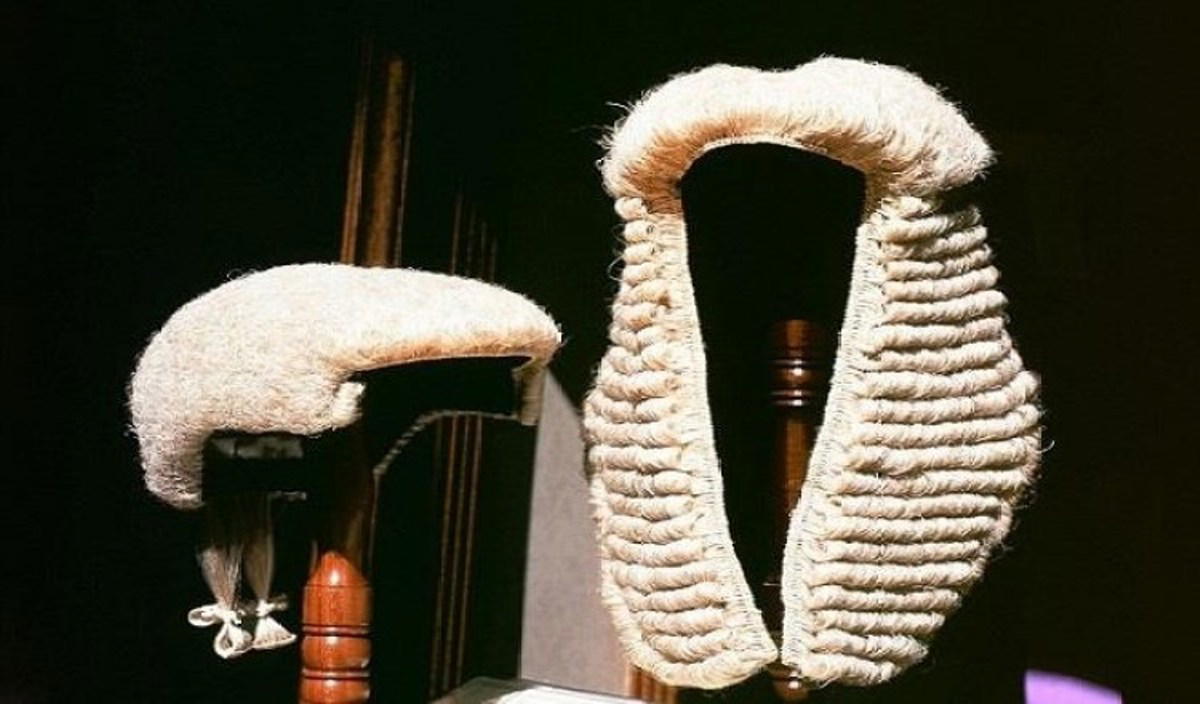
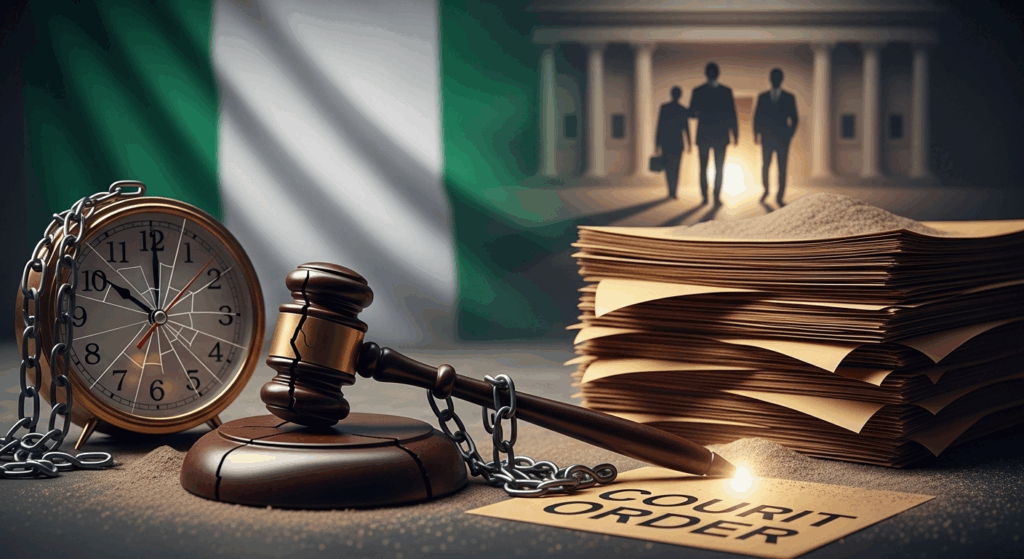
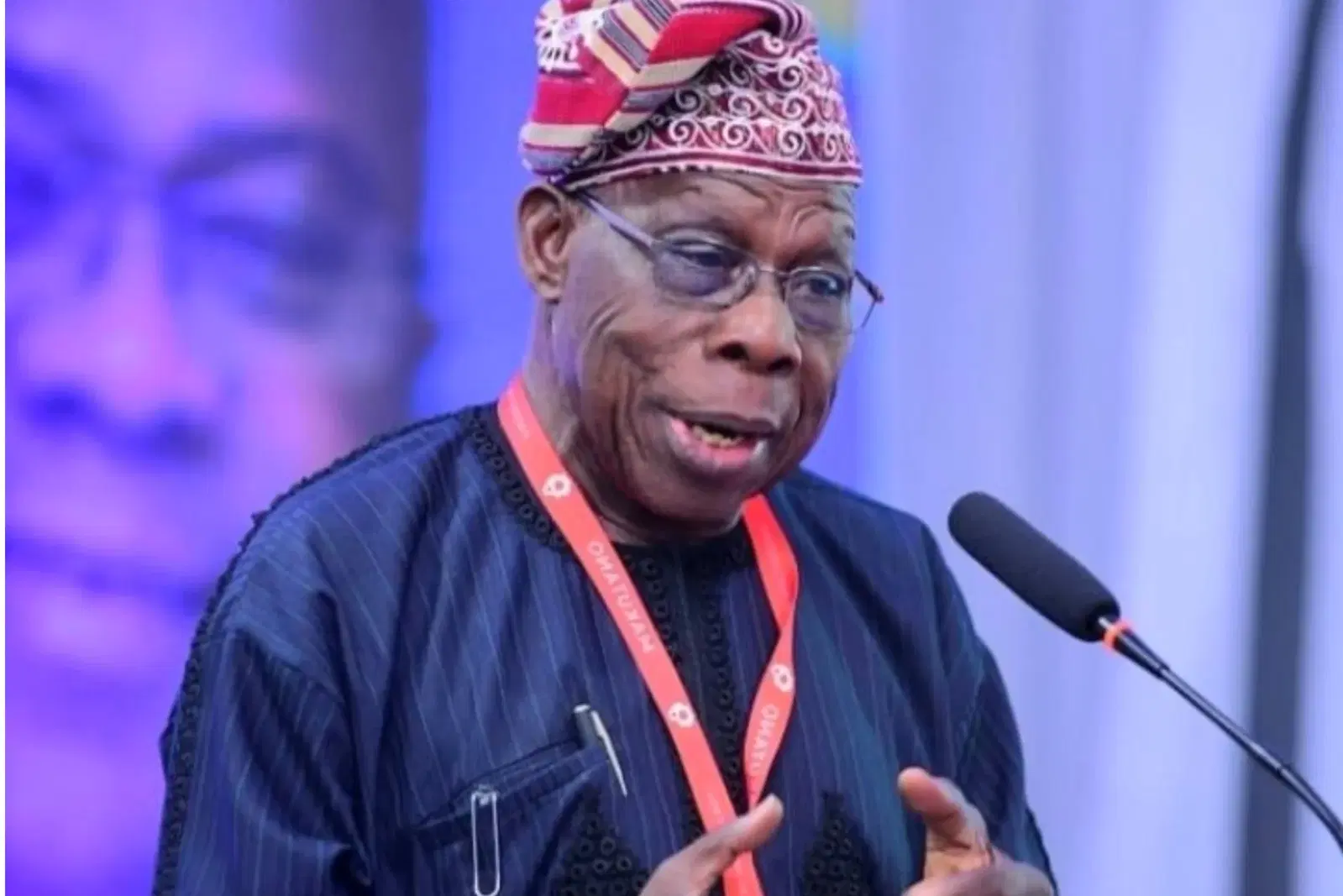
Recently, a former head-of state and president at two different times in our contemporary political history made public statements in the media about why the courts should not be the decider in electoral matters, especially in elections. He labelled verdicts that come from courts on such matters as “Cathedral judgements.” And also, so many people make such claims lately, as if this trend is entirely new and strange to our polity. In our country today, where the majority of people suffer from “collective amnesia”, it is imperative to examine whether the courts of law have overreached themselves as arbiters in election matters, by probing whether the trend is a new phenomenon in our electoral-judicial issues.
For millennials who may not be enthusiastic about Nigeria’s political history, it is easy to conclude erroneously that this trend is a new introduction to our politics in the last two decades. From available empirical realities, that is certainly not the situation. Taking a look back at the beginning of the Second Republic in 1979, our political transition programme, interestingly brokered by the same former president who made the claim in his capacity as military head of state then, with the presidential election, ended up in the courts. It was the Supreme Court that affirmed the victory of late Alhaji Shehu Shagari as the duly elected president.