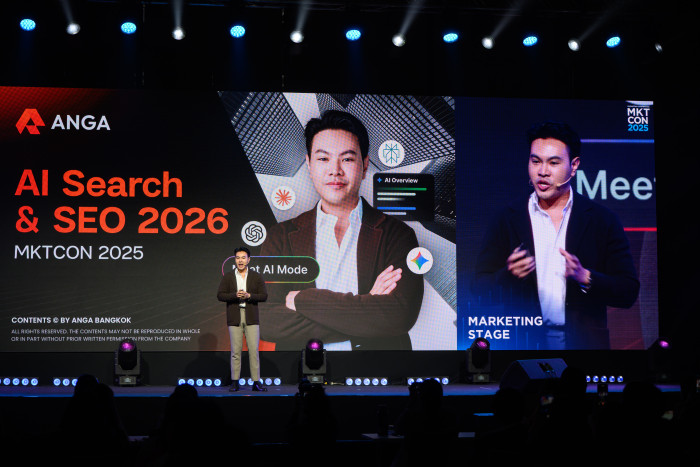
AI-powered search is changing a central SEO question: not only whether a page ranks, but whether a business can see how its information is selected, cited and surfaced in an answer. That concern is gaining weight as Google expands AI features in Search and conversational tools such as ChatGPT become more relevant discovery destinations. The evidence points to a genuine measurement challenge, although it would be premature to describe AI search as universally less transparent than conventional search.
Google has consistently presented source links and user control as part of its approach. Its May 2024 explanation of AI Overviews said the feature includes links to supporting web sources. More recently, Google's I/O 2026 update on AI Search described AI agents, an AI-powered Search box and Personal Intelligence, with transparency, choice and user control identified as design priorities.
For marketers, the tension is straightforward. Links and citations can make an AI answer more traceable for users, but they do not automatically provide the familiar reporting model of rankings, impressions, clicks and referral paths. When an answer synthesizes information from several pages, a source may contribute to the response without receiving the prominence, traffic or measurement clarity it would have expected from a high traditional ranking.