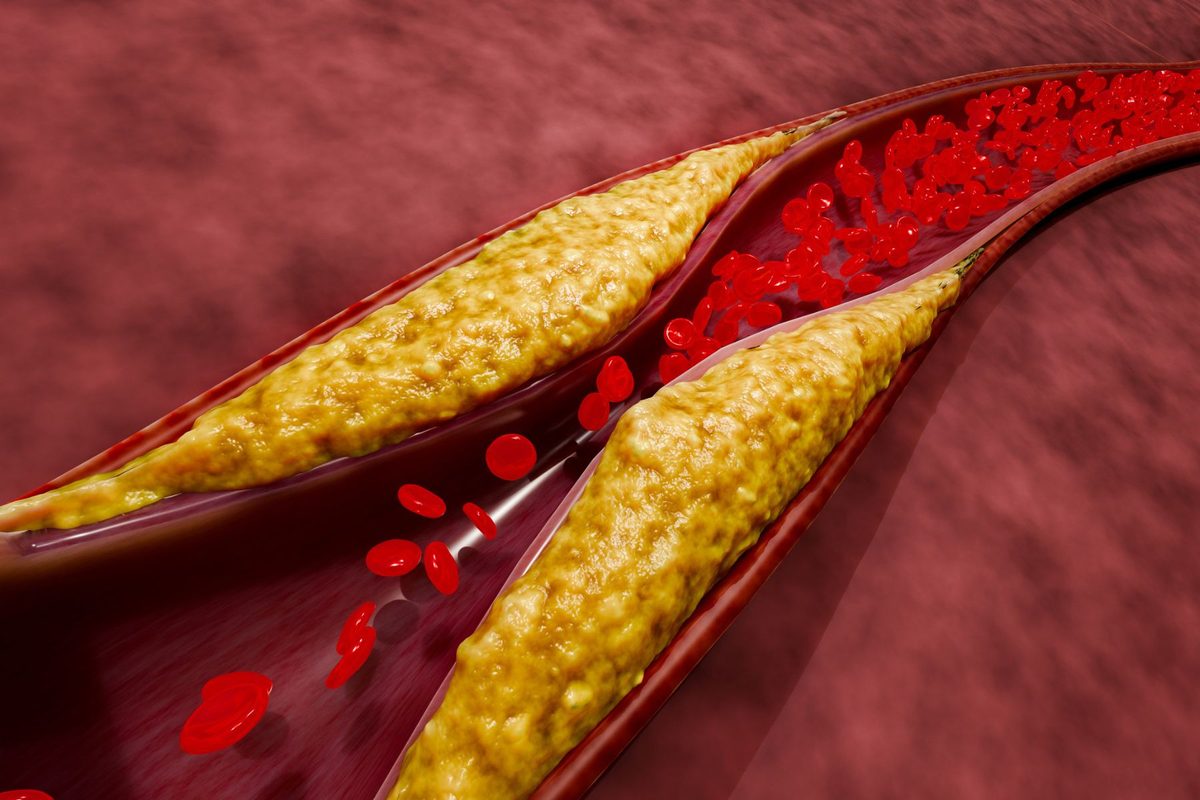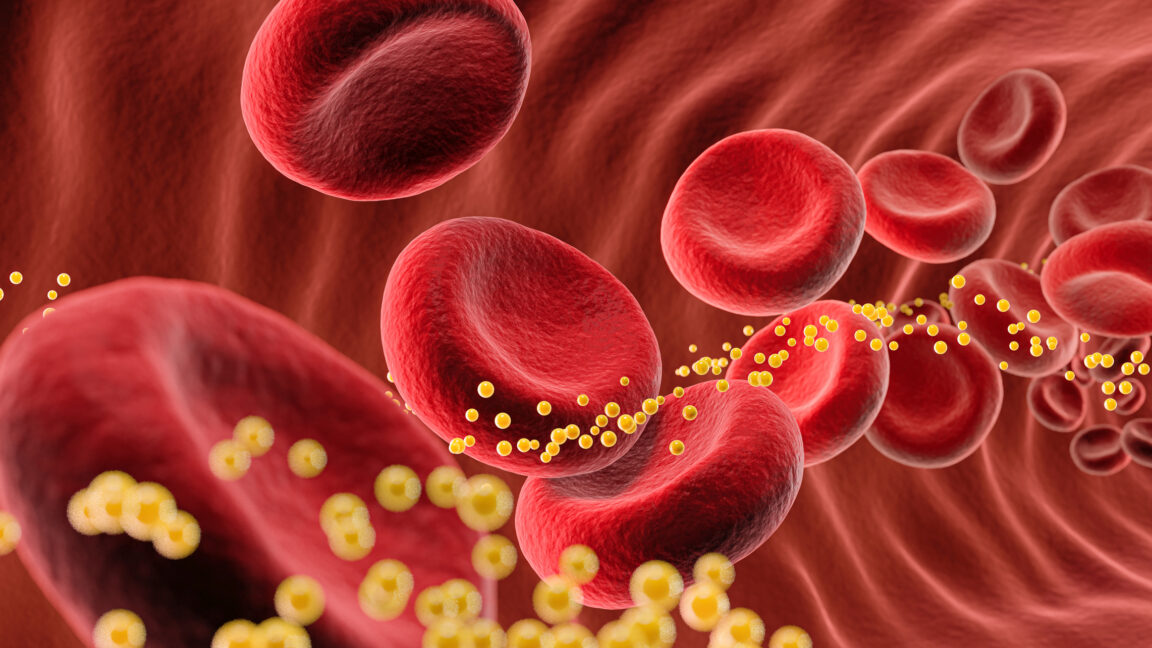
A one-time snip of a key gene lowered heart-clogging cholesterol by about 50% over an entire year with no adverse effects, scientists have reported.
The overwhelmingly positive results were found in four people who had taken the highest dose of the experimental treatment during a pilot study published in The New England Journal of Medicine in November 2025.
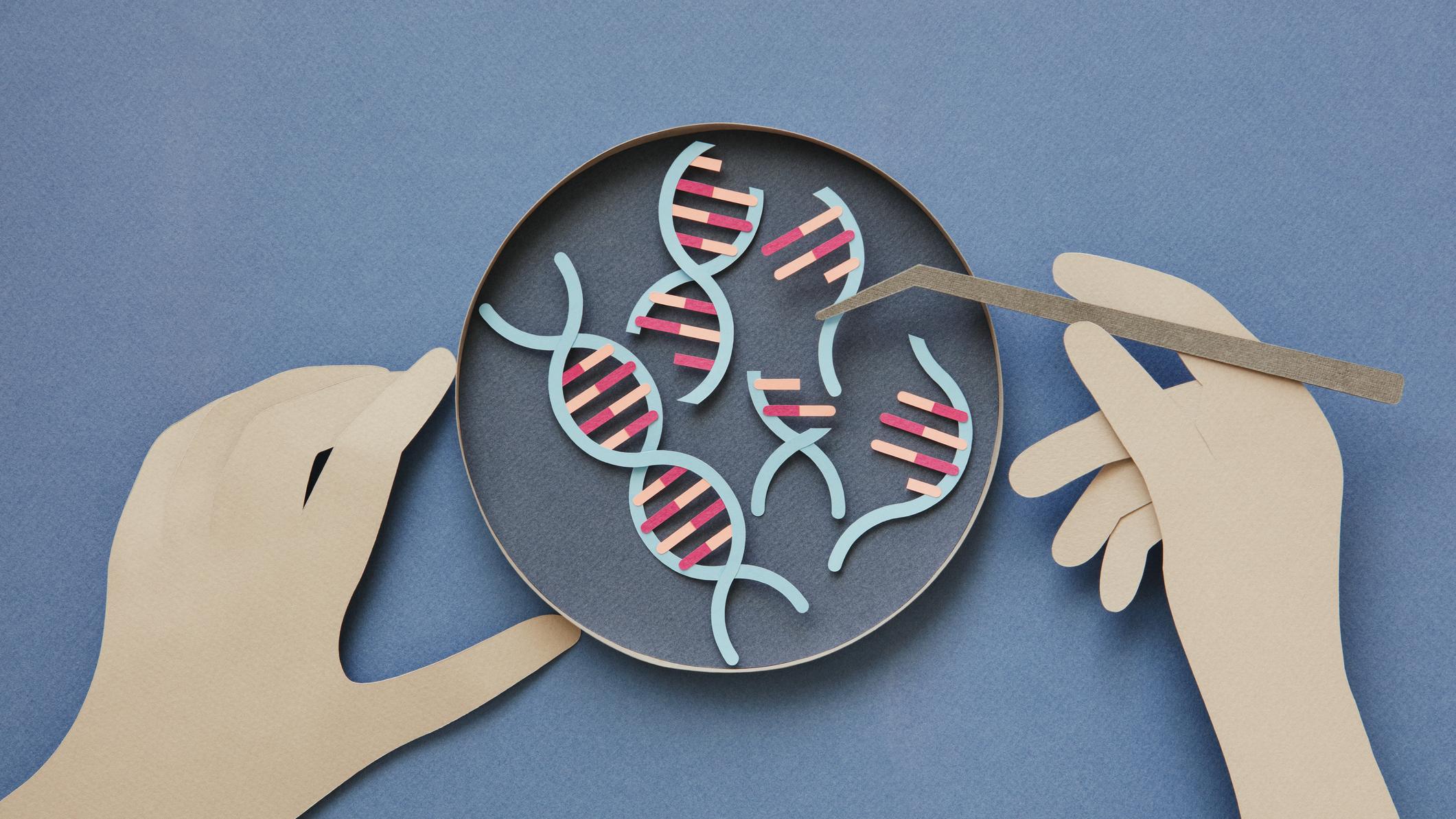
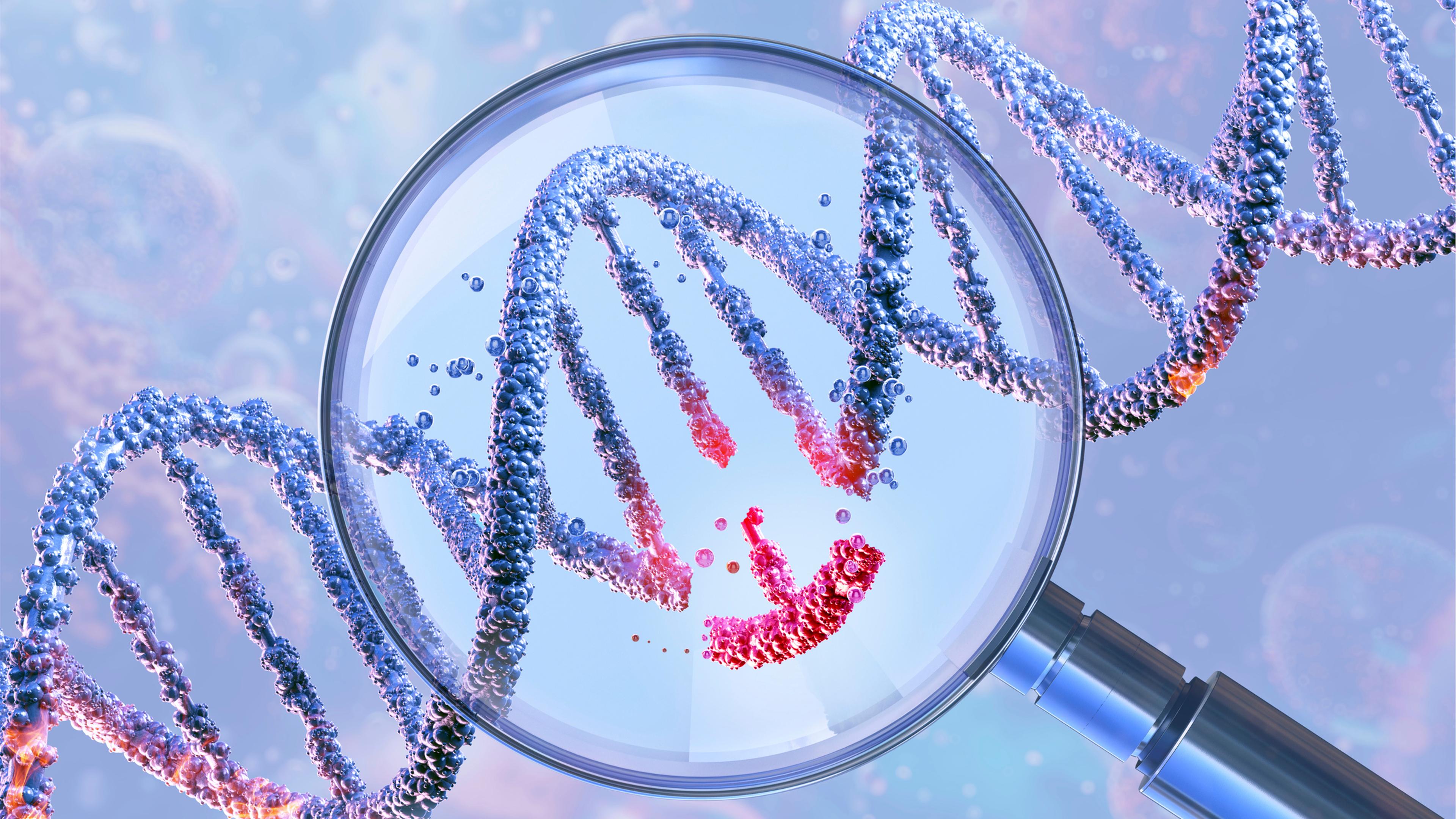
That study was extremely small — only 15 patients with dangerously high cholesterol that did not respond to medication. The research was designed to test the safety of five different doses of a gene-altering infusion delivered by CRISPR-Cas9, a biological scissor which cuts a targeted genetic location to modify or turn a gene on or off.
“If you’d asked me 15 years ago if we could have done something like this, I would have thought you were crazy,” senior study author Dr. Steven Nissen, chief academic officer of the Sydell and Arnold Miller Family Heart, Vascular & Thoracic Institute at Cleveland Clinic in Ohio, told CNN previously.
An update on the study, published Friday in NEJM, appears to answer a key question: Does the intervention last?