Washington has spent decades asking the wrong question about the Army. Every few years a new strategy arrives and the debate resets. Should the Army be larger or smaller? Heavy or light? Optimized for Europe, the Indo-Pacific or homeland defense? Built for counterinsurgency, large-scale combat or multidomain operations?
These are reasonable questions, but they share an assumption history keeps disproving: that someone will tell the Army in advance what it needs to become. That is not how the world works.
Presidents rarely choose the crises they inherit. Pearl Harbor, September 11th, the wars in Iraq and Afghanistan, COVID-19, Russia’s invasion of Ukraine, the October 7 attacks in Israel and the rapid emergence of inexpensive drones as strategic weapons all arrived with little warning. They demanded immediate action, and no president had the luxury of asking the Army to reorganize first before responding.
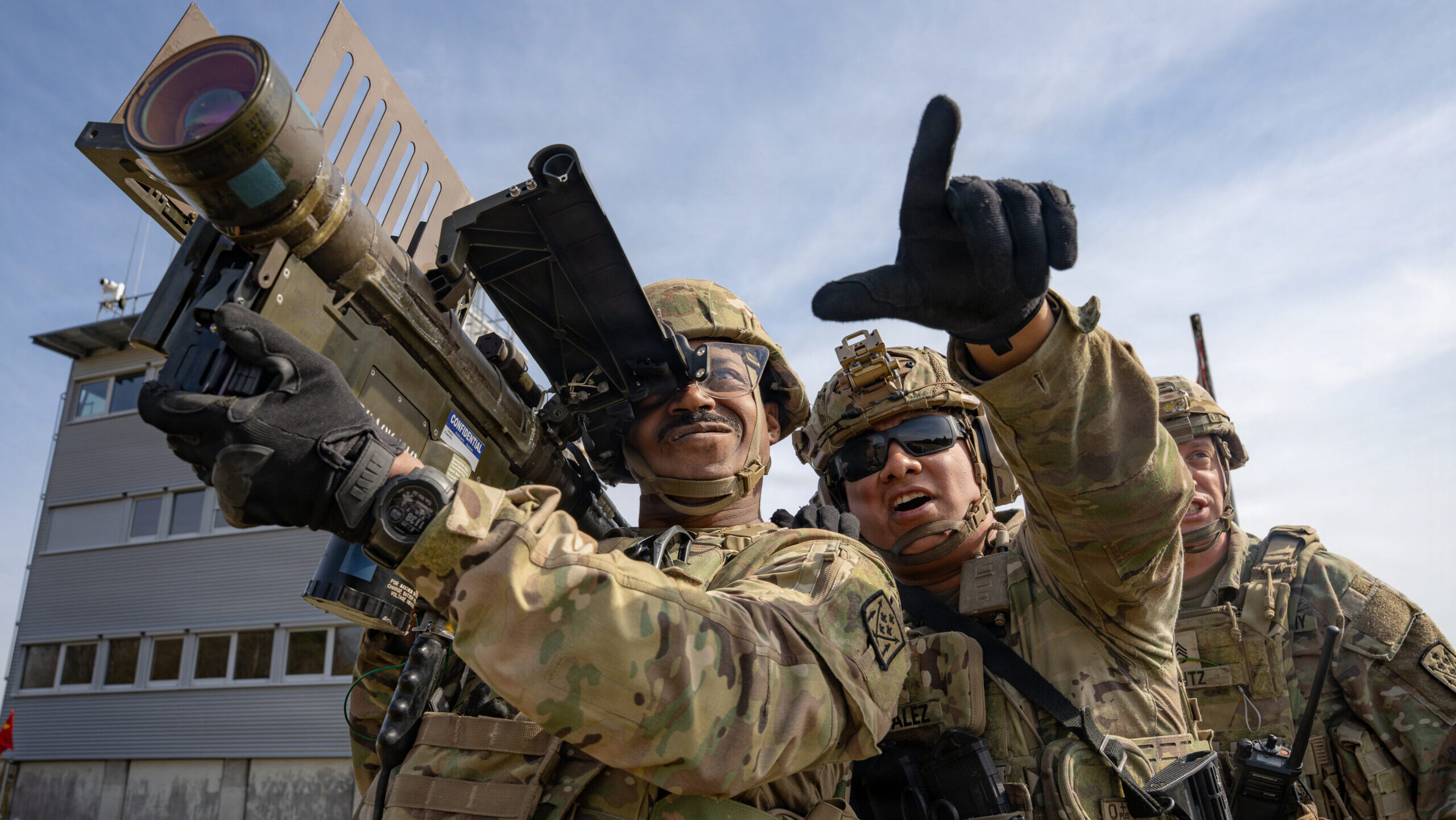
Here is the part the debate usually misses. The Army has always answered those calls, but it has almost always done so by improvising. When Iraq demanded more infantry than the force was built to supply, the Army converted field artillery and armor units into infantry units and sent them out the door. It worked, but it was ad hoc, done under fire and cost valuable time.