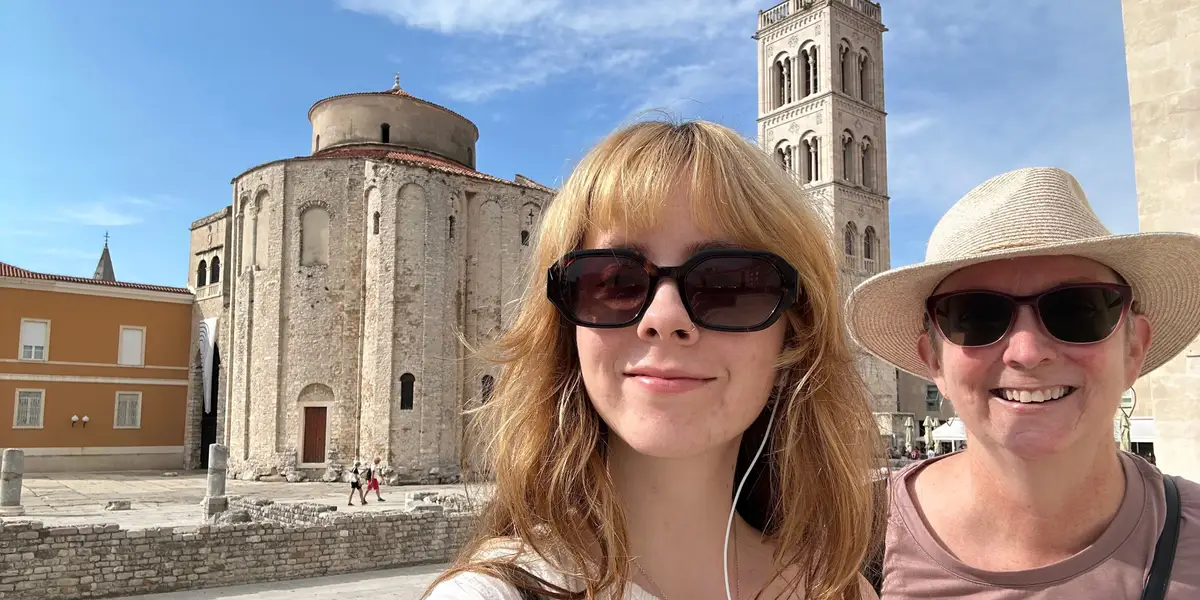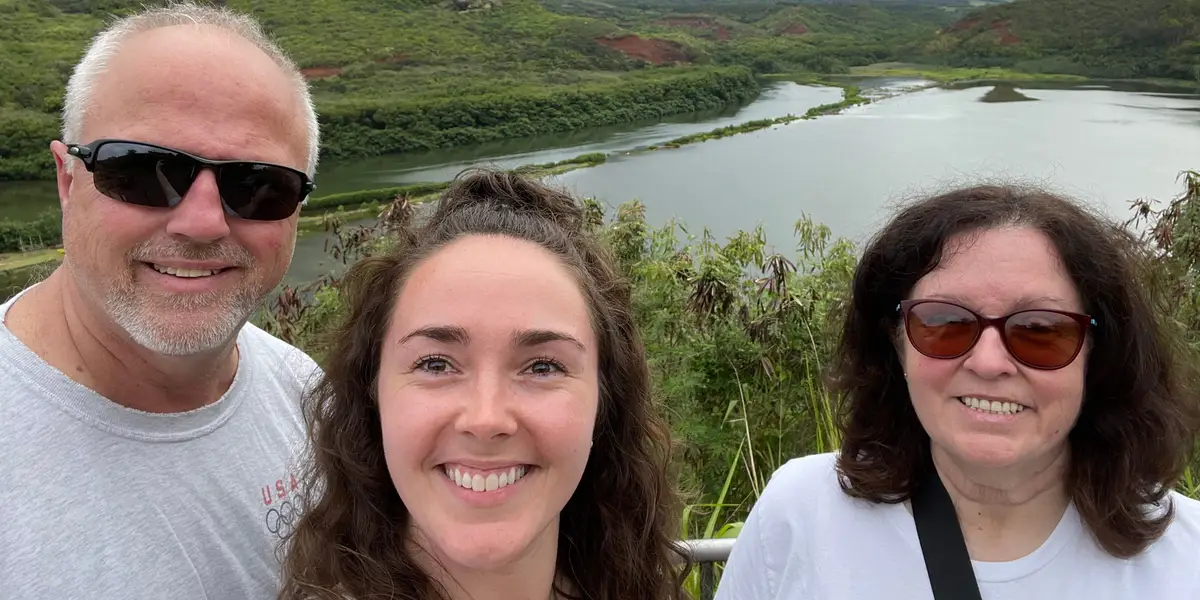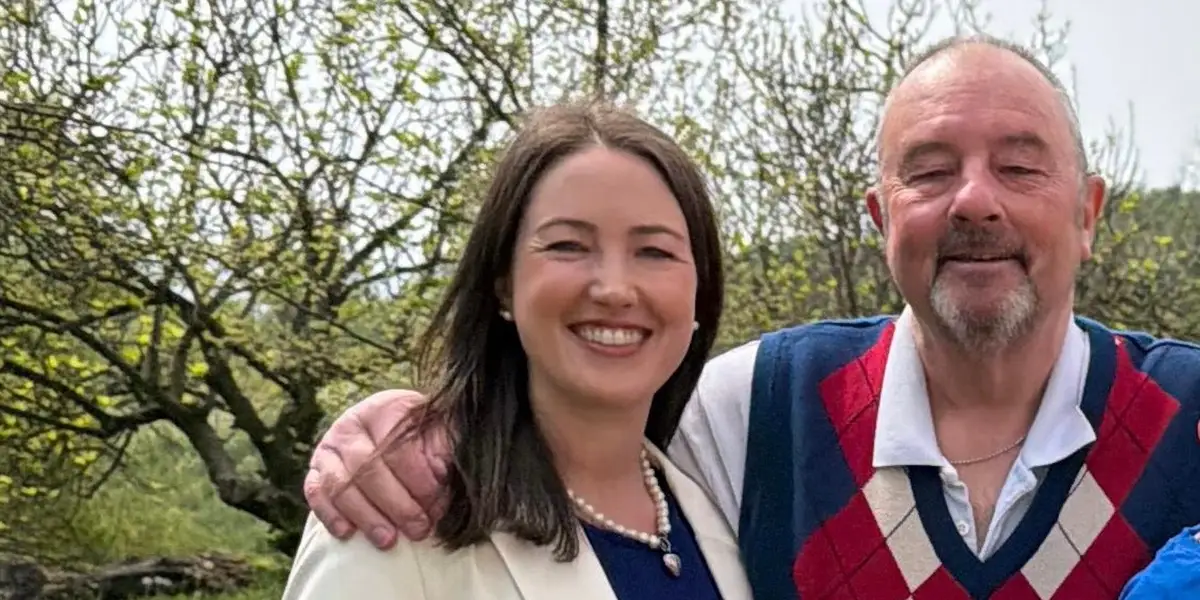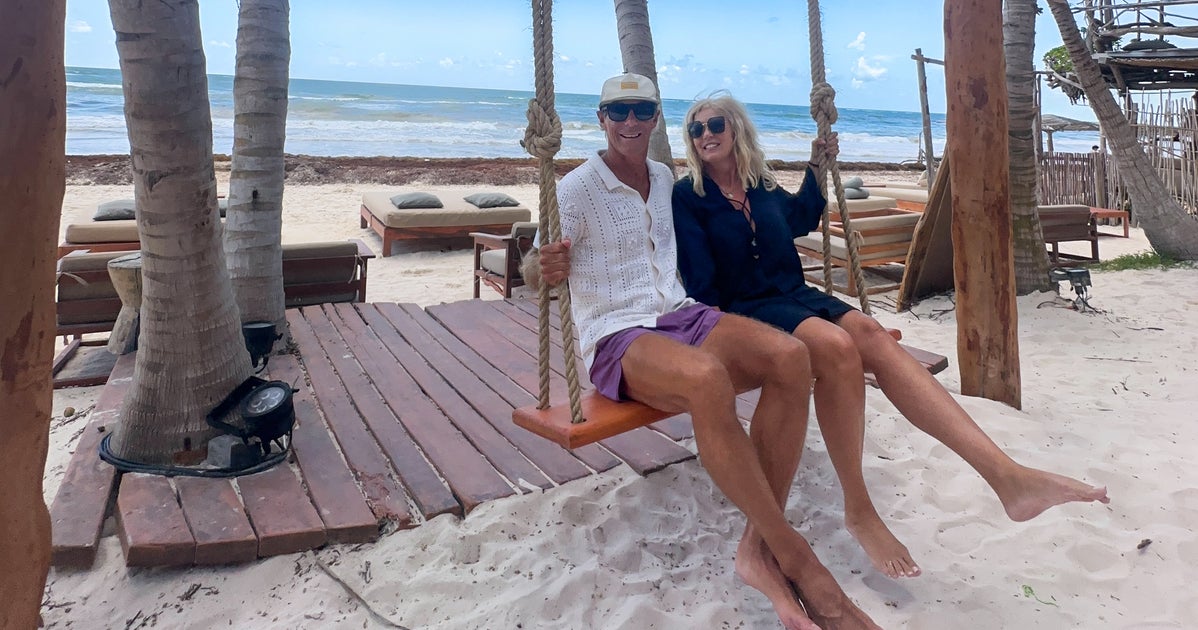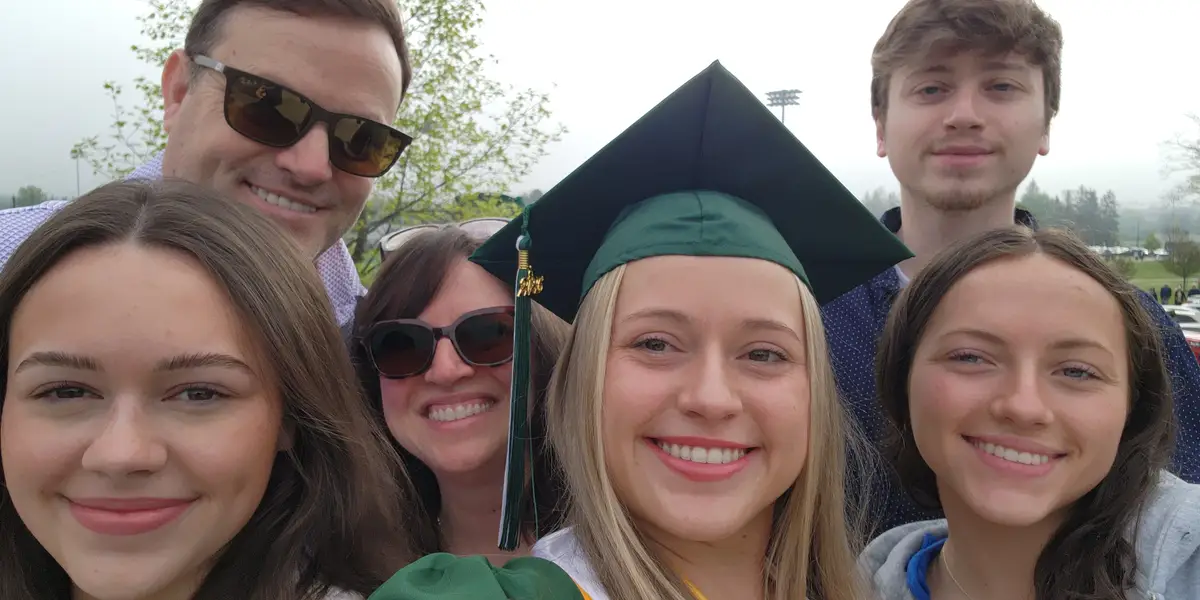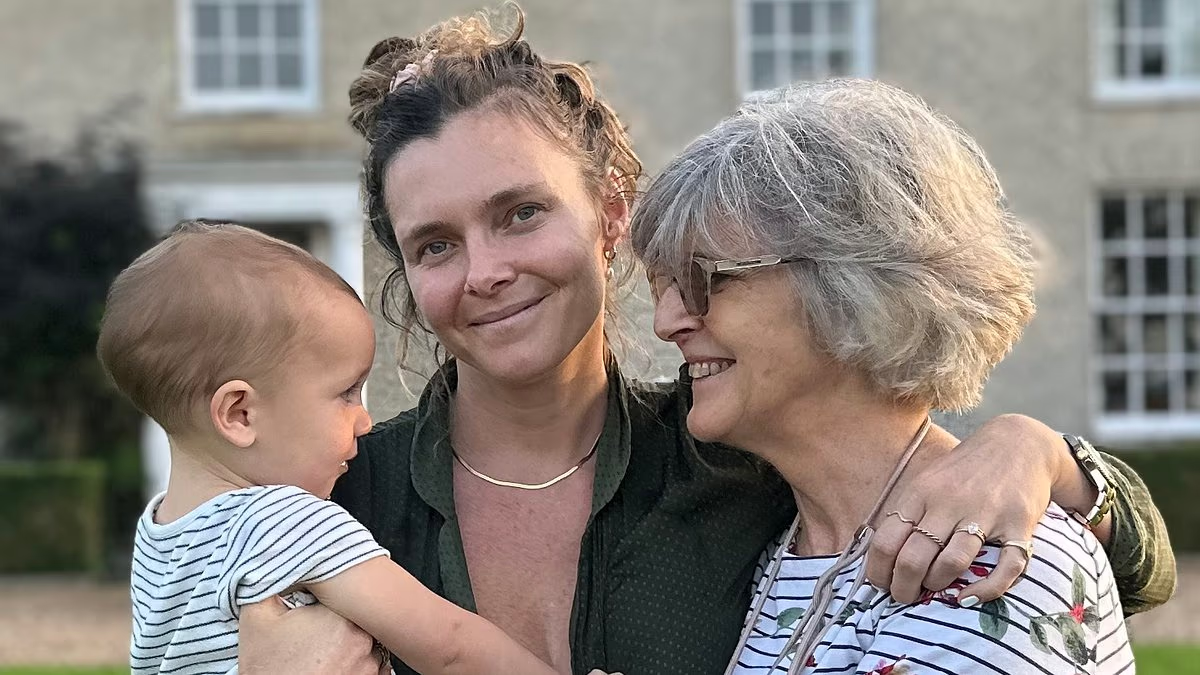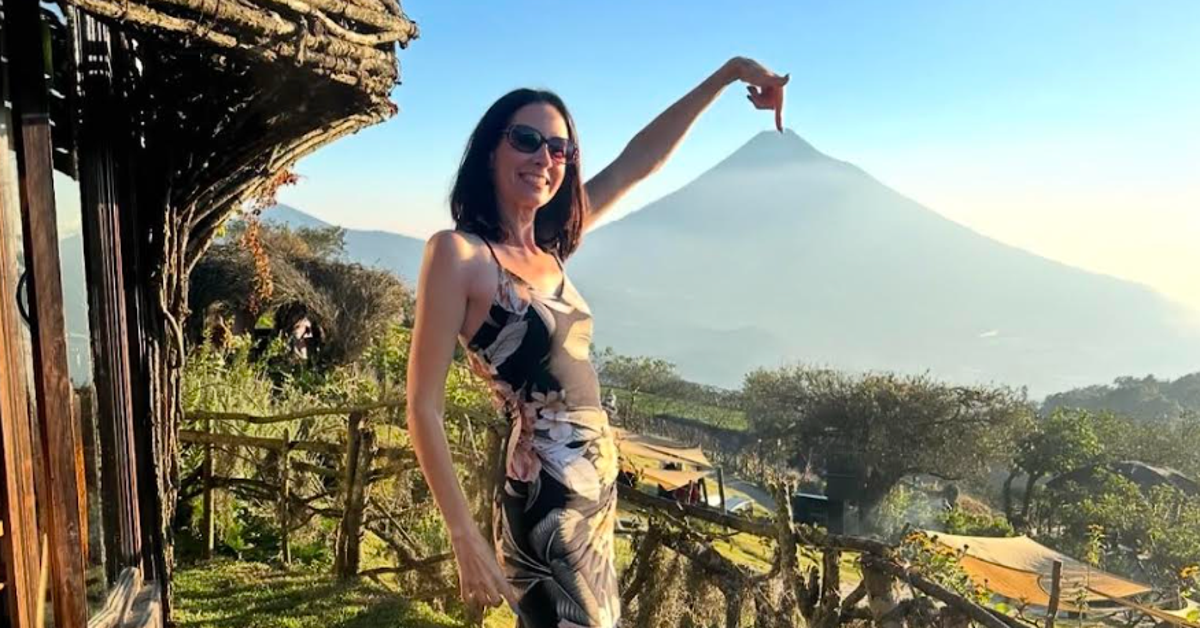
I was 37 years old when my daughter Bri left for college. You’re probably thinking: that’s young. Too young for the empty nest to hit as hard as it did for me. That’s exactly what I thought too.I had been Bri’s mother since I was barely an adult myself. I was a teen mom, then a widow at 21, then a single parent who built an entire life around my daughter’s world — cheerleading, sleepovers, rides, routines, and everything in between.The night I came home from dropping Bri at college, I found a note on my pillow. She had written, “Now that I’m onto my next step, you can be too.” She meant it as a sweet gesture. I didn’t know it would shape the next seven years of my life.In the months after Bri left, something broke open inside of me in a way that I couldn’t name. I wasn’t a little sad. I experienced a grief so deep that I was crying myself to sleep every night. I woke up exhausted, like something had settled into my body before I even opened my eyes. Mornings felt heavy. Once simple activities like getting out of bed, going to the store or answering a text felt like they required more energy than I had.The silence made me uncomfortable.I would find myself reaching for things at the grocery store out of habit — snacks Bri liked, meals I used to make for her — only to catch myself and put them back.I didn’t know how to live in a life that no longer needed me in the same way.Every doctor I saw heard me out and then sent me home with the same answer, dressed in different words: Depression. Stress. Anxiety. Aging.I had no reason not to believe them.Looking back, I wish someone had said this to me:Perimenopause doesn’t always start in your late 40s. It can begin in your 30s. It can show up quietly. It can look like grief, like emotional instability, and like a woman who suddenly feels like she’s coming undone.Five months after Bri left, I asked myself if I wanted my daughter to be proud of me or worried about me. Then I asked my daughter what she would think if I sold all my belongings to travel the world. There was a pause.And then she simply said, “Do it.”The author (left) with her daughter Bri in Guatemala in 2024.Courtesy of Jessica SeidersSo, I made the kind of decision that made people think I had lost my mind.I walked away from a 15-year corporate career. I gave six months’ notice, stayed to help transition my role, and slowly unraveled the life I had built. I sold everything I owned. And I boarded a one-way flight to Spain with a backpack, a suitcase, and nothing even slightly resembling a plan.From the outside, it looked impulsive — even reckless.Many people in my life were supportive. Some were worried. Others thought I was running away.I felt a little doubt in that moment when I walked out of my boss’s office after handing in my resignation — my hands were unsteady, and my mind was racing through everything that could go wrong. I had no backup plan. No guarantees. And I had just made a decision I couldn’t take back.Then, at the airport, right before they called my boarding group, I thought: I could turn around. I could go back and no one would question it. It would make sense.My hand tightened around the suitcase handle. My group was called. I stepped forward.What followed was a life of full-time travel: 21 countries over the span of seven years.I funded it the way many long-term solo travelers do: I downsized everything. I eliminated nearly all expenses. I lived out of a suitcase and stopped measuring my life by what I owned. I stayed in hostels instead of hotels. I couchsurfed. I walked everywhere instead of taking taxis.When your life fits into a suitcase, you spend less because you need less. It looked like freedom. Sometimes it was. Other times, it felt like something else entirely.Once I was staying in a stranger’s home in Switzerland on Independence Day. I was surrounded by his family, watching people laugh around a table and fireworks launched over a lake, and I cracked open. For four days, I cried. It wasn’t sad crying; it was the other kind that moves through you like something with its own agenda.In Croatia, I spent a week in a hostel dorm room I called my cave. It was a small, curtained bunk where I finally stopped moving long enough to feel what I had been carrying: the life with my daughter that would never be the same. The identity I had left behind. The loneliness that had followed me across three countries and finally caught up.In Bali, I woke at 3:30 a.m. to climb an active volcano. The ground was uneven, the air thin, and my legs burning in a way I couldn’t explain. I paused when I needed to. I breathed when it was hard. I kept going not because it got easier, but because stopping felt like defeat. I had been doing that for years.The fatigue was always there. Solo travel, the emotional cost of reinventing yourself in a country where nobody knows your name — all of it got the blame.Not once did anyone suggest it might be hormones.The author in Guatemala in 2025Courtesy of Jessica SeidersWhen the pandemic hit, I was still in Bali. As the world shut down, suitcases rolled down streets and travelers rushed for the last flights home. People I had met were gone almost overnight. For most people, the answer was clear: leave. But I had sold everything. There was nothing waiting for me to return to. So I stayed.When the borders closed and the tourists disappeared, the economics shifted completely. I was suddenly able to rent Airbnbs by the month for a few hundred dollars. Villas with infinity pools and open-air living spaces that had once been fully booked were suddenly available for a fraction of their original cost. It was, in a strange way, the most affordable place I could have been. So, I spent 15 months on an island that had gone quiet, and it allowed me to look inward.When I came back to the U.S., I was 40 years old. I finally found a doctor who looked at my full picture. She told me I was deep in perimenopause.I had spent years sitting across from doctors who sent me home with nothing. This one handed me something I hadn’t known I was waiting for — not a fix, not a prescription. It was just one word, but that was enough to start.I then had to rebuild from almost nothing. I needed a job, a car, and a place to live. I found a work-from-home position with the same company I had left years before. I rented rooms with women around my age where we would talk openly about perimenopause — the kind of conversation that allowed me to realize the symptoms I was experiencing were all too common.Slowly, my life began to make sense. I understood why I experienced such deep depression after my nest emptied. I understood the mornings that just wouldn’t start. And the four days I spent crying in a stranger’s house in Switzerland with nothing to offer as explanation. The week in that cave in Croatia. The decisions that confused the people who loved me. And, underneath all of it, the bone-deep certainty that my body was failing me.I had believed I was too sensitive, too unstable, and too much. But it wasn’t weakness. It was perimenopause that had started at 37, and ran unnamed through some of the most defining years of my life.In the years following my diagnosis, the symptoms continued to escalate. I was managing work anxiety that had become unmanageable, and my cycle grew so severe it eventually landed me in the emergency room. For a stretch of that time, I didn’t have insurance. I pushed through because I didn’t have another option. When I finally got coverage and saw a doctor, I was put on hormone replacement therapy. For the first time in years, my body began to feel like something I could work with instead of fighting against. I finally listened.The author (background) with her daughter Bri in Costa Rica in 2026Courtesy of Jessica SeidersIn February 2026, I took the stage at a speaking event called Speakpreneur. I stood under the lights and briefly spoke about my journey — and somewhere in the middle of it, something became clear. Fearless Empty Nester wasn’t just an idea; it was who I had become. Afterward, women came up to me one by one and confessed pieces of their stories, including the parts they didn’t usually say out loud. They shared feeling lost, as if something had changed, and that they didn’t recognize themselves anymore.Nine days later, I quit my day job and finished writing the memoir that began the day my daughter left for college and snaked through seven years of travel, grief, caretaking and identity loss, all while I managed a hormone transition that went unidentified for most of that time.I live on the East Coast now, closer to my family. In 2022, I watched my daughter graduate from college after delivering the commencement speech. The same girl I once built my entire life around had stepped fully into her own.I don’t have regrets — not the 15 months in Bali, not the one-way ticket, not even the choices that left everyone (including me) trying to make sense of them.I carried what I now understand was perimenopause across countries, time zones, and doctors’ offices, and still, no one ever explained what it was. And, still, every decision I made was mine.What I learned during that time is harder to sum up than I expected. I learned that the question “Who am I now?” The one that still shows up in the grocery store, on quiet Friday nights, in rooms that used to feel full isn’t an ending. It’s a beginning.I also learned how long it can take to put a name to what your body is going through, and that the women most likely to be dismissed are often the ones whose symptoms arrive early, often disguised as something else.That 37-year-old still lives somewhere in me; the one who was handed back her own symptoms and dismissed. The one who cried herself to sleep in an empty house and assumed she just wasn’t coping well. The one who boarded a one-way flight because something in her body said move and she had no other framework for what was happening.She deserved a name for it.If any part of this sounds familiar — the exhaustion, the dismissal, the quiet certainty that something is wrong but nobody seems to be able to locate it — I’m not here to tell you what to do. I’m just here to say: it took me three years to get a name for my symptoms. You deserve one sooner.Jessica Seiders became a mother at 19 and a widow at 21. When her daughter left for college in 2018, she sold nearly everything she owned and spent seven years traveling solo across more than 20 countries — including 15 months in Bali. She wrote a memoir, “Fearless Empty Nester: One Woman’s Journey Beyond Motherhood and Back to Herself,” about that journey, and the FORGED Method™ she developed by living it. She is an author, speaker, and founder of Fearless Empty Nester Global, dedicated to helping women rediscover who they are after their children leave home.Do you have a compelling personal story you’d like to see published on HuffPost? Find out what we’re looking for here and send us a pitch at pitch@huffpost.com.
I Sold Everything And Left The U.S. Years Later, A Doctor Said 1 Word That Explained Why I Burned My Old Life Down.
“I didn’t know how to live in a life that no longer needed me in the same way it once had.”
1,975 words~9 min read