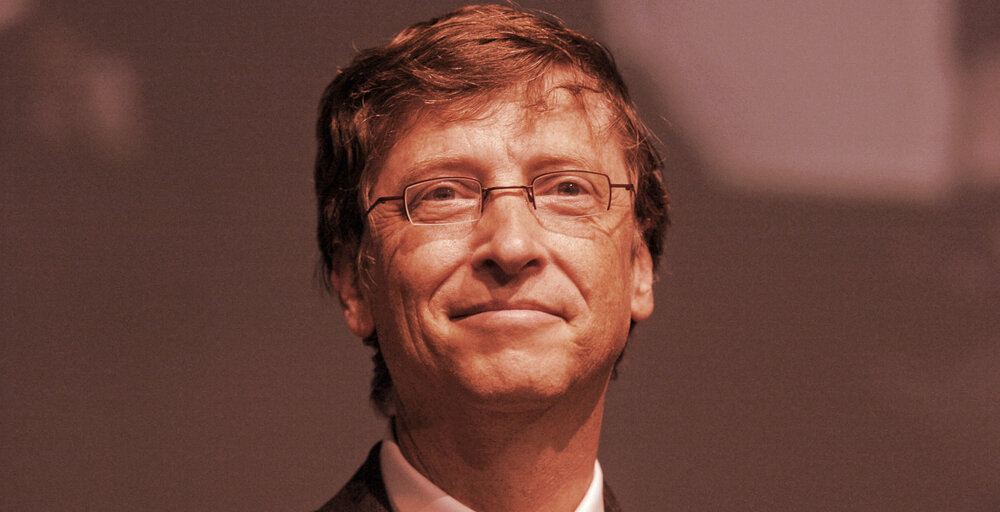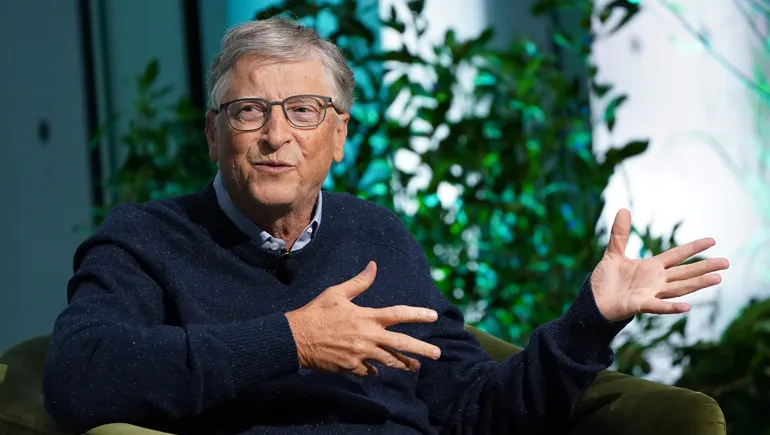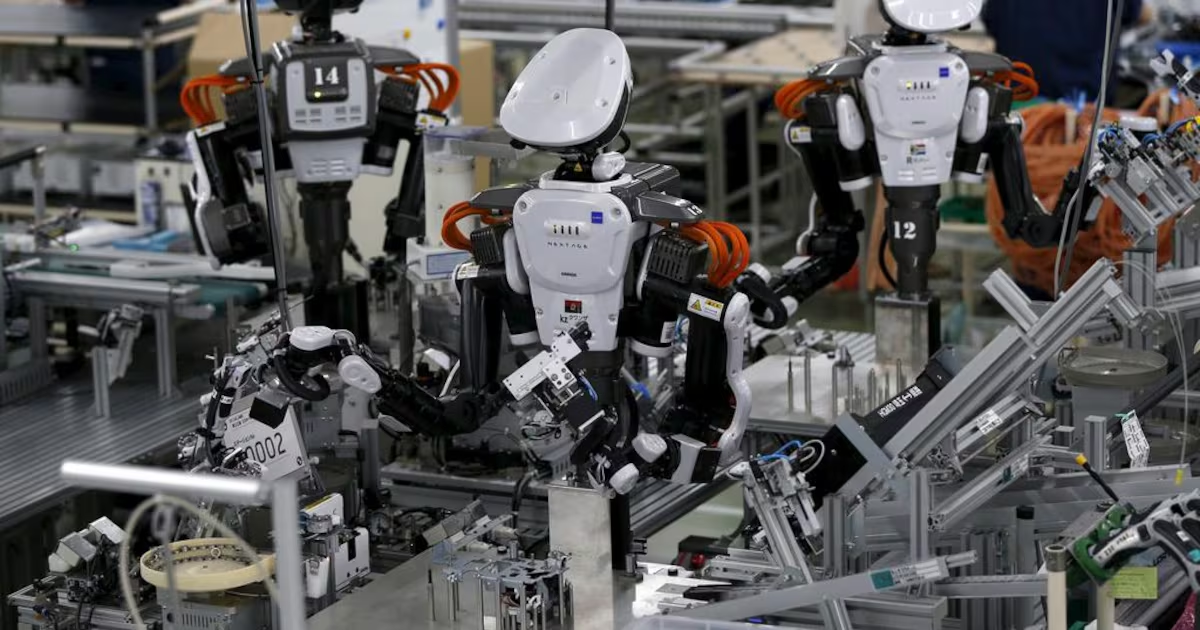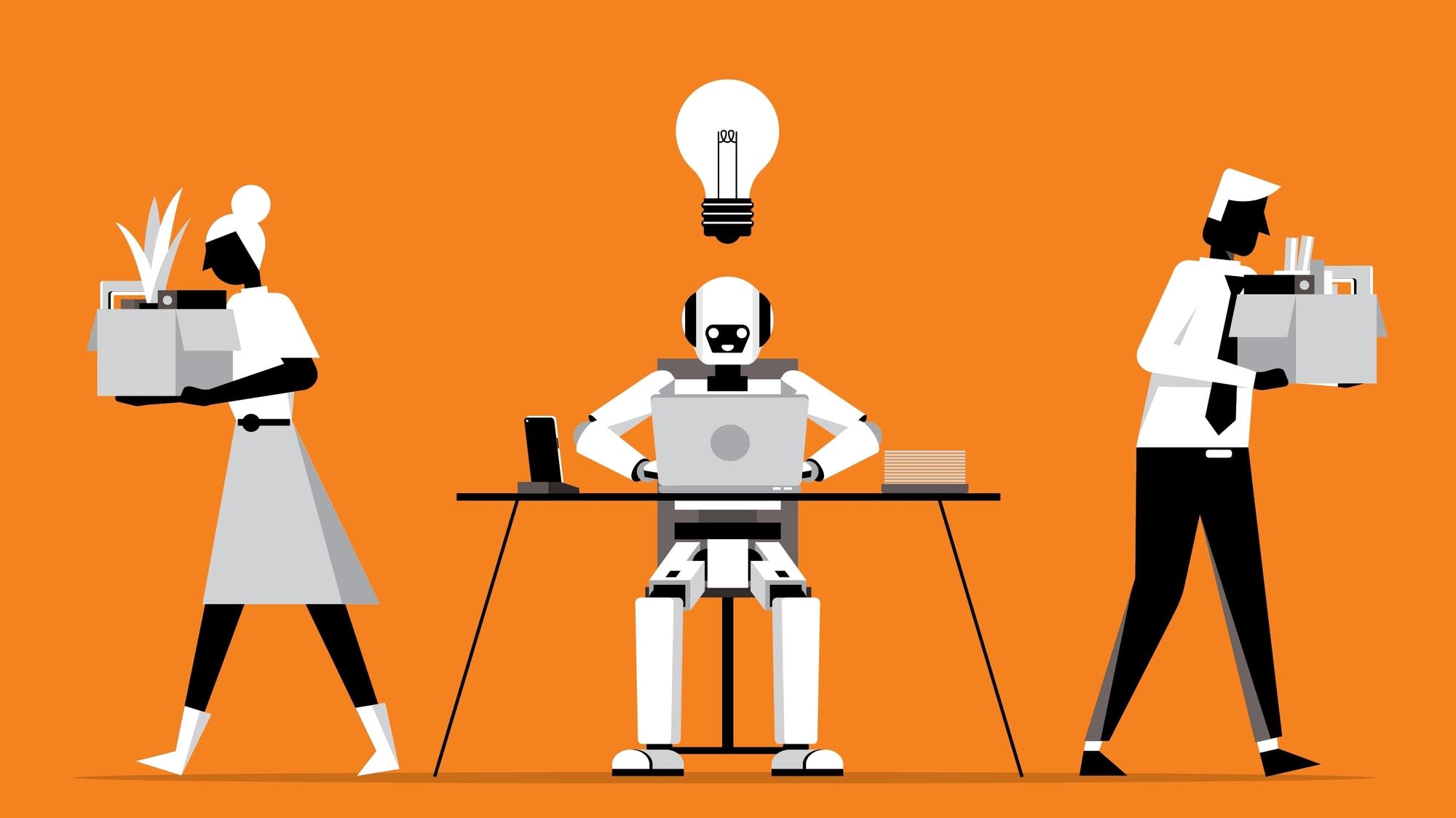
Alyssa is a professional wordsmith. For one year and two months, Alyssa worked — past tense — for a global company that makes toys for kids."Amazon listings, Wayfair listings, press releases, you know, the whole nine yards," she said.But then came artificial intelligence. First, it was the boss asking her to try using ChatGPT. Alyssa found it took longer to check for mistakes and plagiarism than to just write copy herself. Then, the boss handed some of Alyssa's to-do list to an AI bot.Soon, she was called into a video meeting where she thought she'd get a raise. "We're restructuring — we no longer need you," Alyssa recalled being told.She left with the strong impression the toy company would use more AI for its writing instead of her. Alyssa asked Marketplace to use her first name only, so speaking to us doesn't hurt her chances of finding a new job. Three years later, she's still looking for a role that pays like that one."That's like a huge chunk of our income, because we were hoping to, right after the wedding, based on what we were saving with my income, buy a house," Alyssa said.She was about to get married. Alyssa's dad jumped in to pay for her wedding dress, given the reduced financial circumstances. But two incomes down to one brought austerity, and she's paying less in taxes because she earns less.What Alyssa didn't know is that AI has a structural advantage over humans like her."Employers pay the government extra taxes for the privilege of employing people," said Ryan Abbott, a technology law expert and partner at the law firm Brown Neri Smith & Khan."My university would love to replace me with a chatbot, and they will, as soon as the student satisfaction scores are about equivalent," Abbott said. "But when they do that, one of the unanticipated advantages they get is they pay less in taxes to do it."Payroll taxes that fund Social Security and Medicare equal 7.65% of wages — a cost employers don't have to pay when they replace humans with AI. Abbott suggested a possible remedy to fix this — though he said this idea is just a thought experiment, not a formal policy proposal."Eliminate or reduce payroll taxes on humans," he said. "This has the advantage of leveling the playing field."If we killed off payroll taxes in America, where would federal, state, and city governments find money instead? Here's one idea: tax robots.When Bill Gates warmed to a robot tax back in 2017, many economists were aghast. If you make tools more expensive to use, you end up with less efficiency, lower profits and less competitiveness, they argued. Yet, Nobel laureate Joseph Stiglitz at Columbia Unviersity didn’t dismiss the concept.“I'm not overly averse to some kind of tax that would slow down the pace of job disruption, make the companies recognize that there are social costs of this job disruption,” Stiglitz said. “I wouldn't put it just on the AI, but I would put it more broadly on the problems associated with job disruption on a large scale.”Technology law expert Ryan Abbott proposed one avenue for carrying this tax out: taking away company perks. “Special incentives businesses have, for example, on capital depreciation,” he said. While investors would hate something like this, maybe there’s argument for enforcing a penalty.“A tax to discourage automation per se might have some economic inefficiencies in it, but it might have some offsetting social goods that make that valuable,” Abbott said.Social goods like raising money to pay people to retrain so they can thrive in an AI economy. Additional production support by David Shin and Sophie Bellwoar.
Could an AI tax disincentivize human layoffs?
The U.S. tax code gives artificial intelligence and automation a built-in financial edge over workers. Some experts say a "robot tax" could level the playing field.
607 words~3 min read