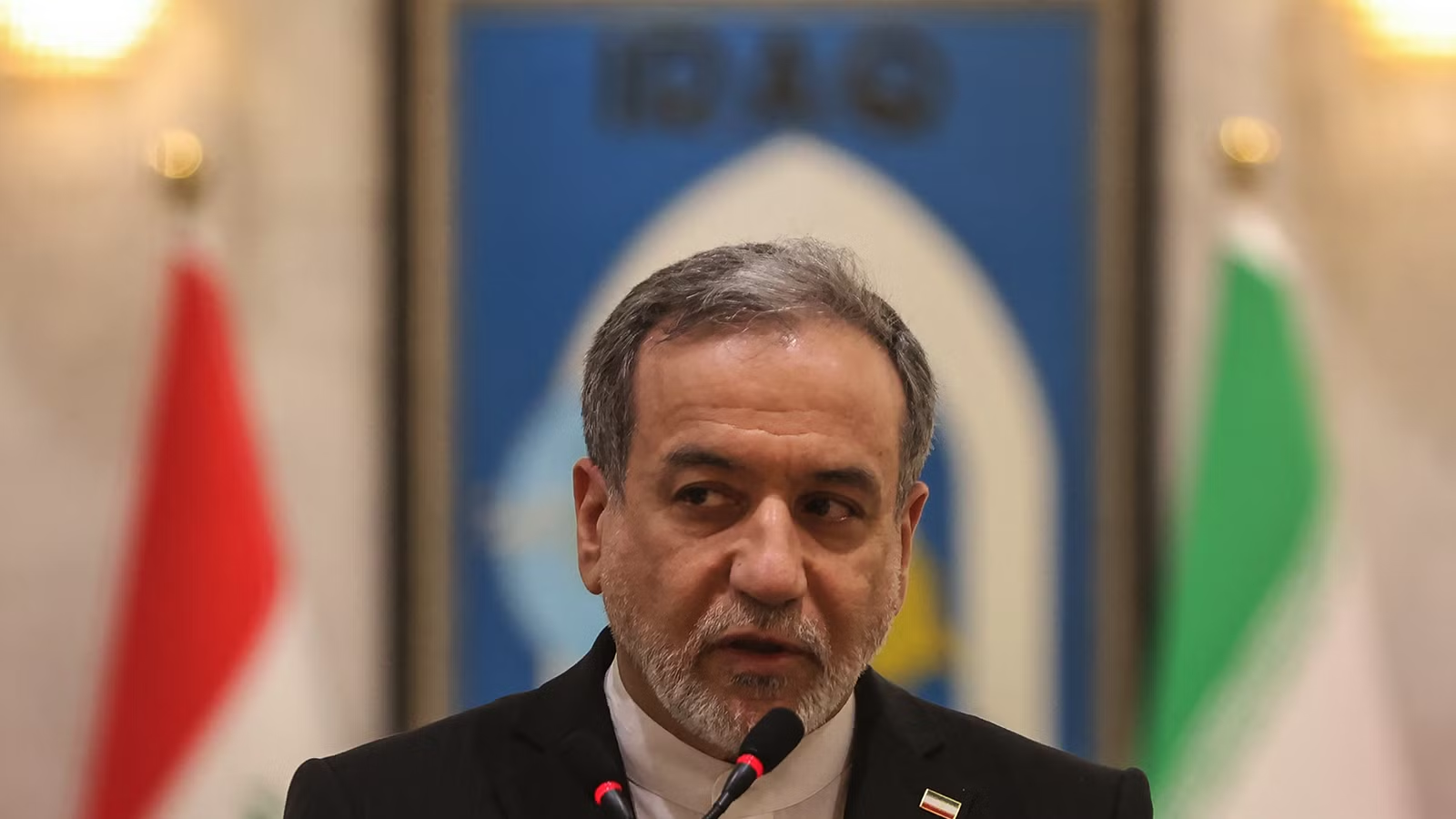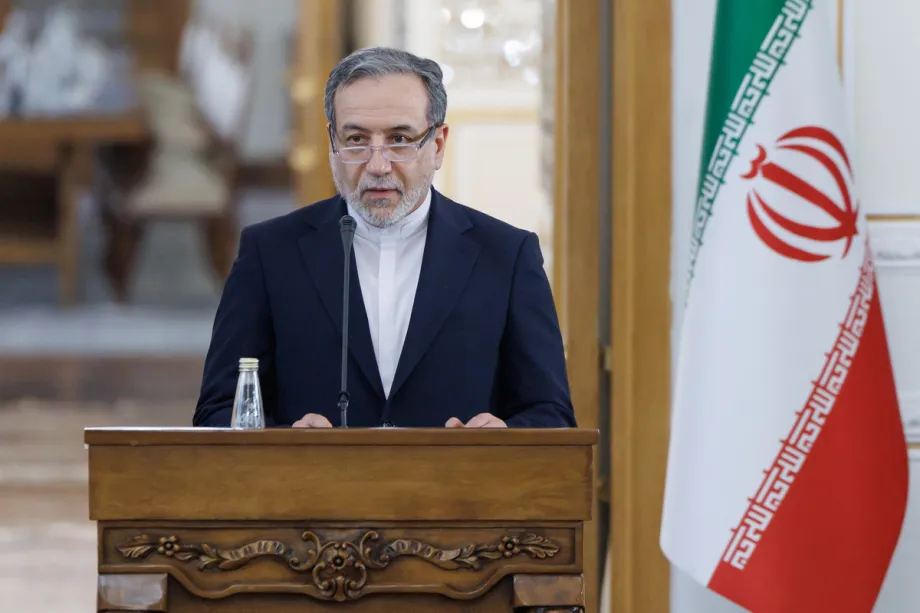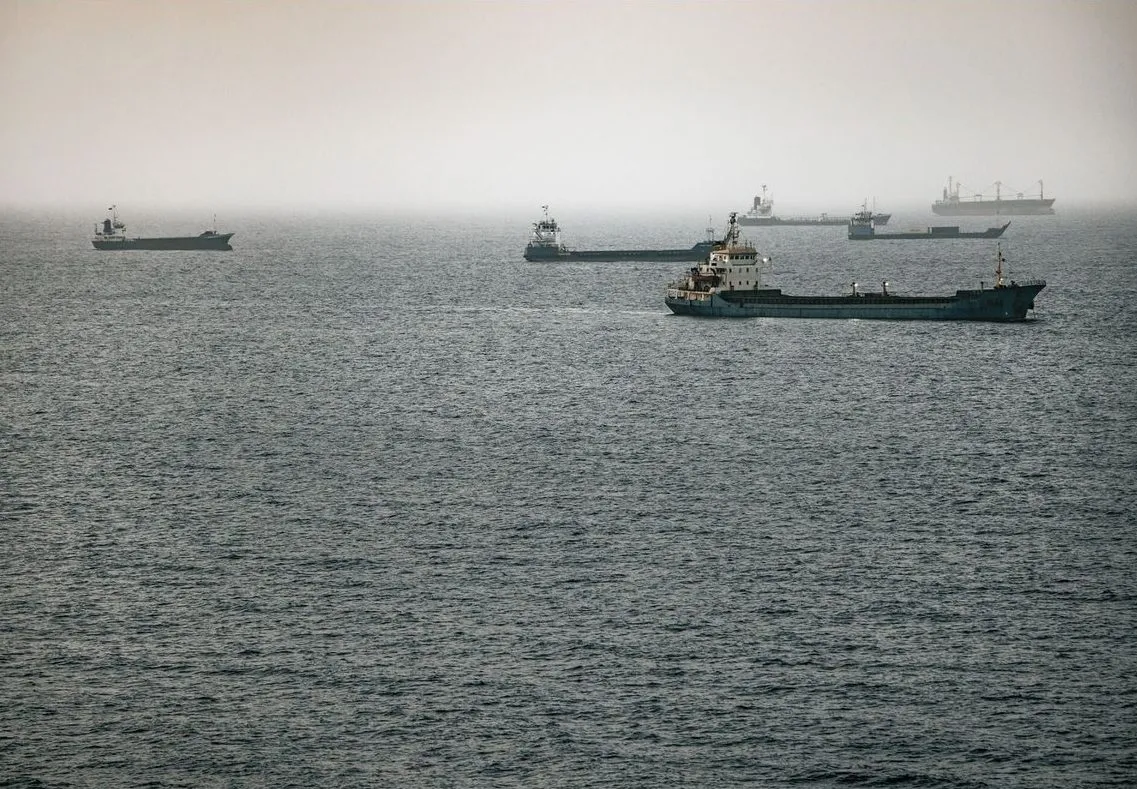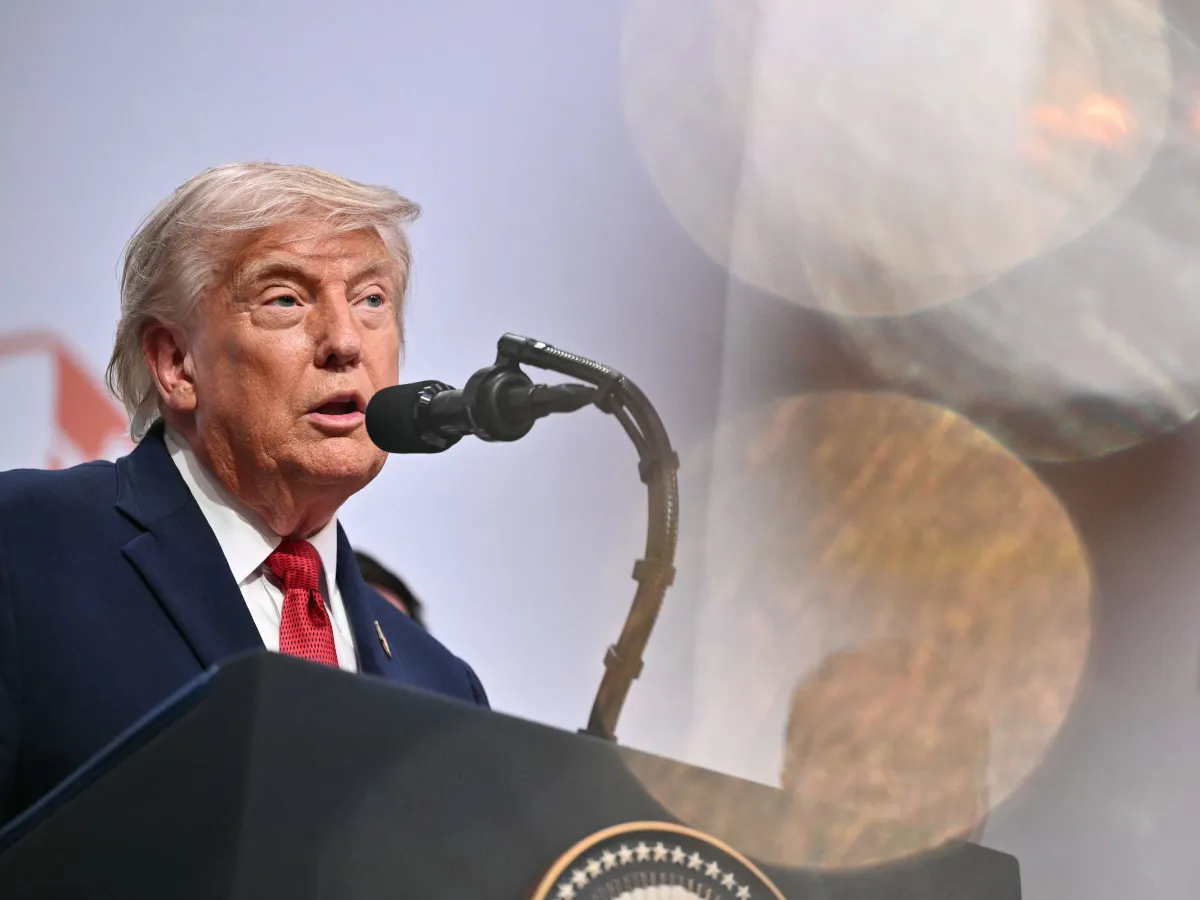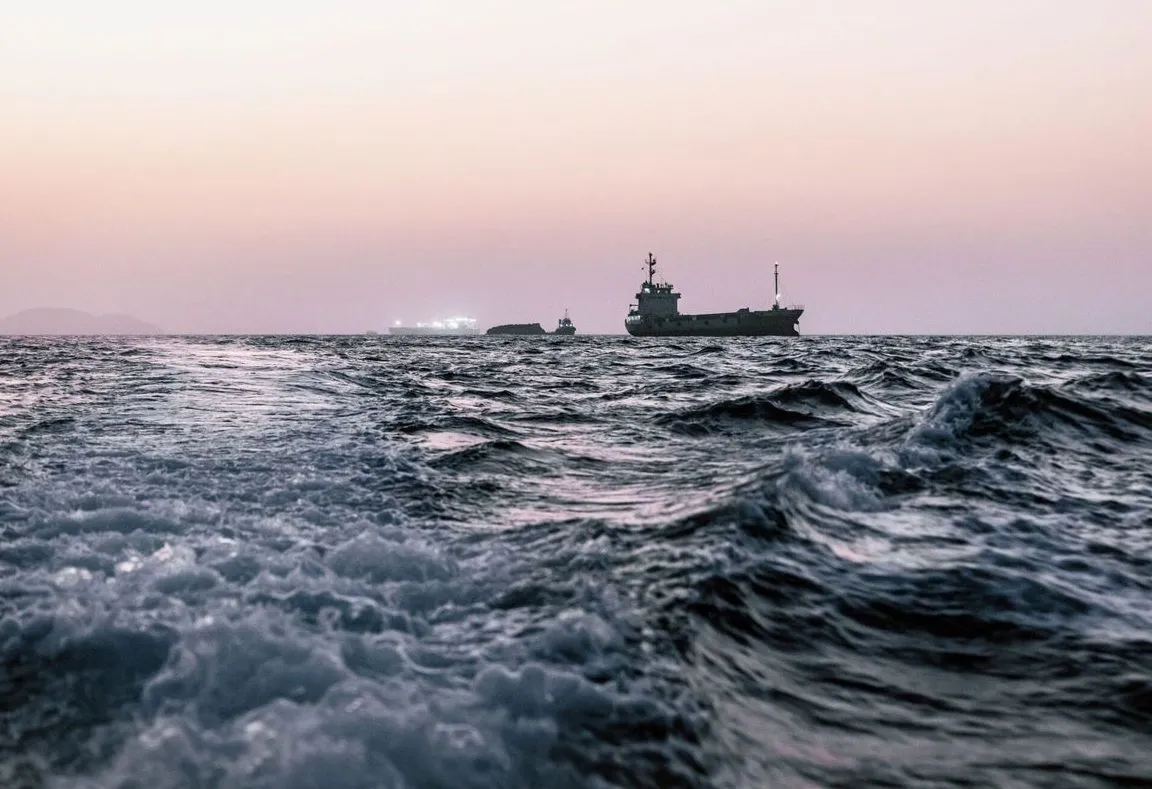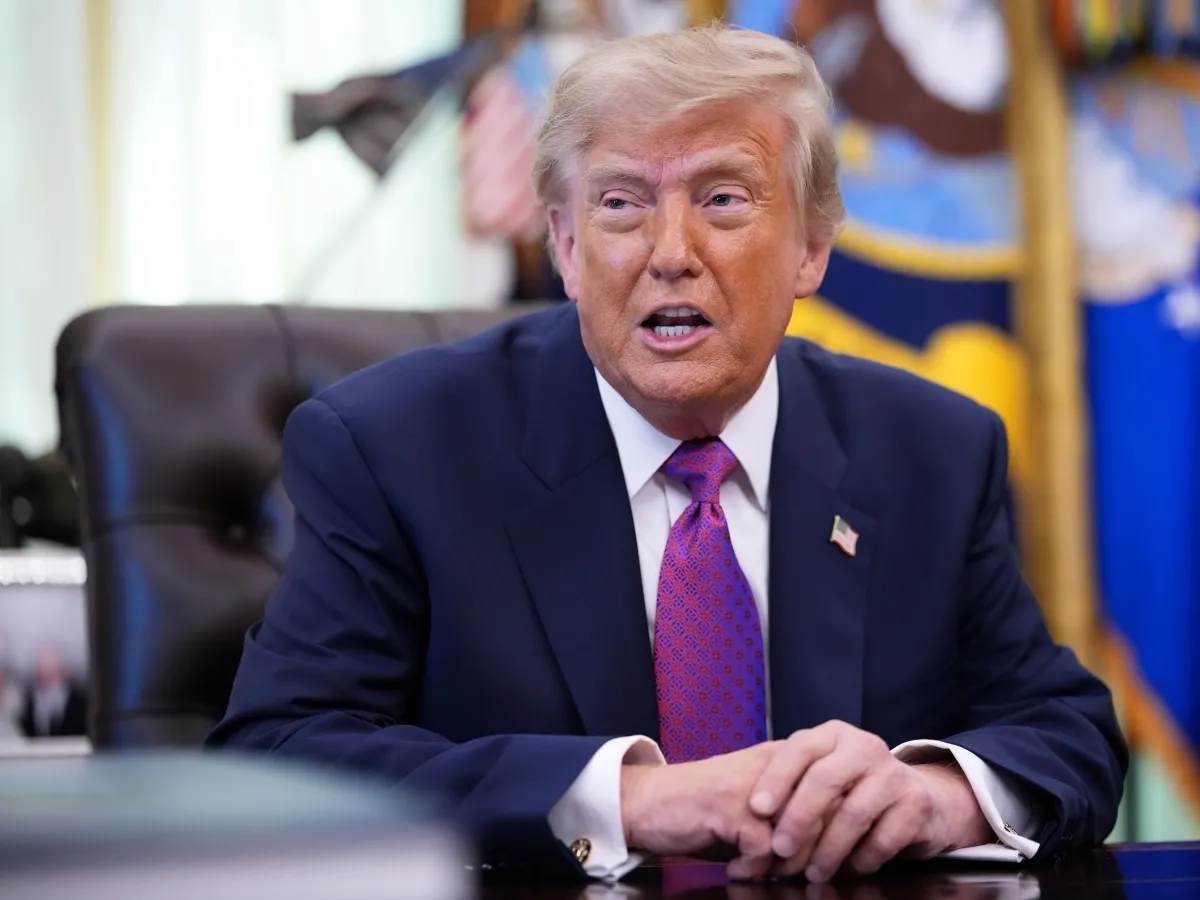
Skip to Content Subscribe My Account Manage My Subscriptions FAQ Newsletters Canada Canadian True Crime Canadian Politics Health World Israel & Middle East Financial Post NP Comment Longreads Puzzmo Diversions Comics NP News Quiz New York Times Crossword Horoscopes Life Eating & Drinking Style Sponsored Play for Ontario Travel Travel Canada Travel USA Travel International Cruises Travel Essentials Culture Books Celebrity Movies Music Theatre Television Business Essentials Advice Lives Told Tails Told Shopping Buy Canadian Home Living Outdoor Living Kitchen & Dining Tech Style & Beauty Personal Care Entertainment & Hobbies Gift Guide Travel Guide Amazon Prime Day Deals Savings National Post Store More Sports Hockey Baseball Basketball Football Soccer Golf Tennis Driving Vehicle Research Reviews News Gear Guide Obituaries Place an Obituary Place an In Memoriam Classifieds Place an Ad Celebrations Working Business Ads Archives Healthing Epaper Manage Print Subscription Profile Settings My Subscriptions My Offers Newsletters Customer Service FAQ Newsletters Canada World Financial Post NP Comment Longreads Puzzmo Diversions Life Shopping Epaper Manage Print Subscription HomeNewsWorldIran says getting U.S. diplomacy back on track not impossiblePresident Donald Trump has signaled he will not lift a blockade of Iranian ports — a key demand of Tehran’s — just to restart talksAuthor of the article:U.S. President Donald Trump speaks during an event in the Oval Office of the White House on August 27, 2026 in Washington, DC. Photo by Andrew Harnik/Getty ImagesIran’s top diplomat said resuming diplomacy with the US “isn’t impossible,” after what he described as “creative discussions” with Qatar, a mediator in the war between Washington and Tehran.Enjoy the latest local, national and international news.Exclusive articles by Conrad Black, Barbara Kay and others. Plus, special edition NP Platformed and First Reading newsletters and virtual events.Unlimited online access to National Post.National Post ePaper, an electronic replica of the print edition to view on any device, share and comment on.Daily puzzles including the New York Times Crossword.Support local journalism.Enjoy the latest local, national and international news.Exclusive articles by Conrad Black, Barbara Kay and others. Plus, special edition NP Platformed and First Reading newsletters and virtual events.Unlimited online access to National Post.National Post ePaper, an electronic replica of the print edition to view on any device, share and comment on.Daily puzzles including the New York Times Crossword.Support local journalism.Create an account or sign in to continue with your reading experience.Access articles from across Canada with one account.Share your thoughts and join the conversation in the comments.Enjoy additional articles per month.Get email updates from your favourite authors.Create an account or sign in to continue with your reading experience.Access articles from across Canada with one accountShare your thoughts and join the conversation in the commentsEnjoy additional articles per monthGet email updates from your favourite authorsSign In or Create an AccountorForeign Minister Abbas Araghchi said on X on Friday that progress “hinges on US understanding of one simple fact: pressure doesn’t work.” He called on Washington to build trust and uphold its commitments, without elaborating.Had creative discussions with H.E. the PM/FM of Qatar.Putting diplomacy back on track isn't impossible. It hinges on U.S. understanding of one simple fact: pressure doesn't work. The U.S. should build trust, speak respectfully, acknowledge our rights, and uphold commitments. pic.twitter.com/9yQ2pOXe5R— Seyed Abbas Araghchi (@araghchi) August 28, 2026The relatively positive comments came after a series of diplomatic visits to Tehran alongside talks between Iran and Oman about a framework for allowing vessels through the Strait of Hormuz. Pakistan, the main mediator in the six-month conflict, sent a delegation to the Iranian capital on Monday, while senior officials from Oman and Qatar followed later in the week.Get a dash of perspective along with the trending news of the day in a very readable format.By signing up you consent to receive the above newsletter from Postmedia Network Inc.A welcome email is on its way. If you don't see it, please check your junk folder.The next issue of NP Posted will soon be in your inbox.We encountered an issue signing you up. Please try againThe US remains hawkish in its public comments. Treasury Secretary Scott Bessent launched a campaign to further squeeze Iran’s economy on Monday, threatening punishment against any country doing business with the Islamic Republic.President Donald Trump has signalled he will not lift a blockade of Iranian ports — a key demand of Tehran’s — just to restart talks. He’s also got no interest in returning to the terms of a now lapsed interim peace deal agreed to in June, the Wall Street Journal reported. Scott Bessent, US treasury secretary, speaks to members of the media outside the White House in Washington, DC, US, on Thursday, Aug. 20, 2026. Photo by Yuri Gripas /BloombergQatar’s Prime Minister Sheikh Mohammed Bin Abdulrahman Al Thani’s meetings in the Iranian capital focused on ways to create “appropriate conditions” for the resumption of talks with the US, the Gulf country’s Foreign Ministry said on Thursday.Another priority is to work on ways to reopen the Strait of Hormuz, he said. The critical waterway for oil and gas supplies has been effectively paralyzed since the US and Israel started the war at the end of February.Iran’s top security official, Mohsen Rezaee, said the country would move to reopen the Strait of Hormuz if the US meets a set of conditions which he didn’t specify. Iran’s military said on Wednesday that a revenue-sharing agreement had been reached with Oman regarding transit through the strait, though Iranian officials have repeatedly said a deal would not equate to an immediate re-opening of the waterway.Still, the flow of crude through the strait has been rising as Iran’s threat to shipping has dissipated. Ships are anchored in the Strait of Hormuz on Aug. 10, 2026 off the coast of Bandar Abbas, Iran. Photo by Ali Saeedi /Getty ImagesAbout 6 million to 8 million barrels a day of crude are now being shipped through the the key chokepoint, according to estimates from oil traders involved in and monitoring cargo activity. That’s roughly half prewar levels. Total oil exports from the Persian Gulf, which includes land routes, have recovered to around two-thirds of volumes seen before February, analysts at Goldman Sachs Group Inc. estimated.Oil prices were broadly steady on Friday, with Brent crude trading at about $89 a barrel, having gained about 45% this year.Iraq is offering buyers of its crude the option to collect supplies from outside of the Persian Gulf for the first time since the war began, highlighting the resilience of nations’ efforts to maintain exports. But Qatar extended a force majeure on liquefied natural gas supplies to European and Asian buyers by another month as uncertainty persists.Araghchi was a prominent supporter of the now-collapsed ceasefire deal signed in June, a stance that attracted criticism from Iranian hardliners who are broadly in favor of continued fighting.Our website is the place for the latest breaking news, exclusive scoops, longreads and provocative commentary. Please bookmark nationalpost.com and sign up for our daily newsletter, Posted, here. Join the Conversation This website uses cookies to personalize your content (including ads), and allows us to analyze our traffic. Read more about cookies here. By continuing to use our site, you agree to our Terms of Use and Privacy Policy.
Iran says getting U.S. diplomacy back on track not impossible
Donald Trump has signaled he will not lift a blockade of Iranian ports — a key demand of Tehran’s — just to restart talks.
1,191 words~5 min read