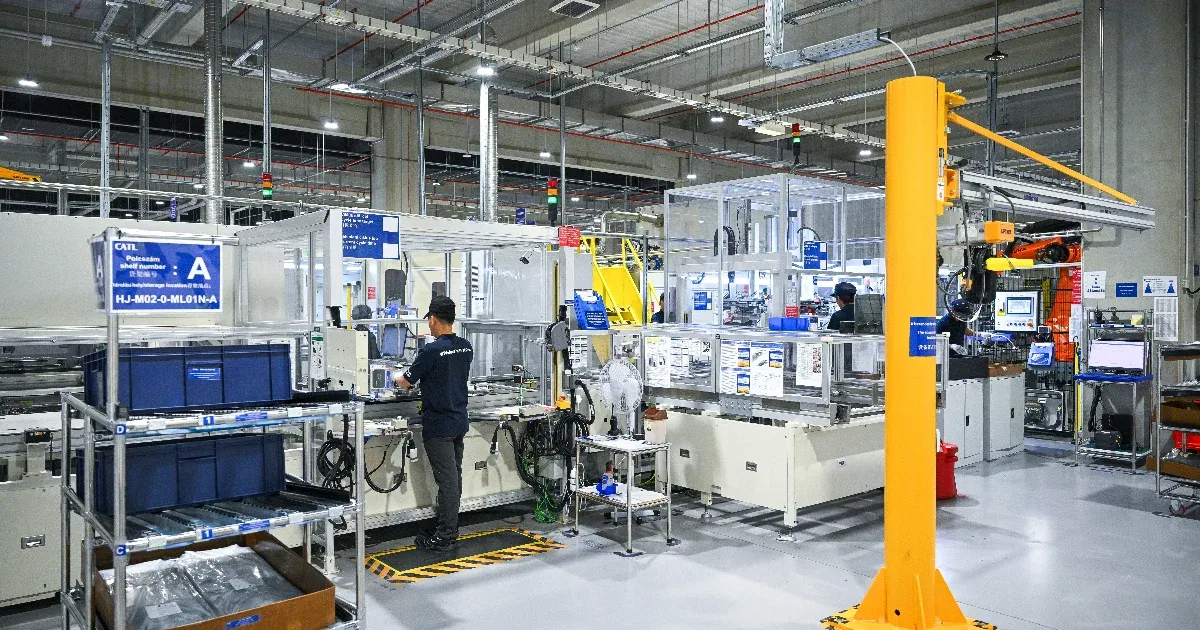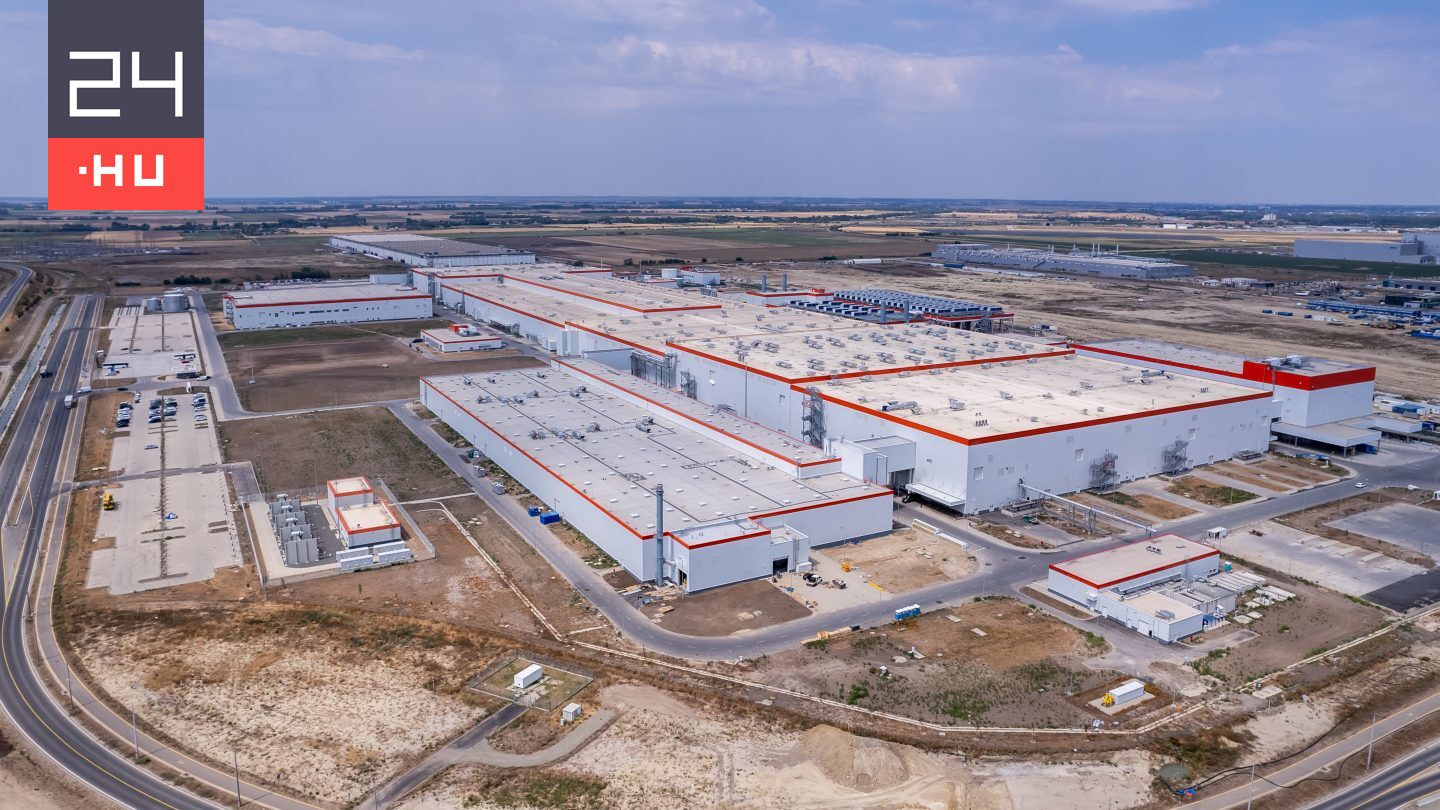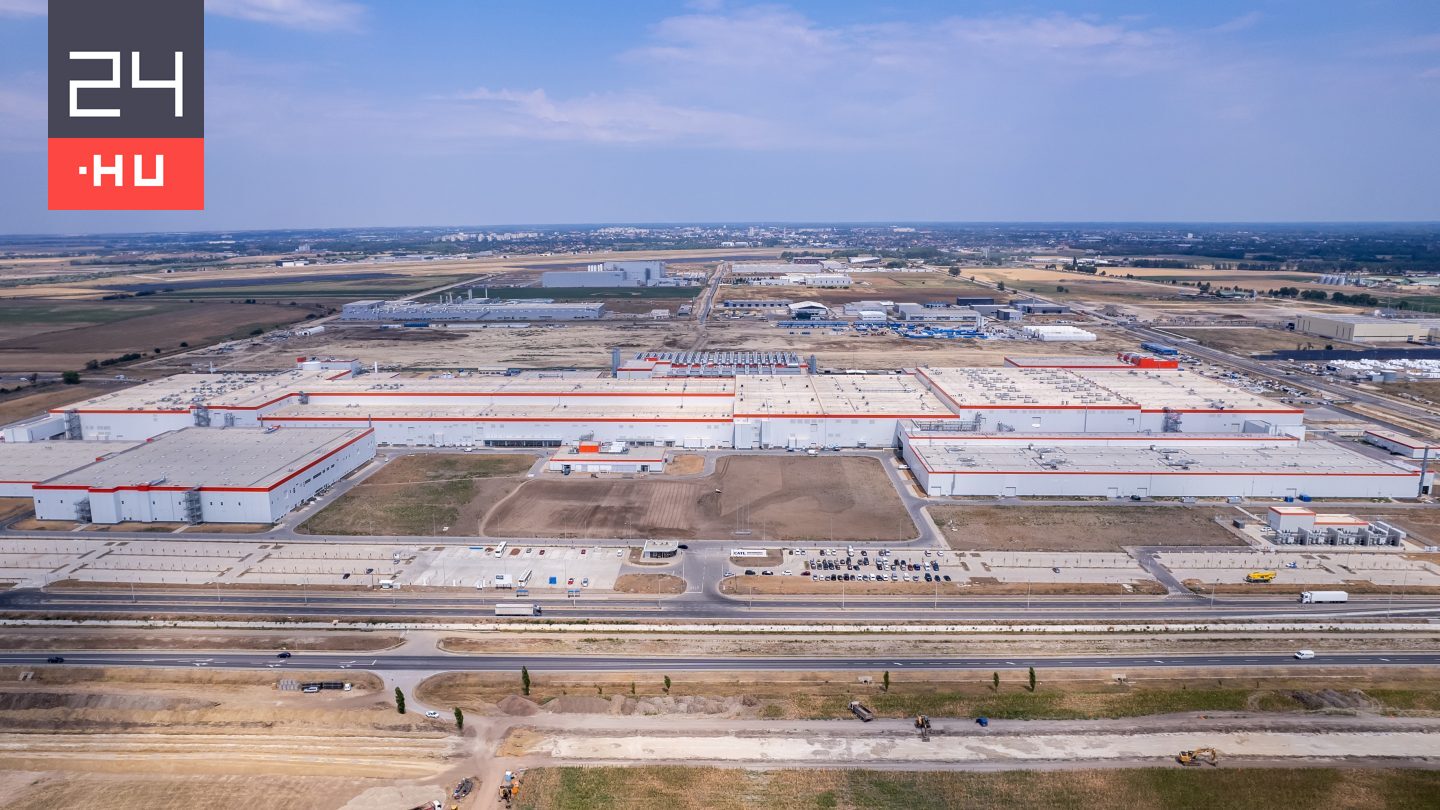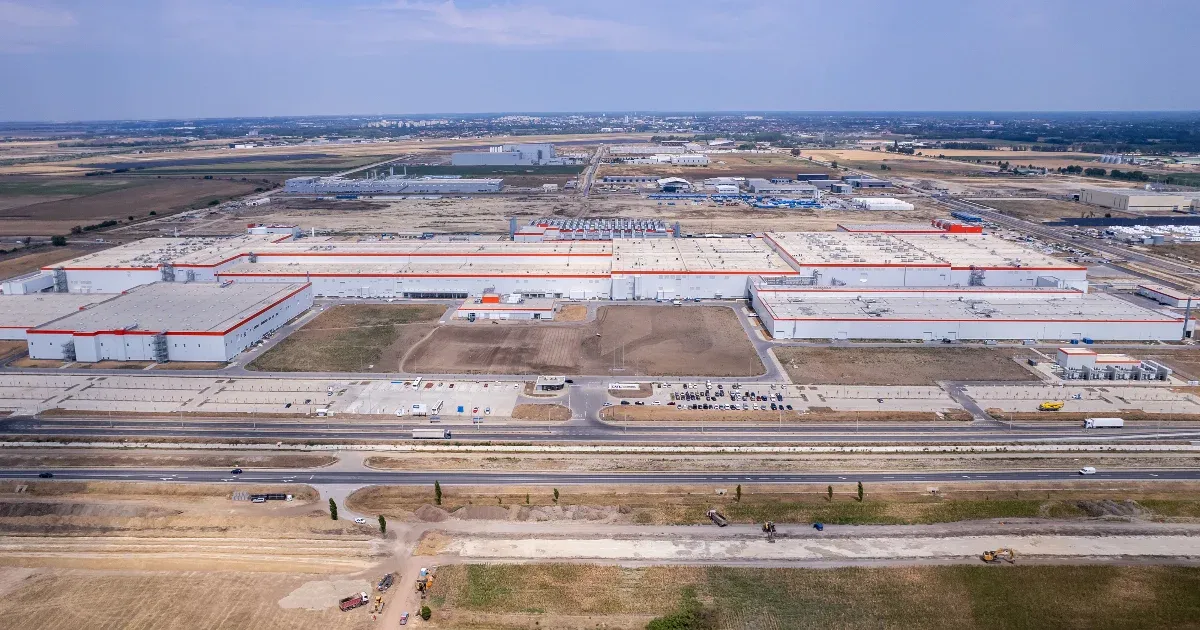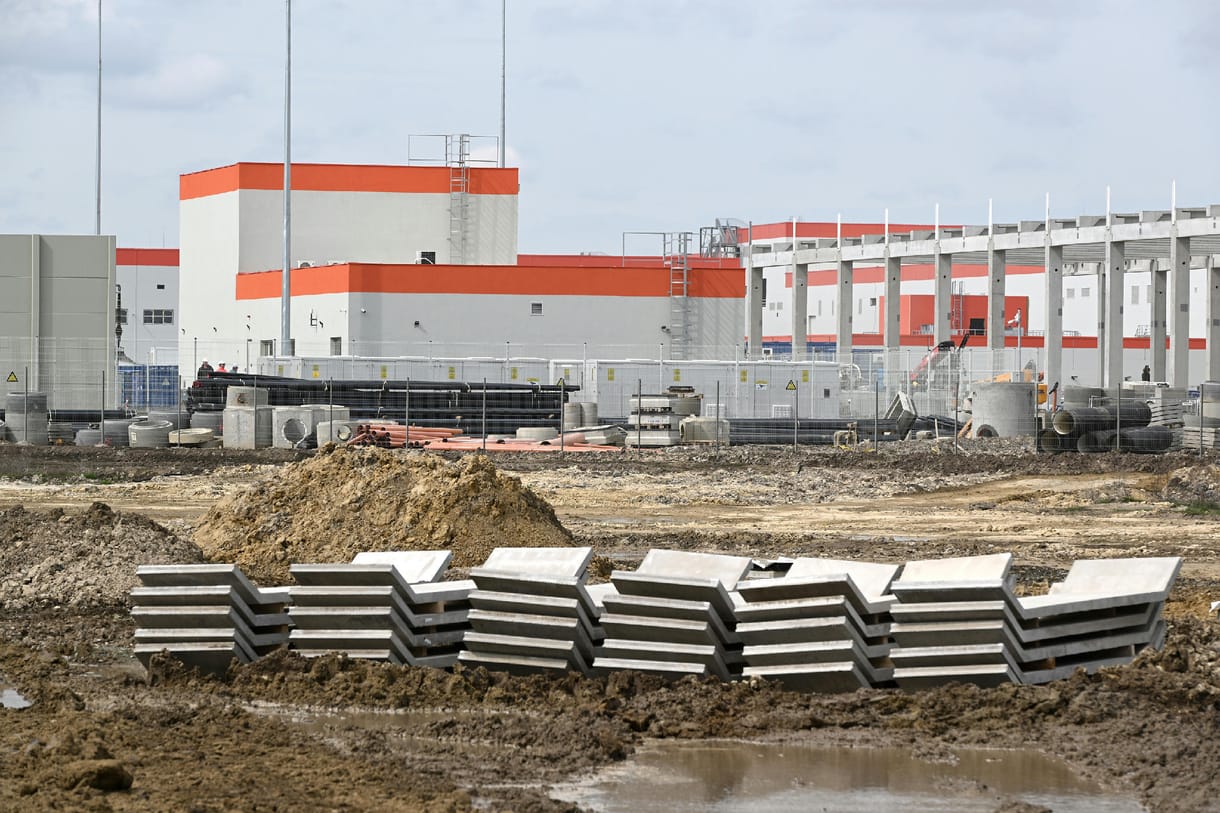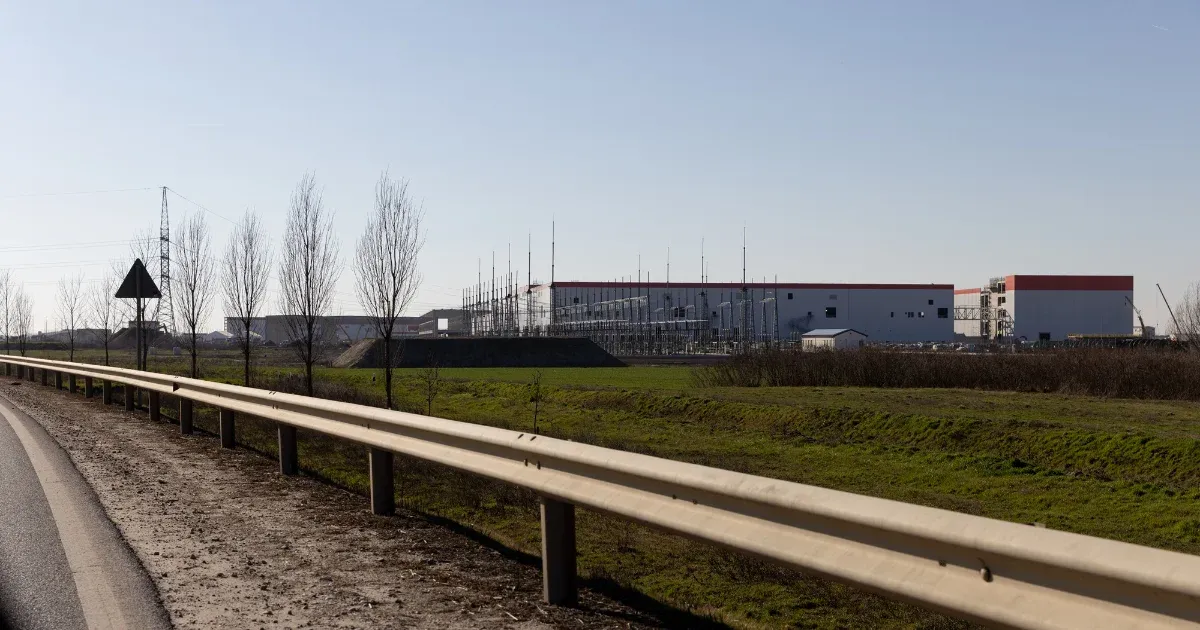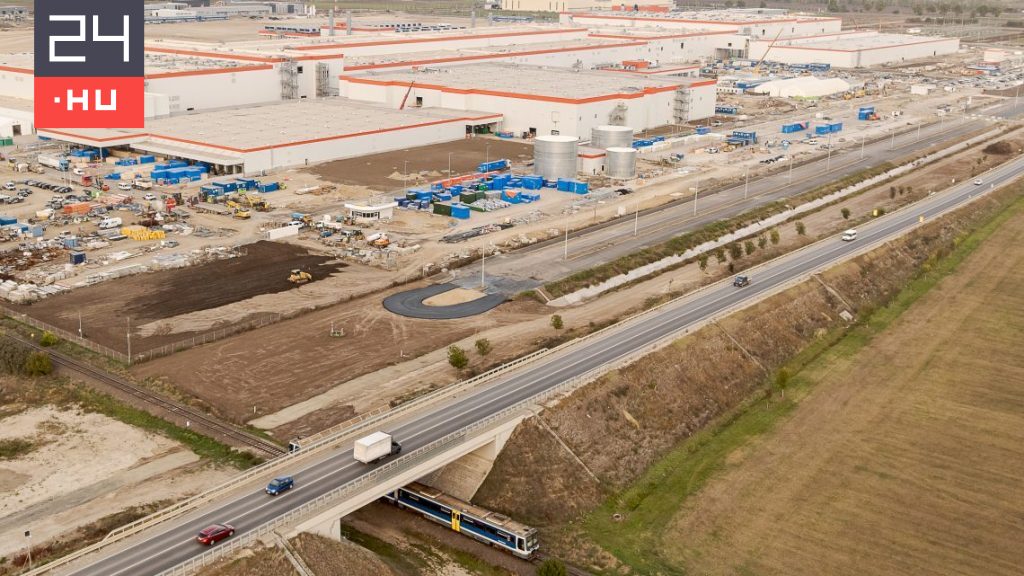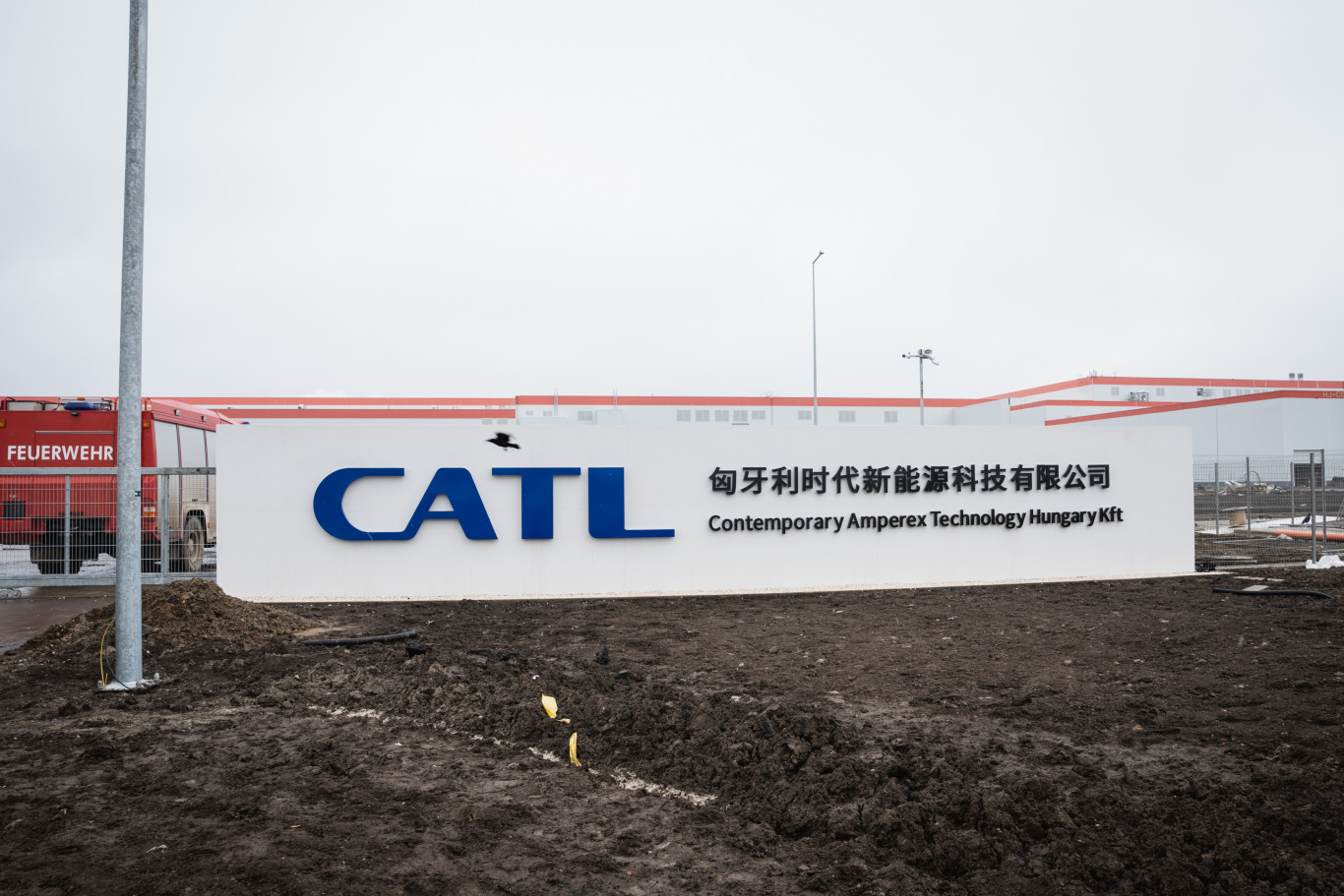
Authorities stopped work in some areas of CATL’s plant in Debrecen, Hungary, after CATL reported that nine employees had been exposed to elevated levels of nickel. A subsequent occupational safety inspection by authorities in Hajdú-Bihar County found that workers had not been adequately provided with protective equipment.
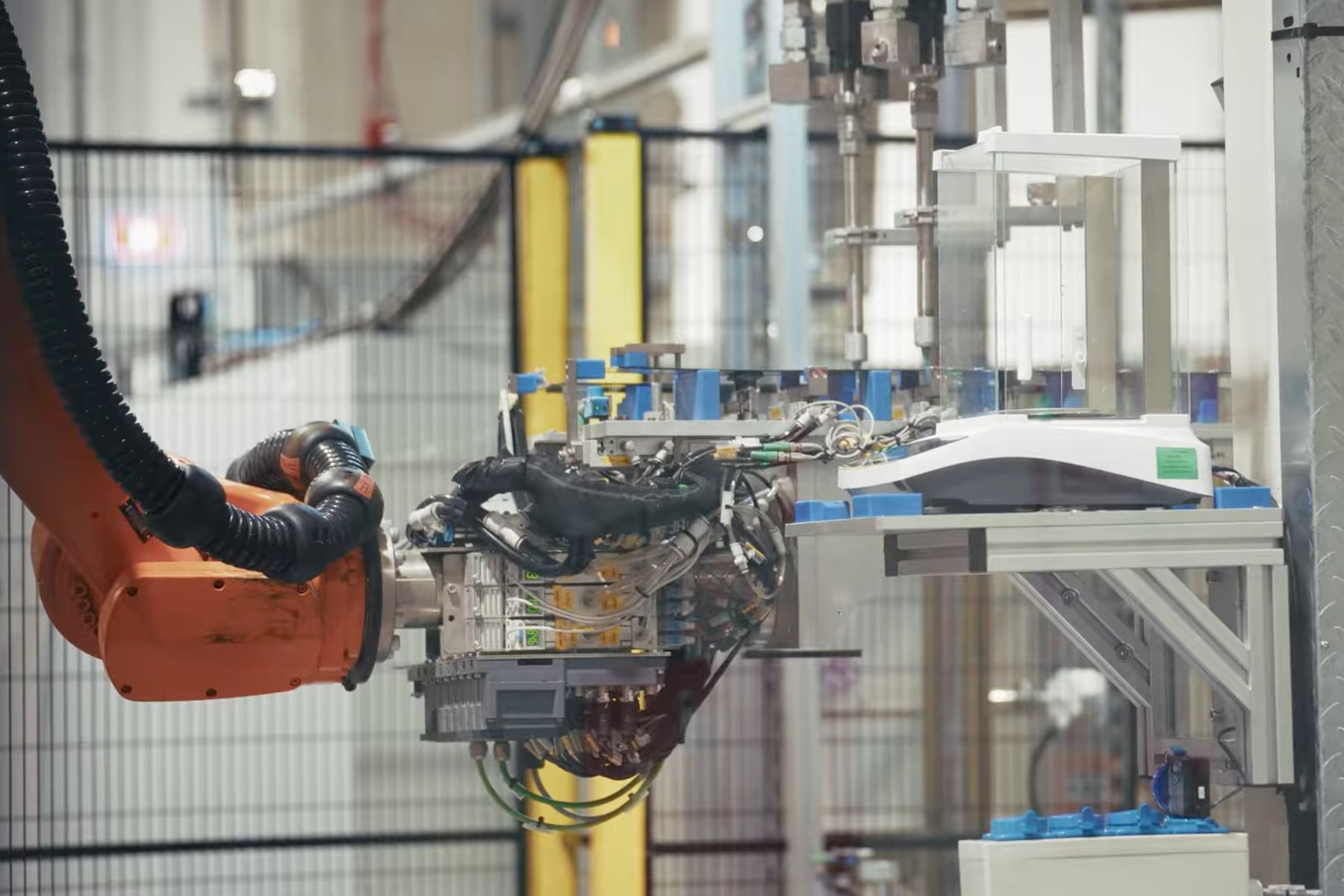
According to Hungarian media, local authorities have prohibited work in three areas of the cell manufacturing building until the identified deficiencies are rectified. The affected areas include systems for laser cutting cathode and anode foils, winding electrode foils, and cell drying. Reports also indicate that a procedure to impose a fine is underway.
However, the suspension of work does not amount to a complete production stop at the site. While cell manufacturing in Debrecen has not yet commenced as the plant is still being developed, CATL is already producing battery modules. In May, the Chinese battery manufacturer commissioned a new module assembly line with an annual capacity of 5 GWh on its premises. The cells required for this continue to be sourced from other CATL plants.
CATL awaits full approval for cell production
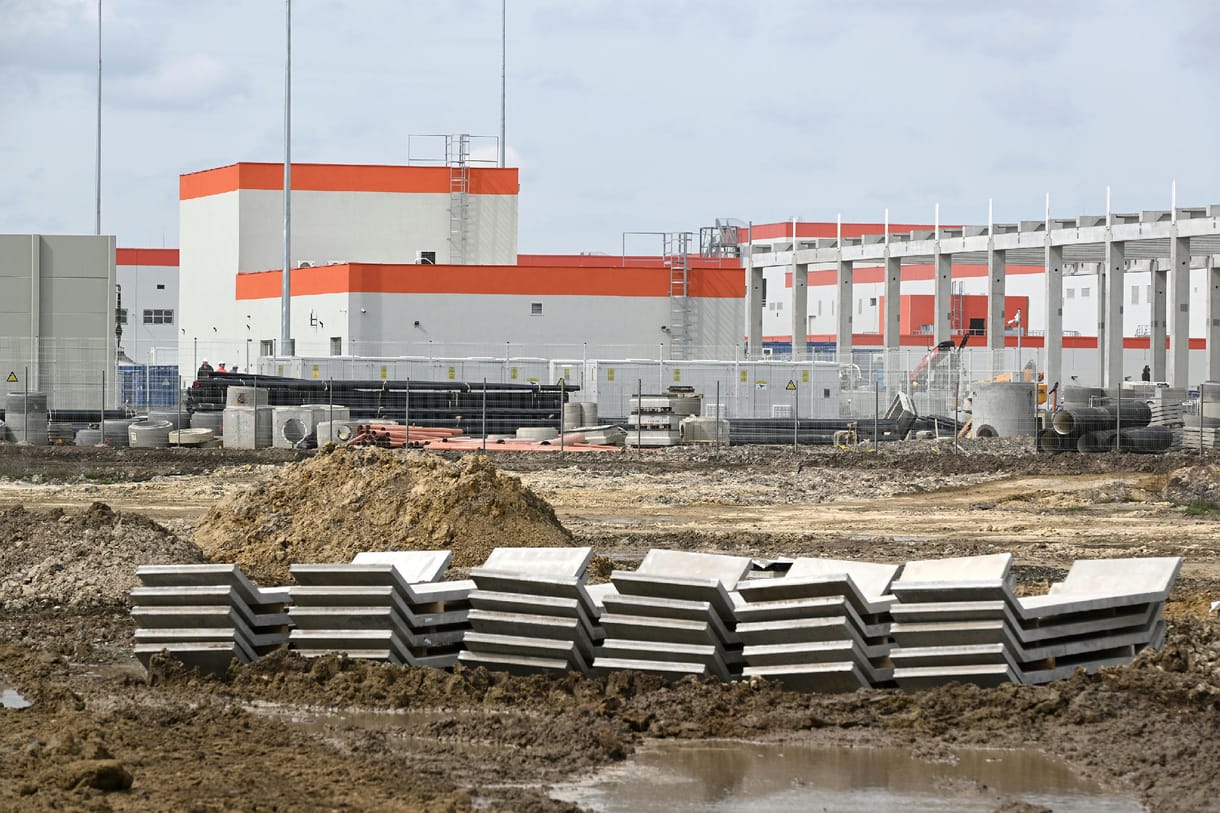
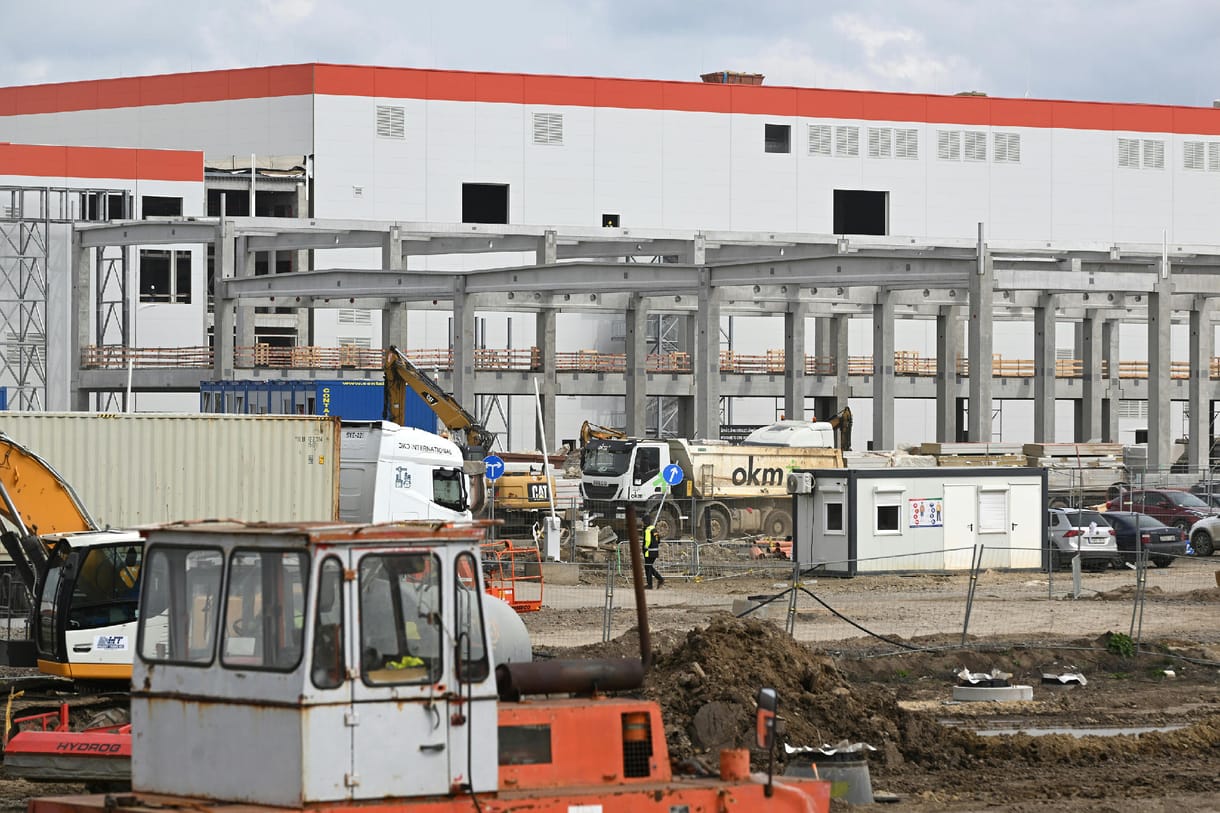
Alongside the occupational safety measures, approvals for cell production have also hit some hurdles. The two processes are separate. The authority denied the usage permit for the second expansion stage not because of nickel exposure, but due to a deficiency in formal proceedings. A permit was initially rejected on 19 August when a completed building was not correctly represented in a site plan. However, during the first expansion stage, the authority granted the usage permit on 25 August after missing documents were submitted.