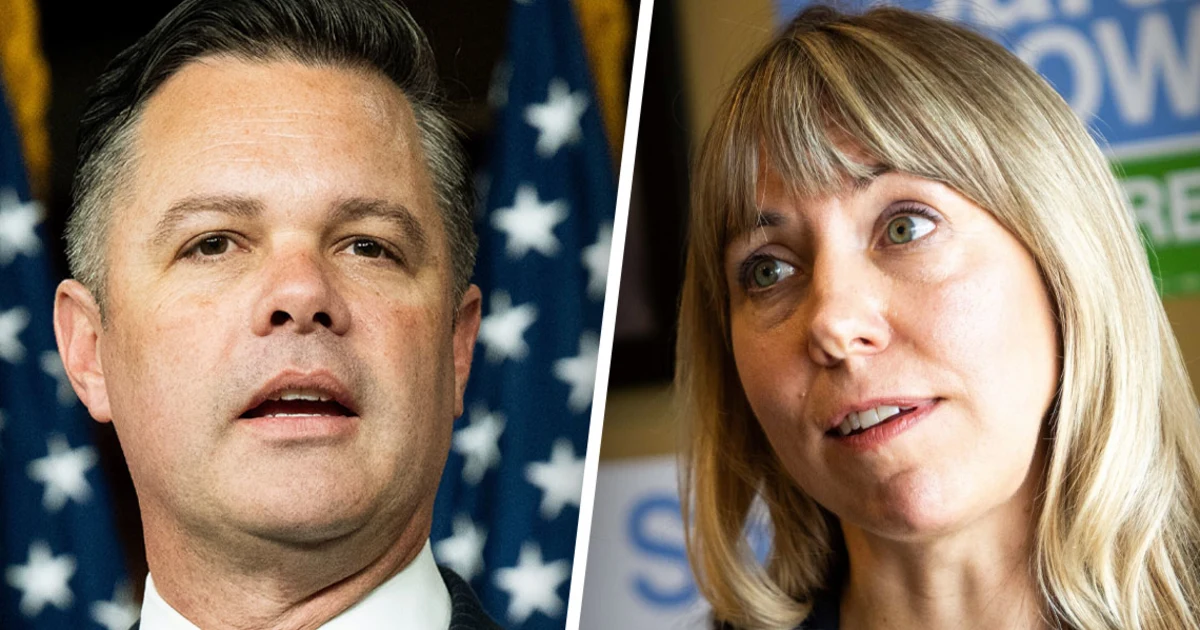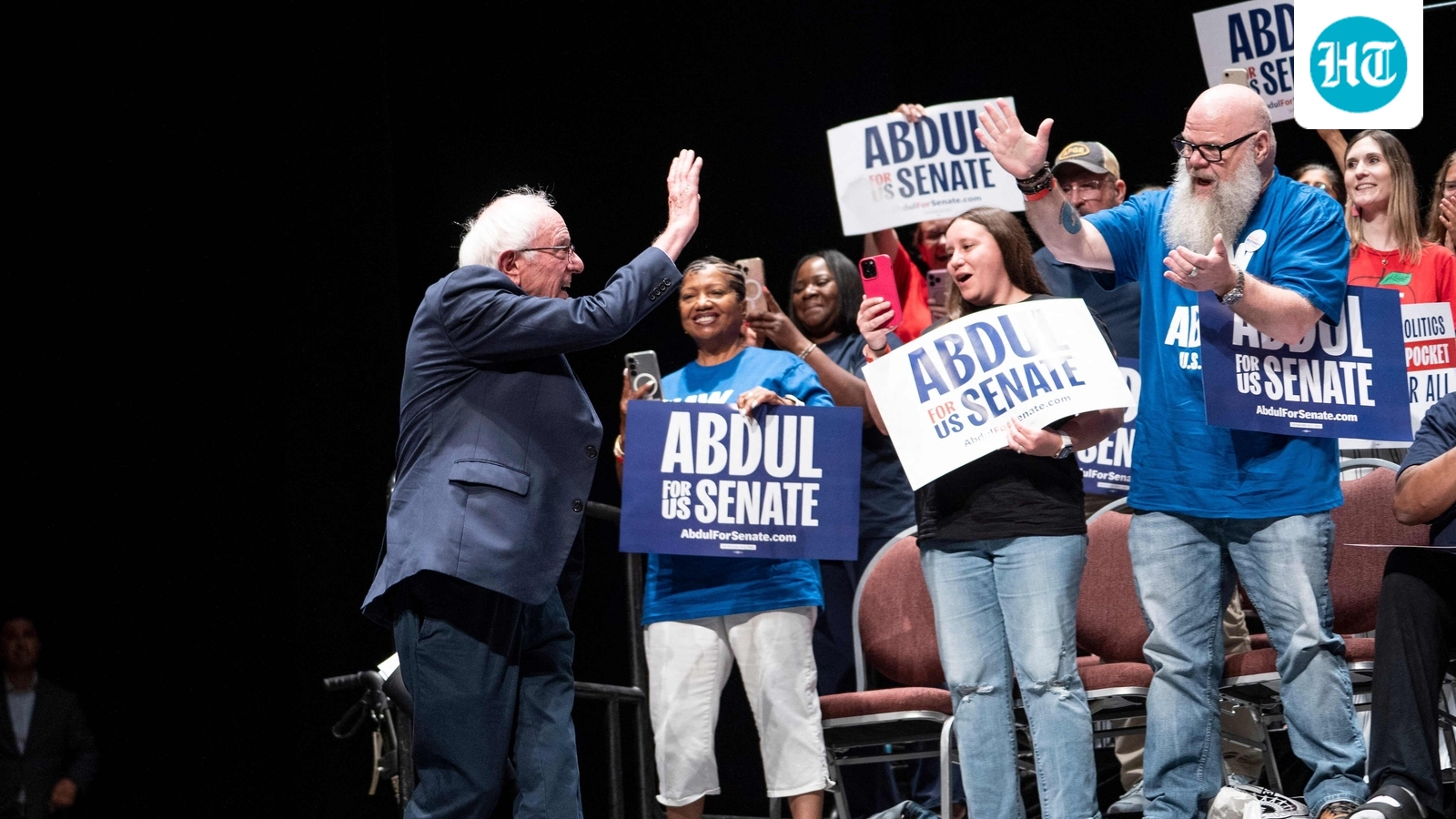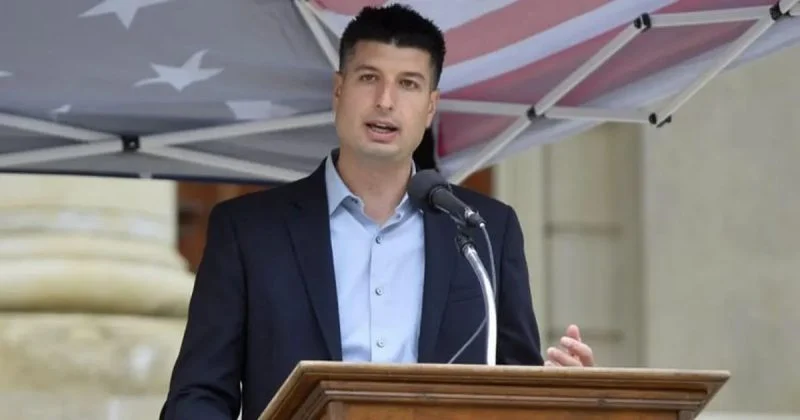
NEW YORK (AP) — In a Michigan swing district just north of Detroit, Democratic congressional candidate Christina Hines said voters are far more worried about affording fuel, groceries and healthcare than about left-wing extremists gaining ground in her party. “It costs me $73 to fill up our minivan right now,” she said. “This is just not acceptable for working families.”Some 600 miles away, political extremism is exactly what Republican Rep. Mike Lawler wants to talk about in his New York battleground district. He said the Democratic Socialists of America “is going to be a big issue, in part because that’s the platform that Democrats are running on.”A transition is underway over these final days of summer as Democrats and Republicans push past internal fights over the direction of their parties and begin a two-month sprint to the general election. As they turn to the fall, a rigid split screen has emerged featuring fundamentally different campaign messages to win over voters. Which version they choose will decide whether Republican President Donald Trump and his party maintain full control of Washington for the next two years.
Specifically, Democrats are working to refocus on the economy, which voters say is their top concern as the cost of everyday goods remains high, even though inflation has fallen from the peak of Democratic President Joe Biden’s term. Republicans, unwilling or unable to challenge Trump’s policies, are fighting to keep the focus on Democrats’ lurch to the left, warning nonstop about socialism or even communism. Republican strategist David Urban, a Trump ally, acknowledged that the message “has limits.”