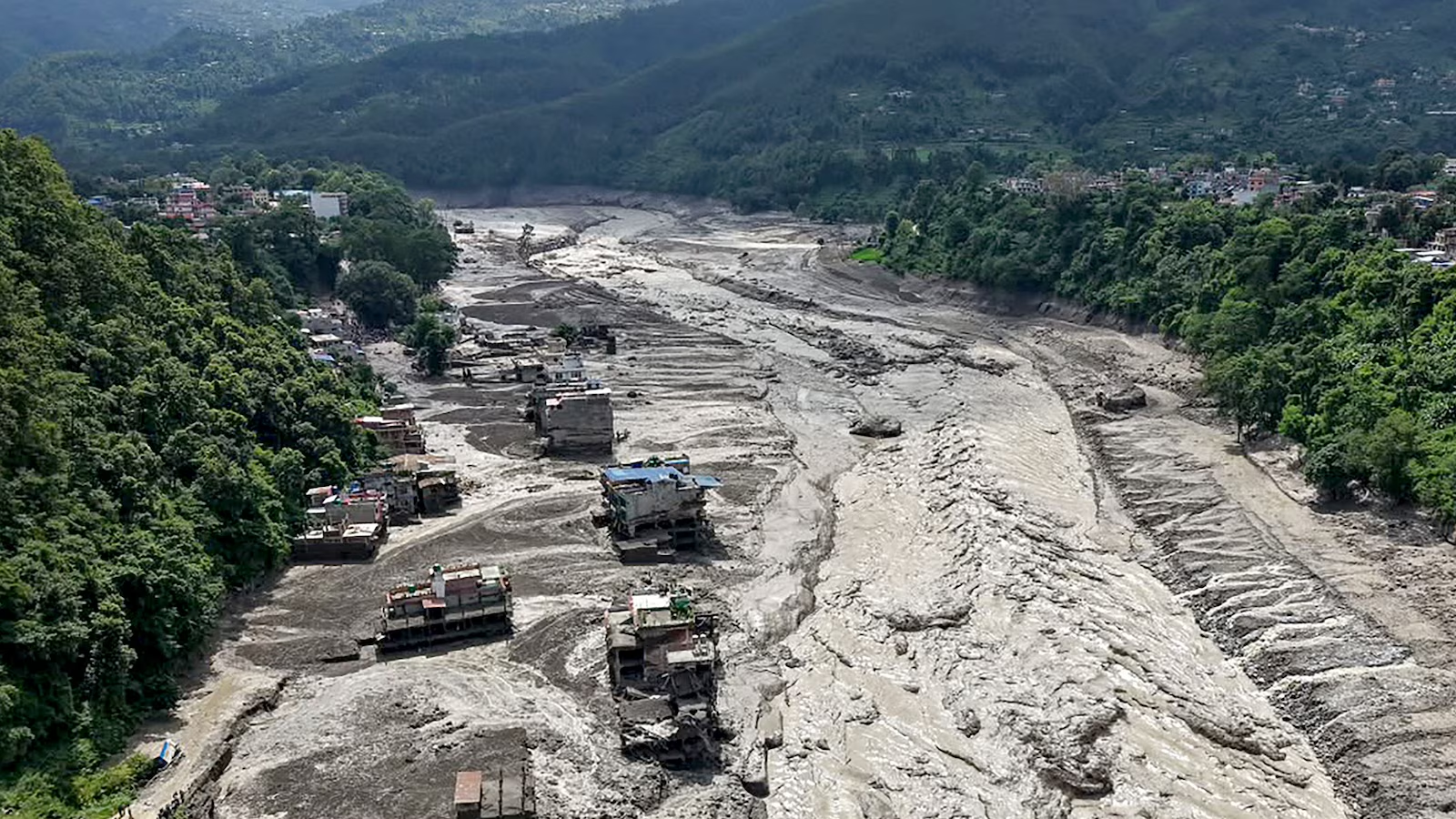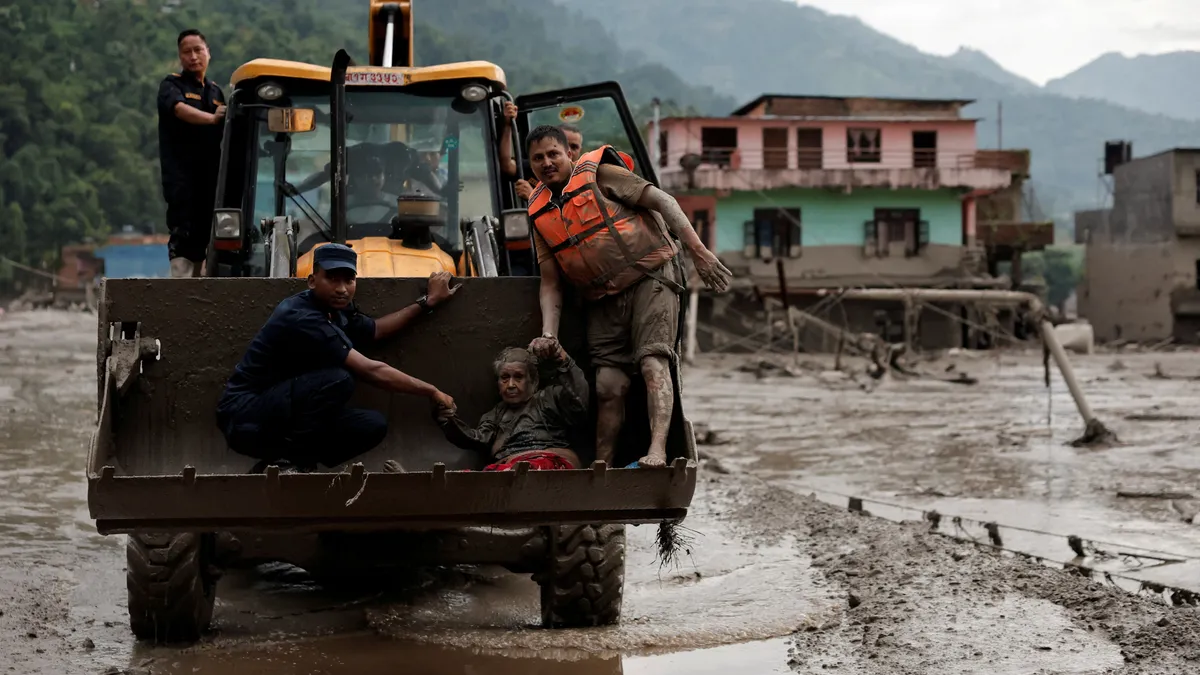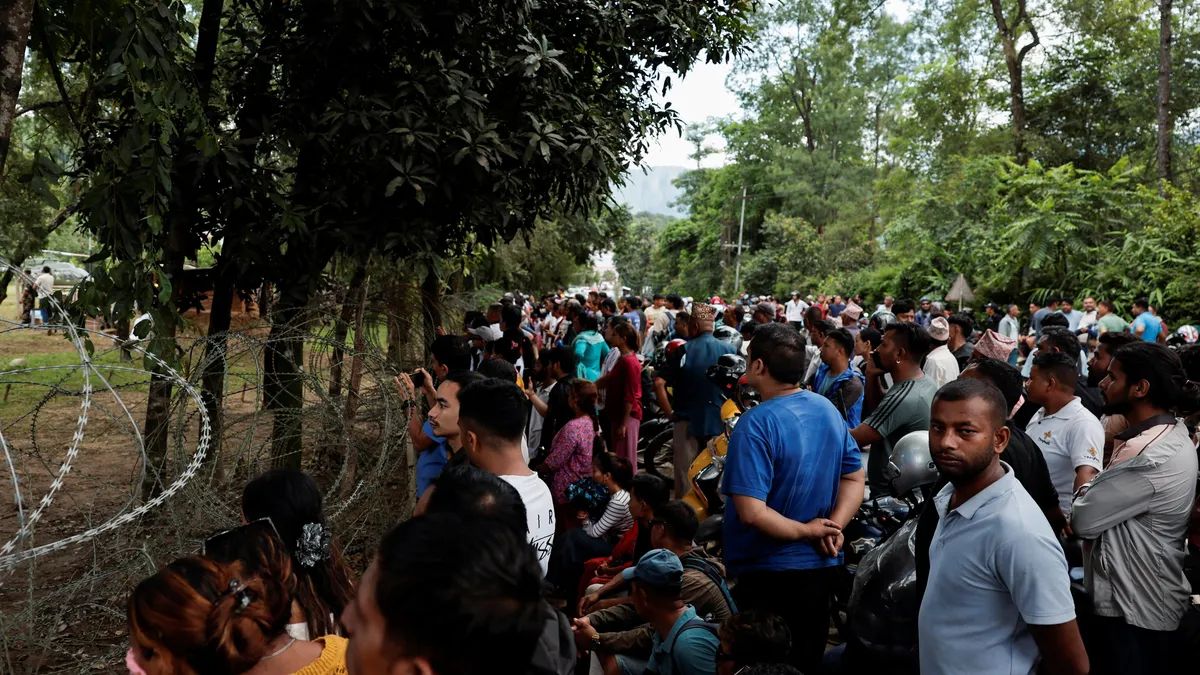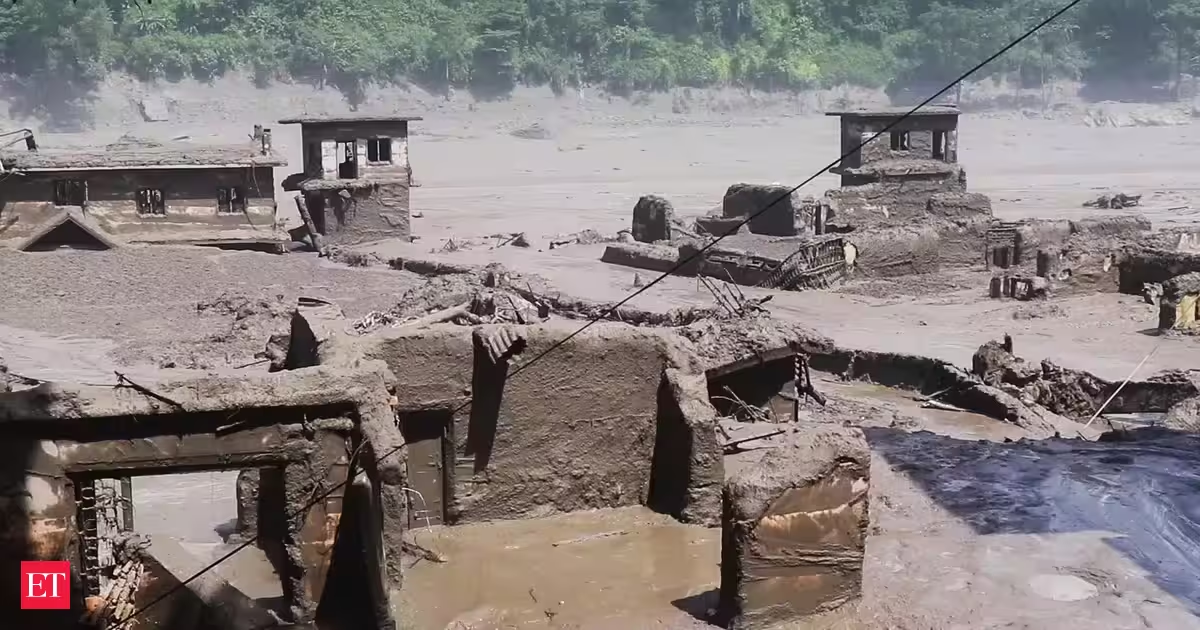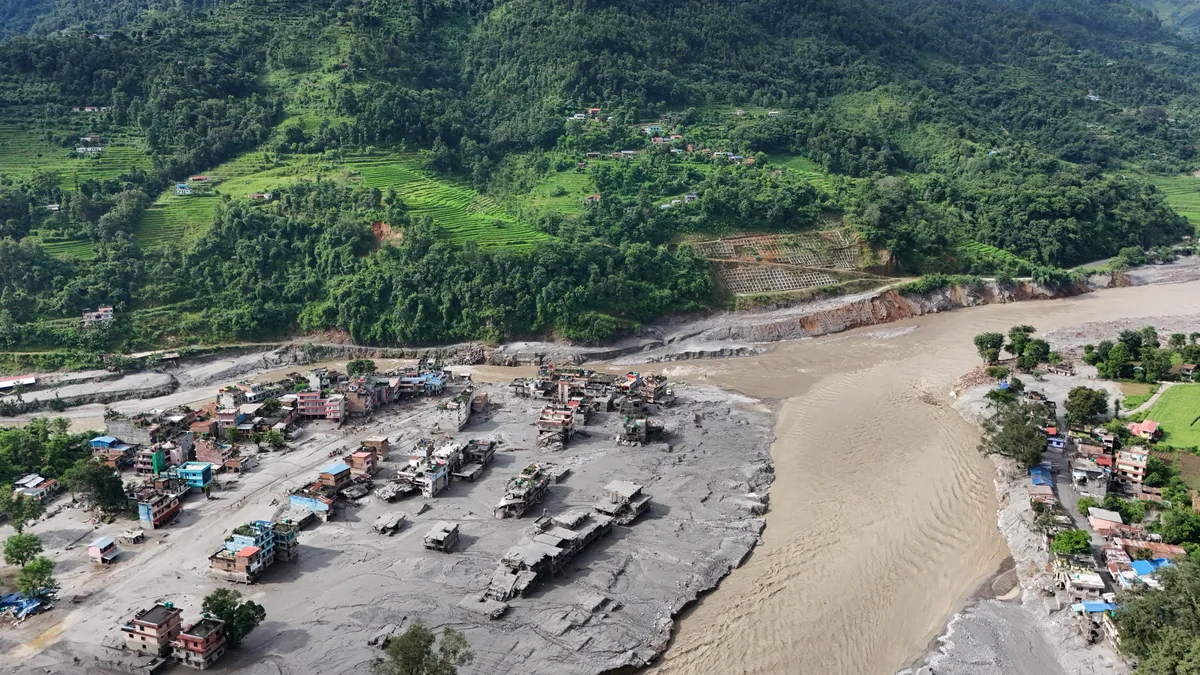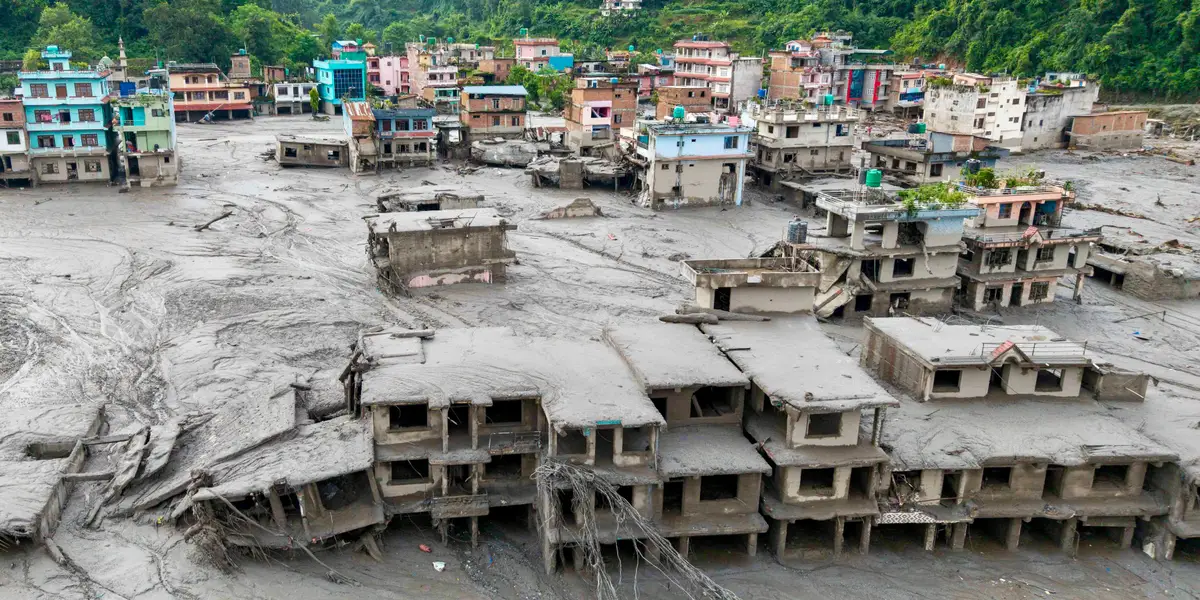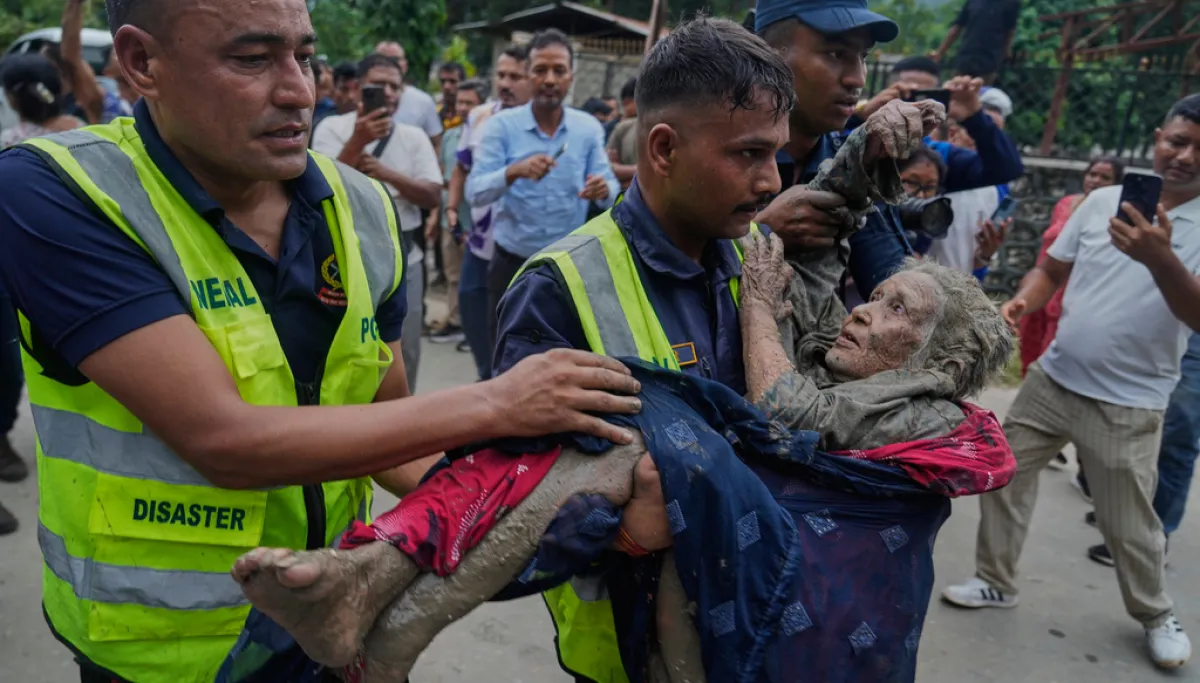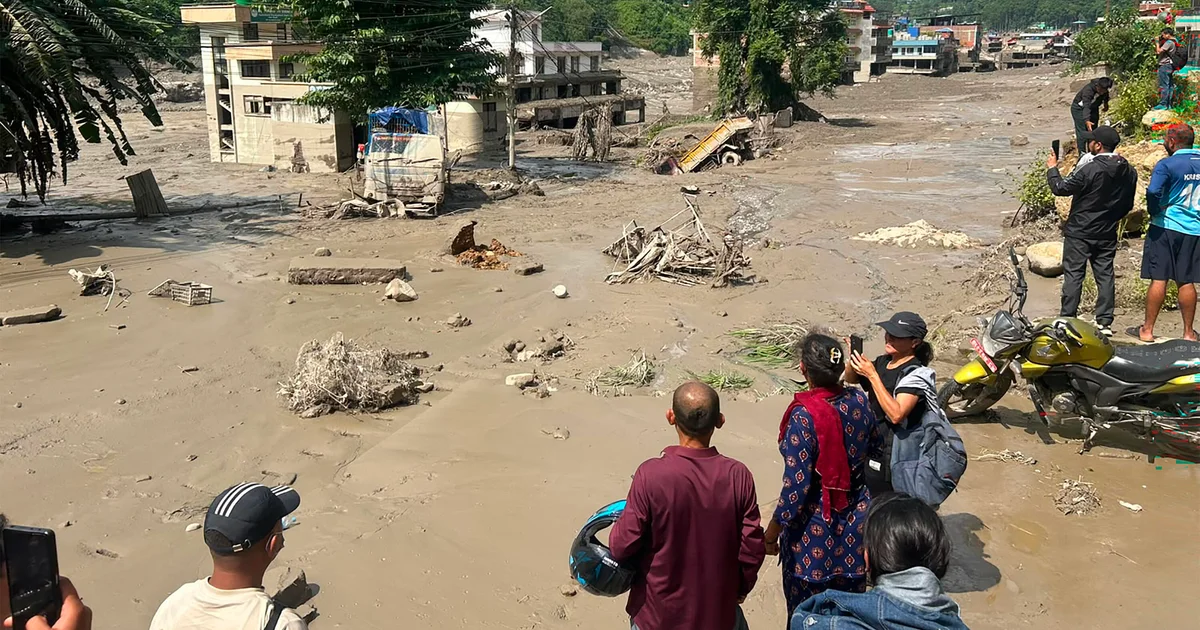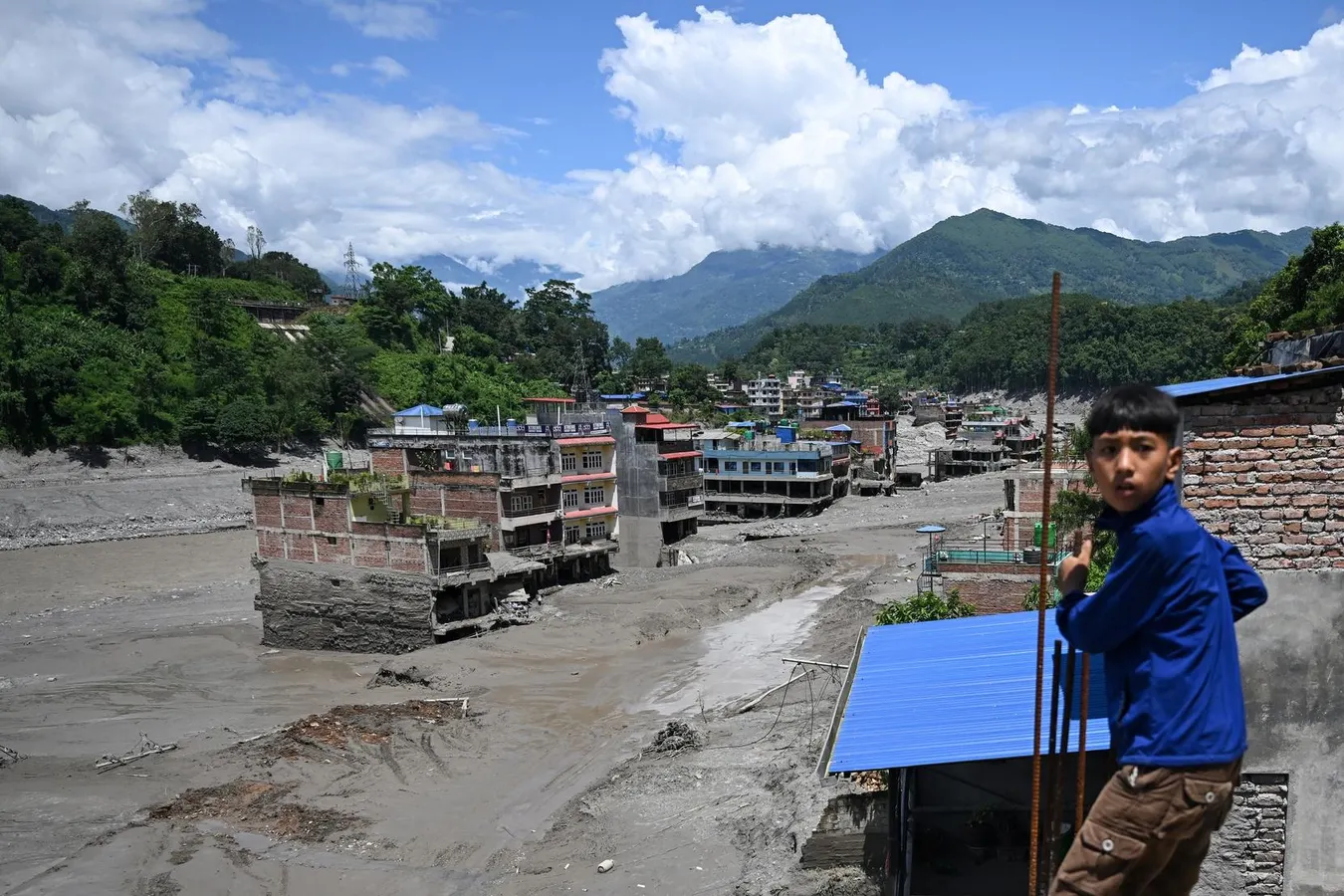
ToplineMore than four dozen Americans are missing in Nepal’s flash floods, Nepal’s tourism organization estimates—but with no real-time registry of Americans traveling abroad, the State Department has struggled to provide accurate numbers in similar crises.Entire villages were deluged in sludge after flash floods swept through Nepal's Nuwakot district. (Photo by Arun SANKAR)AFP via Getty ImagesKey FactsAt least 389 people have been killed in catastrophic flash floods that swept through the border region between Nepal and Tibet, according to Nepalese authorities.At least 667 people, including 65 Americans, are missing, according to the latest update from the Nepal Tourism Board.As of 8 a.m. EDT, the State Department was “aware of approximately 90 Americans who may be impacted by the floods in Nepal/China cross-border region” and “not aware of any U.S. citizen deaths,” an agency spokesperson told Forbes.Officials in Nepal said the disaster appeared to be "triggered by a landslide associated with a glacial event in the Himalayan region, sending a sudden and destructive surge of water downstream."The State Department said Wednesday the agency was “closely monitoring the situation and is deploying a disaster response advisor to the region” and will provide $500,000 in assistance through its global award with Catholic Relief Services.”Crucial Quote “We’ve called Nepal and we’ve offered any help that they need. You know, we have a very good relationship with Nepal and that was brutal,” President Donald Trump said Thursday in the Oval Office. “Nobody’s ever seen anything quite like that where very powerful, strong, well-built buildings were wiped out like they were toothpicks.”The Rescue Operation Is OngoingEarly Thursday morning, the Nepal Tourism Board released a list of 27 individuals rescued in the Rasuwa area, including two U.S. citizens: 52-year-old Anjana Raja and 55-year-old Pattabiraman Venkatesan. They have been released and are in good health, NBC News reported. The State Department told Forbes it is aware of a third American who was “safely rescued in Nepal.”U.S. Government’s Difficulty In Accounting For Missing CitizensAmericans are not required to tell an embassy when they enter or leave a country and the State Department does not have a real-time registry of Americans traveling abroad. During an international disaster, the department has to build numbers based on calls from families, data from local authorities, and information from airlines, hotels and tour operators—and then eliminate duplicates and fact-check whether the people in question were actually in the affected area. The State Department strongly encourages travelers to enroll in the Smart Traveler Enrollment Program (STEP), a free and voluntary service where U.S. citizens and nationals can share travel plans abroad so they can be quickly contacted in case of emergency. But since relatively few travelers enroll, State Department officials cannot rely on STEP to produce an accurate, real-time count of Americans in a country. During the 2024 Haiti crisis, for example, State Department spokesman Matthew Miller said “it’s impossible for us to know for sure” how many Americans were in Haiti because most U.S. citizens don’t register with the government when they travel abroad. Twenty years earlier, the State Department received more than 30,000 inquiries about Americans who might have been affected in the 2004 Indian Ocean tsunami. Officials had to painstakingly work through the cases individually, using families, airlines, hotels, tour operators, foreign governments and people on the ground to determine who was actually in the disaster area. Ultimately, the State Department determined that 33 U.S. citizens died in the tsunami. Key BackgroundA flash flood entered Nepal through the Bhote Koshi River in Rasuwa at 8:30 a.m. on Wednesday, sending a torrent of water through Himalayan villages. “A group of scientists believe a glacier may have broken off and fallen into the valley below, which triggered or at least compounded the effect of the landslide,” CNN reported. A sizable number of the foreign tourists and travelers missing or stranded in the northern border region were thought to be on a pilgrimage to 21,000-foot Mount Kailash, a sacred Himalayan peak in southwestern Tibet, near China’s borders with Nepal and India. It holds significance for Hinduism, Buddhism, Jainism and the Tibetan Bon tradition. Chinese authorities warned on Thursday that a barrier lake on the Nepal-Tibet border could breach in the coming days, further complicating rescue efforts. The U.S. mission in China, which includes the embassy in Beijing, has warned Americans in China that “continued rainfall and unstable slopes sustain the risk of secondary landslides and additional outburst floods.”Further ReadingA Looming Flood Disaster Question — How Fast Is Nepal Warming? (Forbes)
Nepal Floods: Up To 90 Americans Thought Missing—Here’s Why Numbers Are Hard To Pin Down
Nepali authorities estimate that more than four dozen Americans are missing after flash floods swept through the Nepal-Tibet border region—while the State Department has historically struggled to confirm numbers in real time.
744 words~3 min read