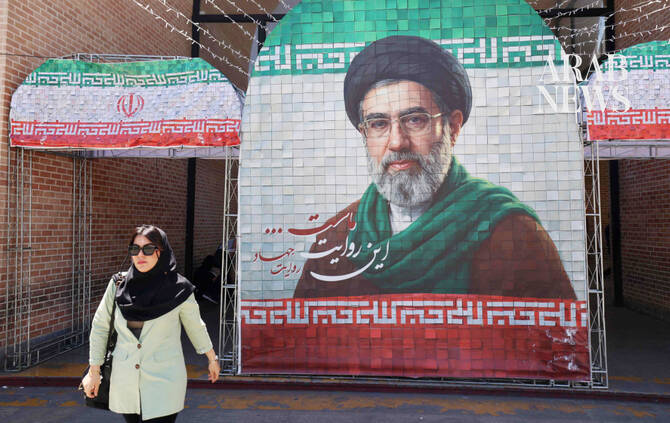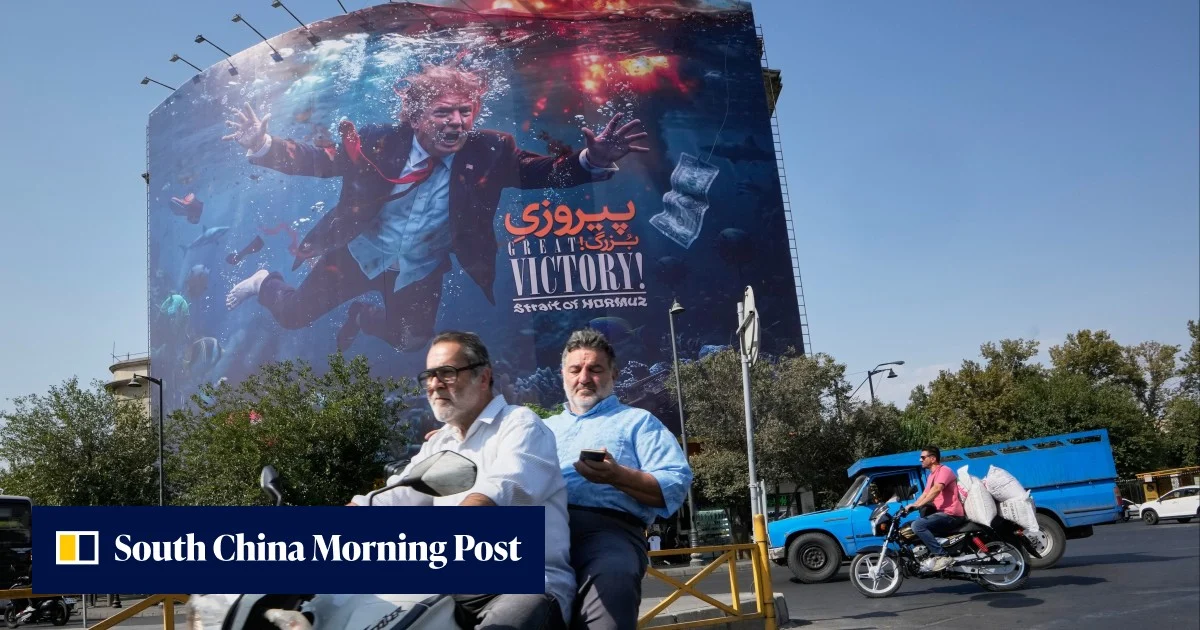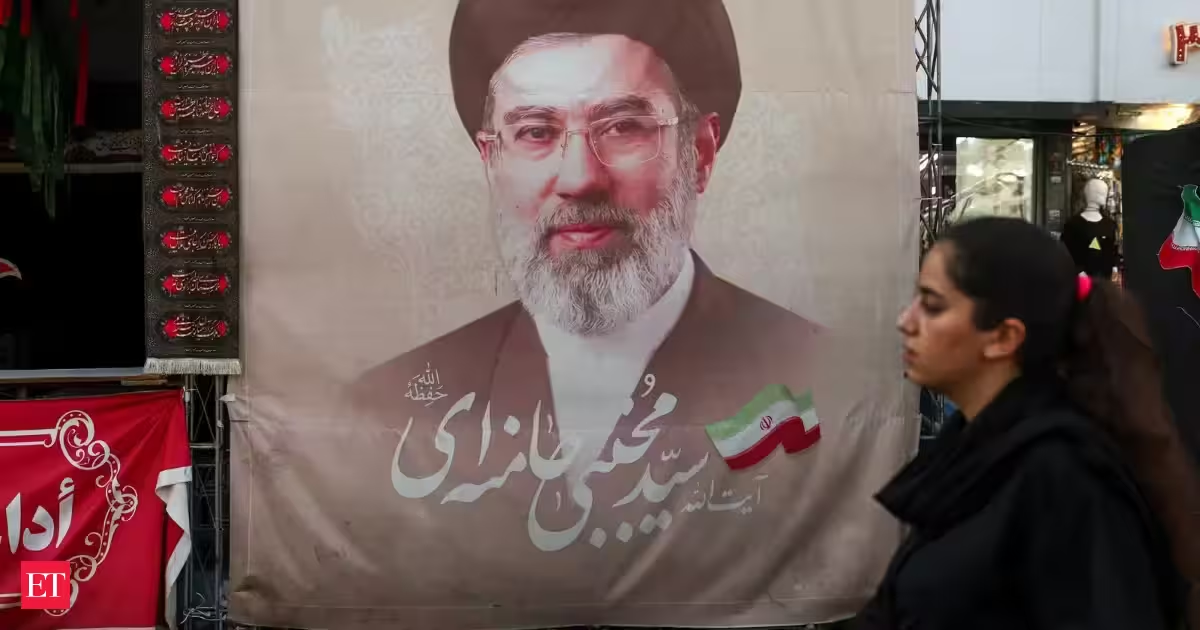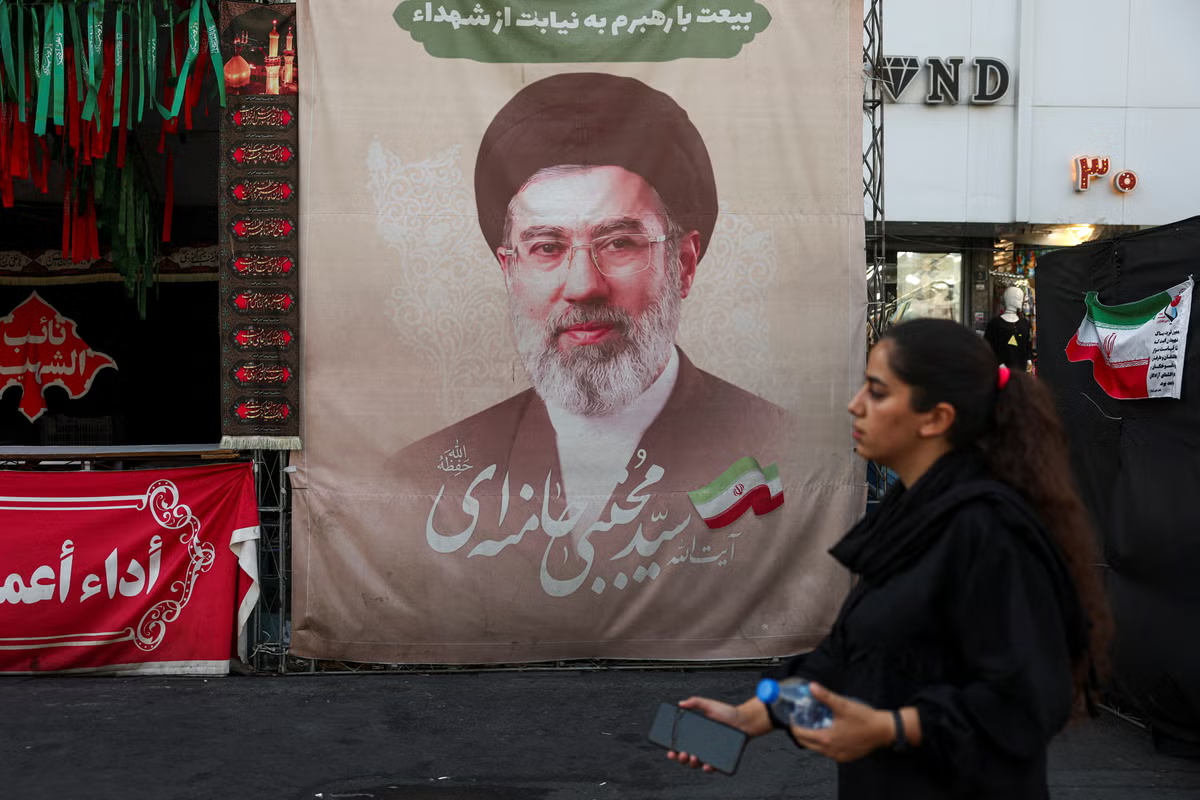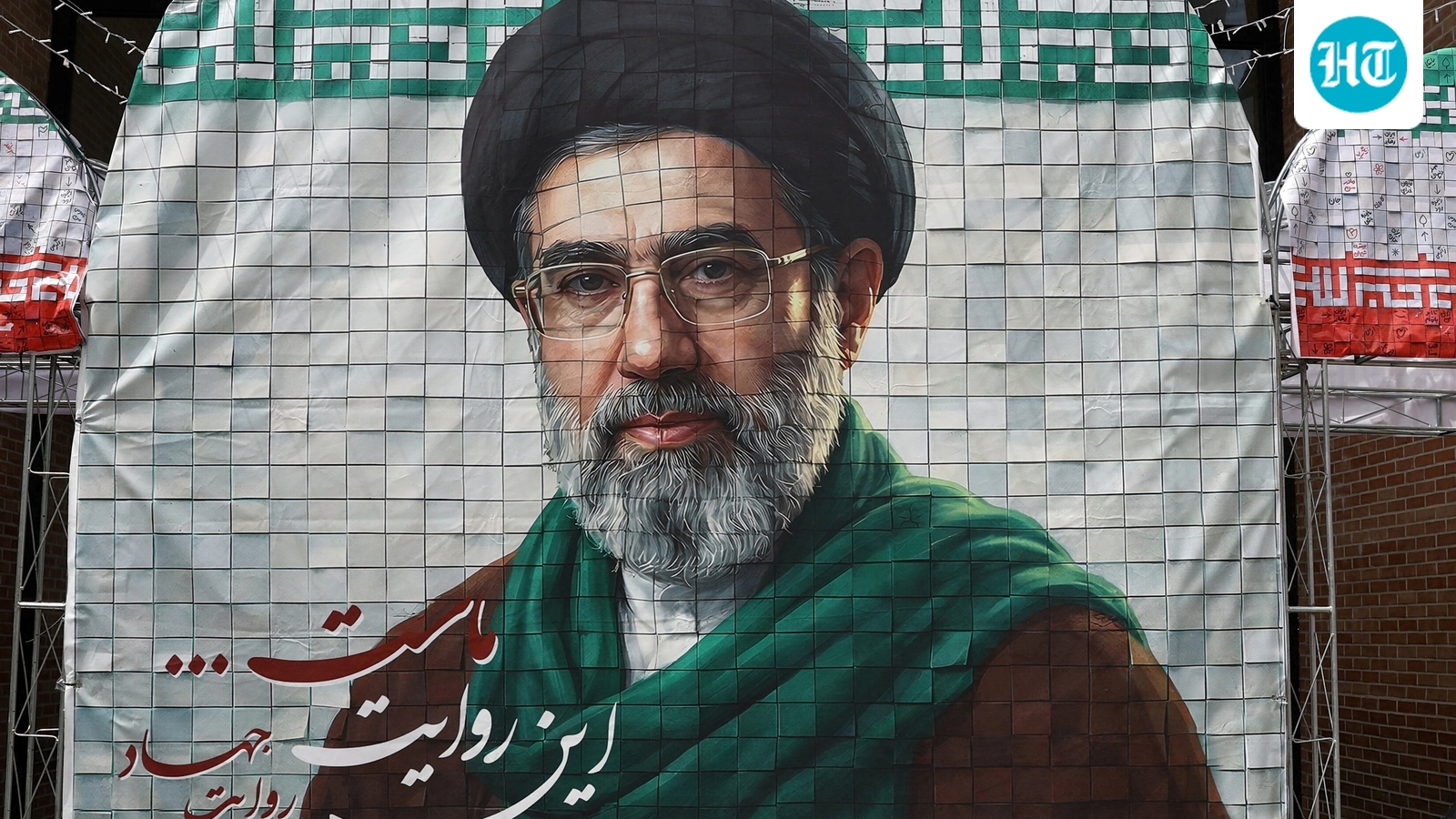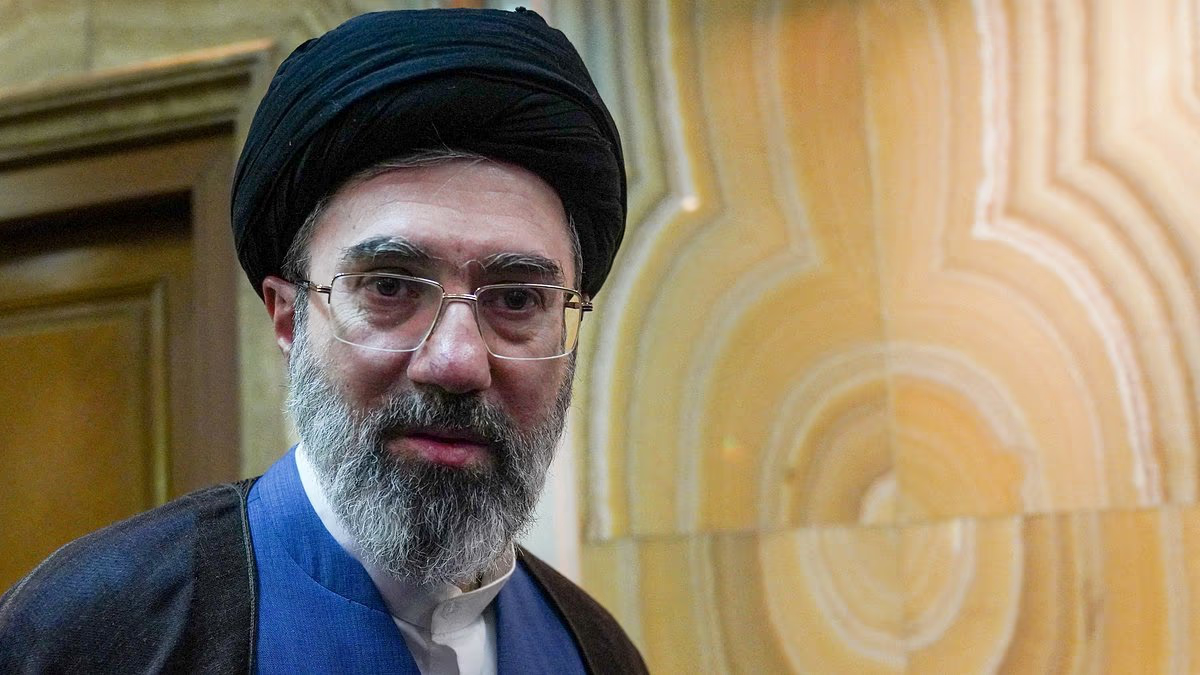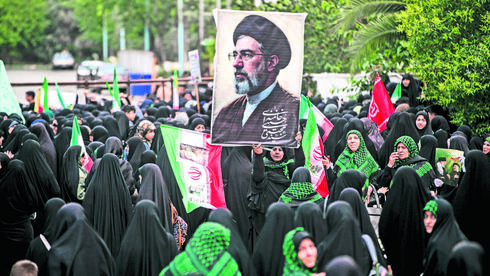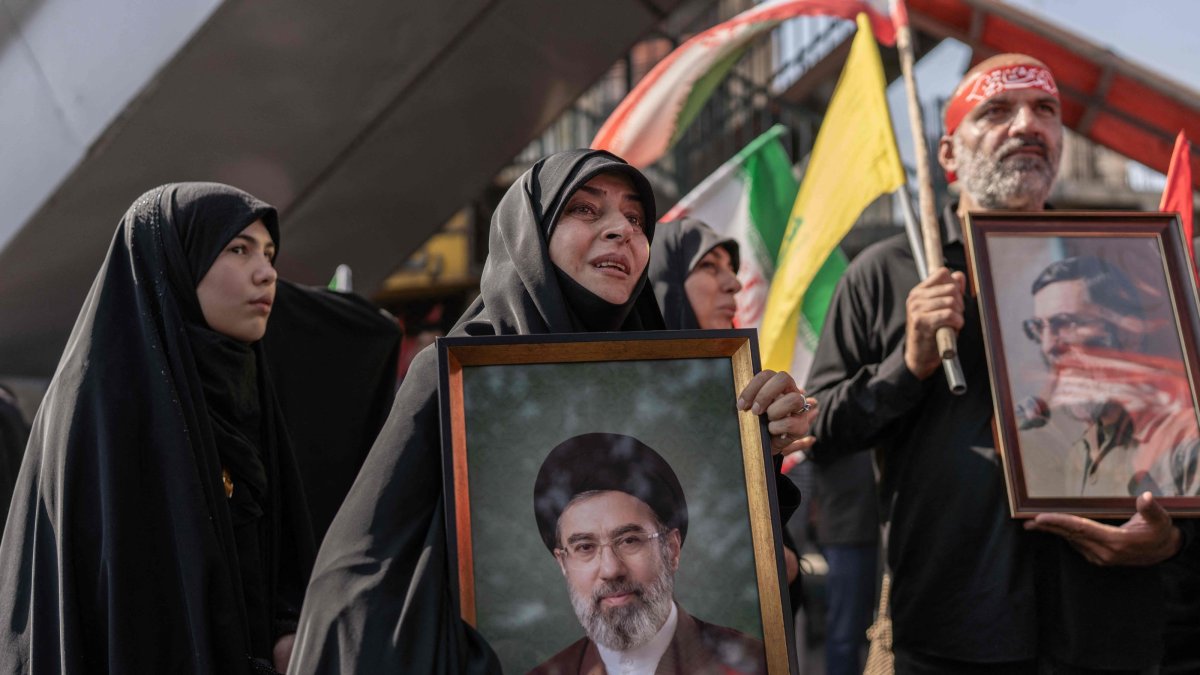
Six months after the airstrikes that triggered the war and thrust a badly wounded Mojtaba Khamenei into the role of Iran’s supreme leader, he remains almost completely absent from public view, creating an unusual vacuum at the center of the country’s leadership.
Questions about Khamenei’s health and ability to govern are becoming increasingly sensitive as Iran faces critical decisions over a war that has destabilized the Middle East and further battered its already fragile economy.
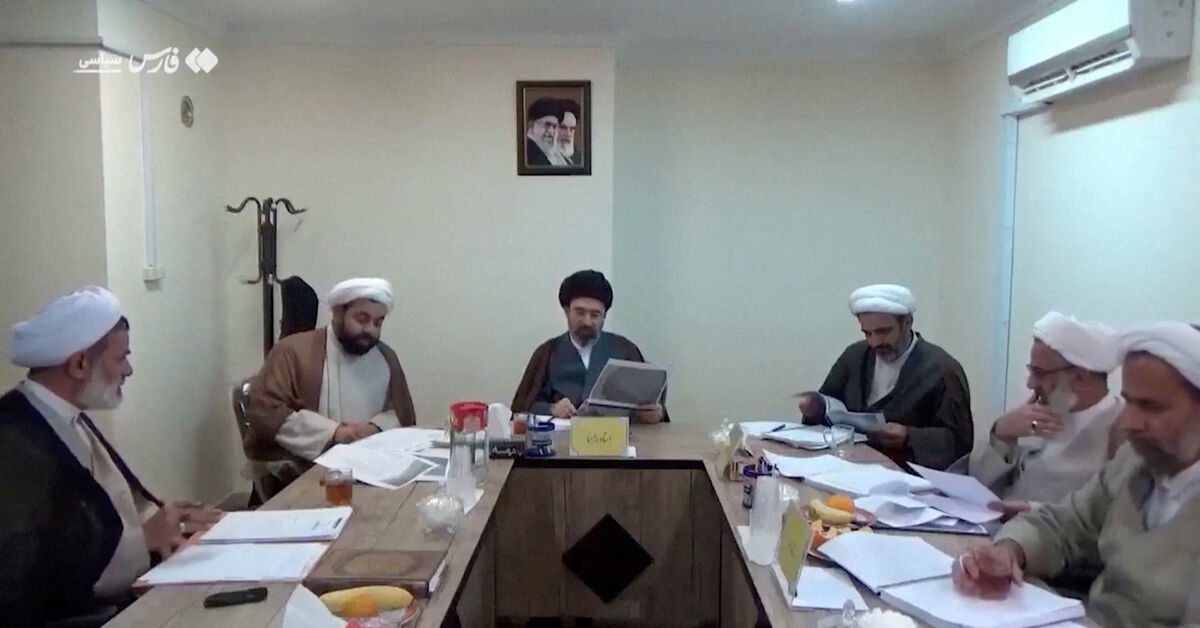
Iranian officials and senior sources familiar with the leadership say Khamenei remains firmly in control, governing largely from the shadows because of security concerns while recovering from injuries that have reportedly left him disfigured.
They say he has delegated much of the day-to-day running of the country to a small group of senior officials.
But Khamenei has not appeared in a photograph or video, nor has he delivered a recorded audio message, since he was appointed supreme leader about a week into the war. His prolonged absence has fueled growing skepticism among Iranians in a political system where the supreme leader is expected to project authority and remain the ultimate voice on matters of state.