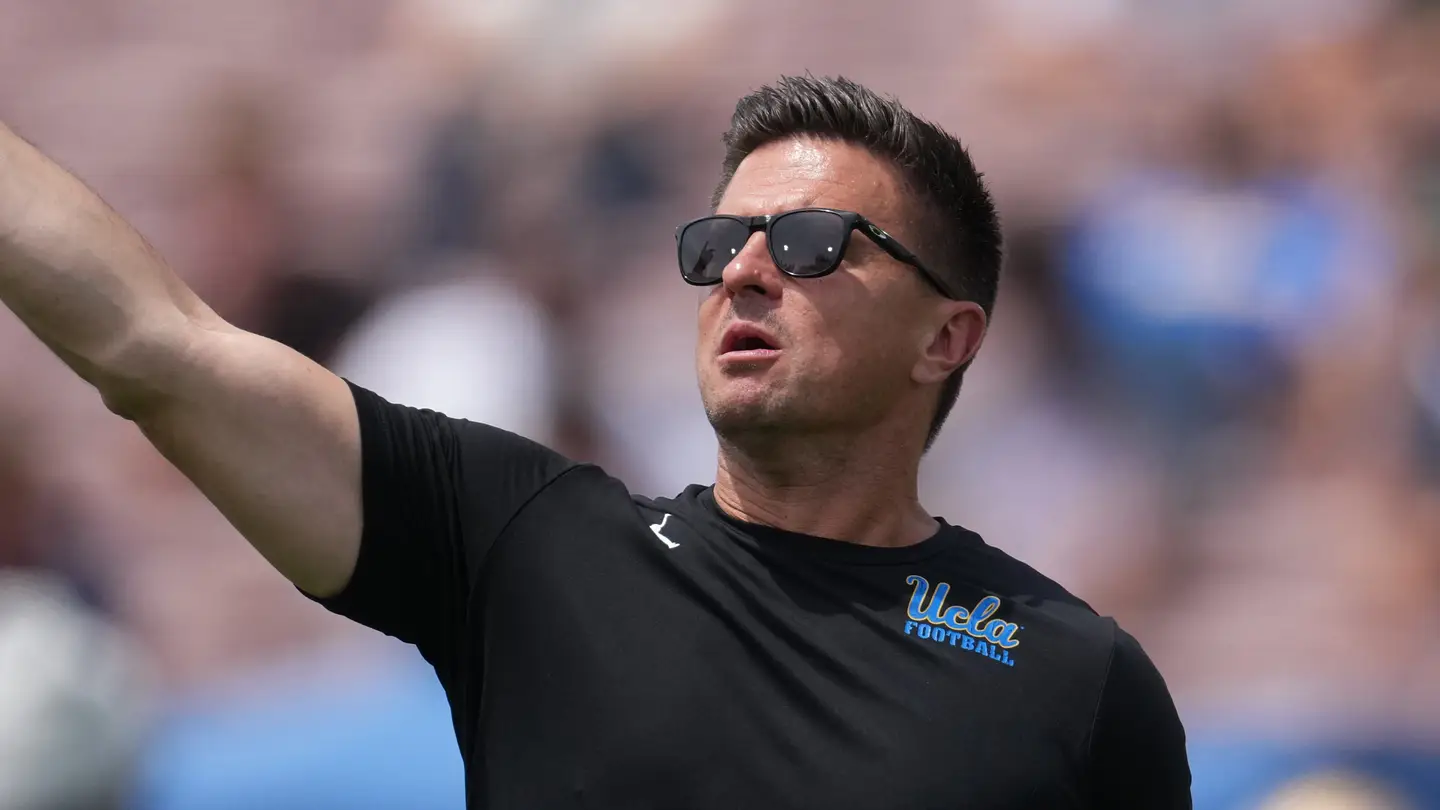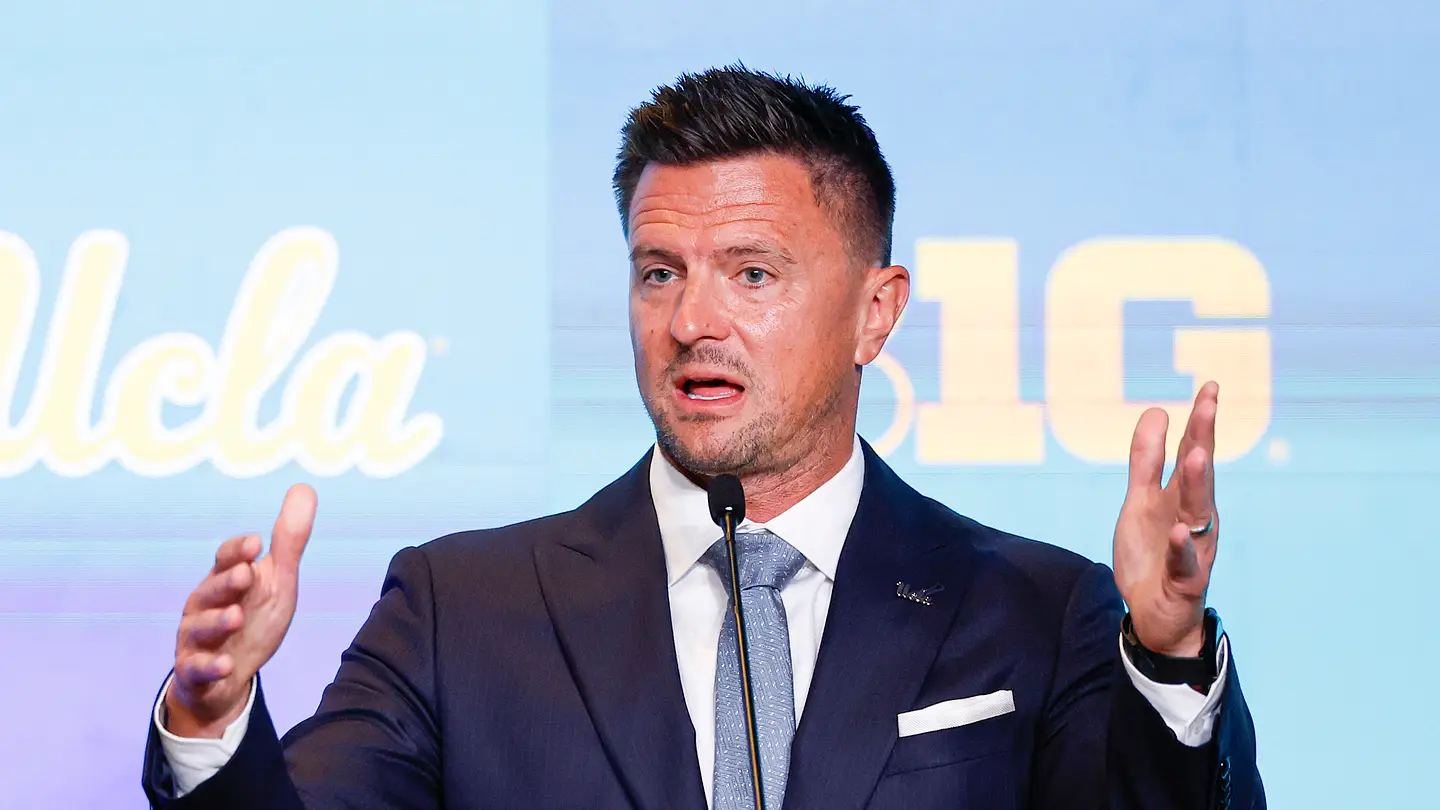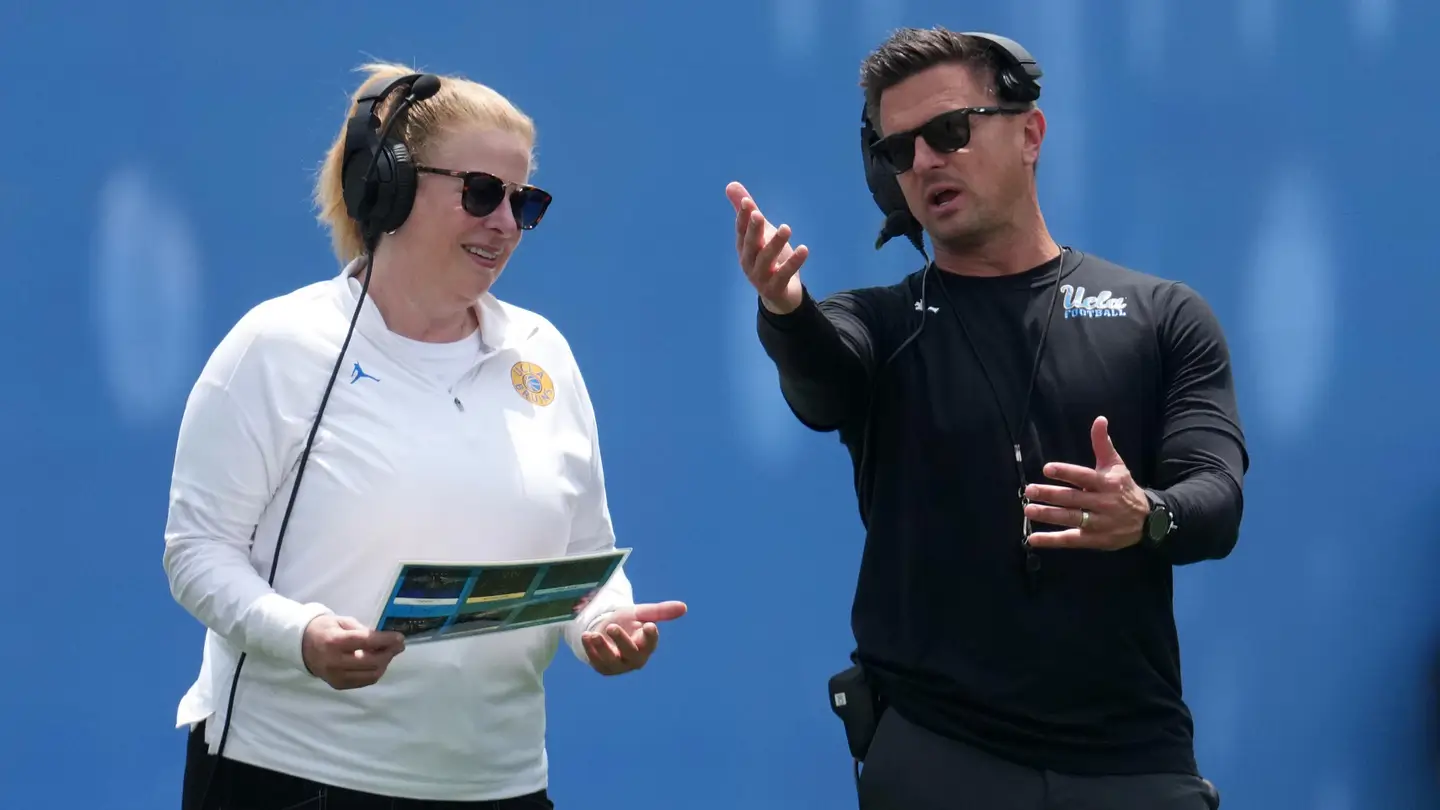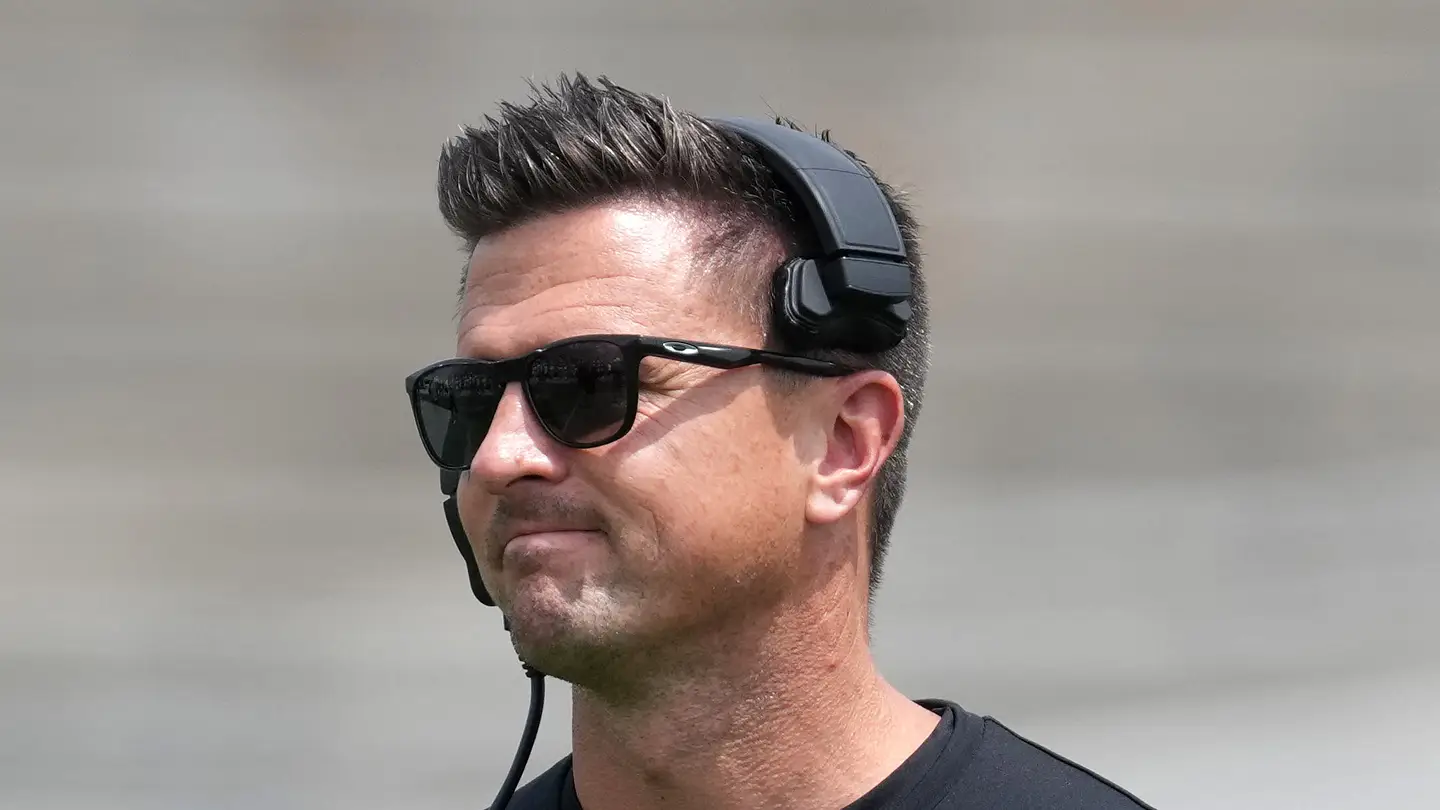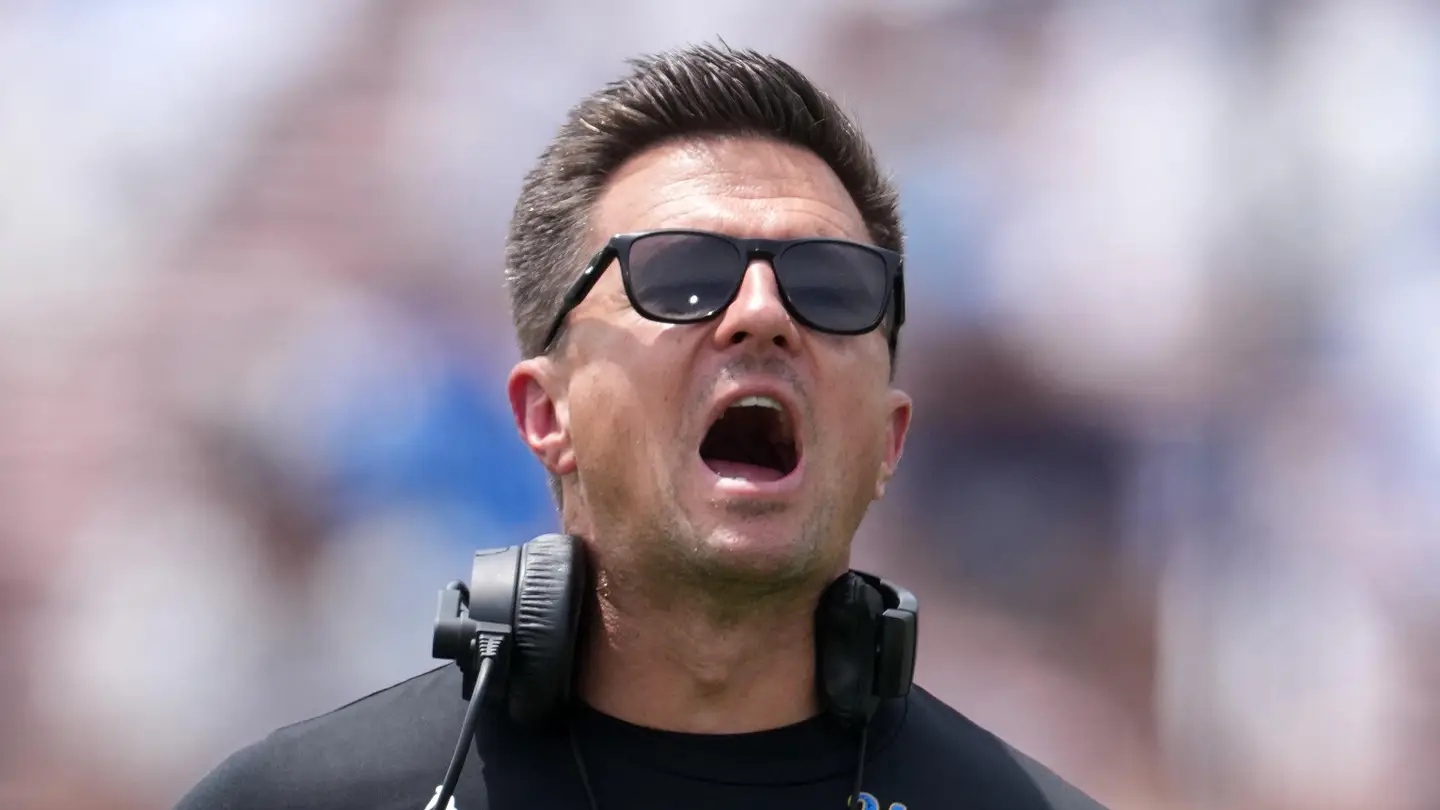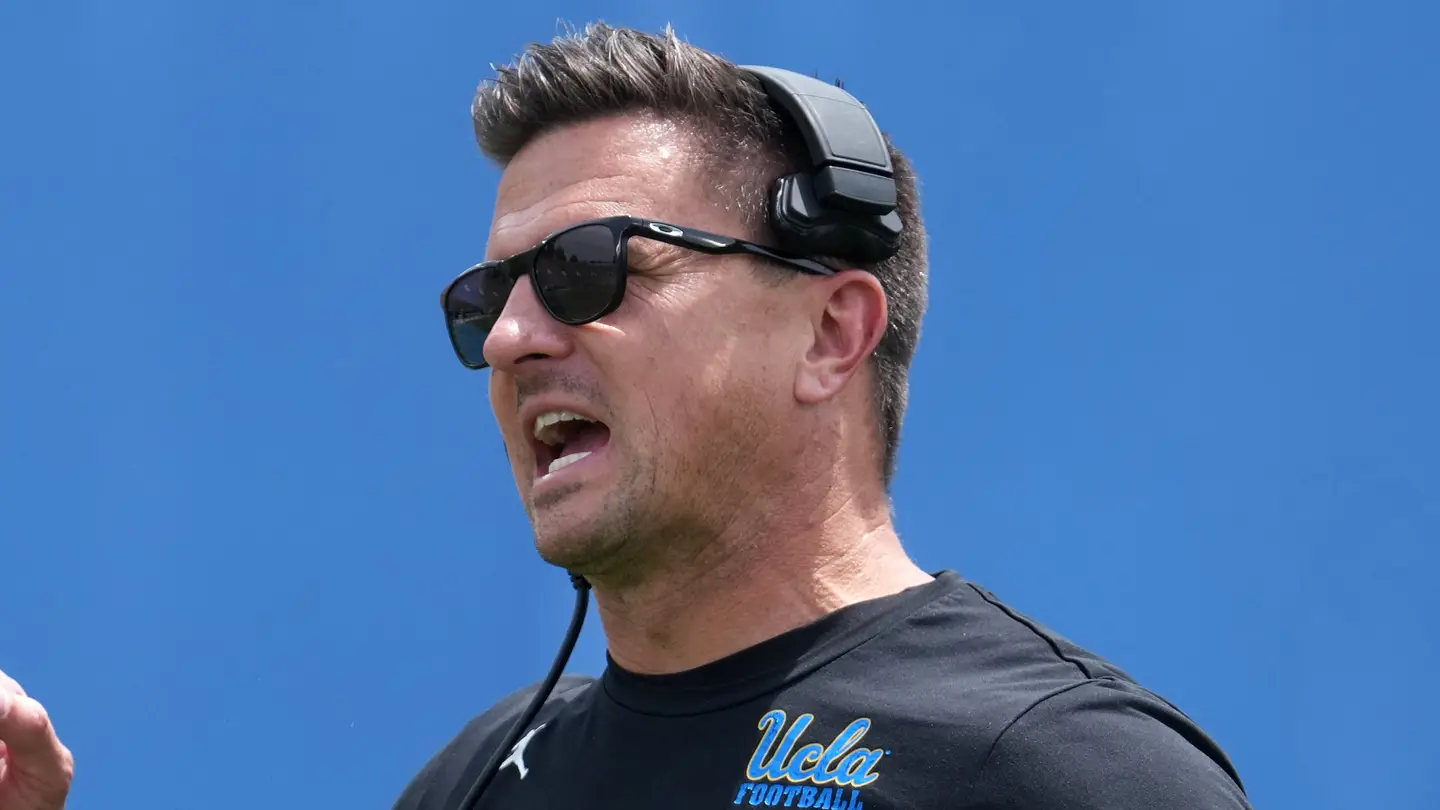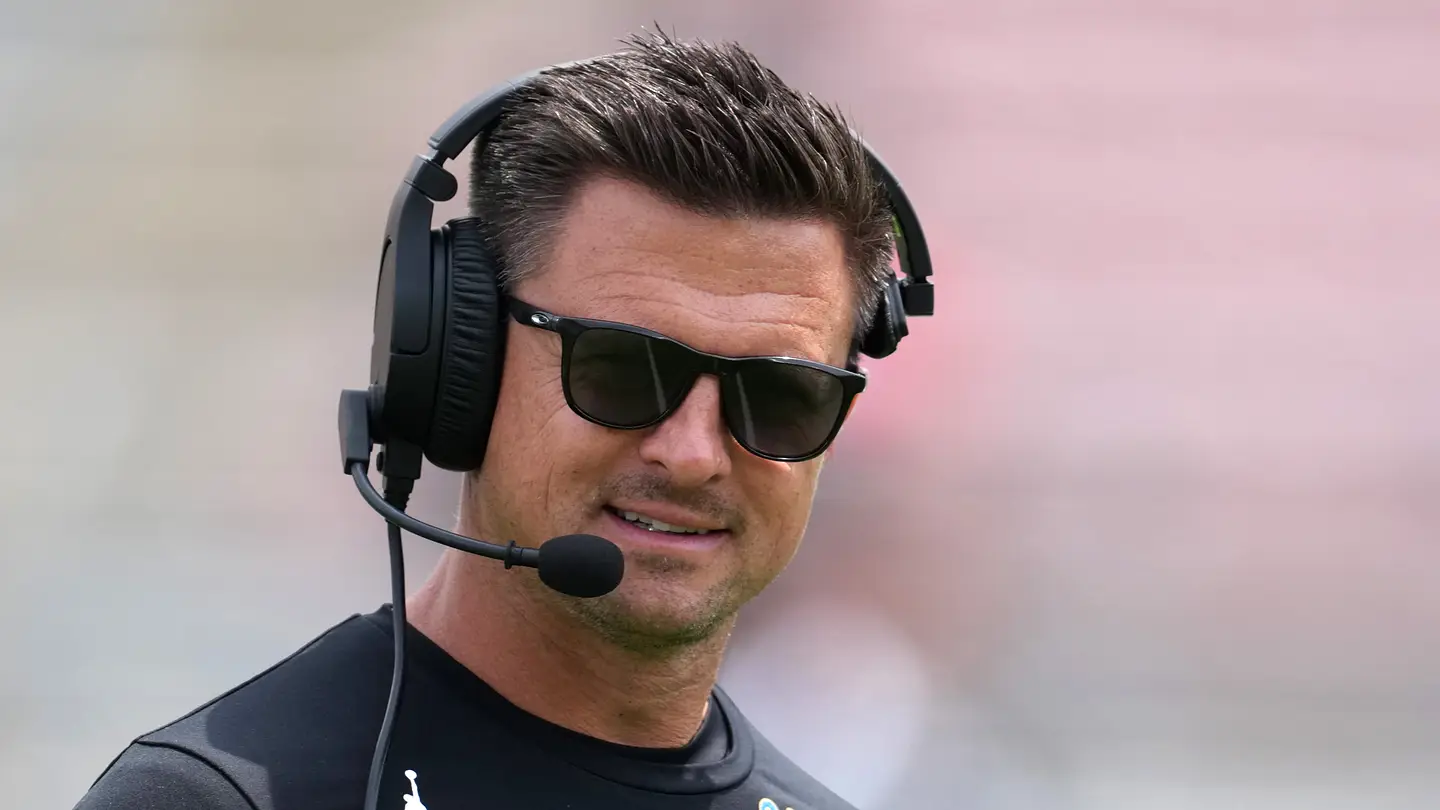
UCLA’s 2026 fall camp could do more for the Bruins' program than just prepare for the upcoming season.Bob Chesney and his staff have had the opportunity to dive into an important evaluation for the future throughout fall camp and the offseason. The past couple of weeks may have given the coaching staff an opportunity to determine the Bruins' needs for the 2027 recruiting class and beyond.May 2, 2026; Pasadena, CA, USA; UCLA Bruins offensive coordinator Dean Kennedy during the spring game at Rose Bowl. Mandatory Credit: Kirby Lee-Imagn Images | IMAGN IMAGES via Reuters ConnectNew Faces Equal New Opportunities After completing a roster overhaul this past offseason, UCLA has plenty of new faces competing for starting roles and a spot inside the rotation. How those players performed during training camp may have answered this coaching staff’s questions about which departments they need to shop in next.The Bruins entered the summer with plenty of questions about how their newcomers would fit together, and after several weeks of practice, Chesney and his staff should have a much clearer idea of what to expect. May 2, 2026; Pasadena, CA, USA; UCLA Bruins coach Bob Chesney reacts during the spring game at Rose Bowl. Mandatory Credit: Kirby Lee-Imagn Images | IMAGN IMAGES via Reuters ConnectThe staff should now be able to decide which positional groups have enough depth and which groups may need some additions through recruiting. That doesn’t mean UCLA will necessarily stop recruiting a position if it believes it has enough depth, but knowing which positions to prioritize is very helpful.Deciding Where To Invest Recruiting ResourcesIf UCLA discovers that it has several young players capable of becoming long-term assets, there may be less urgency to spend the valuable recruiting resources on that particular position group. May 2, 2026; Pasadena, CA, USA; A general overall view of the UCLA Bruins and Big Ten Conference logos on the field at the Rose Bowl. Mandatory Credit: Kirby Lee-Imagn Images | IMAGN IMAGES via Reuters ConnectOn the other hand, if a position looks thin heading into the season, spending some extra time in the recruiting film room on that position may not be a bad idea. May 2, 2026; Pasadena, CA, USA; UCLA Bruins quarterback Nico Iamaleava (9) during the spring game at Rose Bowl. Mandatory Credit: Kirby Lee-Imagn Images | IMAGN IMAGES via Reuters ConnectRelationships MatterThere’s another factor that may benefit the players currently on the roster: the relationships they are building during camp.In a college football era with less continuity than ever, building connections is certainly one way to earn playing time. A receiver with a good, established relationship with the quarterback should always be prioritized over a newcomer, and those relationships are not something that can be gained overnight. Jul 29, 2026; Chicago, IL, USA; UCLA Football head coach Bob Chesney speaks during Big Ten Media Days at Hilton Chicago. Mandatory Credit: Kamil Krzaczynski-Imagn Images | IMAGN IMAGES via Reuters ConnectThose relationships could affect how UCLA approaches the 2027 roster and the recruiting class. Freshmen entering the program next season won’t automatically have that connection, which could lead Chesney to continue allowing veterans to assume starting positions on the field.Of course, if a freshman is talented enough and a better overall player, it would be questionable not to put him in the starting lineup, regardless of any relationship he may have, or lack thereof. However, if two players are comparable talent-wise, the scales would almost certainly lean in the veteran's favor.Add us as a preferred source on GoogleFollow
What UCLA Football Training Camp Means for 2027 Recruiting Class
Fall camp is almost over in Westwood, and it has provided the UCLA staff with plenty of information to build on.
585 words~3 min read