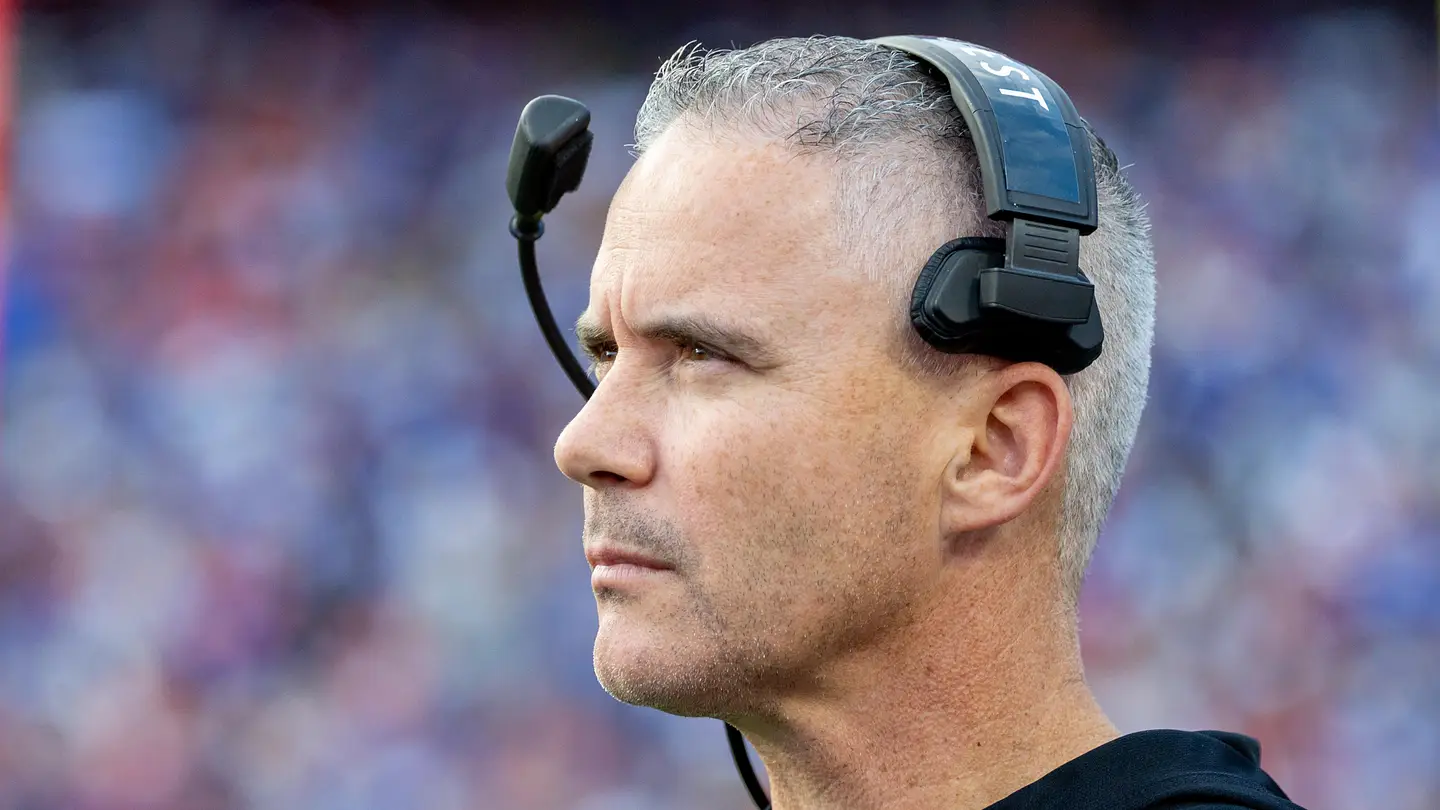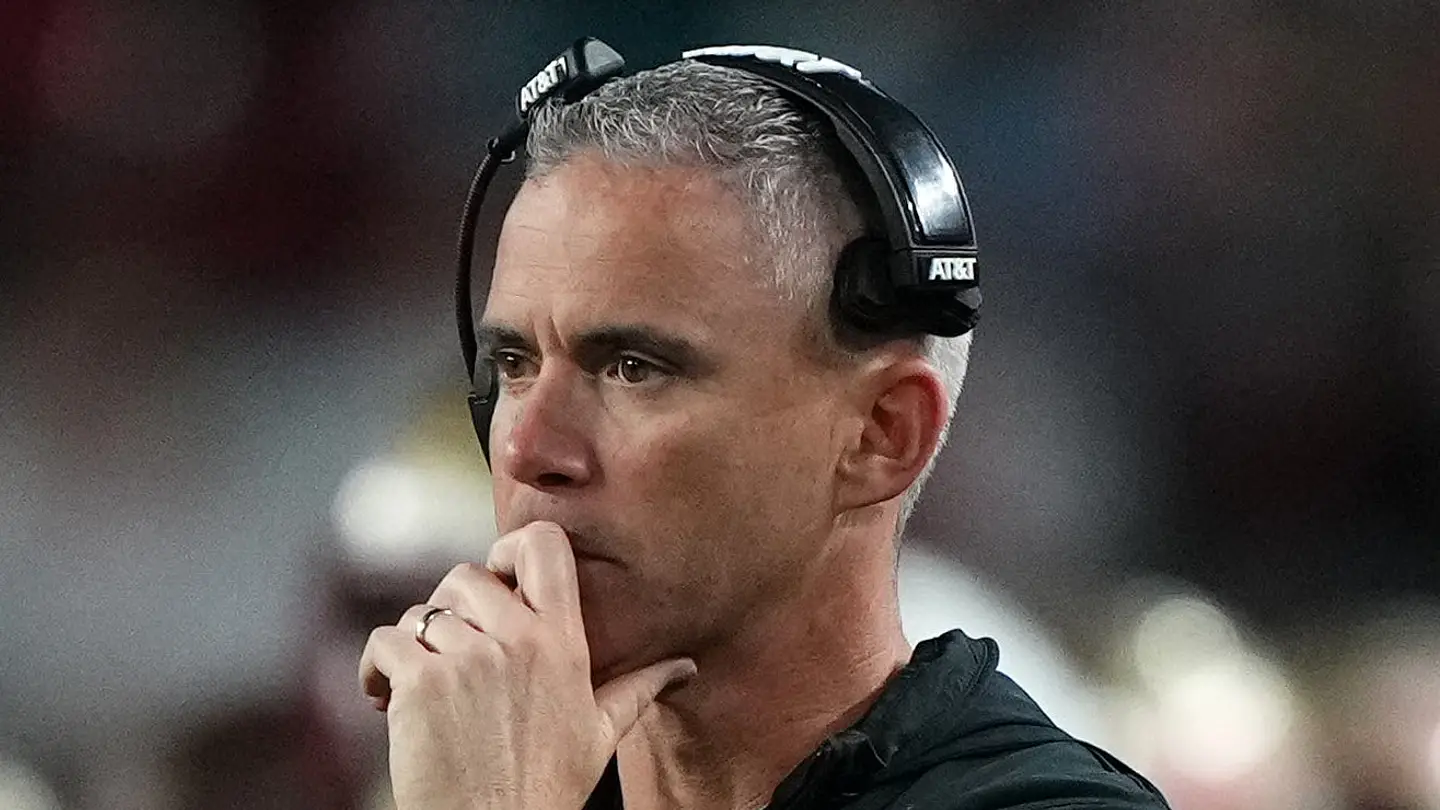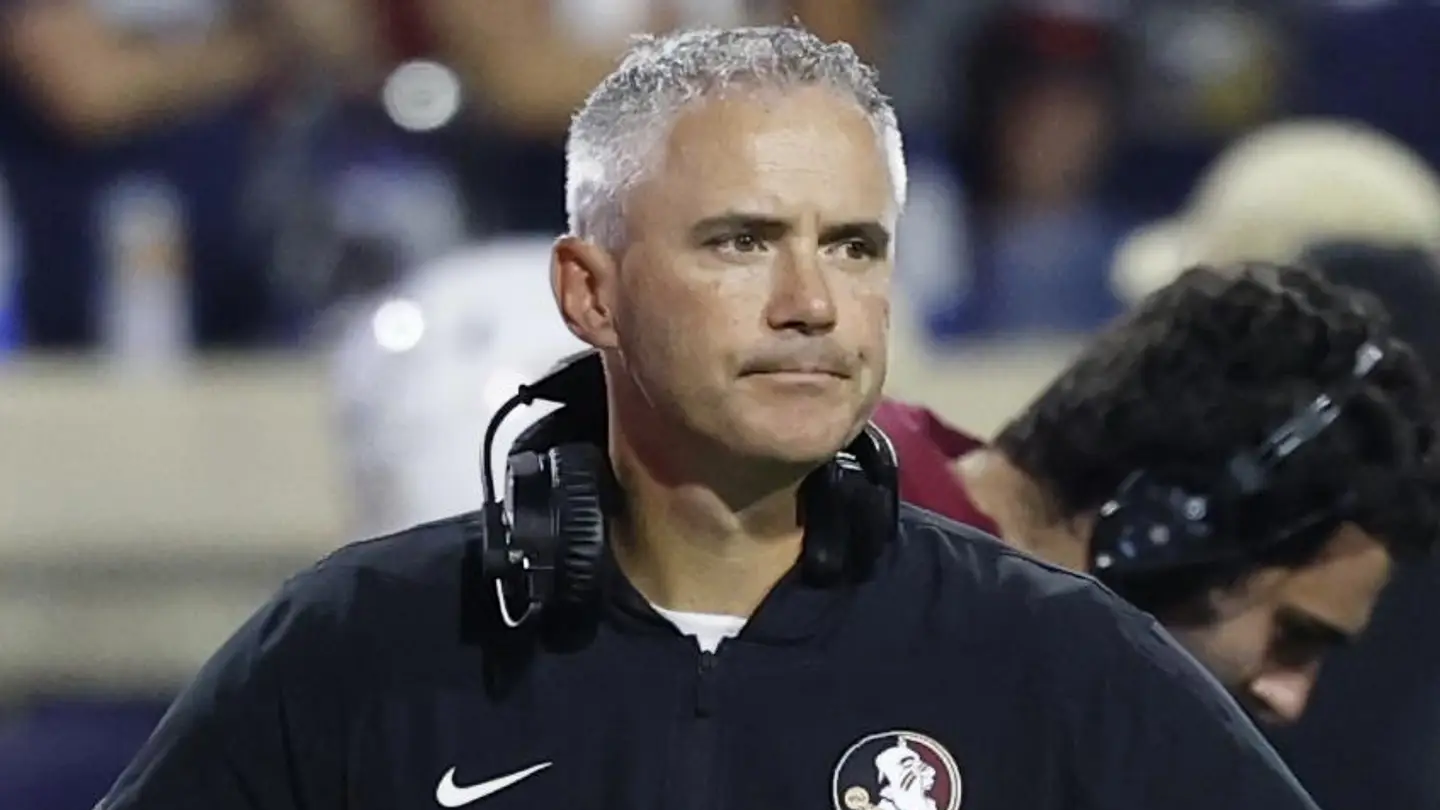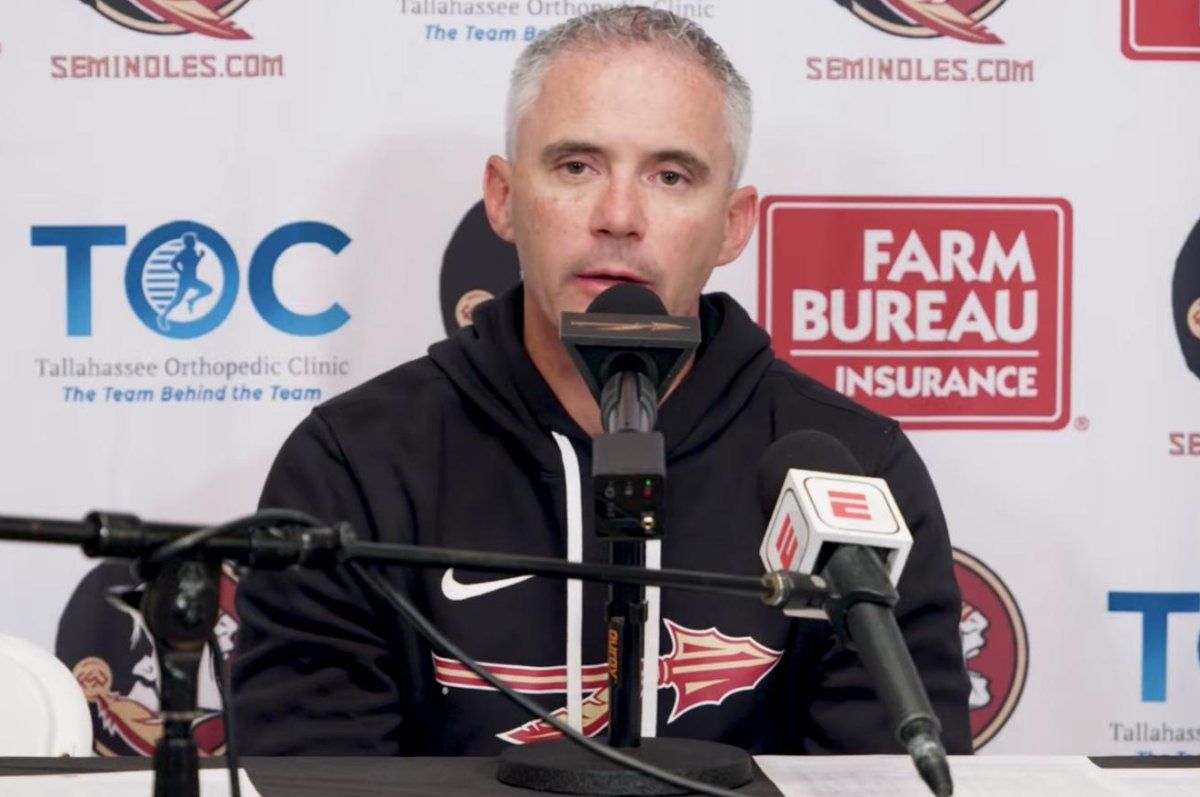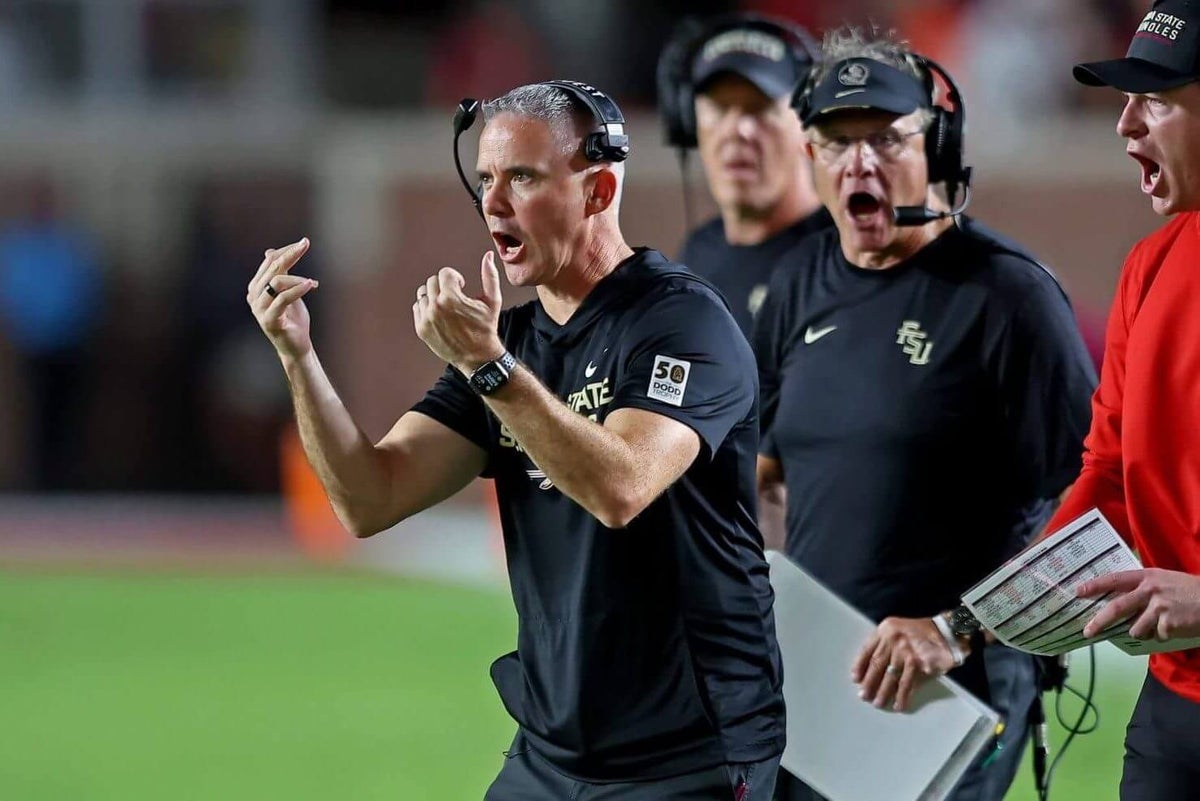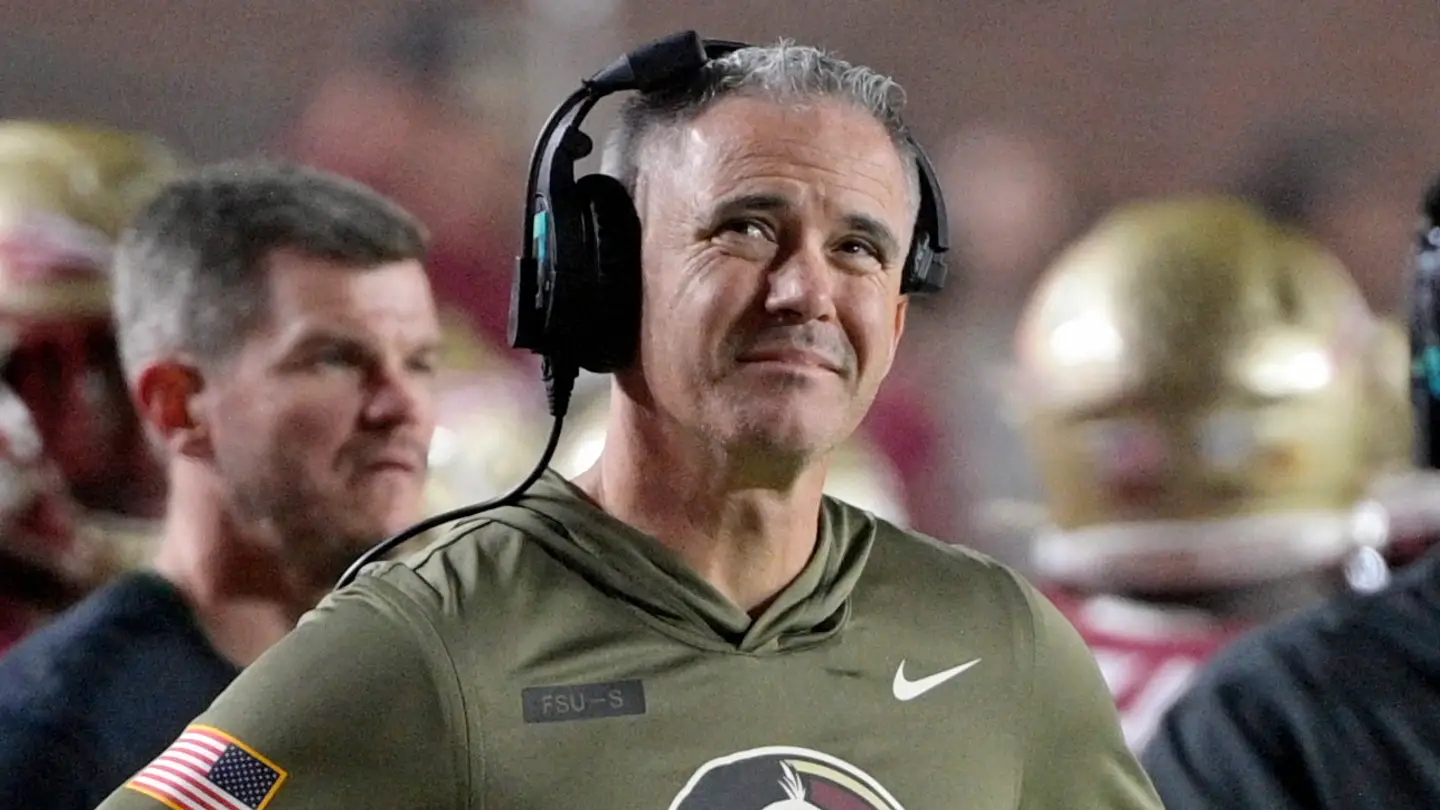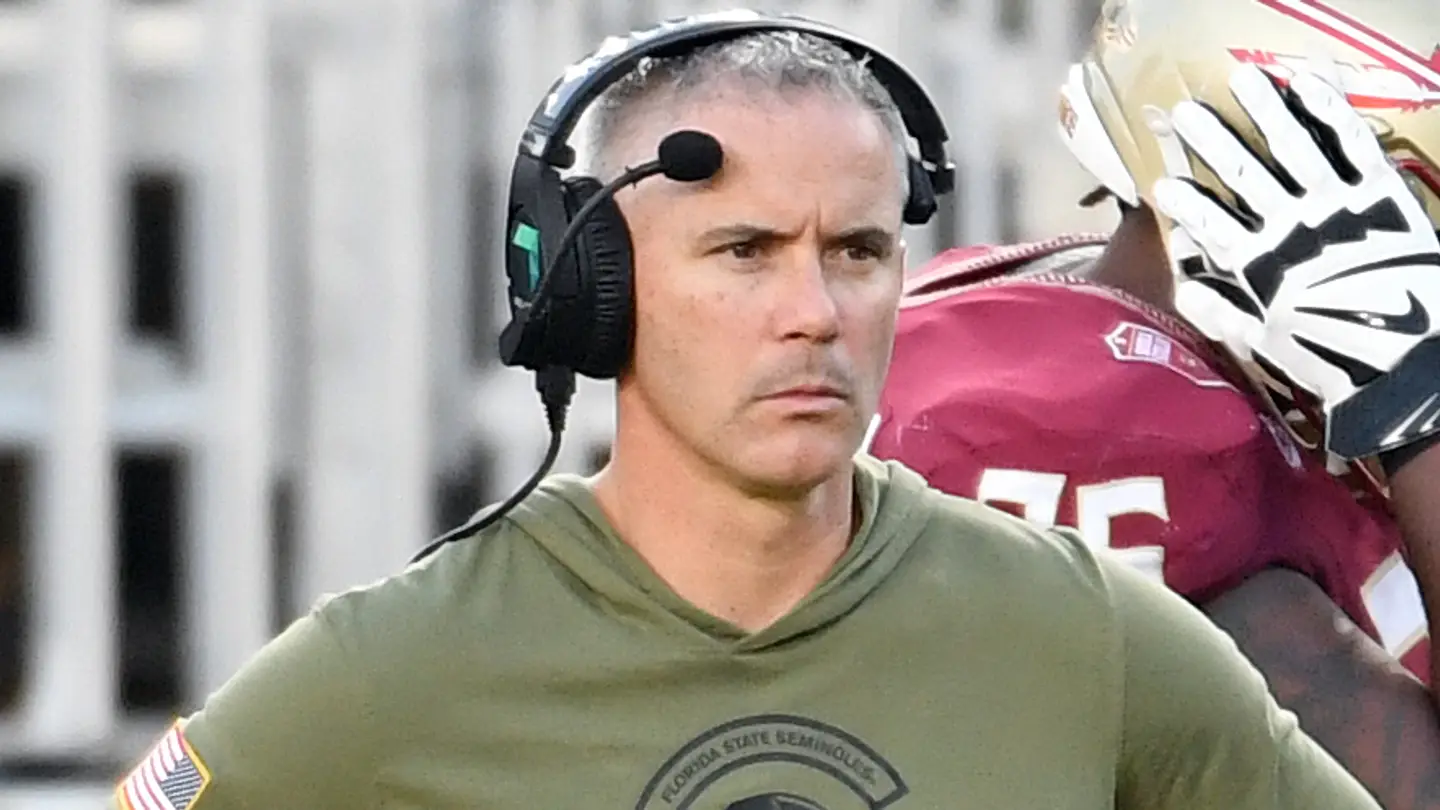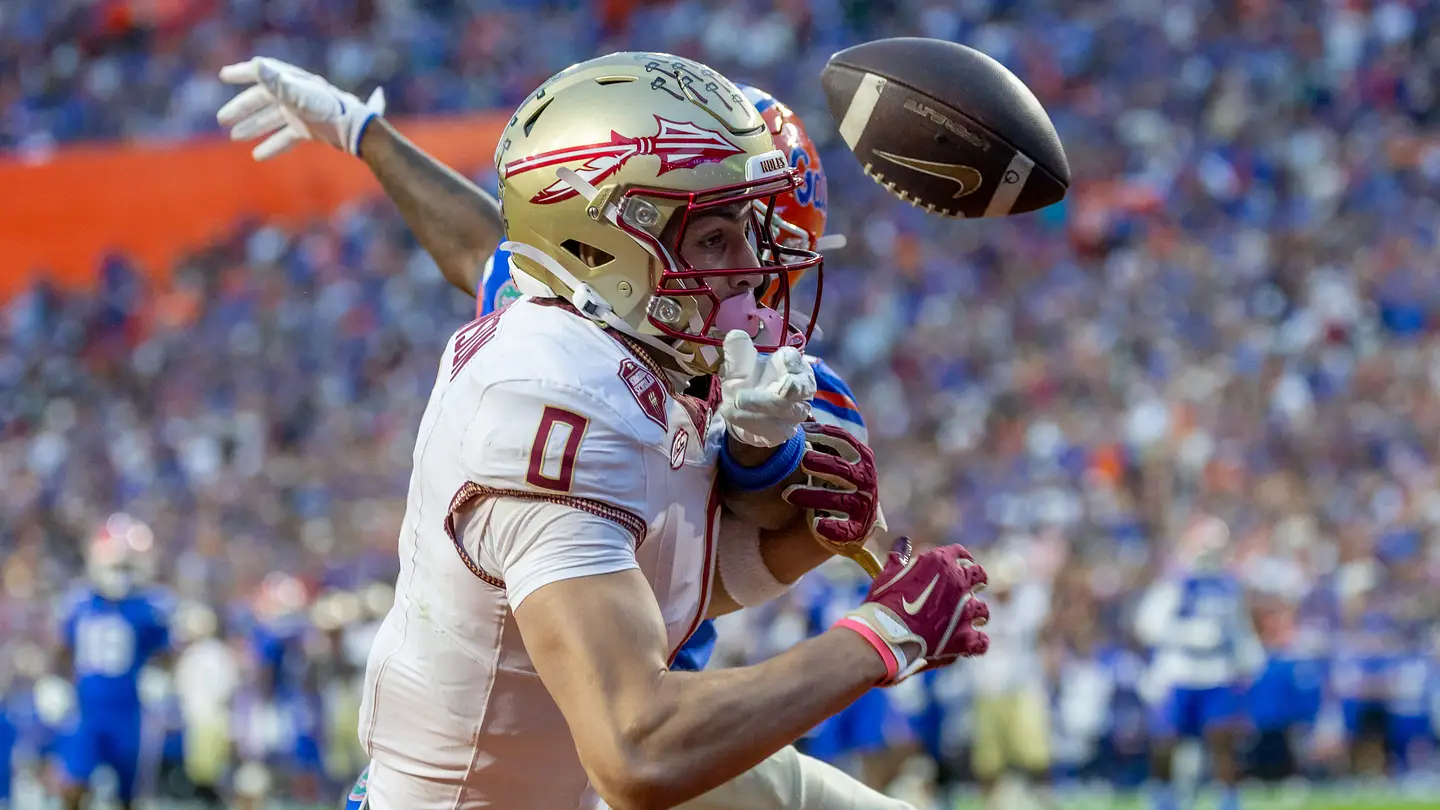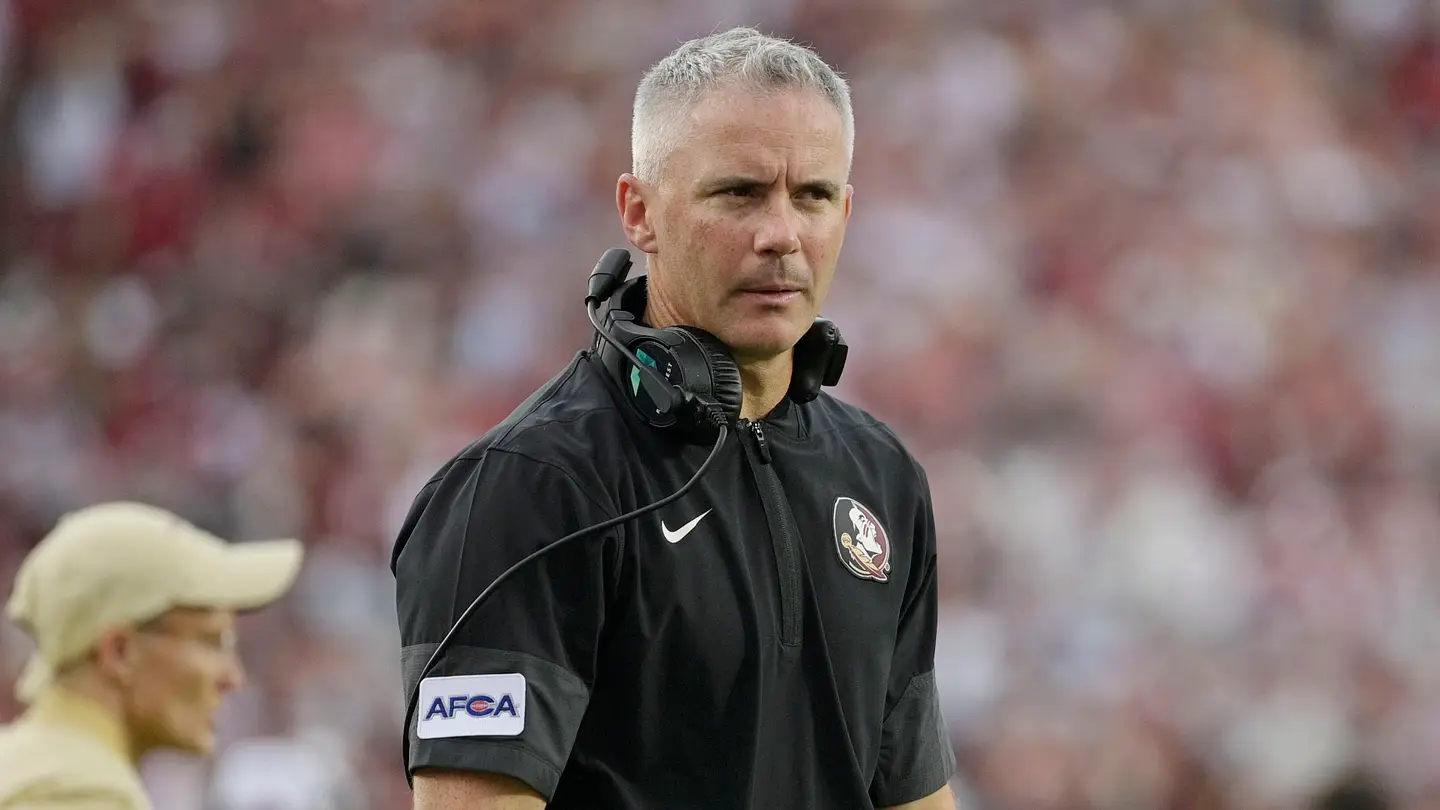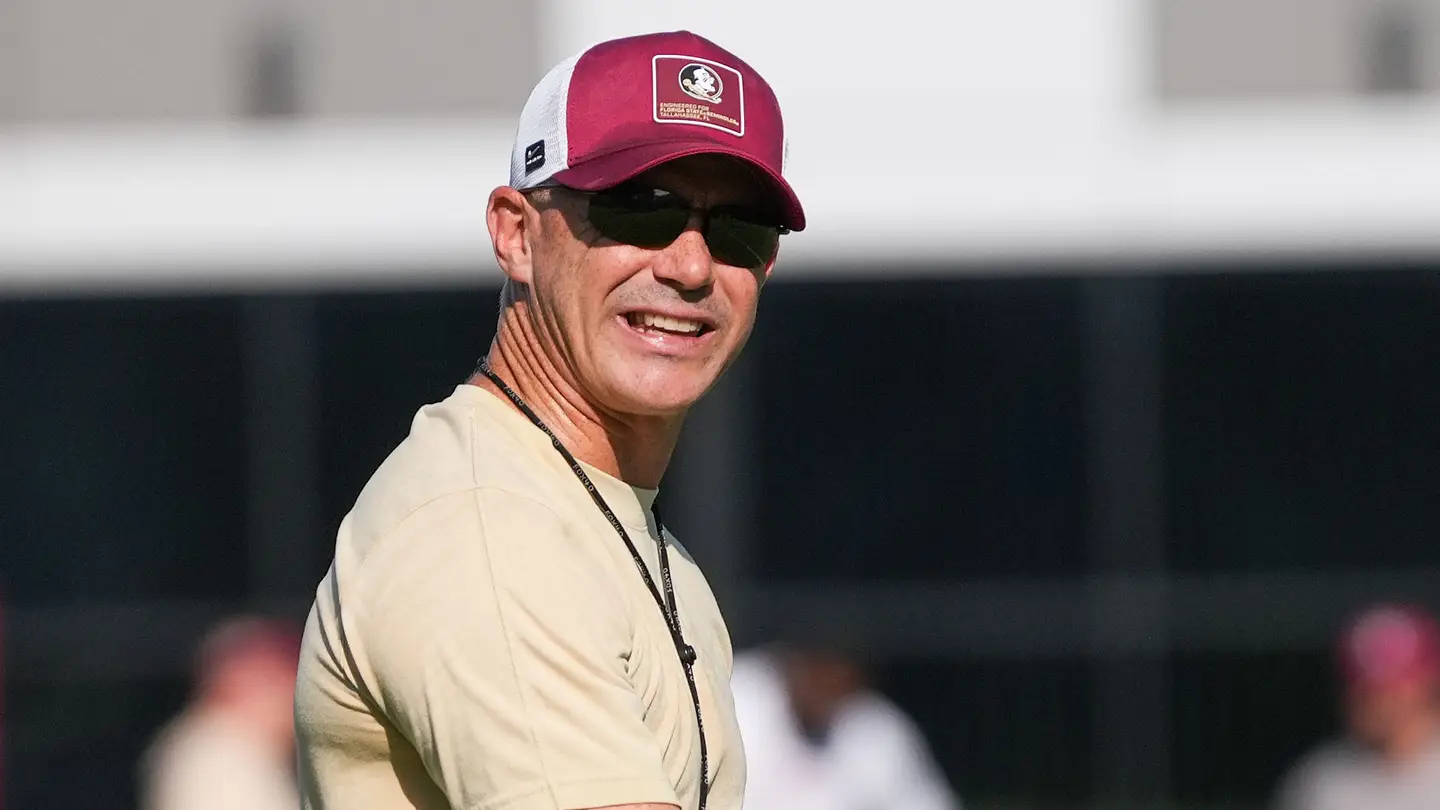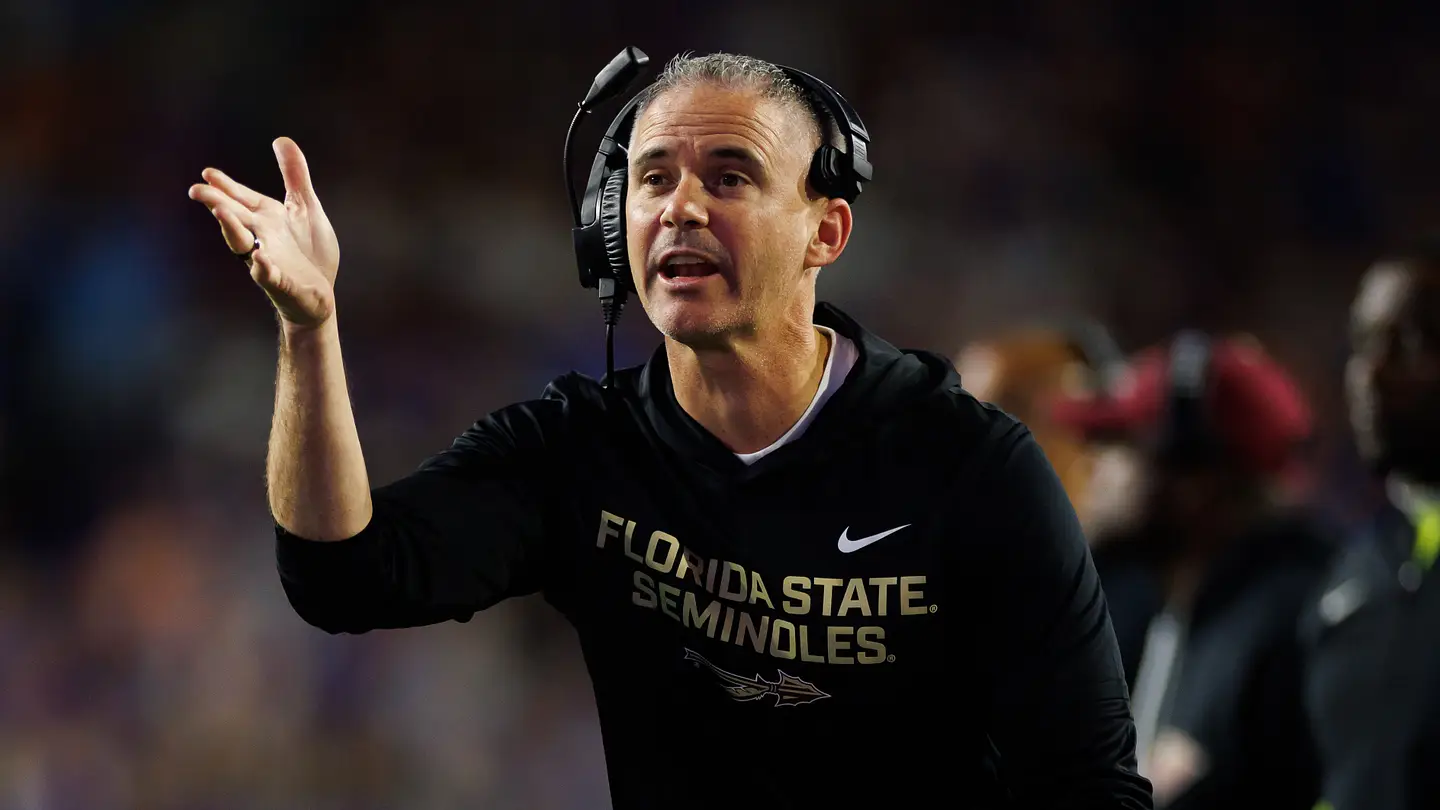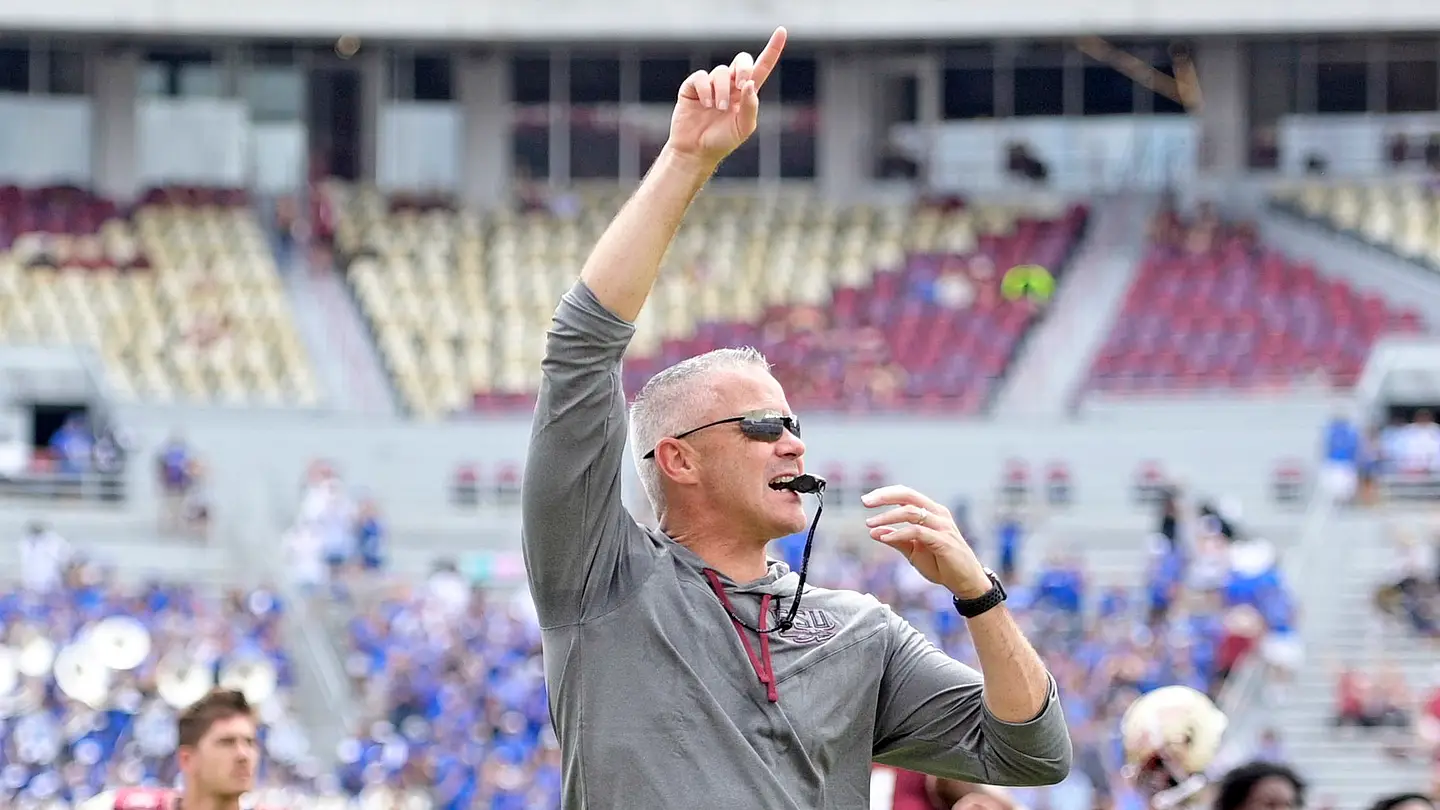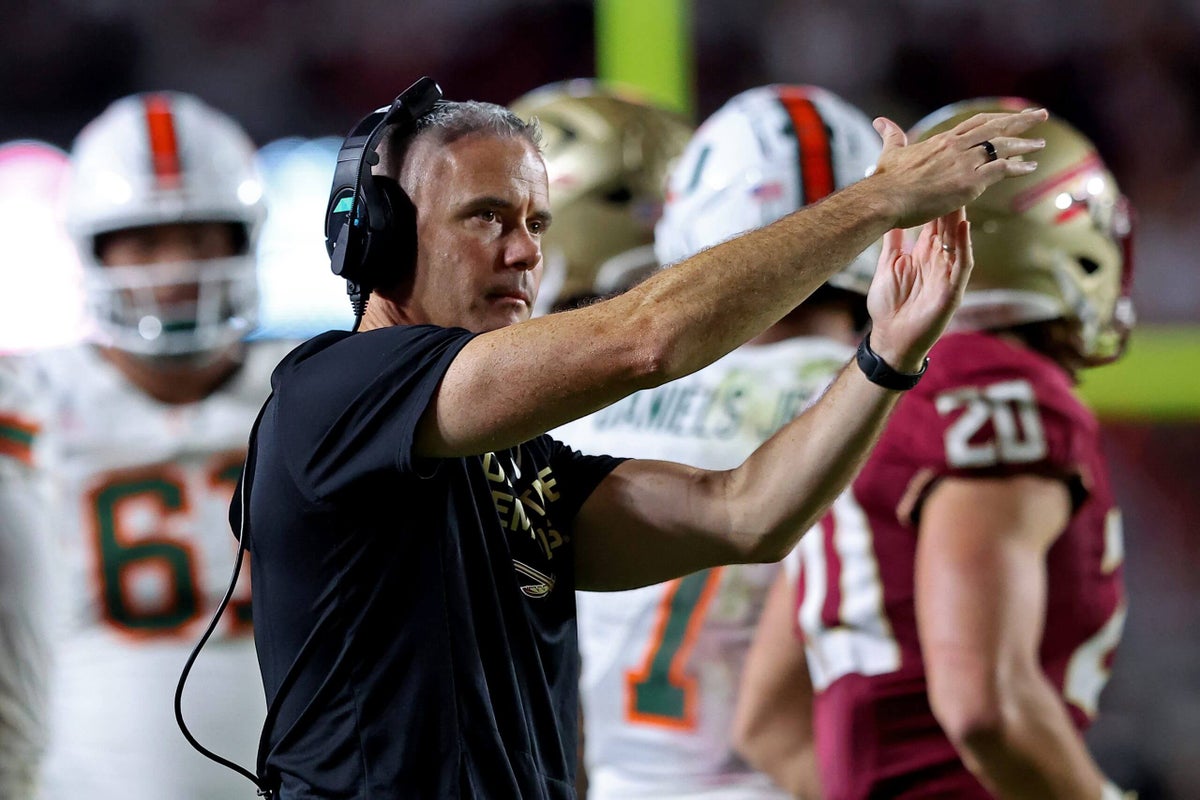
Florida State head coach Mike Norvell has earned his spot at or near the top of every preseason hot-seat list.The Seminoles fired his predecessor, Willie Taggart, because the prospect of 6-6 wasn’t “good enough.” Norvell has failed to hit that not-good-enough bar in four of his six seasons, including the last two. His 38-34 record at a marquee program doesn’t scream good enough, either.Prognosticators expect another middling fall. The Seminoles play the second-hardest schedule among ACC teams, according to ratings from The Athletic’s Austin Mock, whose model gives them a 9 percent chance of making the Playoff. The over/under for FSU victories has been 5 1/2 or 6 1/2, depending on the source and day. Stewart Mandel’s prediction: 4-8. It’s hard to envision Norvell surviving another season like that, even with a buyout in the $45 million range.But as Florida State prepares to open the season with Saturday’s Week 0 matchup against New Mexico State, we should at least consider the alternative. After conversations with a half dozen people in and around the Seminoles over the offseason, we came up with four reasons to think Norvell can (and should) keep this job past this autumn:The front office fixInstead of firing Norvell after 2024’s 2-10 free fall and last year’s 5-7 flop, FSU invested in an overhaul to the front office. The Seminoles poached general manager John Garrett from Duke (where he built last year’s ACC championship roster) and hired Taylor Edwards from CFP finalist Miami in a new role as director of football and player acquisition. Other new positions include director of high school scouting/recruiting and director of football creative strategy, content and NIL fulfillment.“I think we’re setting ourselves up for the future with the processes and procedures to reestablish the program to what it was,” athletic director Michael Alford said.That explanation sounds like a long-term fix. The timing reflects that, too; FSU announced Garrett’s hiring on Jan. 1 — after recruiting’s early signing period and a day before the transfer portal opened.Even if the 2026 roster doesn’t feature the full impact of the new front office, the change should show up on the field in another way. Because coaches don’t have to be as involved in personnel decisions, they have more bandwidth for other duties. For Norvell, that means being able to “contribute the time that I think’s necessary” in offensive meetings. That’s a shift from last year, when Norvell hired former Auburn/UCF head coach Gus Malzahn as offensive coordinator so he could spend more time on CEO-type matters.Although the offense finished in the top 25 in scoring and yards per play, the results weren’t good enough. With the new structure, Norvell can shift back to doing what he has done best: running an offense.“I’ve been really good at calling plays throughout my coaching career,” Norvell said. “I don’t say that in any other way than that it’s true.”Does Norvell still believe he can call plays at an elite level?“Absolutely,” he said. “I wouldn’t do it if I didn’t.”Previous investments should finally pay offFlorida State’s inability or reluctance to build a football-only facility was a point of frustration at the end of Jimbo Fisher’s tenure. Nine years later, it’s a moot point after the 150,000-square-foot building opened last season. FSU has had an entire offseason to benefit from the amenities and efficiencies the training center offers, and Norvell said players spent 30-50 percent more time in the building this winter. We can’t quantify how much the new facility will help FSU’s performance, but the nine-figure expense should help somewhere.The Seminoles’ defense should also benefit from a previous investment: the hiring of the highest-paid assistant in Nebraska history, coordinator Tony White, in late 2024. FSU’s defense returns 10 contributors who started at least one game last season under White. Experience has paid off for White before; his second defense at Syracuse averaged one fewer touchdown per game while going from 75th nationally in yards per play allowed (5.82) to 24th (5.11).Norvell said the defense looked much cleaner in the spring and that returners were able to play faster. It’s reasonable to expect that familiarity to translate to on-field improvement.Ashton Daniels has 4,783 career passing yards and 1,397 rushing yards at Stanford and Auburn. (Alicia Devine / USA Today Network via Imagn Images)Daniels might be a stealA strong season by Auburn/Stanford quarterback transfer Ashton Daniels is key to any turnaround scenario. So why might it happen?Daniels is a dual-threat talent with lots of experience (37 games, 23 starts, 35 total touchdowns) and underrated highlights. His 442 total yards against a good Vanderbilt team last year were the most by an Auburn quarterback since 2014. He put up more total yards against Alabama (367) than Fernando Mendoza, Diego Pavia, LaNorris Sellers and John Mateer did.No, Daniels was not the flashiest or most expensive transfer quarterback on the market. He’s ranked just 60th in The Athletic’s College QB Tiers and has thrown nearly as many interceptions (22) as touchdown passes (24) in his career. But Garrett called him a “good quality quarterback of value.” Perhaps that’s exactly what FSU needed, given its overall roster and a payroll believed to be in the middle of the ACC.Instead of signing a big-name, boom-or-bust passer — former Florida quarterback DJ Lagway visited in January — the Seminoles could use the savings to address other issues, like retaining star receiver Duce Robinson (our No. 31 player in the country), adding All-Sun Belt linebacker Chris Jones from Southern Miss and landing a transfer class with 283 career starts.FSU is due for some good luckBad luck alone doesn’t explain why FSU has lost 18 of its last 25 games, but it has played a part.Over the last two seasons, FSU opponents have fumbled the ball 21 times. The Seminoles have recovered four of them. That percentage (19) is, by far, the worst in the country; Michigan State is next-worst at 26.1 percent. To make matters worse, Florida State lost 10 of its 16 fumbles last season — a percentage (62.5) that was in the bottom 20 nationally.Those bad bounces feed into another grim statistic: The Seminoles’ turnover margin is minus-21 over the last two years. Only Purdue (minus-26) and UAB (minus-24) are worse. That’s an enormous drop from 2022-23, when Florida State’s turnover margin was plus-10.While it’s fair to wonder whether good teams create their own luck (and vice versa) with turnovers and everything else, consider two you’ve-got-to-be-kidding-me plays. In a one-score game against SMU in 2024, an FSU pass hit a sure-handed tight end in the hands and flew directly to a defender for a disastrous interception. The kicker: The defender was only in that spot because an FSU running back tripped and stumbled on his route; with no one to cover, he slid toward the tight end and snagged the pick.The second was even worse. Trailing NC State by 3 late last year, the Seminoles muffed back-to-back punts. One of them hit an FSU helmet and bounced 20 yards back for the punter to recover.If all that wasn’t enough, here’s one more stat: Despite losing seven games last season, Florida State still outscored its opponents by a combined 132 points. That’s the highest point differential for a team with a losing record since at least 1956, according to Stathead.Put everything together, and FSU’s rotten luck should regress to the mean. If that happens, the Seminoles should be due for a bounceback — maybe one big enough to save Norvell’s job.
Four reasons why Mike Norvell might not be doomed at Florida State
Many seem to believe the Norvell era at FSU is destined to end this fall. Here's why his tenure could actually be saved.
1,243 words~6 min read