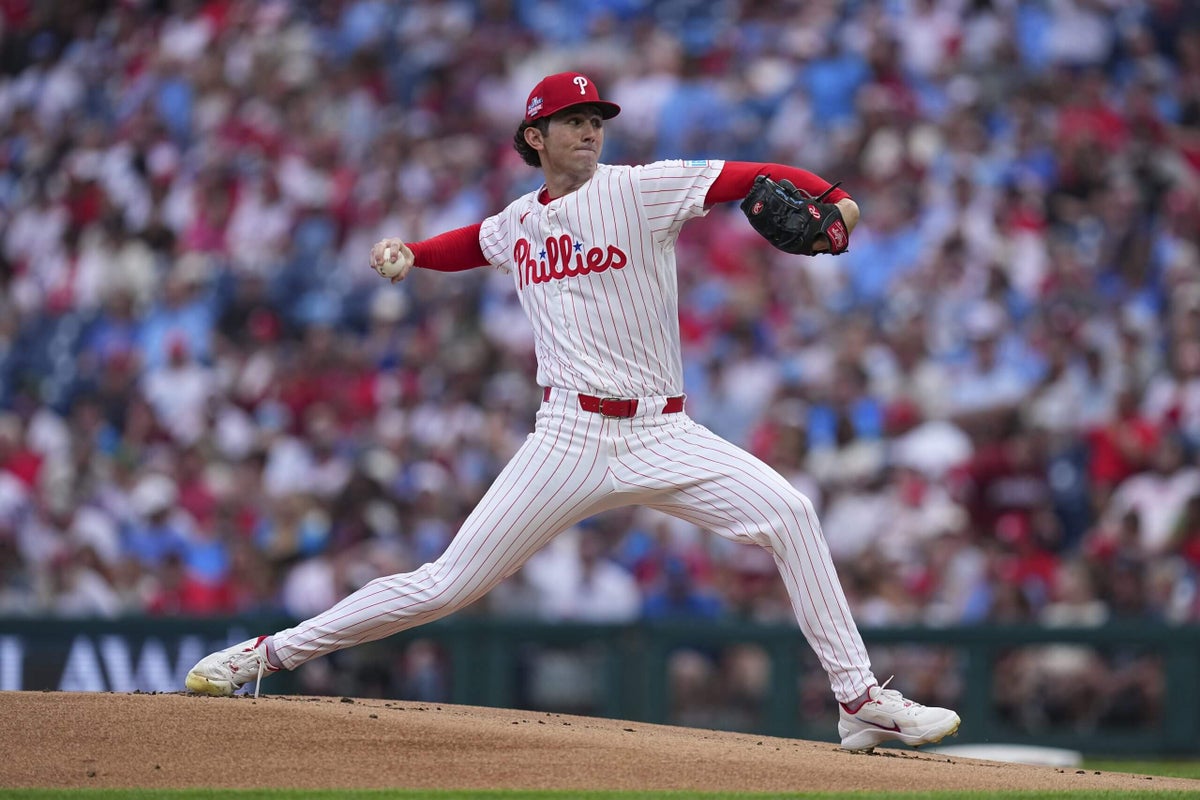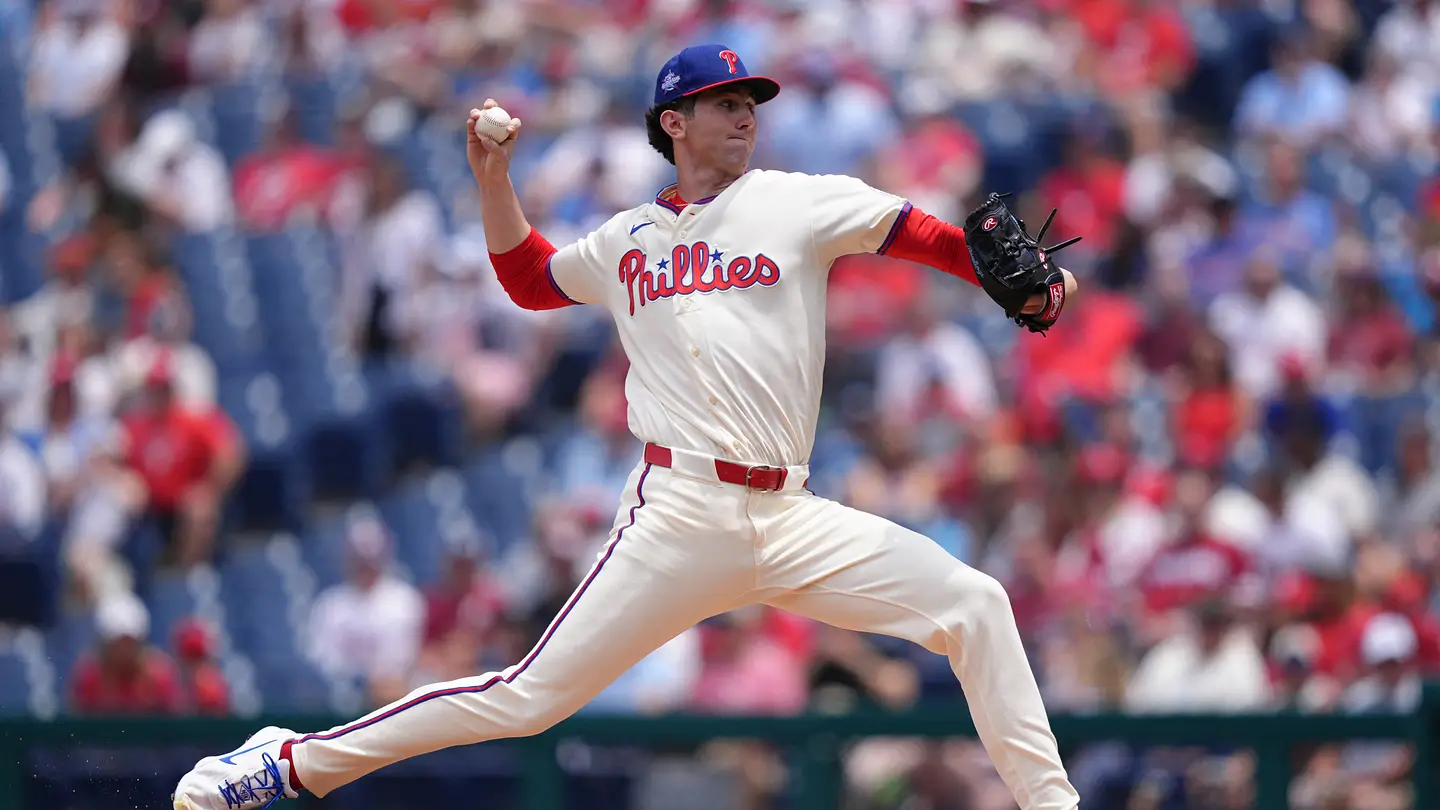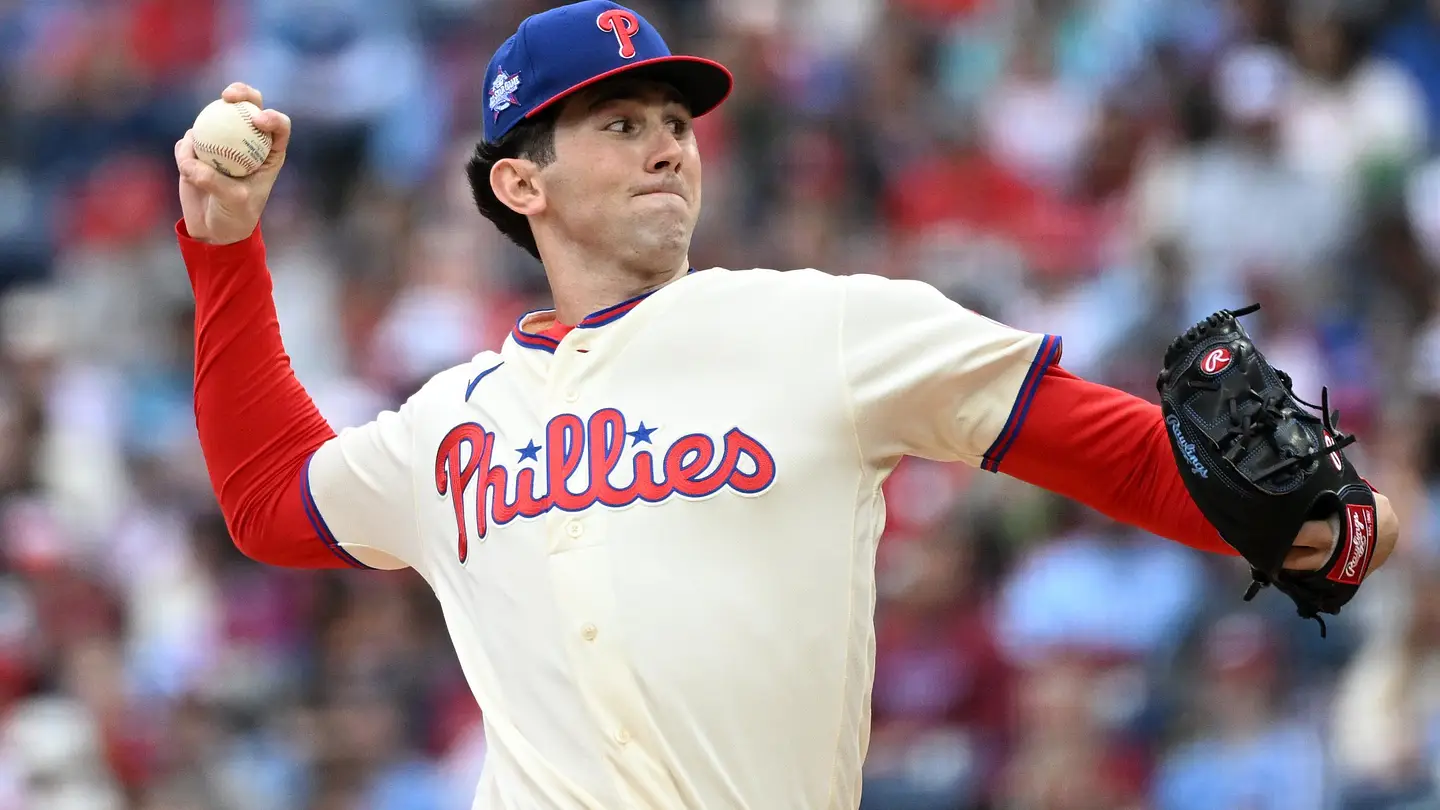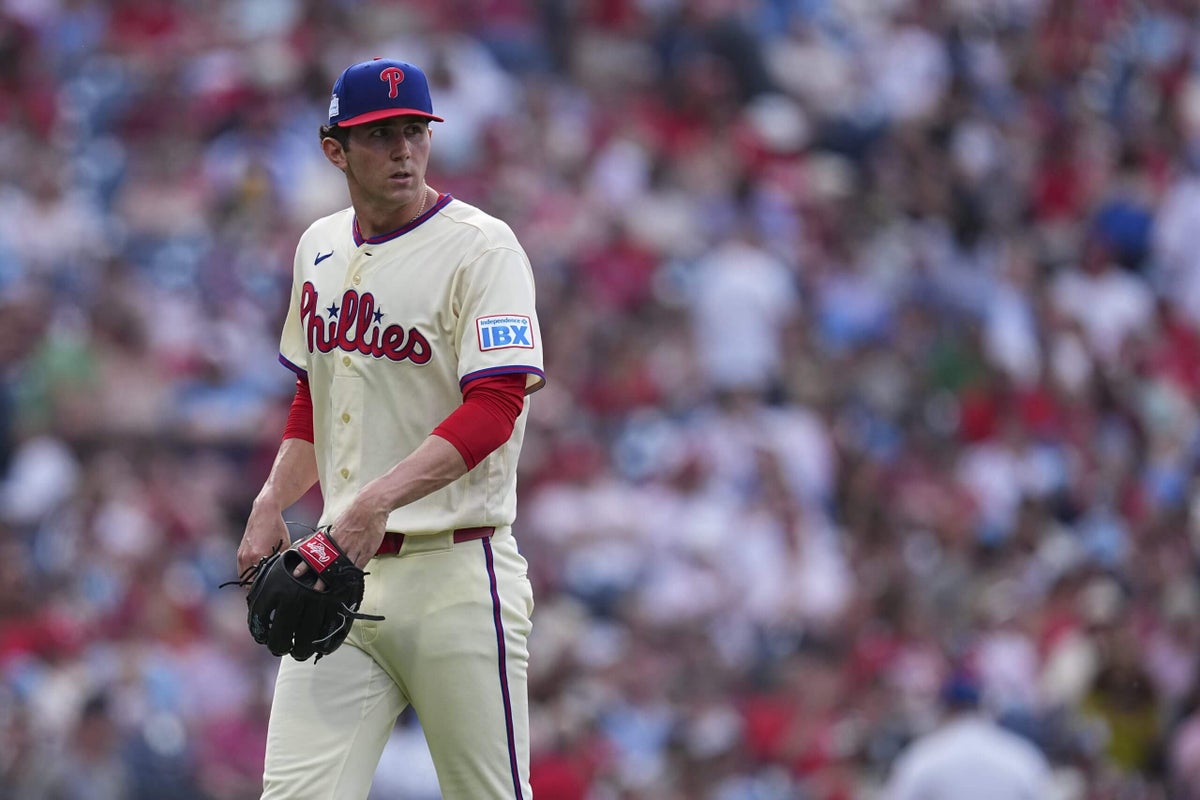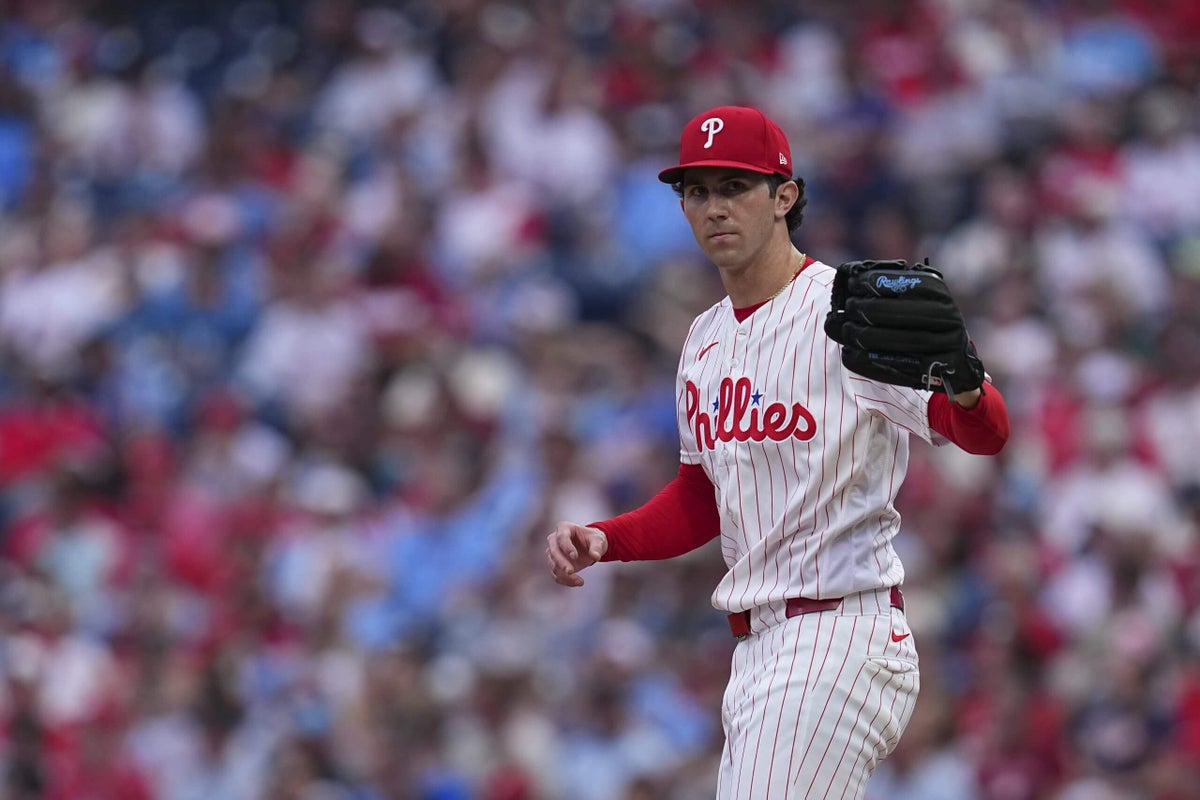
SEATTLE — As Andrew Painter stumbled through his first few months in the major leagues, so many of his struggles came back to his fastball’s diminished performance.The first year returning from surgery, Painter knew, was simply about staying healthy. But he was in Year 2, and his fastball didn’t look at all like the dominant, pre-Tommy John version.“Is this … am I going to be able to achieve this?” he thought.With less movement and less velocity, the pitch had yet to recover almost three years removed from Tommy John surgery. Then Painter was demoted to Triple-A Lehigh Valley in mid-June and spent six weeks working through adjustments and getting his confidence back. It was after that stint and Painter’s subsequent return to the majors that his fastball began to resemble what he threw pre-surgery.Now, across five starts since rejoining the Phillies, Painter has produced a 3.62 ERA while striking out 26 and walking 10 — a far cry from his first 14 big-league outings, during which he produced a 7.06 ERA in 65 innings.Earlier this week, after running through his between-starts routine in the outfield at T-Mobile Park, Painter shared some takeaways with The Athletic from his last five outings. The success of his four-seam fastball and addition of a circle-change have been consequential during this stretch.The four-seamer’s movement has improved, hitting 18 inches of induced vertical break (IVB) in his last two starts. The more induced break a four-seam has, the more likely hitters are to swing and miss. Painter has reaped the benefits of that; the pitch has drawn a 23.9 percent whiff rate in his last five starts compared with a 10.6 percent whiff rate in his first 14 outings before the demotion.So what can all this be attributed to?The main thing, Painter and pitching coach Caleb Cotham feel, is delivery adjustments. Painter’s delivery across his first 14 starts wasn’t as fluid and repeatable, and he often fell toward the first-base side while pitching. In Triple A, Painter’s delivery was reworked to preload his back leg more and keep his movement compact. It may sound simple, but it has changed everything.“There’s not a lot of unnecessary movement, tilts, etc,” Cotham said. “So he’s got a better chance to be out front and throw the ball how he wants to throw it. Then, if you have that, it’s always an easier problem-solving exercise to tweak a grip, play around with spacing.”Andrew Painter, here listening to pitching coach Caleb Cotham in June, has been solid as the fifth starter since rejoining the Phillies. (Michael McLoone / Imagn Images)The delivery is the main thing, though smaller changes like a minor tweak to his fastball grip may have helped. Ditching the splitter may also have allowed the four-seam to move better; Painter said last month he thought the pitch was widening out his fingers and taking away from the fastball’s performance.As the Phillies worked to get Painter right, he, Cotham and assistant pitching coach Mark Lowy talked about the pre-Tommy John fastball. They concluded that chasing Painter’s electric, pre-surgery heater might mean reaching for something unattainable.
How has Phillies rookie Andrew Painter improved his fastball? He breaks it down
The delivery, minor adjustments, renewed confidence and “rip it” mentality are all working for Painter since he rejoined the Phillies.
1,498 words~7 min read