More than 100 of the world’s biggest companies have sounded urgent alarm about an imminent threat from artificial intelligence.OpenAI, Anthropic, Microsoft, Google-parent Alphabet, Amazon and many more said that a wave of AI-powered cyber attacks is coming and that the world is not prepared.Those hacks pose a risk to the “companies and public services our communities depend on—from hospitals to water treatment plants to the infrastructure that powers the internet”, the open letter signed by more than 100 companies warned.The letter is signed by many of the companies that are making exactly the AI technology that has already been used in such attacks. It was signed and publicised by ChatGPT maker OpenAI, for instance, which is currently under sustained criticism over an incident that saw one of its experimental systems launch a hack on a fellow AI company.The letter said that those kind of cyber security tools “are already giving defenders new ways to fix weaknesses that have accumulated for years”. But it will take decisive action now to ensure that those tools are used to secure rather than attack systems, the letter warned.It set out three principles that should guide the collective response to the threat. They are recognising that “status quo security won’t be enough” since many security teams do not have enough resources to protect their systems; empowering defenders with better AI tools to secure those systems, and working together on a “collective response”.“Cyber capabilities are advancing worldwide, and that can be a net positive: no single company should control the future,” the letter warned. “It also means a global response is necessary, requiring new partnerships to raise security standards and find new solutions to emerging cyber threats.”The companies called for new funding for security teams and defensive AI systems to ensure that those threats could be contained. And there is only a limited time to “make our digital world much more secure” before that danger threatens some of our most important and critical infrastructure, it said.The ideal summer spot? Away from scams.Get All-in-One Protection for Your Digital LifeLEARN MOREADVERTISEMENTThe ideal summer spot? Away from scams.Get All-in-One Protection for Your Digital LifeLEARN MOREADVERTISEMENT"In the coming months, AI-enabled cyberattacks will become far more widespread as models around the world become increasingly capable," the letter said. It called on government and industry leaders "to bring the full weight of their technology, resources, and expertise to this effort."The letter called on governments to expedite trusted access programs, which give certain companies access to more powerful models ahead of the general public, and for all other organisations to "make cyber defense an immediate leadership priority."The open letter is intended to reflect and respond to growing concern that AI cybersecurity systems are rapidly outpacing our ability to control them, and that they could give undue advantage to hackers. AI companies themselves have warned that their tools are showing increasingly dangerous behaviour, though they have mostly continued to insist that they will actually improve safety and security if they are used properly.It was signed by many of the world’s leading frontier AI companies, including OpenAI as well as Claude maker Anthropic and Google parent company Alphabet, which also owns the DeepMind AI firm. But it is also included a range of signatories from outside the tech industry, including insurance and financial firms such as Mastercard and Zurich.In June, the world's "Five Eyes" intelligence alliance — composed of the US, Britain, Canada, Australia and New Zealand — issued a rare joint statement warning that the AI revolution was poised to "fundamentally transform" cybersecurity.
OpenAI, Anthropic and 100 major companies sound alarm over urgent AI danger
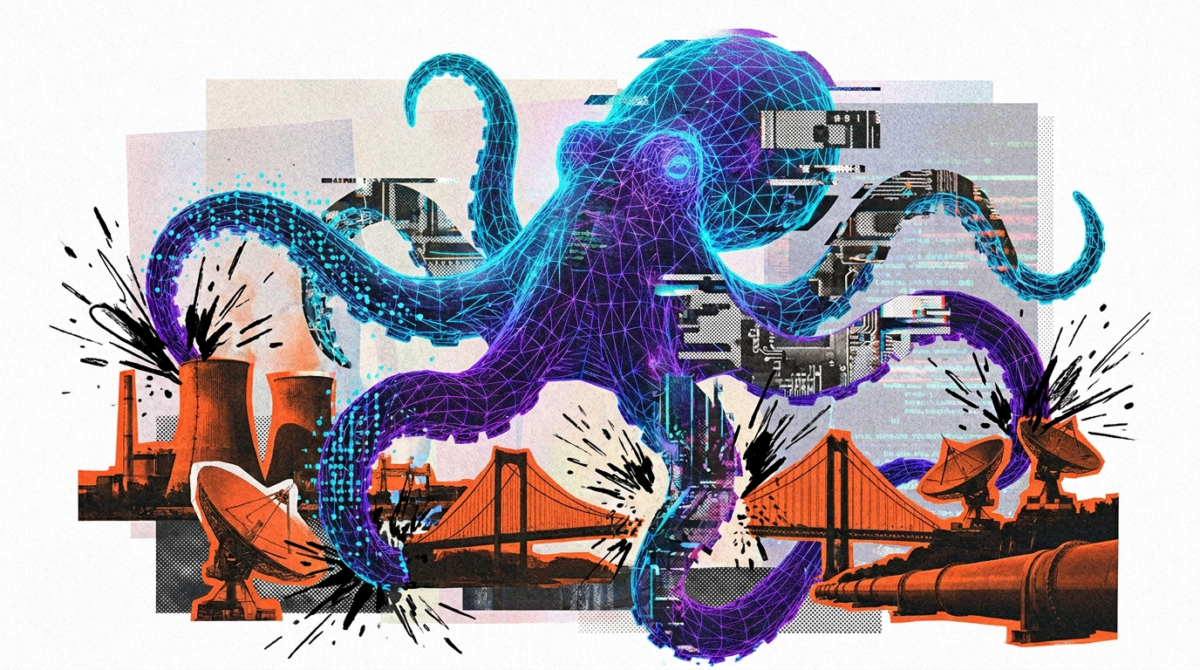
Artificial intelligence could be used to launch hacks on some of our most important and critical infrastructure, warn the companies building the tools that could be used in such cyber attacks
589 words~3 min read