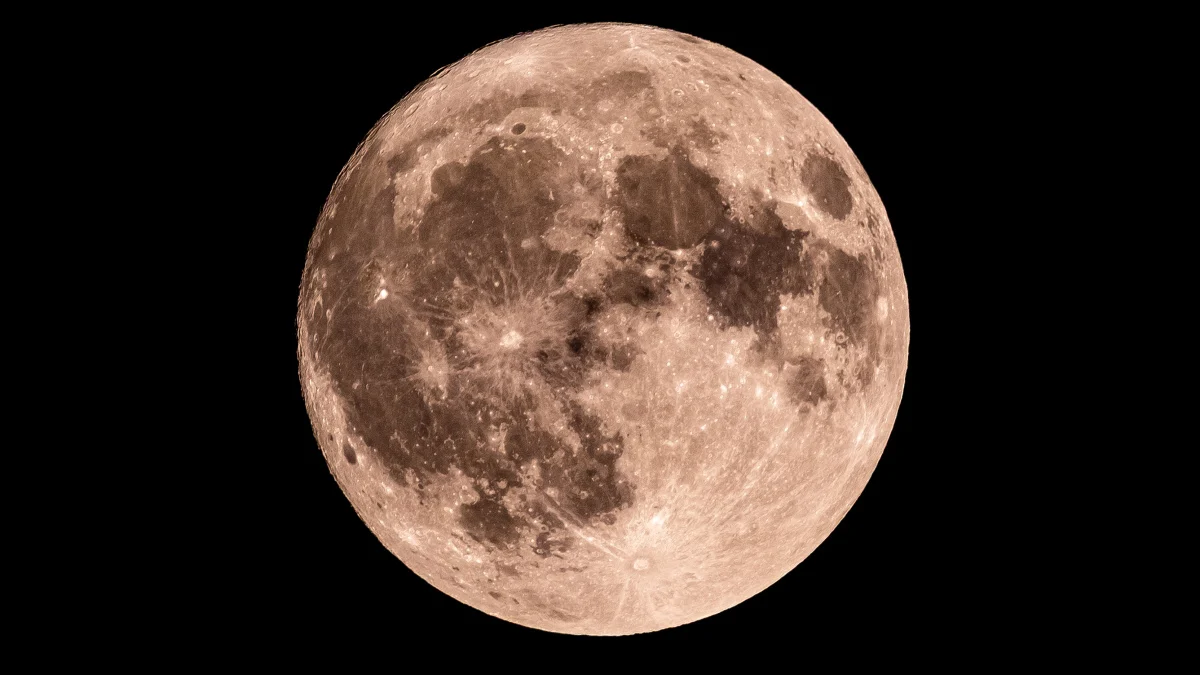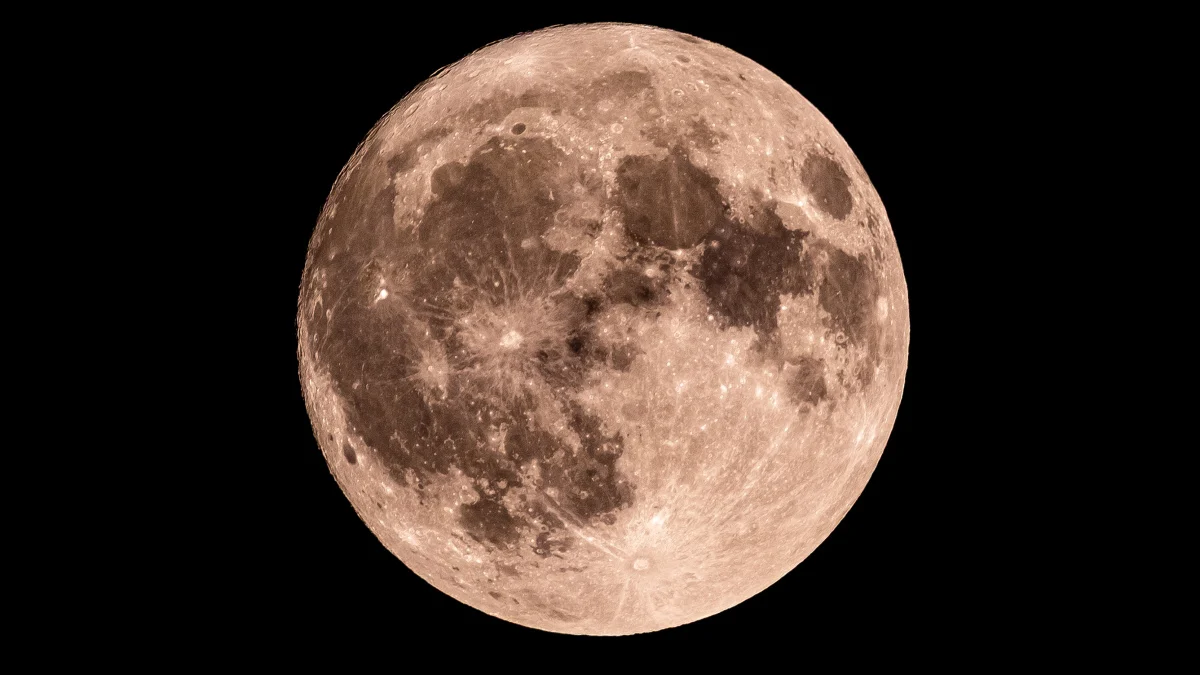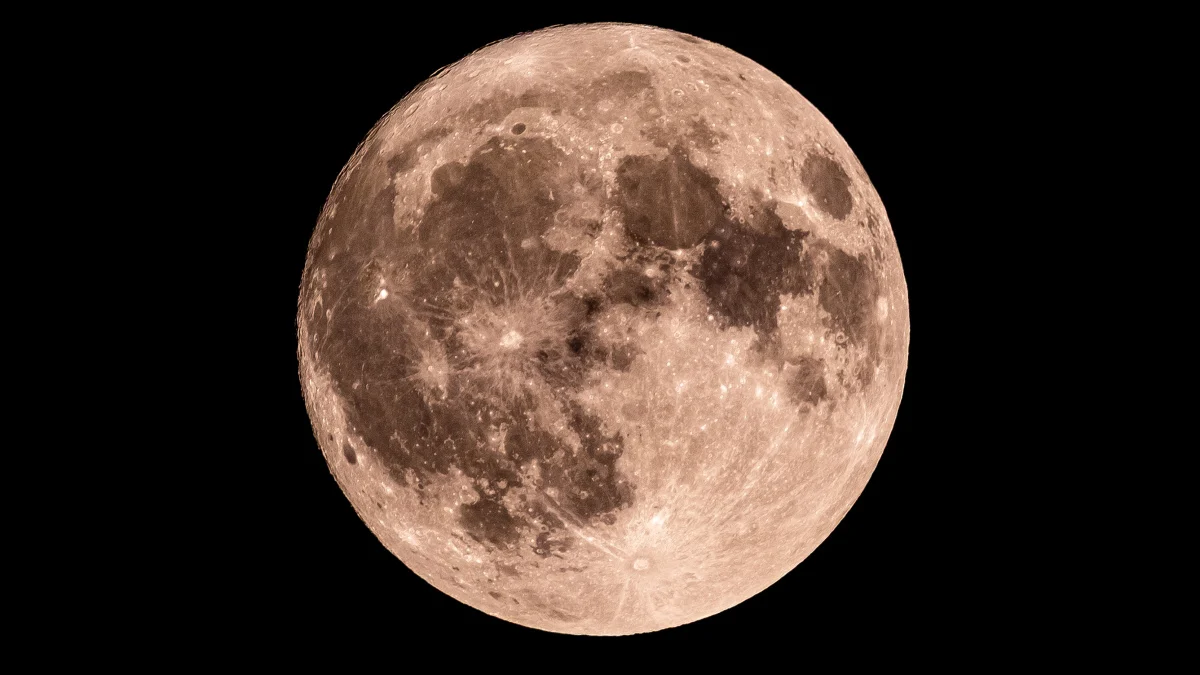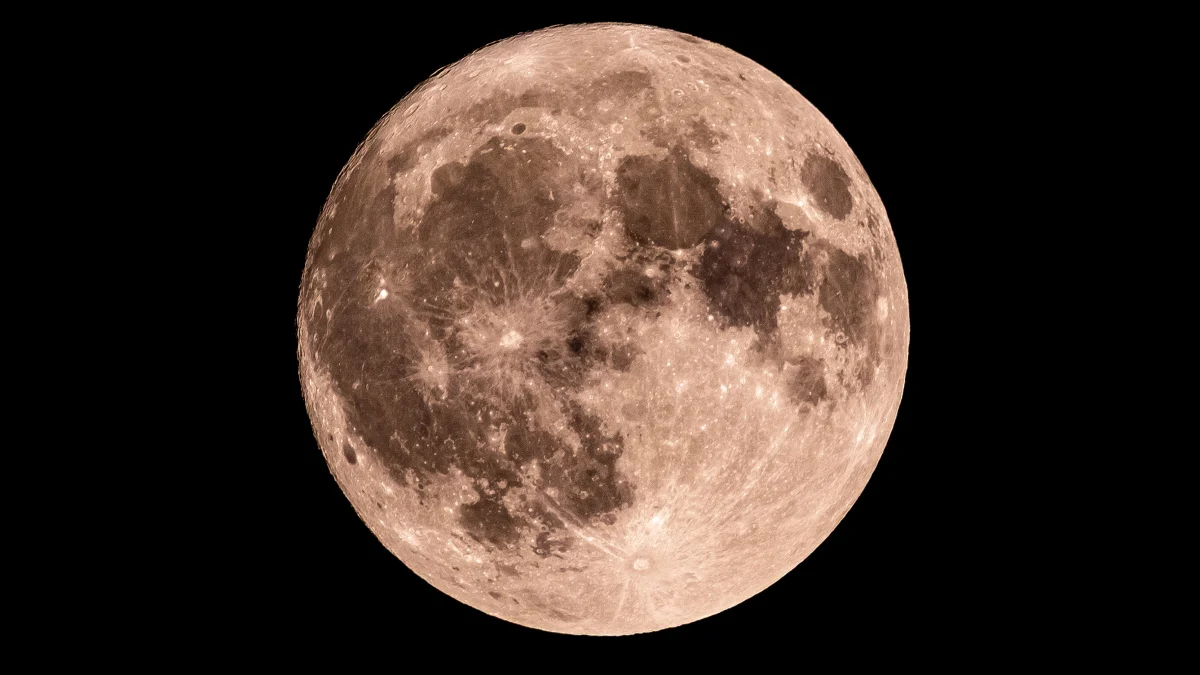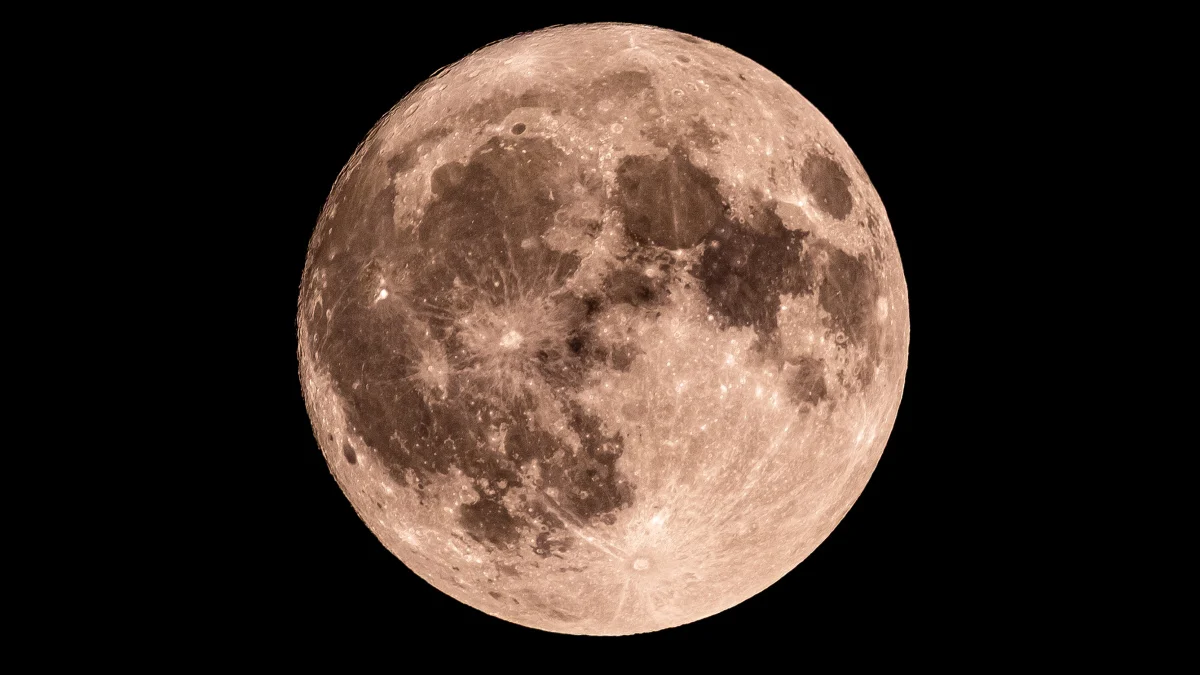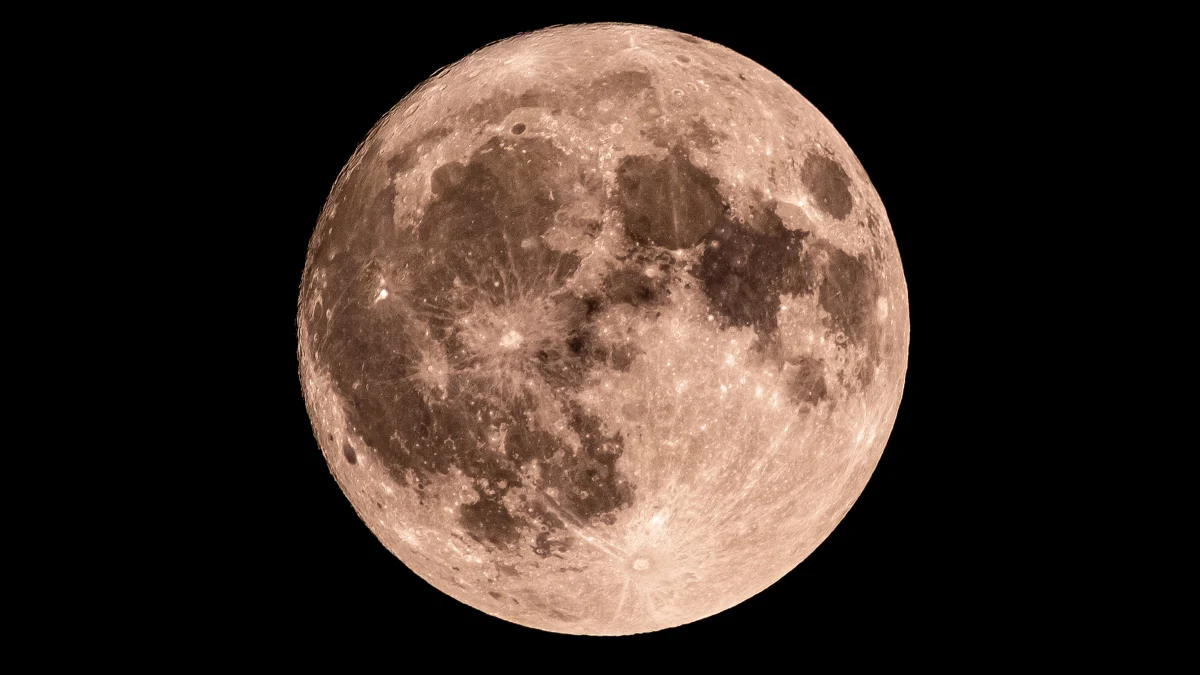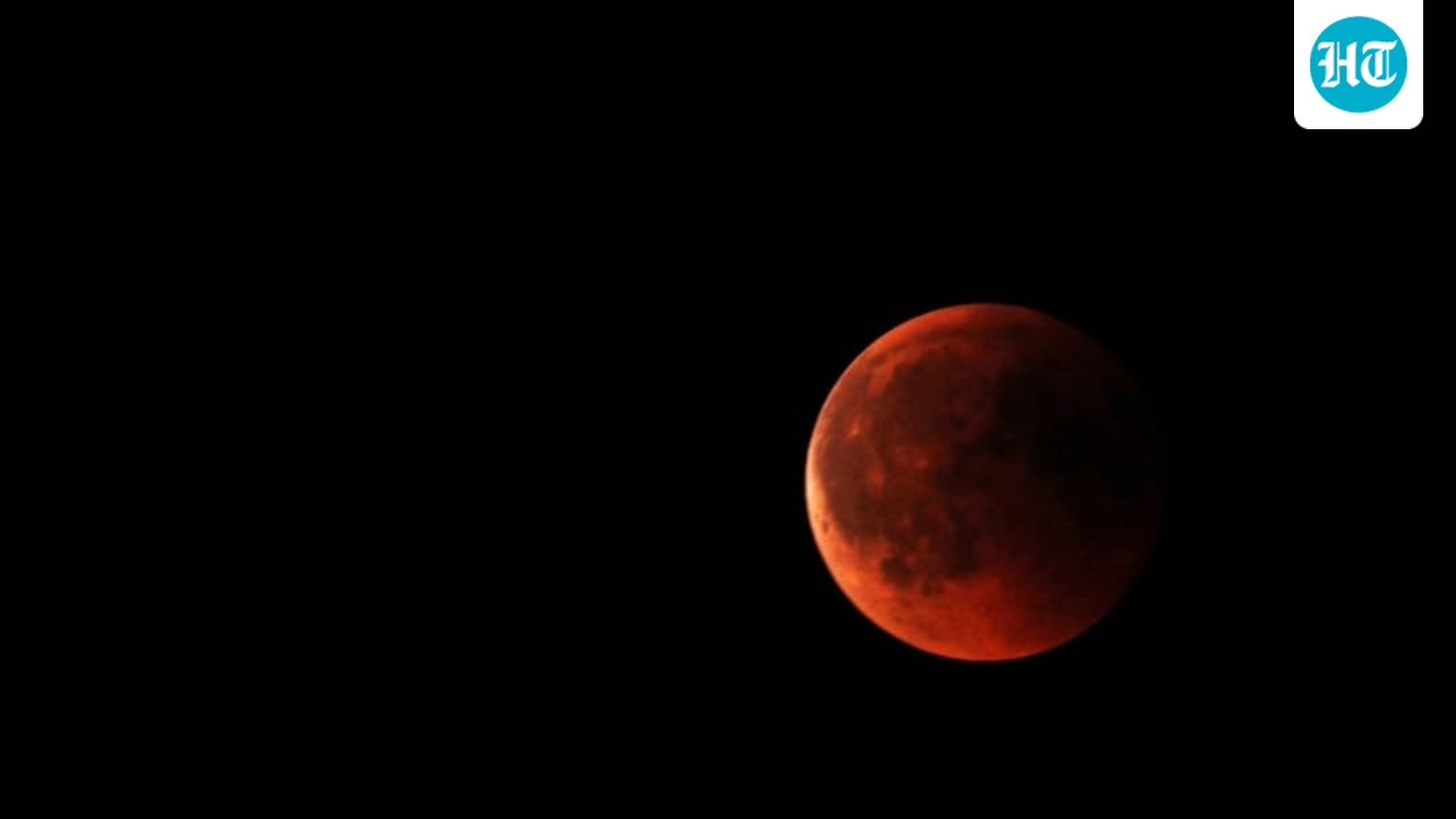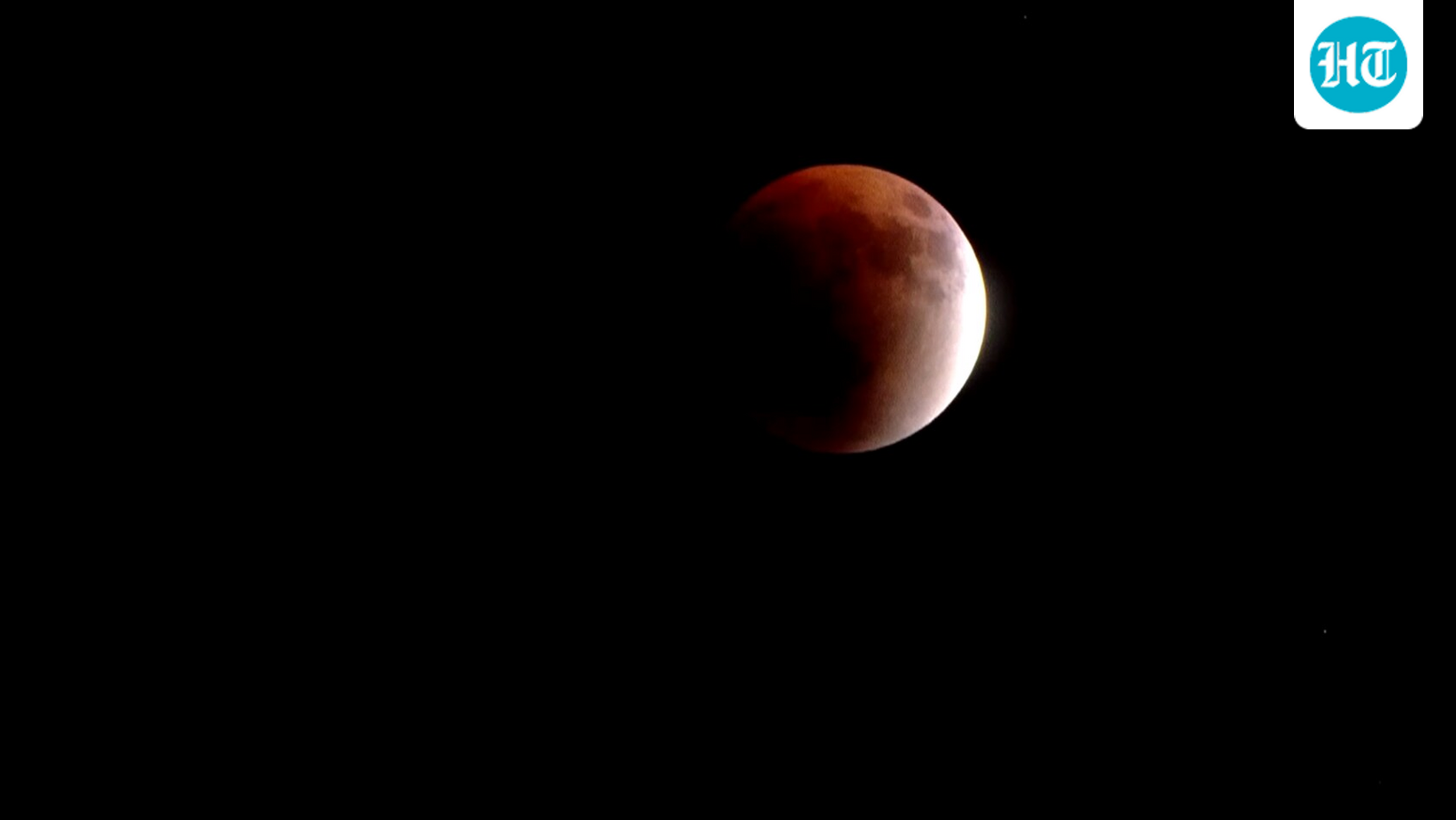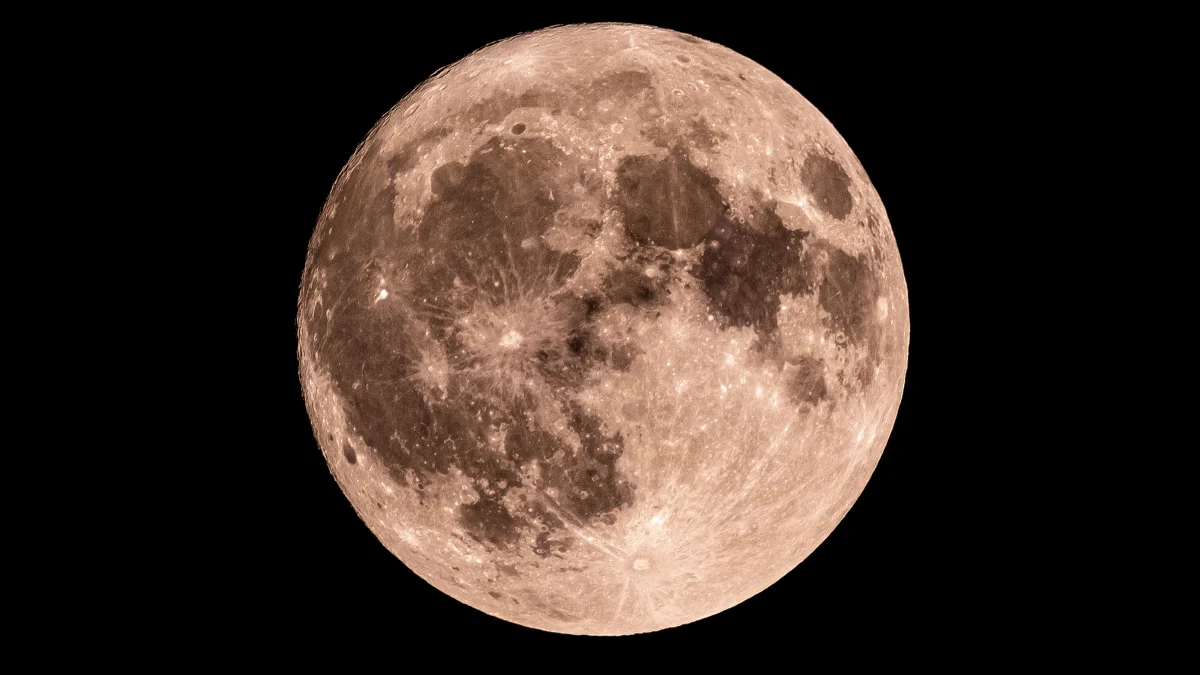
It's not just the Full Moon tonight, there's also a partial lunar eclipse. A lunar eclipse occurs when the Moon crosses into the shadow cast by Earth, which happens when the Sun, Earth, and Moon align. So, lunar eclipses can only happen during a Full Moon.What is today’s Moon phase?As of Friday, Aug. 28, NASA's Daily Moon Guide tracker tells us the Moon is in Full Moon phase, with 100% of its surface visible. Without any visual aids, tonight you can see the Mares Serenitatis and Vaporum, alongside the Aristarchus Plateau. If you have binoculars, you'll also see the Mares Frigoris and Nectaris, and the Grimaldi Basin. If you have access to a telescope, you'll also be able to see the Apollo 17 landing spot, the Fra Mauro Highlands, and the Descartes Highlands.
You May Also Like
When is the next Full Moon?The next Full Moon will take place on September 26.What are Moon phases?The Moon's appearance changes throughout the month as it moves through its different phases. It takes roughly 29.5 days for the Moon to complete one full cycle as it orbits Earth, according to NASA. The phase we see depends on the Moon's position relative to the Sun and Earth, which determines how much of its sunlit side is visible to us. Over the course of the cycle, the Moon changes from a slim crescent to a half Moon and eventually a Full Moon, before beginning the process again.The eight phases are: