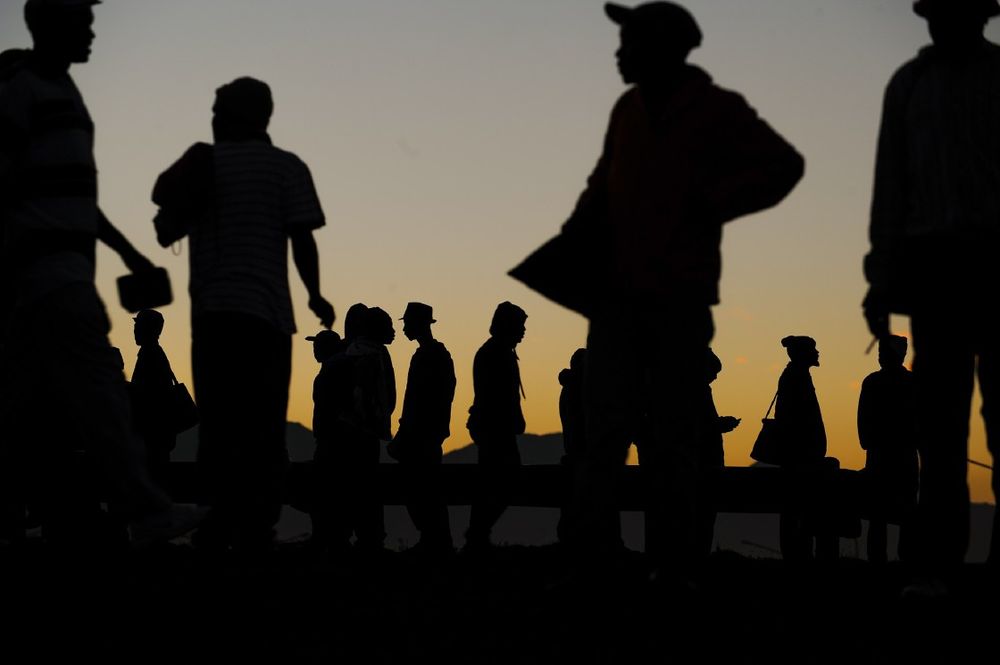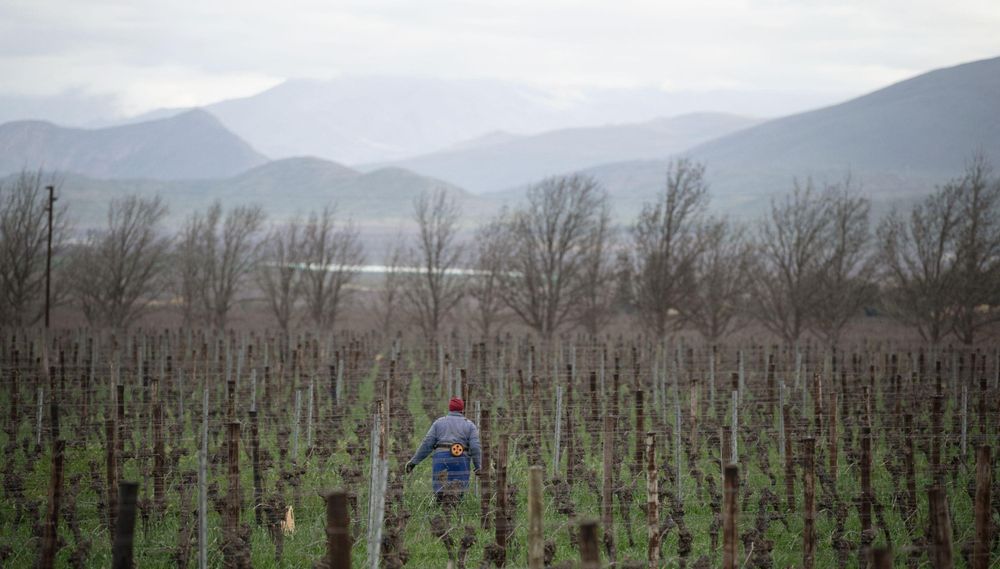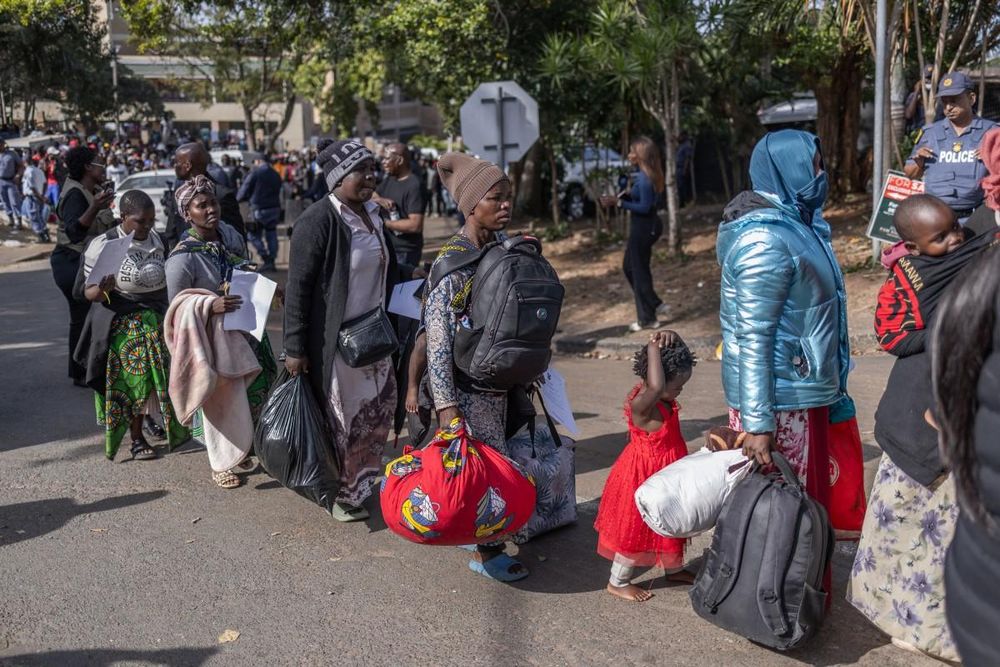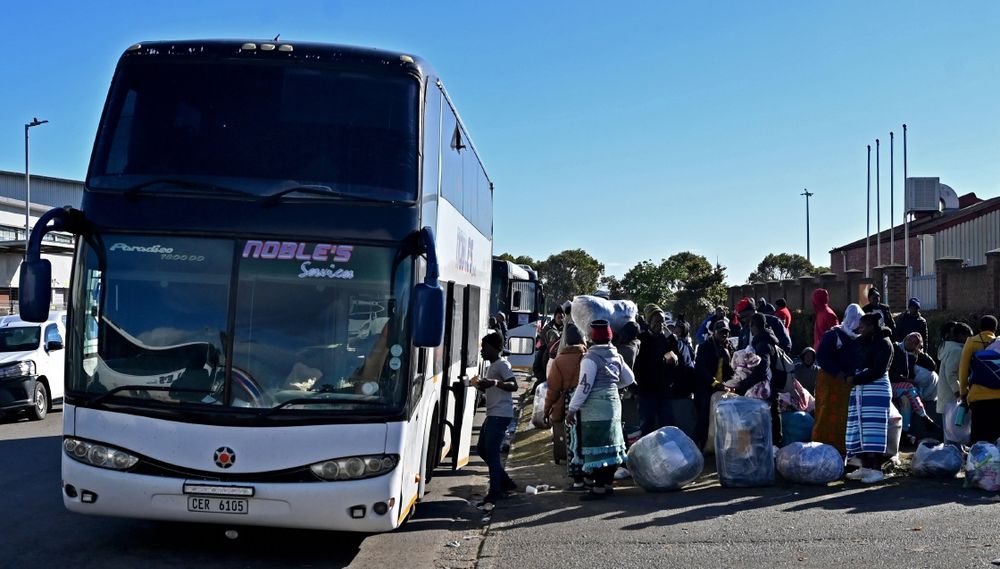
We typically tout South Africa’s farming sector as crucial for job creation. The primary farming sector employs close to 1-million people, and more than 300,000 additional people work in the value chains. Looking to the future, given technological advancements, we remain convinced that as this sector expands, more jobs will be created. However, there are also new issues in the farming sector labour market that we must focus on more. The immigration discourse in South Africa has created the impression that the farming sector has been left reeling from unharvested fruit and other produce as foreign workers leave the country. This issue needs to be treated delicately, without exaggerations that create undue reputational risks. There are foreign workers in the South African farming sector, especially in provinces bordering our neighbouring countries and in certain value chains such as sugarcane and fruit. However, data on their share of overall farming employment is always challenging to assess. A number of the workers typically only engage in the sector during the busy harvesting periods that require more labour. Also, because the farming sector deals with perishable products, timeliness at every stage of production are key. There is, therefore, a need to ensure harvesting is not delayed as this would affect the quality of the produce and the farming sector’s income and long-term sustainability. I mention this not to validate the view that products are rotting in fields across the country, but to say we have to manage immigration issues in farm labour carefully and ensure legal processes are followed efficiently, as has been the case in the past and remains the case now. The department of home affairs has a major role to play, along with organised agriculture among other stakeholders. In places where foreign workers are needed we must continue the legal processes used in the past to enable such efforts and efficiencies on farmsWe also need to be careful about creating narratives that the farming sector prioritises the employment of foreign workers, and that when the immigration discourse started things fell apart, because this is also not a correct assessment of the sector’s conditions. There are many South Africans who work on farms and will continue to participate in the sector, and in the jobs created as it expands. However, in places where foreign workers are needed we must continue the legal processes used in the past to enable such efforts and efficiencies on farms. Conditions are broadly stable in the South African agricultural labour market at present. Consider the second quarter of 2026: South Africa’s agricultural jobs were at 944,000, up 4% from a year ago. This partly captures the period when the immigration discourse had already begun and shows the agricultural labour market remained robust. Suggesting crops are rotting in the fields is not only not true but risks causing undue alarm about the state of agricultural labour. There are isolated cases of labour shortages (and I am not attempting to minimise the challenges faced by those affected), but the broader sector doesn’t face them. In the surveys conducted by the Agricultural Business Chamber of South Africa (Agbiz) and Agri SA we found the challenge was isolated to a few provinces and industries, not widespread. This was supported by the jobs data for the second quarter of the year, which remained robust. This doesn’t mean there are no risks ahead. As I said earlier, during peak harvesting periods, when farmers require additional labour, there are cases where foreign workers, through legal processes, join the sector for seasonal jobs. In such cases we must have a clear path for handling this going forward to avoid risks in the sector. There is also a responsibility on the sector to continuously recruit as many South Africans as possible, not least because government has prioritised agricultural employment due to its potential to help reduce the country’s high joblessness. The immigration matter is not an easy issue and will need to be handled carefully, without causing alarm or undue reputational risk to the export-oriented farming sector, as all key export markets place considerable value on farm labour practices. • Sihlobo is presidential envoy on agriculture and land, chief economist at the Agricultural Business Chamber of South Africa and a senior fellow in Stellenbosch University’s department of agricultural economics.Business Day
WANDILE SIHLOBO | Immigration and farm labour dynamics in agriculture
The narrative of widespread unharvested crops is not supported by evidence, writes Wandile Sihlobo
715 words~3 min read