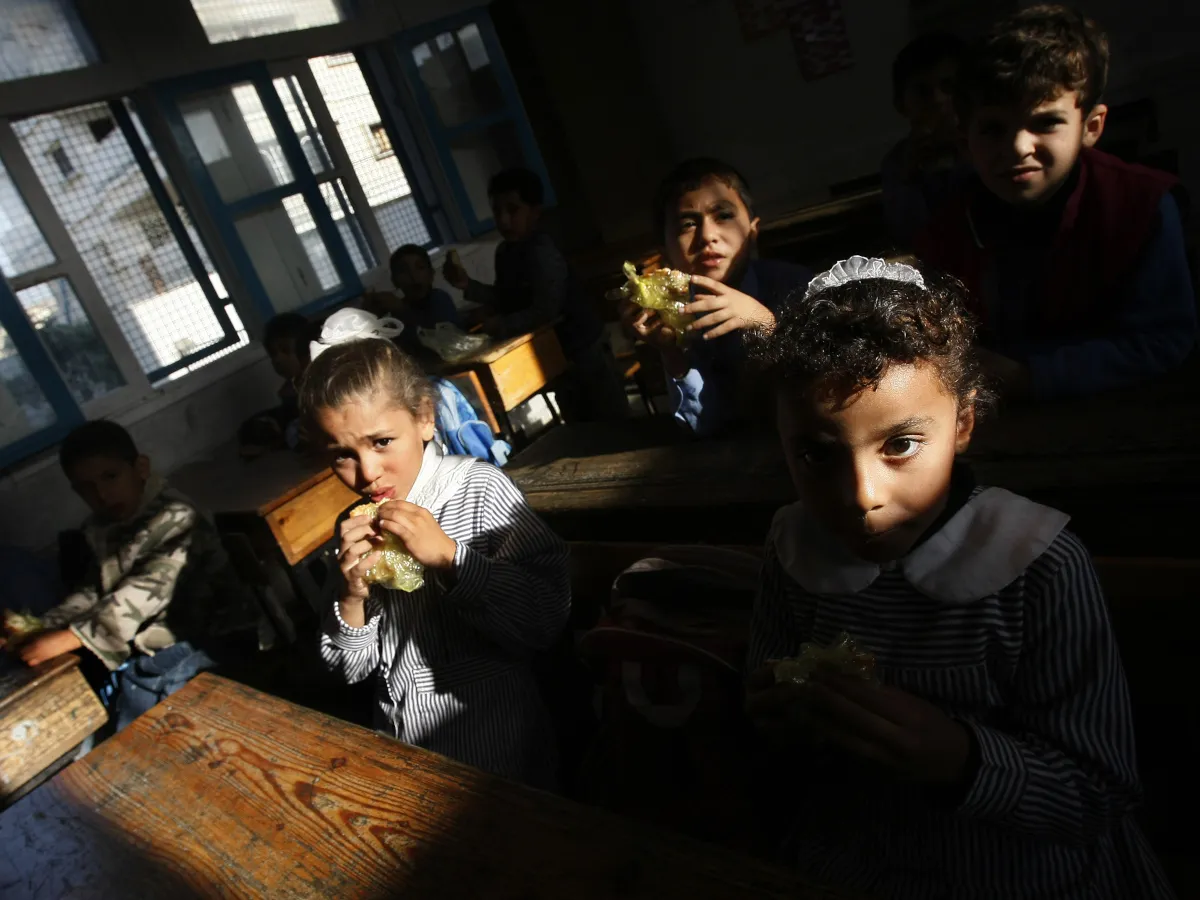
Skip to Content Subscribe My Account Manage My Subscriptions FAQ Newsletters Canada Canadian True Crime Canadian Politics Health World Israel & Middle East Financial Post NP Comment Longreads Puzzmo Diversions Comics NP News Quiz New York Times Crossword Horoscopes Life Eating & Drinking Style Sponsored Play for Ontario Travel Travel Canada Travel USA Travel International Cruises Travel Essentials Culture Books Celebrity Movies Music Theatre Television Business Essentials Advice Lives Told Tails Told Shopping Buy Canadian Home Living Outdoor Living Kitchen & Dining Tech Style & Beauty Personal Care Entertainment & Hobbies Gift Guide Travel Guide Amazon Prime Day Deals Savings National Post Store More Sports Hockey Baseball Basketball Football Soccer Golf Tennis Driving Vehicle Research Reviews News Gear Guide Obituaries Place an Obituary Place an In Memoriam Classifieds Place an Ad Celebrations Working Business Ads Archives Healthing Epaper Manage Print Subscription Profile Settings My Subscriptions My Offers Newsletters Customer Service FAQ Newsletters Canada World Financial Post NP Comment Longreads Puzzmo Diversions Life Shopping Epaper Manage Print Subscription HomeNP CommentMoumen Al-Natour: In Gaza, demilitarization and deradicalization must go hand-in-handUntil kids stop being taught to fight against Jews, the violence will continueLast updated 37 minutes ago Palestinian students attend an UNRWA-run primary school in Gaza City in 2008. Photo by MAHMUD HAMS/AFP/Getty ImagesU.S. special envoy Jared Kushner recently said that Gaza will not be rebuilt until it’s demilitarized. His reasoning was straightforward: no one wants to pour billions of dollars into reconstruction only to see the territory taken over by terrorists or destroyed again. He is right about the problem. But demilitarization alone will not solve it.Enjoy the latest local, national and international news.Exclusive articles by Conrad Black, Barbara Kay and others. Plus, special edition NP Platformed and First Reading newsletters and virtual events.Unlimited online access to National Post.National Post ePaper, an electronic replica of the print edition to view on any device, share and comment on.Daily puzzles including the New York Times Crossword.Support local journalism.Enjoy the latest local, national and international news.Exclusive articles by Conrad Black, Barbara Kay and others. Plus, special edition NP Platformed and First Reading newsletters and virtual events.Unlimited online access to National Post.National Post ePaper, an electronic replica of the print edition to view on any device, share and comment on.Daily puzzles including the New York Times Crossword.Support local journalism.Create an account or sign in to continue with your reading experience.Access articles from across Canada with one account.Share your thoughts and join the conversation in the comments.Enjoy additional articles per month.Get email updates from your favourite authors.Create an account or sign in to continue with your reading experience.Access articles from across Canada with one accountShare your thoughts and join the conversation in the commentsEnjoy additional articles per monthGet email updates from your favourite authorsSign In or Create an AccountorTaking away the terrorist’s weapons is necessary. But so is asking what made generations of young people willing to carry them in the first place.If Gaza is to have a different future, reconstruction and rehabilitation must happen together. One to rebuild the physical environment, and the other to rebuild the institutions and ideas that shape future generations. I know this because I grew up in Gaza.The National Post newsletter that doesn’t hold back, giving readers the unvarnished truth on media, politics and culture.By signing up, you consent to receive the above newsletter from Postmedia Network Inc.A welcome email is on its way. If you don't see it, please check your junk folder.The next issue of Right? will soon be in your inbox.We encountered an issue signing you up. Please try againIn fourth grade, my Islamic education teacher called me to the front of the classroom. He ran toward me, performed a military-style roll, then stood with his hands positioned around an imaginary rifle.“You need to learn these movements,” he told us. We needed to become soldiers, he said. The war against the Jews would continue until the end of time, and killing Jews, according to my teacher, was an act of worship.I was around nine years old at the time. The same teacher condemned the Oslo Accords and called the Palestinian Authority traitors. I did not know what the Oslo Accords were. I did not even know where Oslo was. I knew who I was supposed to hate before I even understood the conflict.By secondary school, the imaginary rifle became a real Kalashnikov. We had a class in which we learned to disassemble and reassemble weapons. The instructor belonged to Hamas’s security apparatus. Once, his rifle accidentally discharged and a bullet tore through a classroom wall.My father was furious when he learned that I was being trained with weapons. He went to the school and objected. Two days later, the principal humiliated me during morning assembly, calling me weak because I had brought my father instead of behaving like the “men” who fight to liberate Palestine.My father understood something my school did not: patriotism did not require turning his son into a soldier. This is why the debate over Gaza’s reconstruction cannot be limited to buildings.A school is not rehabilitated because someone replaces its windows, pours new concrete and installs new desks. What matters is what happens after children sit at those desks.The United States and its partners therefore need to think about Gaza’s reconstruction in two inseparable tracks: demilitarization and deradicalization, physical reconstruction and civic rehabilitation.That does not mean erasing Palestinian identity or political aspirations. Palestinians should be free to advocate for statehood, challenge Israeli policies and tell their own history. Deradicalization cannot become a euphemism for political submission.It should mean something much more specific: ending the institutional glorification of violence, religious hatred and the militarization of children. Washington should make that principle part of any reconstruction framework.International funding for education should require independent reviews of the curricula and teaching materials. Teachers and administrators should be screened for involvement in armed organizations. Schools should be strictly separated from military activities. Religious instruction should not be used to dehumanize Jews or sanctify violence against civilians.Teacher training matters just as much as textbooks. A beautifully written curriculum means little if the adult standing in front of the classroom teaches children that compromise is treason and death in battle is the highest form of achievement.Gaza will also need alternatives, not simply prohibitions. Young Palestinians need civic institutions, sports, arts, entrepreneurship, political debate and education that gives them ways to pursue dignity and purpose outside armed movements. Deradicalization succeeds when another identity becomes more compelling: student, engineer, entrepreneur, artist, citizen.And Palestinian parents who resist militarization need protection and support. My father was one of them. He did not need an outsider to teach him that putting a Kalashnikov in his son’s hands was wrong. He needed a system that stood behind him when he said “no.” Instead, the system humiliated his child.That distinction should matter enormously to Americans and others throughout the West. Gaza is not a population of two million irredeemable extremists. It is a society in which people have lived for decades under institutions and political forces that have profoundly shaped its citizens, starting from their formative years in the classroom. Yet institutions can change.Kushner is right that rebuilding Gaza without demilitarizing it risks financing another war. But removing rifles and tunnels addresses only half of the problem.I remember an imaginary rifle in my teacher’s hands when I was nine. Years later, there was a real one in mine. The distance between those two rifles is where Gaza’s future will be decided. Reconstruction must begin there.National PostMoumen Al-Natour is a Palestinian lawyer from Gaza and a co-organizer of the 2019 “We Want to Live” street demonstrations against Hamas. Join the Conversation This website uses cookies to personalize your content (including ads), and allows us to analyze our traffic. Read more about cookies here. By continuing to use our site, you agree to our Terms of Use and Privacy Policy.
Moumen Al-Natour: In Gaza, demilitarization and deradicalization must go hand-in-hand
Until kids stop being taught to fight against Jews, the violence will continue
1,309 words~6 min read