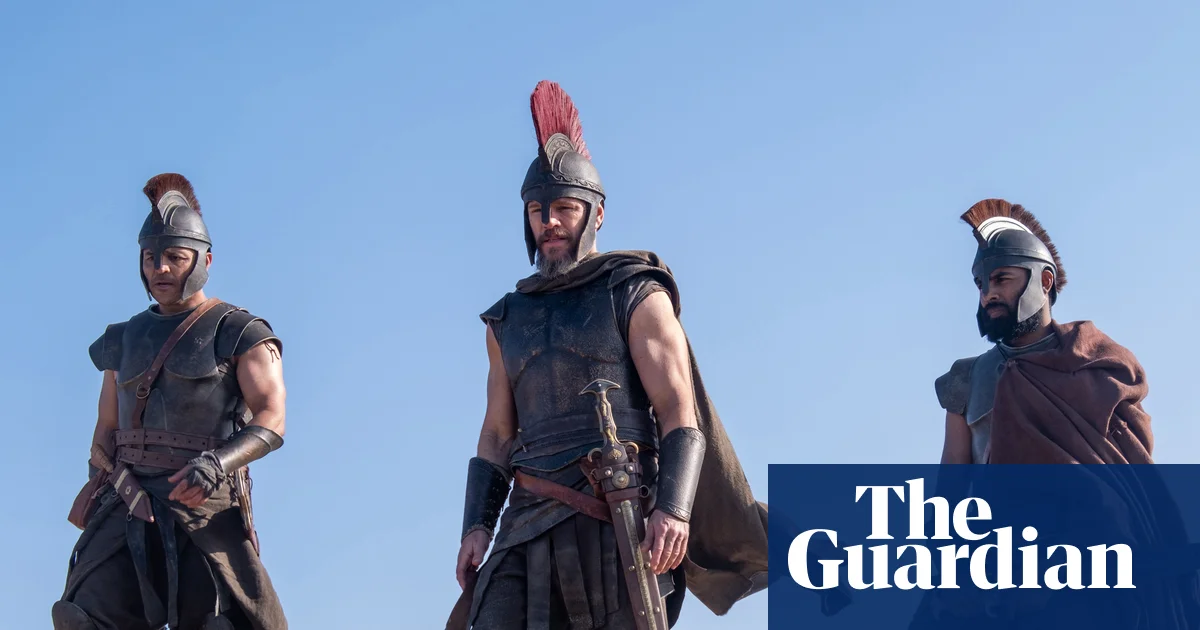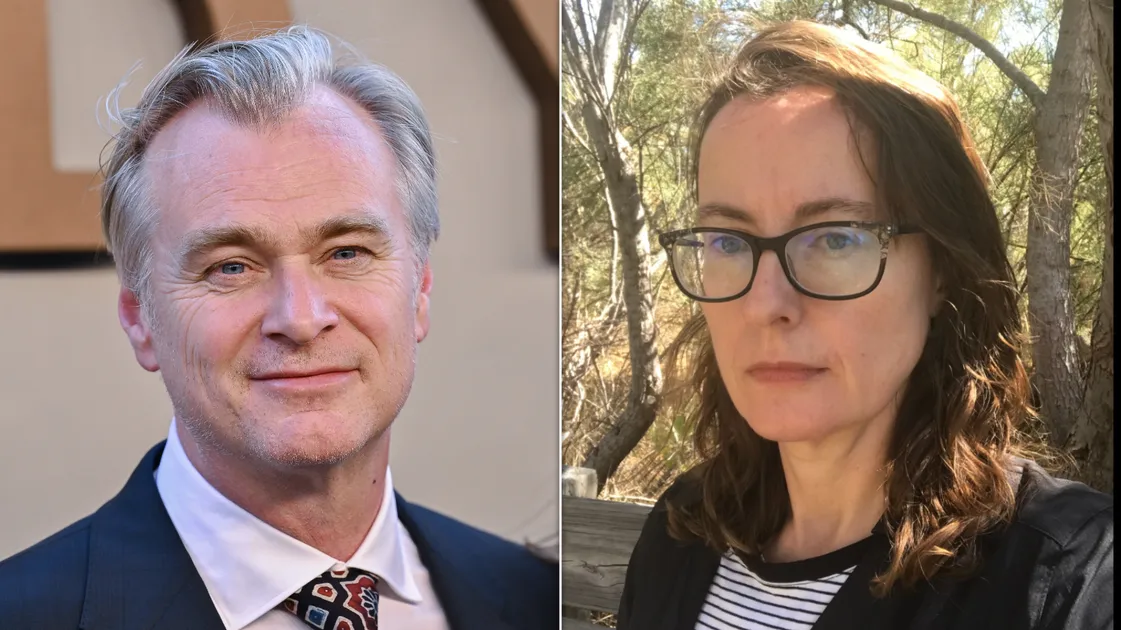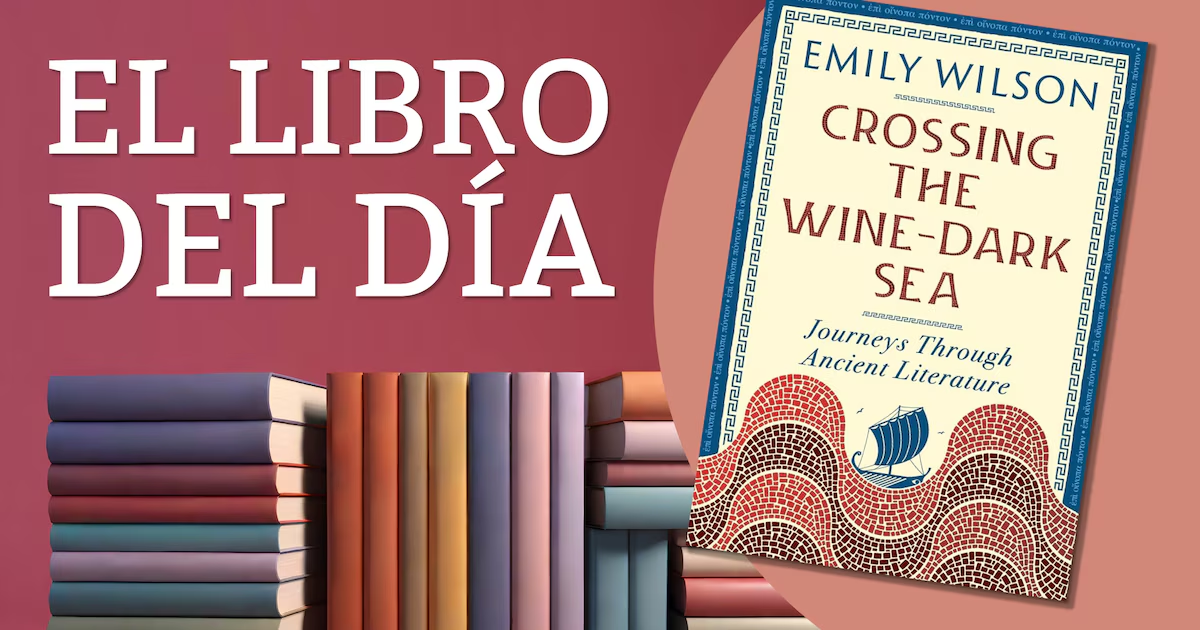
NEW YORK (AP) — If you’re among the many readers who learned to love “The Odyssey” through Emily Wilson’s 2017 translation, you might be surprised that she’s going to translate it again.“It’s a complete retranslation. It’s not a revision of the old version,” Wilson told The Associated Press during a recent Zoom interview from her home in Philadelphia, where she is a professor of classical studies at the University of Pennsylvania. “I’m about halfway through.”Regarded as the first major English-language translation of Homer’s epic by a woman, her book was already a bestseller and a culture-wars flashpoint before the release of Christopher Nolan’s blockbuster adaptation. But she says her translation methods have become more sophisticated and that enough time has passed for her to see some flaws in her work — as an example, she overused the word “slave” when ancient Greek had different terms for different categories of enslaved people. The new edition will be longer, she says, and will better reflect the differing social worlds of Homer’s poem.
Fiction writers and poets, from Henry James to Walt Whitman, have revised and reissued early works. But translators rarely start over on a full-length text — especially not within a decade of the original work’s completion, and not when the translation has had the success of Wilson’s “Odyssey.”“I can’t really come up with a previous example of this situation,” says Kate Deimling, who oversees the literary division of the American Translators Association. “It’s not unheard of for translators to go back and make some corrections or edits in subsequent editions, but that’s not the same as a retranslation.”