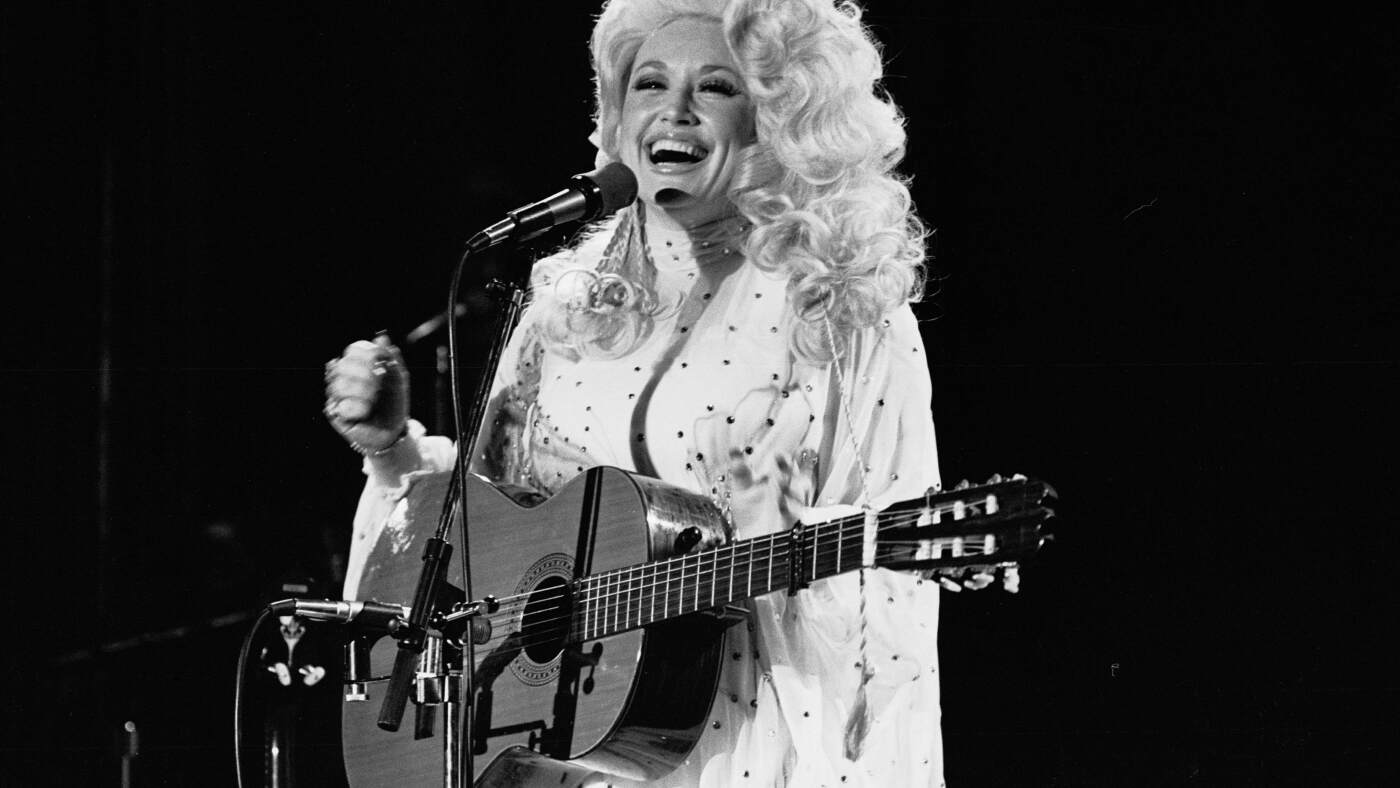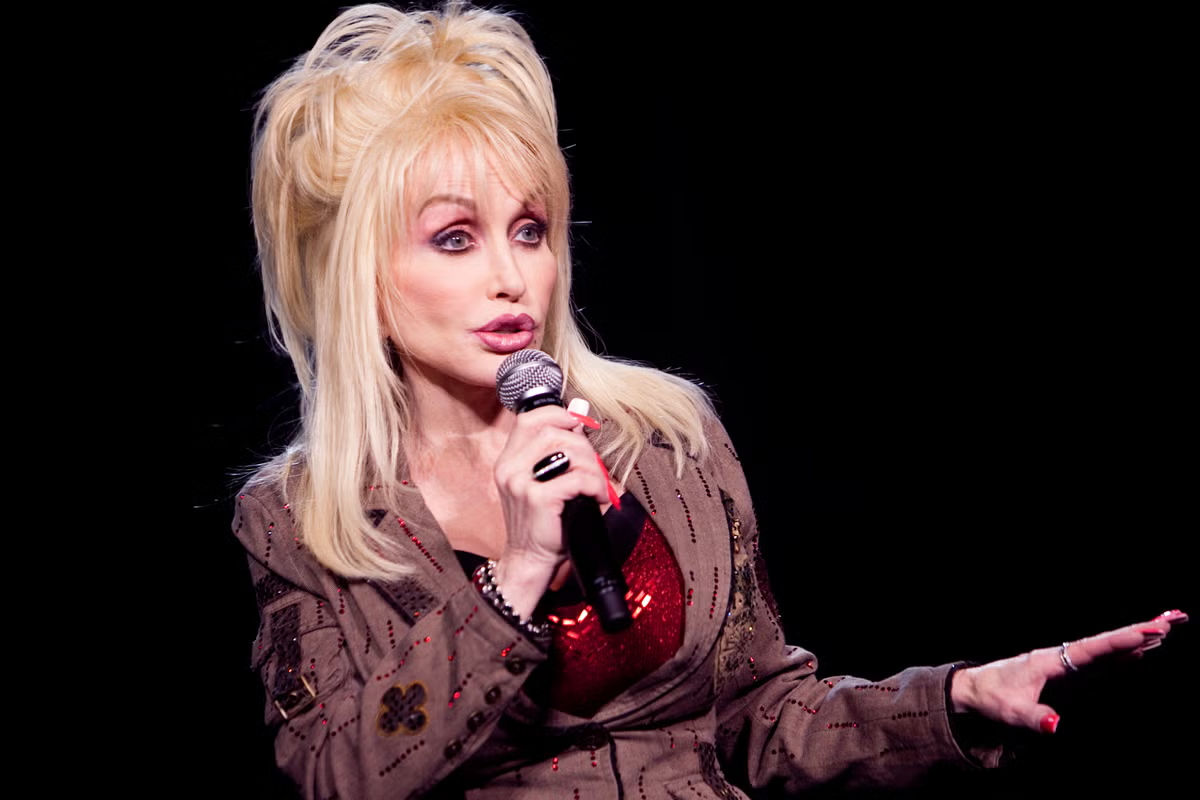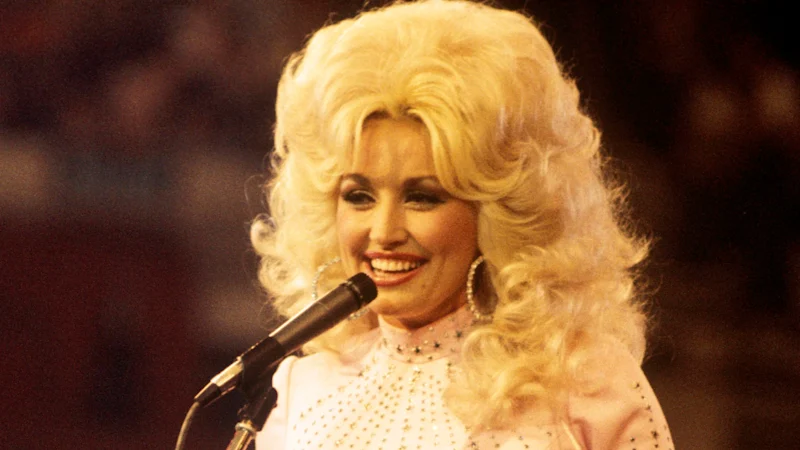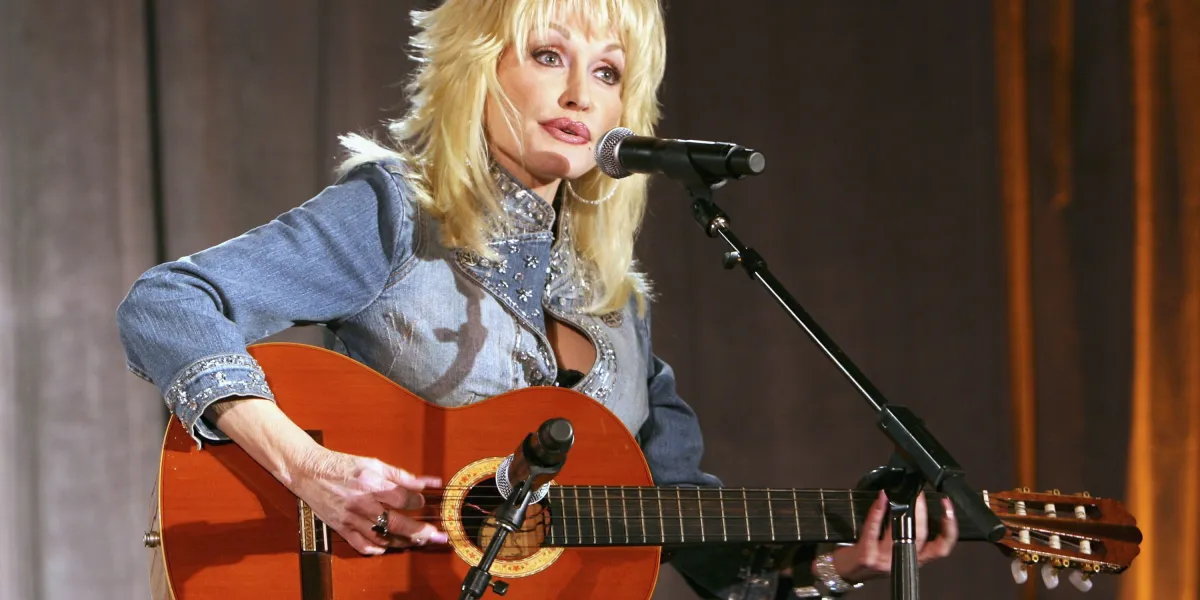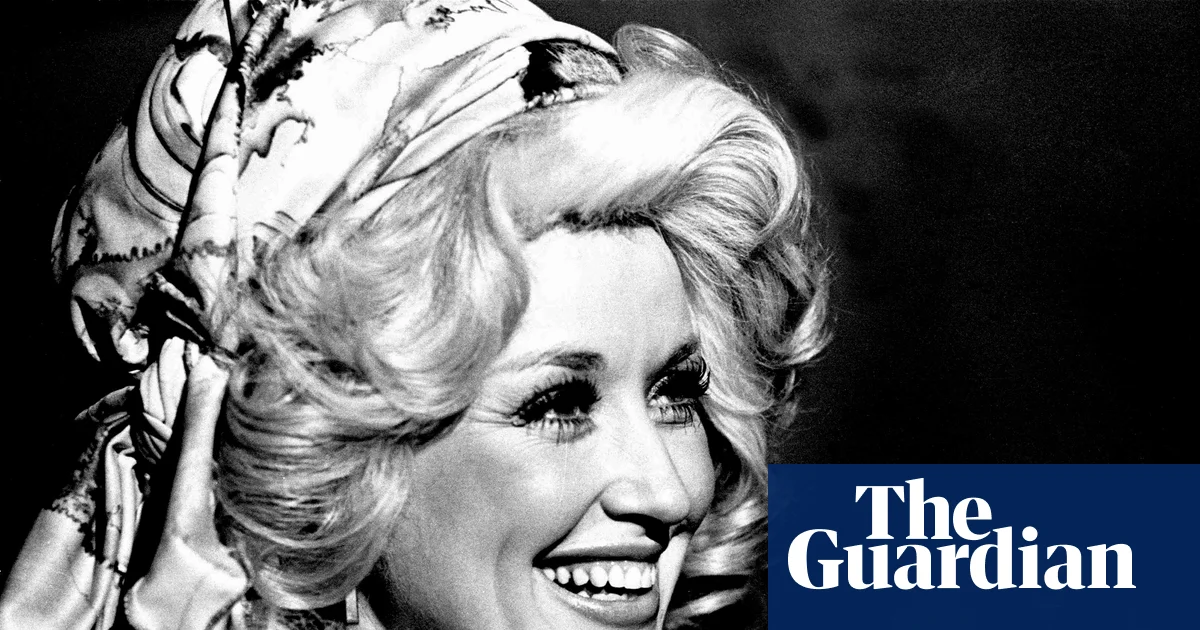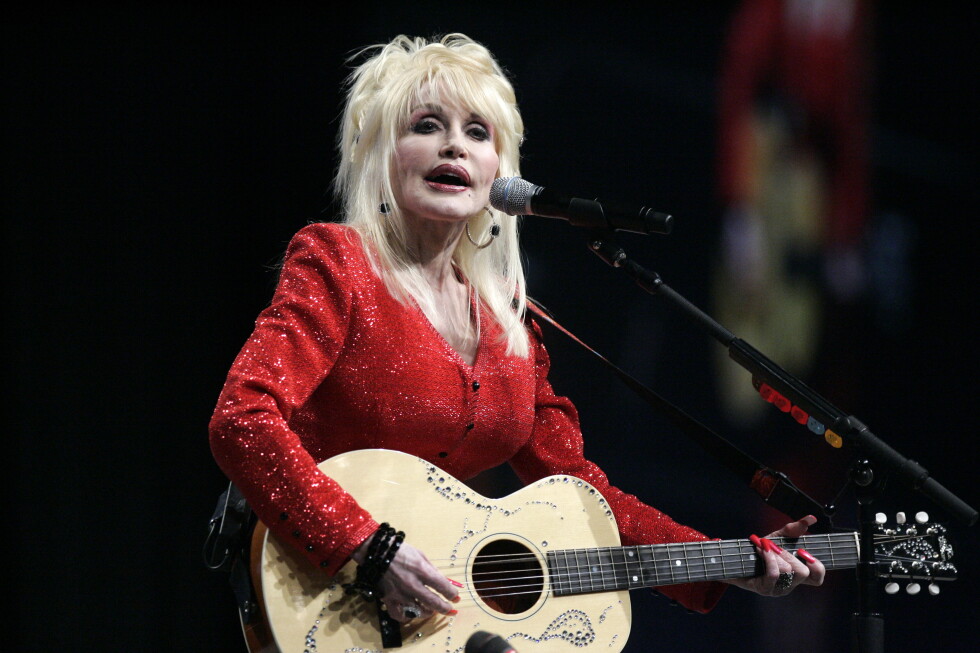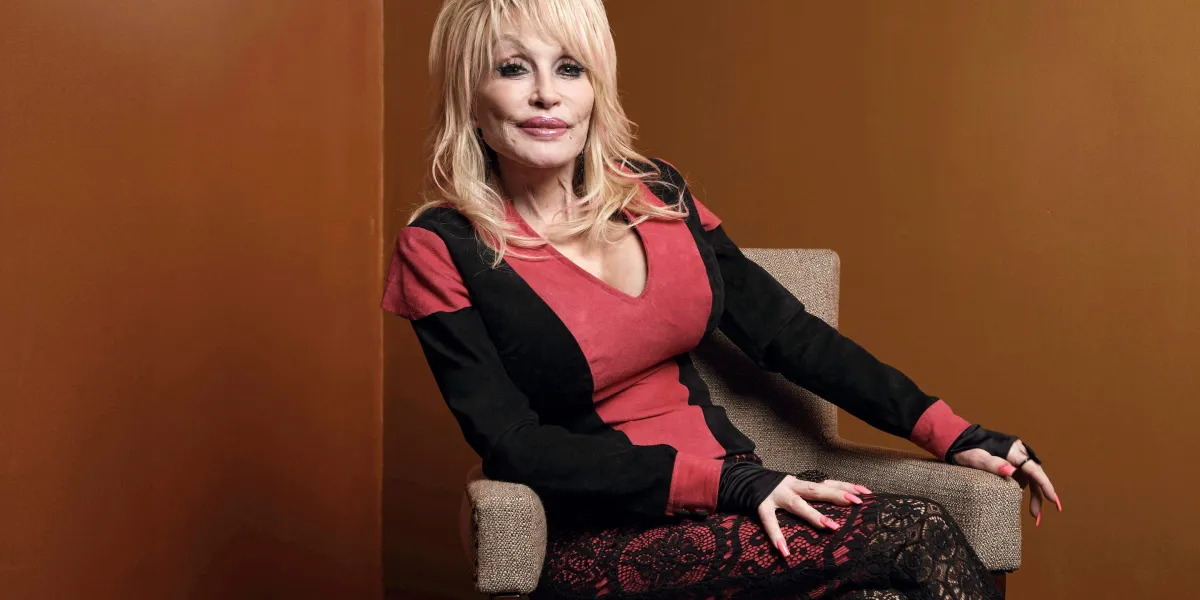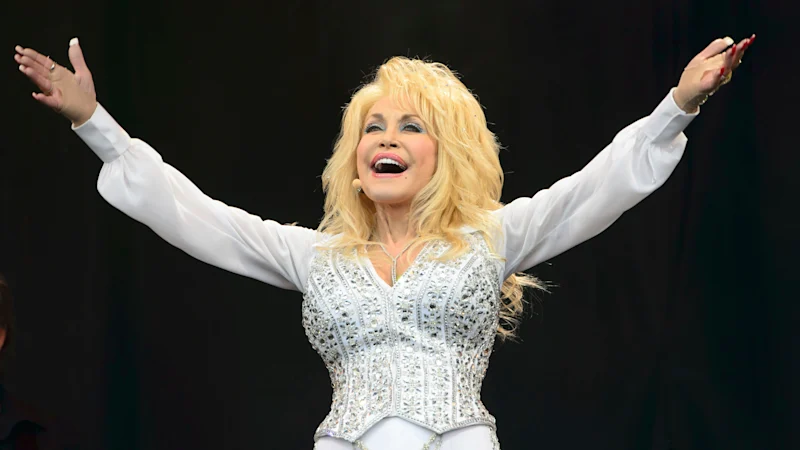
“I will always love you …” If you have been alive in America at any point in the last half-century, you have heard those words in one of two voices — Dolly Parton’s original, a spare country farewell written as a professional goodbye, or Whitney Houston’s cover. Both belong to the same woman: the songwriter from a one-room cabin in the Great Smoky Mountains who refused to surrender half the publishing even to Elvis Presley, kept the copyright in her pocket, and watched it become one of the best-selling singles of all time.Parton, who died Aug. 25 at the age of 80, was the rare American celebrity who seemed to be loved by everybody. Country purists claimed her. Pop audiences loved her. Hollywood fawned over her. Children who never bought a record cited her when a free book arrived in the mail. In a country that agrees on almost nothing, almost no one had a bad word to say about Dolly Parton.Dolly Rebecca Parton was born on Jan. 19, 1946, in Sevier County, Tennessee, the fourth of 12 children in a household she later described as “dirt poor.” Her father, a sharecropper who never learned to read or write, paid the doctor who delivered her with a sack of cornmeal. The family lived for years in a one-bedroom cabin without electricity or running water — “two rooms and a path,” she liked to joke, “and running water if you were willing to run to get it.” Her mother sewed clothes from feed sacks and scraps. When schoolmates mocked a coat stitched from leftover rags, Avie Lee Parton told her daughter not to say they were poor: they were rich in kindness, love, and understanding. Parton turned the episode into “Coat of Many Colors,” the 1971 song that made her childhood American folklore.
Dolly Parton: A superstar who treated her songs as a business as well as an art
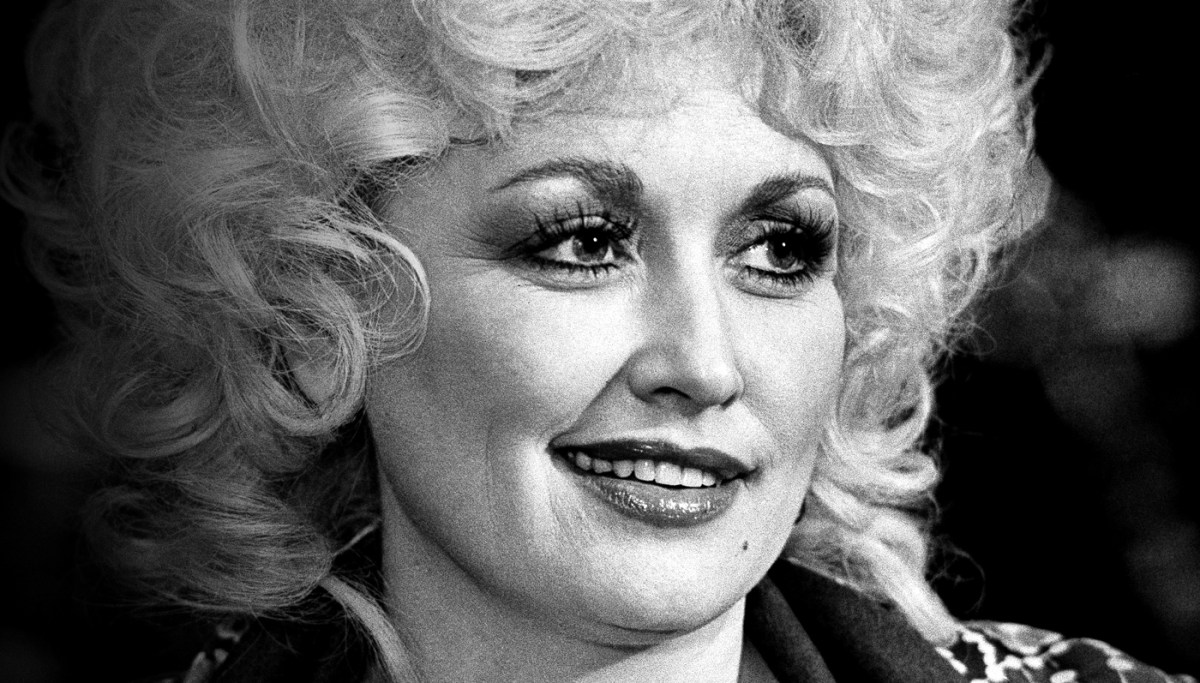
Parton had been writing songs since childhood; her first, an ode to a corncob doll, went into a shoebox her mother kept.
884 words~4 min read