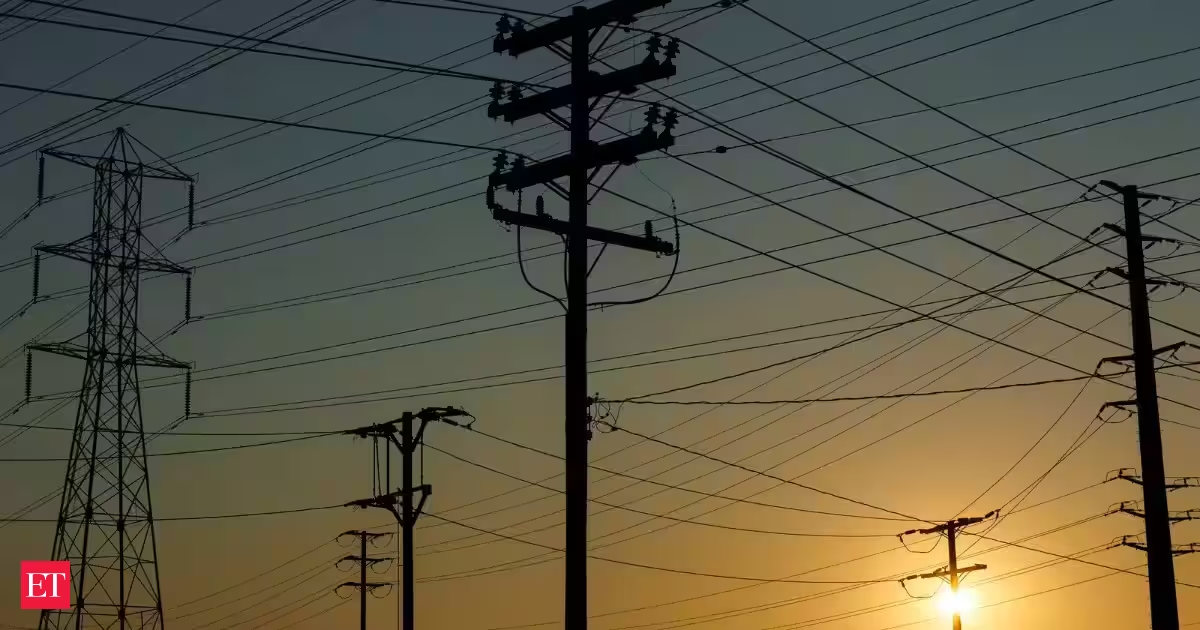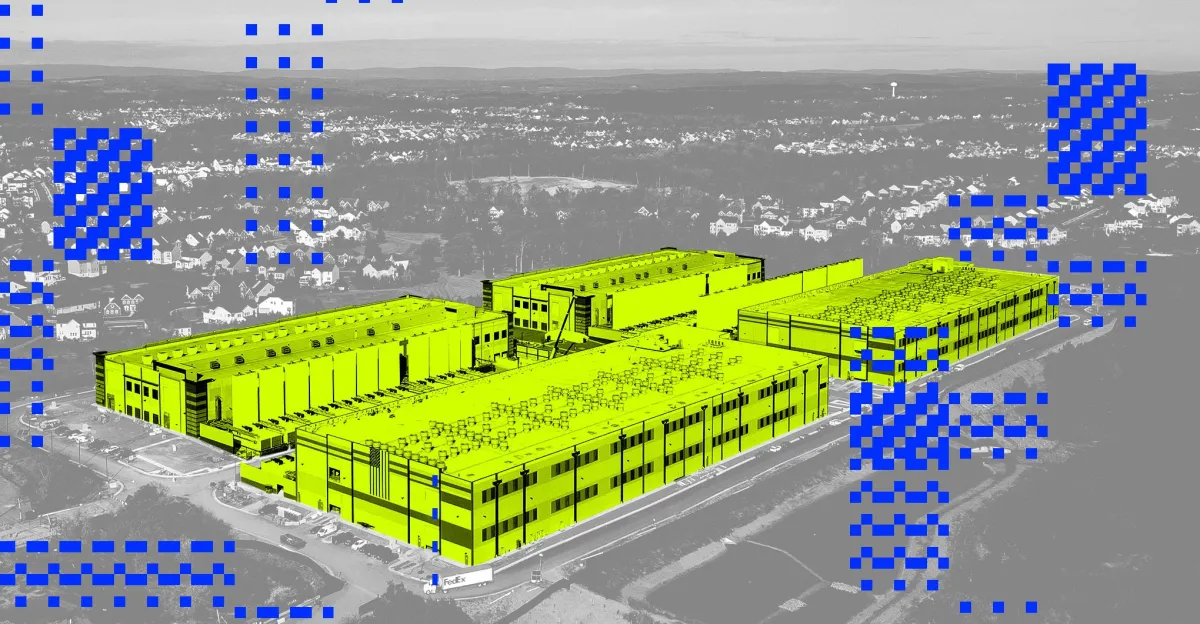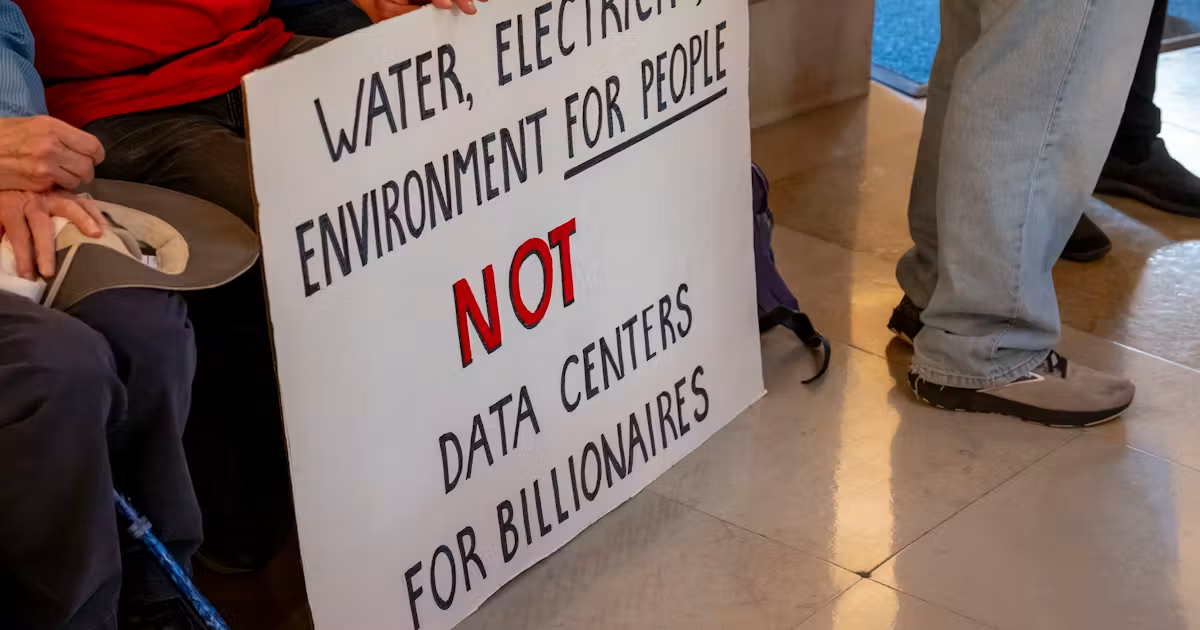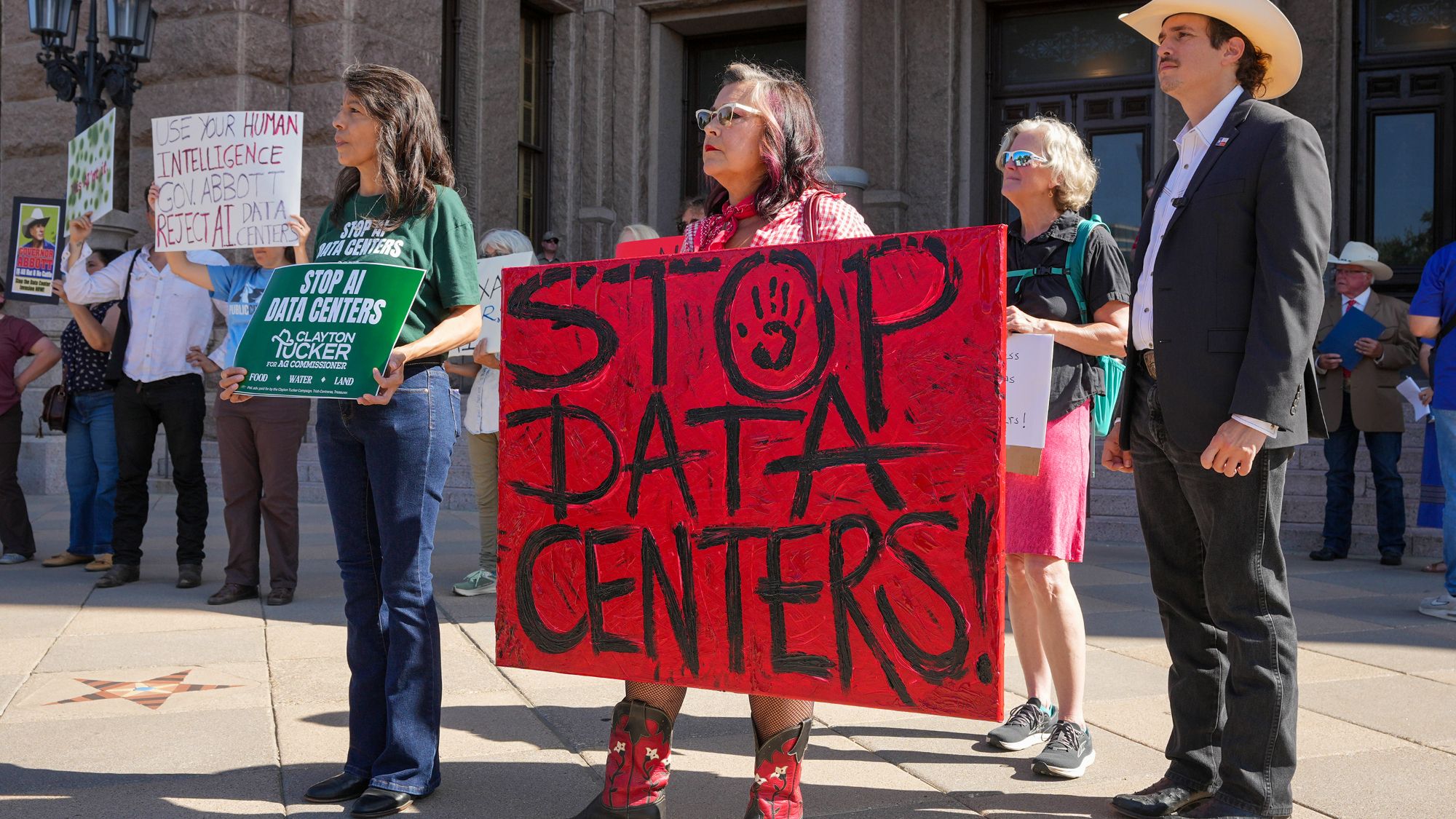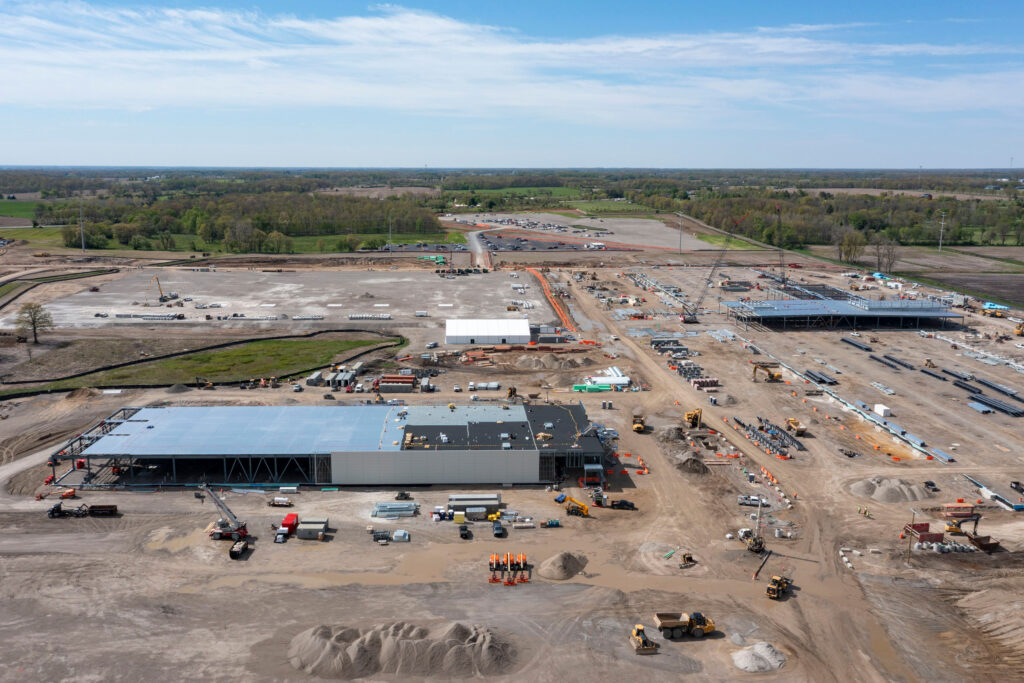
Across the country, the electricity needs of data centers have been a major driver of the widespread resistance to the speedy developments. The rapid buildouts of data centers have raised concerns that residential and small business utility customers will end up shouldering the costs, and about the health and climate impacts because much of the new capacity relies on burning fossil fuels. The rush has also given rise to a popular refrain: Make the data centers provide their own electricity.
Pennsylvania Governor Josh Shapiro recently announced a moratorium on “any AI data center that does not bring, develop, and pay for their own power,” citing electricity costs in a post announcing the move on Instagram. Texas Governor Greg Abbott blocked new data centers from connecting to the state’s power grid. A drumbeat of calls for data centers to make power for themselves has been beating for months among regulators, consumer advocates, and other stakeholders. The calls for this approach argue it will shield utility ratepayers from data center costs. And it may.
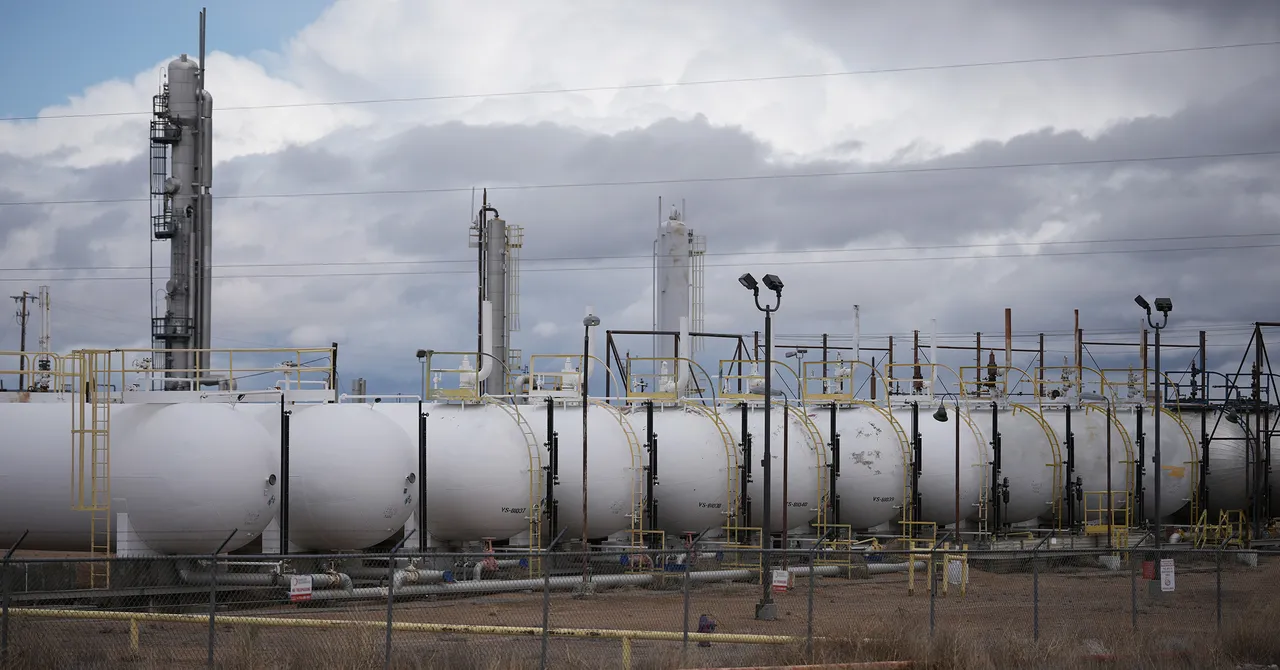
But new guidance from the Environmental Protection Agency about “islanded” power plants — those built to serve a single facility rather than the electricity grid — shows there aren’t as many reliable safeguards against the environmental and climate impacts. The EPA published guidance last month clarifying that the Clean Air Act’s Acid Rain Program “does not apply to power generation facilities that are not connected in any way to the larger electricity grid.” It’s part of a broader effort, experts said, to loosen regulations for data centers and power plants built to serve them.