Sanskrit and algorithms? They seem worlds apart, yet the ancient language has emerged as an unlikely point of interest for researchers in artificial intelligence. Its precise, rule-bound grammar is drawing the attention of scientists and technologists exploring machine translation, computational linguistics, and natural language processing.Sanskrit’s framework is so algorithmic that a 1985 NASA paper cited it as a model for machine language. But the connection between Sanskrit and science is far older. It can be traced back 2,500 years to Shalatula (present-day Pakistan), when Panini composed the Ashtadhyayi — 4,000 rules that transformed language into logic.
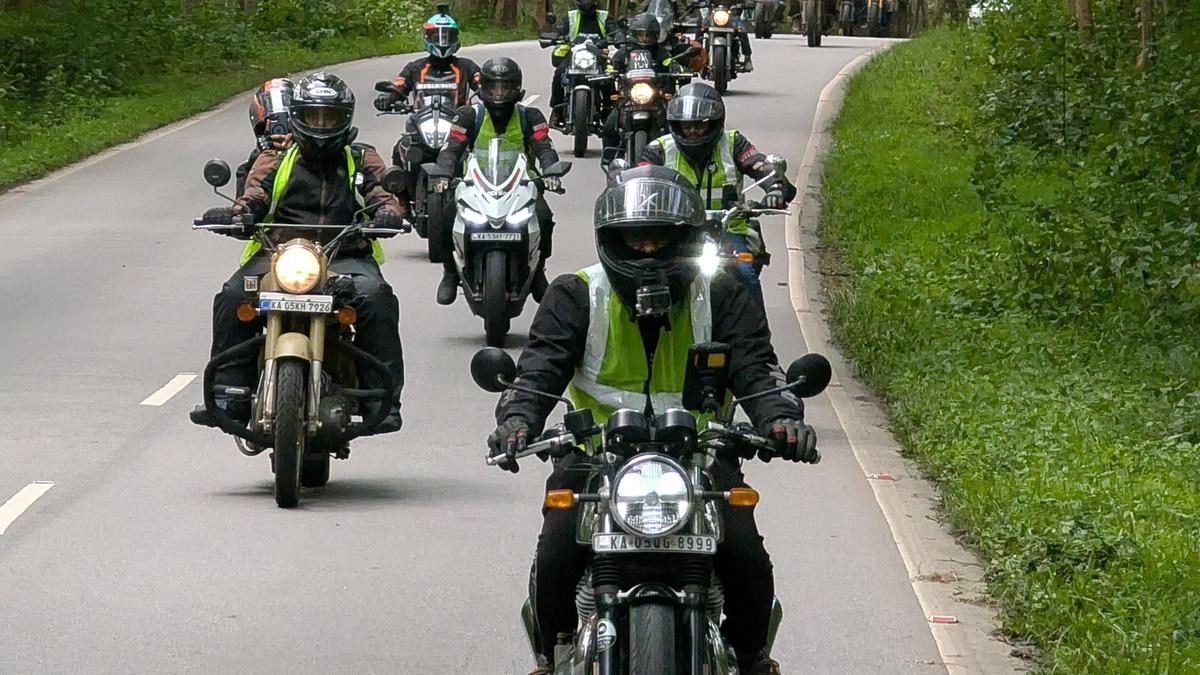
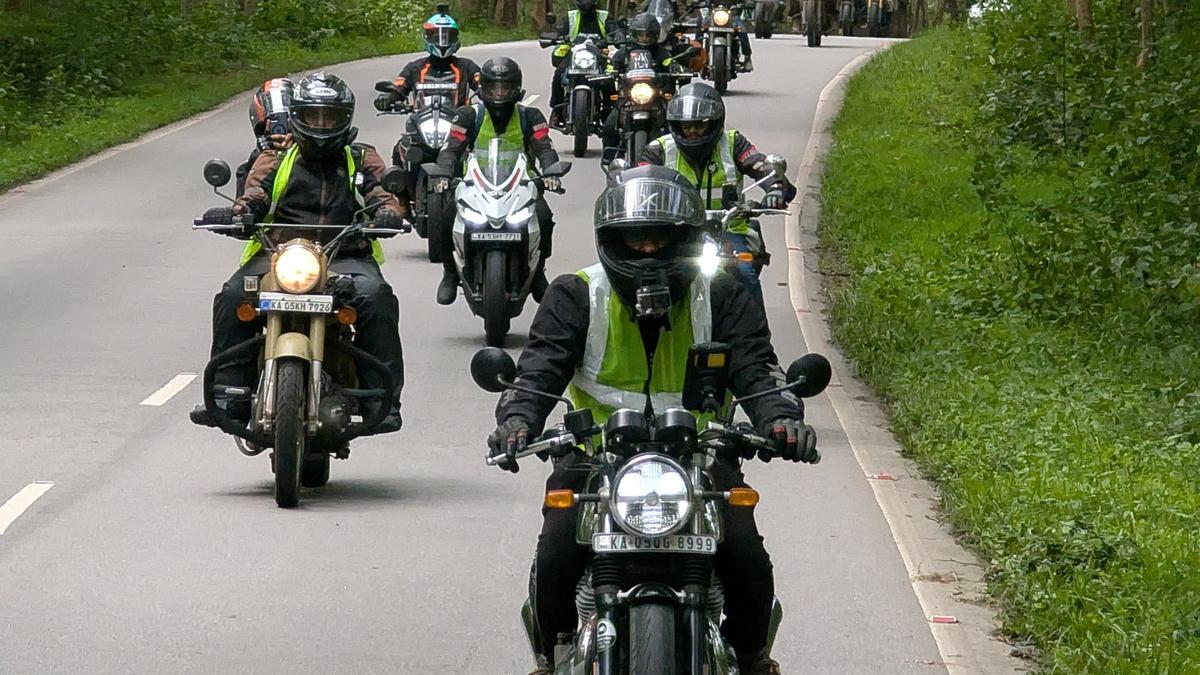
Kimbo organises camps and adventure trips to teach Sanskrit
| Photo Credit:
Special Arrangement
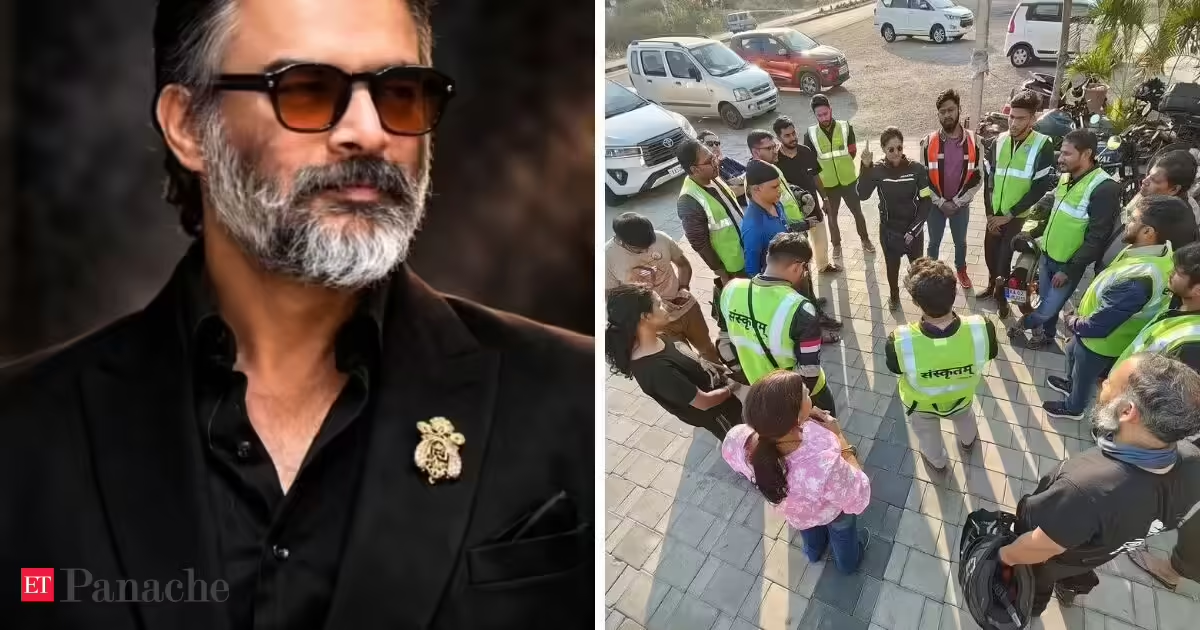
Far from being confined to scriptures and temple rituals, Sanskrit is reinventing itself in the most unlikely ways by making its way into rap, adventure rides and instagram content. While earlier pioneers have experimented with Sanskrit on screen and stage, today, Gen Z is driving the language’s revival through technology and their distinct creativity. They are reshaping the language’s image, infusing it into reels, raps and adventure activities. For instance, Bengaluru-based Kimbho Sanskrit Riders Club hits the road with the sole purpose of popularising Sanskrit. Its members aspire to make it an everyday language, beyond classrooms or rituals.“Members meet every alternate weekend at Cubbon Park and set off on monthly rides to temples, cruises in Goa, bungee-jumping venues and even casinos, all while conversing in Sanskrit and teaching newcomers its basics. The idea is to normalise Sanskrit by using it in everyday settings,” says Samashti Gubbi, who started the club in 2024.“The name ‘Kimbho’ itself reflects this casual spirit: it loosely translates to ‘what’s up?’ — a Sanskrit equivalent of local lingos such as ‘en guru’ or ‘en samachara’ in Kannada,” she explains.At Cubbon Park, Kimbho’s gatherings include Nature walks and interactive activities — from introductions to learning verbs, numbers and sentence structures. With members mostly in the 20-40 age group, the sessions are free, while participants fund their own trips. The club’s ambitious vision extends beyond outreach. It aims to create a platform where Sanskrit learners become actors, writers, singers and filmmakers. “Kimbho is currently working on a Sanskrit film titled Mitram, a contemporary story,” shares Samashti.Sanskrit is finding new traction on Instagram reels and other social media platforms, where it merges with rhythms, rhymes, and beats. Tribe Sanskrit, founded by Hridya Suresh from Coimbatore and Vinamra Herle from Mangaluru, promotes Sanskrit through raps and reels. The Sanskrit graduates, from Chinmaya Vishwavidyapeeth, Ernakulam, post reels of popular songs in Sanskrit — from the Malayalam hit Kaanta to the soulful Chaudhary. Their version of Chaudhary even caught the attention of the original singer, Mame Khan, who shared it with words of appreciation. They are also experimenting with Sanskrit rap, adapting contemporary tracks such as Dhurandhar title song, besides singing the birthday song and creating New Year greetings.“We believe the youth today is keen to reconnect with its roots, and Sanskrit helps them to do that. We want to make the language relatable,” says Hridya. They carry the same energy offline too, conducting workshops and teaching the language in schools and colleges.Their journey underscores how Sanskrit is being reclaimed by the youth, not just as a relic, but as a vibrant medium of artistic expression and recreation.