(Image credit: Shutterstock)
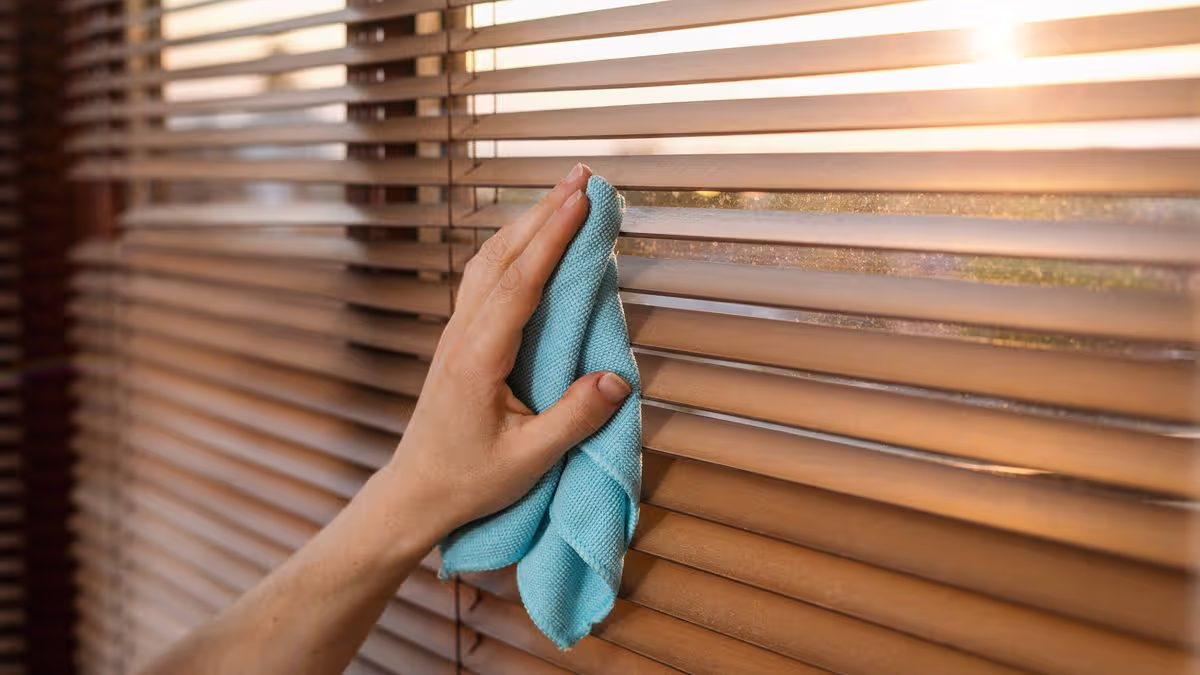
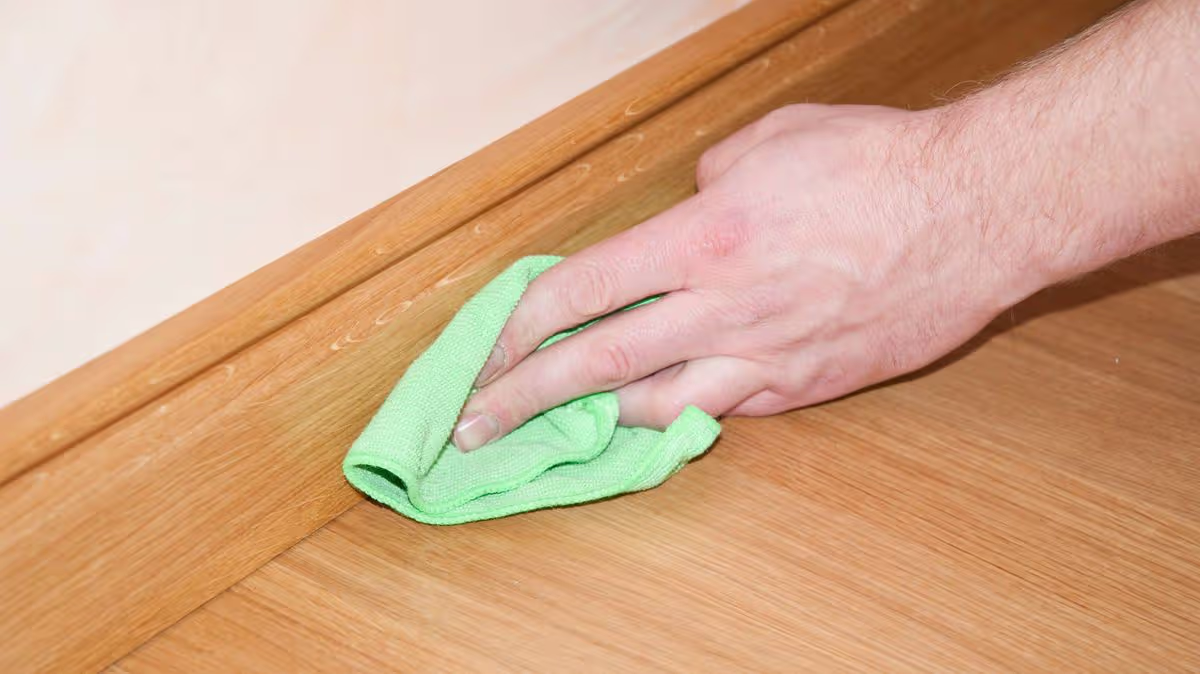
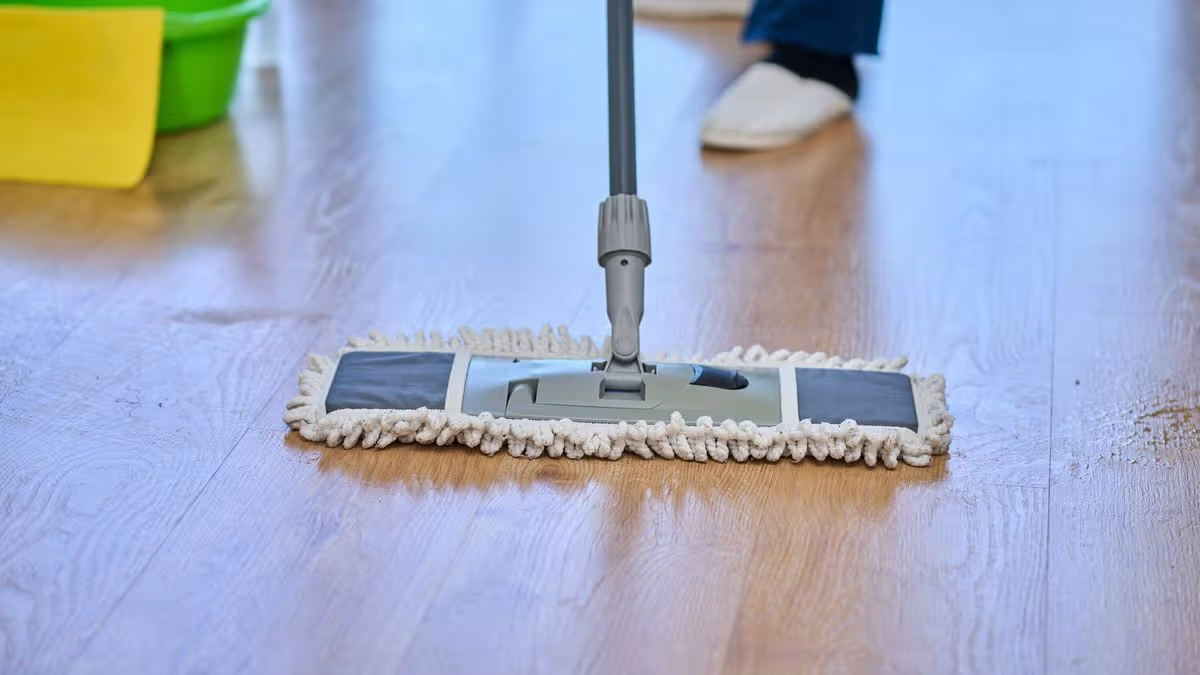
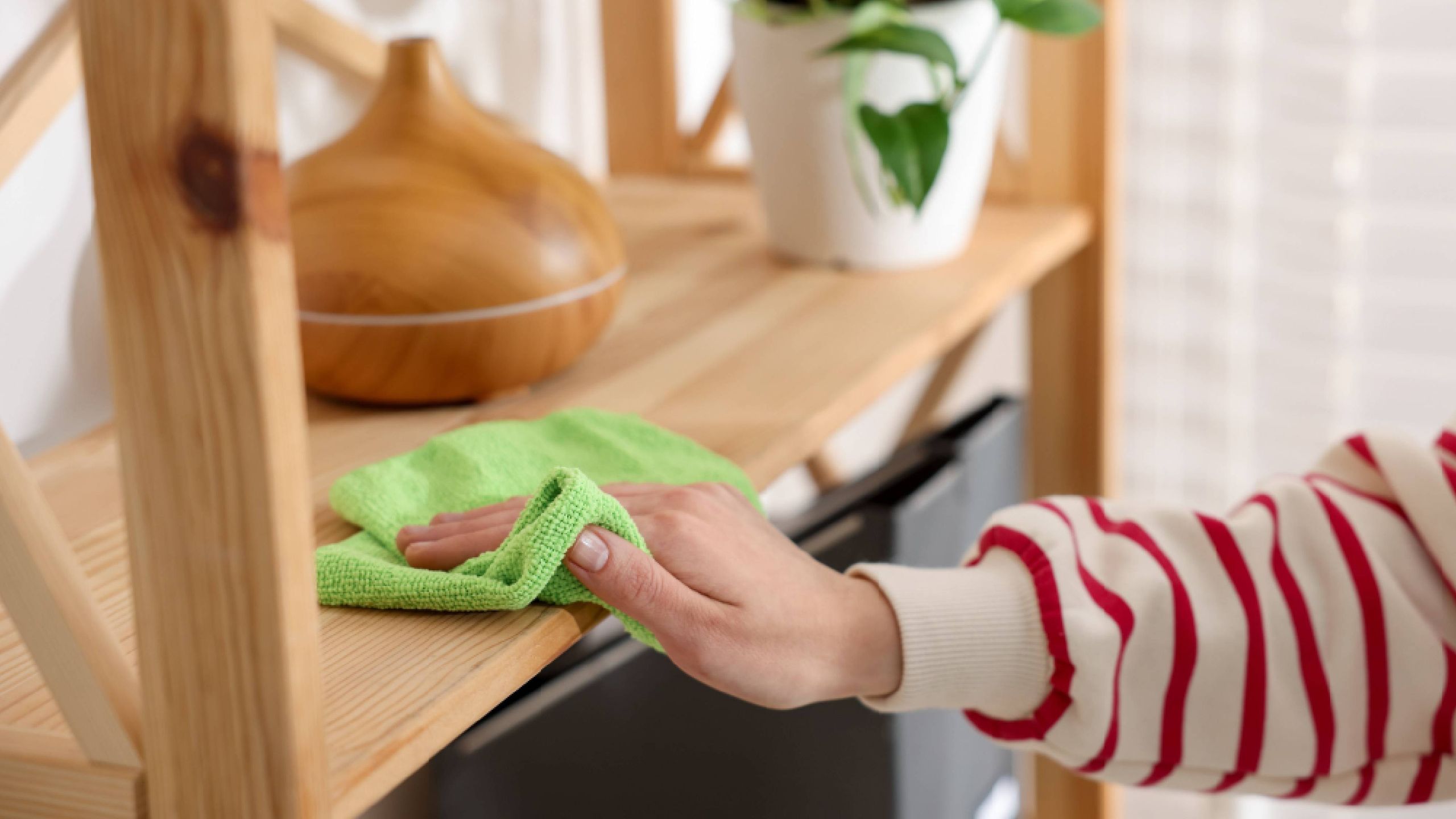
Feather dusters, dry microfiber cloths, and disposable static wands seem like quick solutions for dusty furniture, but they often cause more problems than they solve.Sweeping a dry tool across a surface generates static charge and flickers fine particles back into the air. Rather than capturing the debris, dry dusting leaves most of it floating in the room, only to settle right back onto your tables and shelves an hour later.Damp wiping completely changes the reaction: moisture breaks the static bond, weights down dust particles, and locks them into the fabric fibers so they are actually removed from your home.The science of static: why dry dusters failWhen a dry cloth or feather duster moves over a hard surface, friction creates a electrostatic charge. Instead of binding dust to the tool, this charge frequently repels microscopic particles, sending them airborne alongside pet dander and pollen.Water acts as a natural neutralizing agent against static electricity. Moisture causes fine dust particles to clump together and stick to the micro-grooves of a damp cloth rather than scattering into the room.Damp-wipe surfaces to permanently trap dustLightly mist a clean microfibre cloth with water or an all-purpose spray so it feels slightly damp to the touch, not soaking wet.