The Key to Digital Transformation
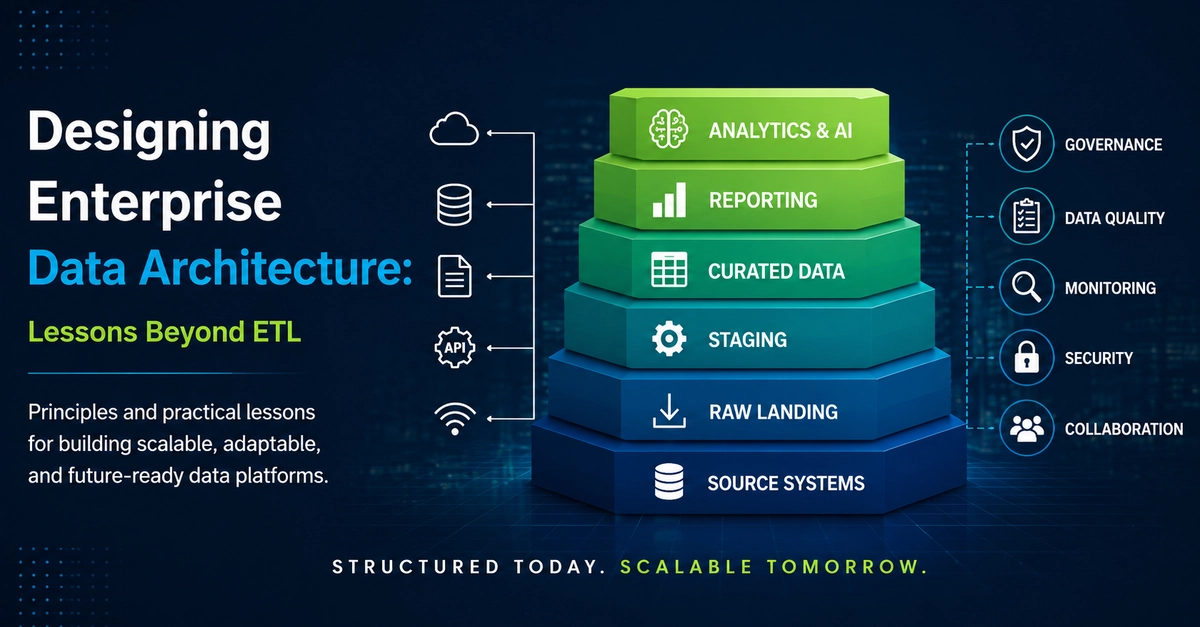
In today’s world, where digitalization and technological innovations set the pace, Enterprise Architecture (EA) plays a crucial role. It continuously evolves and is essential for companies to ensure agility, scalability, and innovation. Enterprise Architecture 4.0 represents the next evolutionary step, enabling organizations to efficiently respond to modern challenges. This blog post explores how EA has evolved, what frameworks and tools are used in practice, and the role of modern concepts like cloud, microservices, and automation.
1. The Evolution of Enterprise Architecture
Traditionally, EA focused on structuring IT systems and business processes, serving as a bridge between corporate strategy and IT infrastructure. However, with increasing demands for agility and innovation, topics like cloud-native architectures, Continuous Integration/Continuous Deployment (CI/CD), and DevOps have come to the forefront.
Enterprise Architecture 4.0 represents a connected and dynamic architecture built on new technologies such as artificial intelligence (AI), the Internet of Things (IoT), and cloud computing. It helps organizations integrate data flows, applications, and infrastructures seamlessly to create flexible and scalable IT systems.